The method
How to get a dog to like you and trust you
Affection is easy to give and mostly irrelevant to a dog deciding whether to trust you. What dogs actually weigh is whether you are predictable, whether your signals make sense, and whether they get a say. The good news is that all three are teachable habits, and there are a handful of small games that speed the process up considerably.
Last reviewed August 26, 2026
Three ingredients
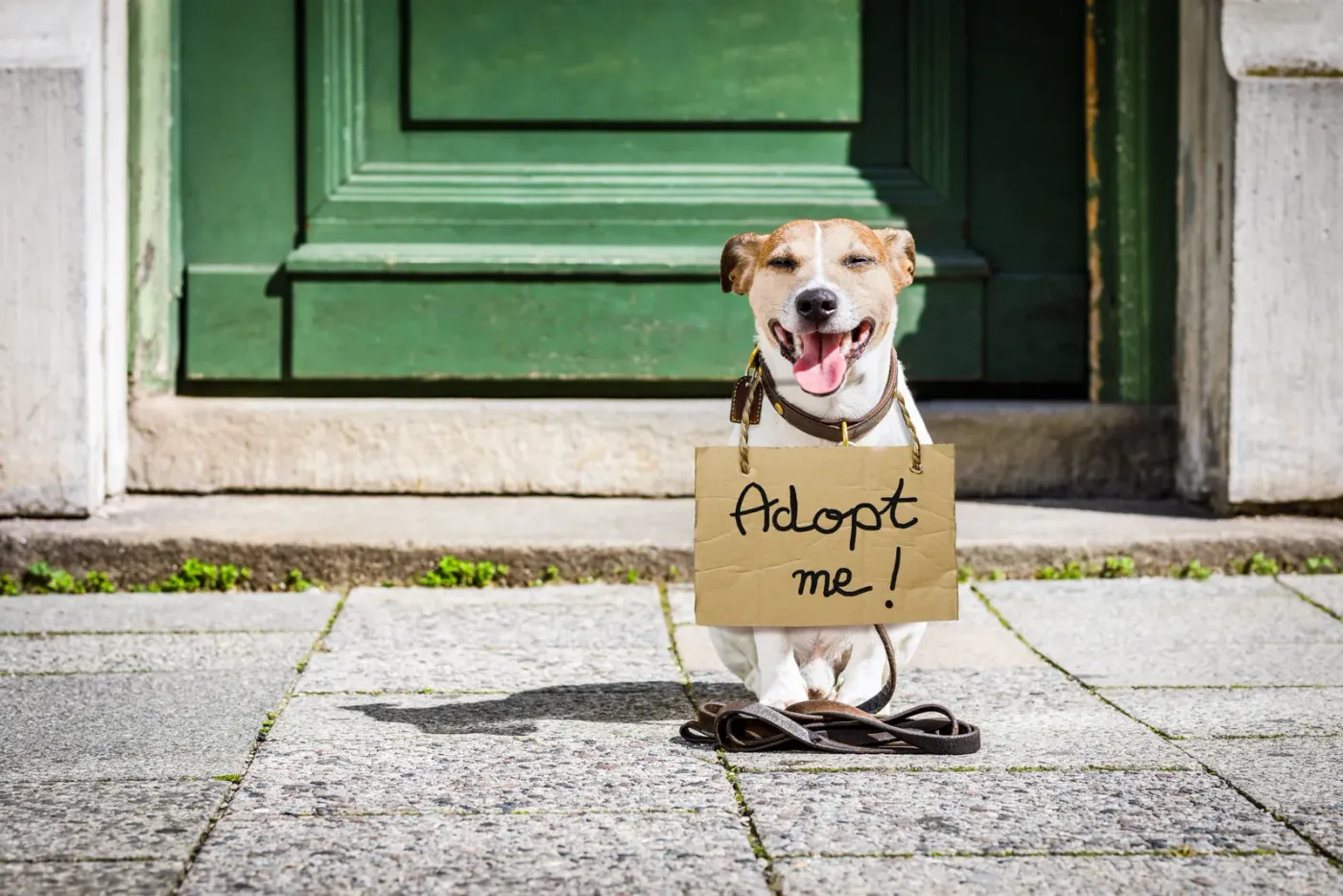
Predictable people are easier to love.
Predictability first. Same meal times, same walk times, same word for the same request, same tone whether you are tired or cheerful. A dog cannot relax around someone it cannot forecast. Clear communication second: mark the moment the dog does something you like with one word, then pay, so your voice carries information instead of noise. Choice third, and most people skip it. Let the dog opt out of petting, approach on its own timeline, and sniff the scary thing before walking past it.
Hand target: hold out a flat palm, mark the nose bump, pay, repeat until the dog is seeking your hand across the room. Find-it: toss a treat on the floor, say the words, let the dog hunt; it teaches that your voice predicts good things appearing. The consent test: pet for three seconds, stop, and see whether the dog nudges for more or drifts off. Respect the answer either way. Ten minutes a day, spread out, does more than an hour of cuddling.
- Same words, same times
- Mark first, then pay
- Three seconds, then stop petting
- Let the dog approach you
Rescues and one-person dogs
A rescue does not owe you trust on day one.
A rescue arrives with a history you will never read, and rushing to earn its trust is the surest way to lose it. Skip the welcome party. For the first while, be boring and reliable: food at the same times, a quiet room the dog can retreat to, walks on a loose leash with plenty of sniffing. Do not corner the dog for a cuddle, do not reach over its head, and keep the kids away from the crate. Let curiosity do the work.
Then there is the dog who adores one household member and merely tolerates the rest. The fix is relevance, not extra attention. The less-favoured person takes over feeding, the morning walk, the hand-target game and the find-it game for a few weeks, while the favourite steps back and stays neutral. Trust follows whoever controls the good stuff and does it kindly. If the dog growls or freezes rather than just ignoring someone, that is a different problem and belongs in a proper assessment.
The programs
When teaching it yourself stalls.
The guide above is the real method. These are the faster routes.
W · One-hour session
Private Training
One-on-one coaching with you on the other end of the leash.
Includes a written weekly plan to work from
NE · 2-week board & train
On-Leash Foundations
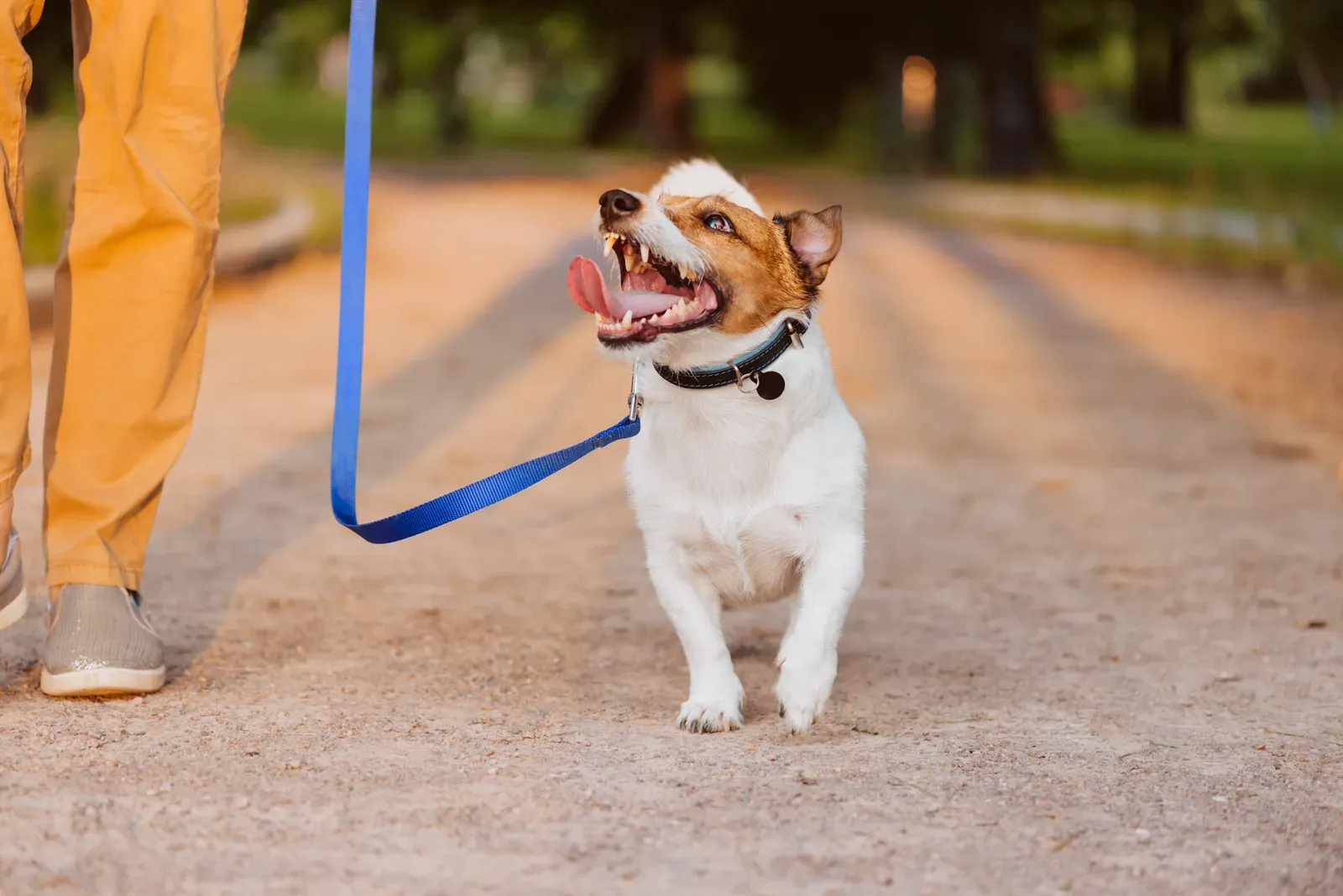
If every walk is a wrestling match, pulling, barking, zig-zagging, this two-week program rebuilds the walk from the ground up with foundational on-leash obedience..
Includes handover lesson, follow-up session, lifetime support, slip lead + collar
Asked and answered
The questions people ask us.
How do you get your dog to like you?
Become the most predictable, readable person in the house. Feed and walk on a schedule, use one clear word to mark good behaviour, and play short games like hand targets that the dog wins. Liking follows from feeling safe around you.
How do you get your dog to love you?
Dogs attach to people who control the good things and never make them feel trapped. Take over meals and walks, keep your hands off when the dog leans away, and let the dog choose to come closer. It sounds cold on paper and works beautifully in practice.
How do I get my dog to like me more?
Make yourself relevant rather than louder. Take over feeding, the morning walk and a daily find-it game for a few weeks, and ask the person the dog prefers to stay neutral. Dogs recalculate quickly when the good stuff changes hands.
How do I get my dog to trust me again?
Go back to basics: no reaching, no cornering, no forcing contact. Let the dog approach on its own terms, pay every voluntary step toward you, and keep your routine boring and identical for a couple of weeks. Rebuilt trust is usually sturdier than the first version, because the dog has now seen you respect a no.
Keep reading
Trust not coming back?
A dog who freezes, growls or hides from a family member needs an assessment before games. Book a consultation and we will start there.
From real owners
Rated 5.0 on Google.
Real Northline dogs