
The method
How to get a dog to like water and swimming
Plenty of dogs decide early that water is suspicious, and one bad dunk can cement it for years. The good news: swimming confidence is built the same way every other confidence is, in small voluntary steps with a payoff at each one. Here is how to build it properly, and why Calgary's rivers demand more caution than a lake in July.
Last reviewed August 26, 2026
First lessons
Build it shallow, voluntary and well paid.
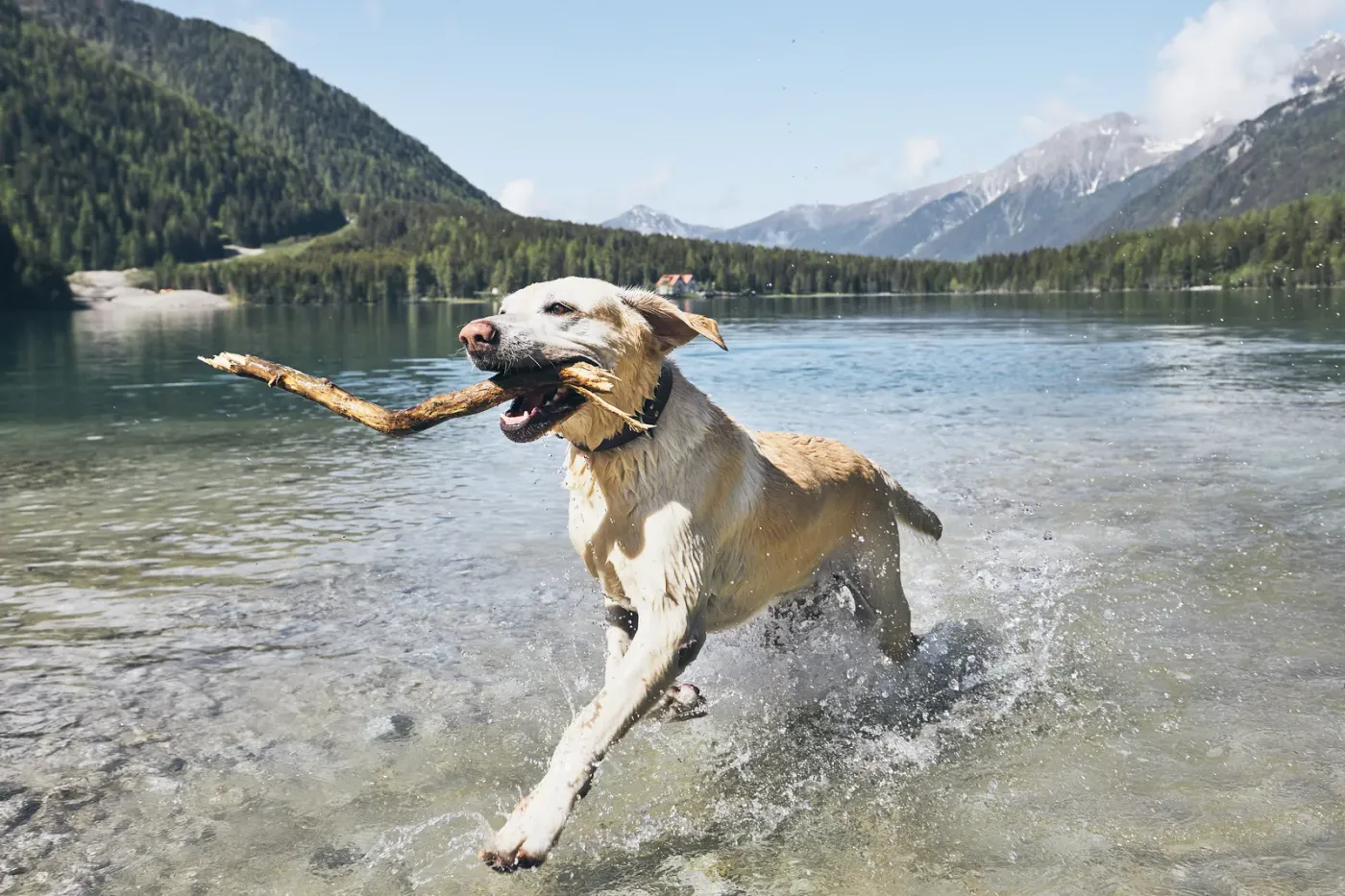
Begin where the water barely covers his toes. A kiddie pool on the lawn, warm and ankle-deep, is a perfectly respectable first lesson. Toss treats into the shallow edge, let him fish them out, and quit while he still wants more. Throwing a dog in to prove he can swim teaches exactly one thing: that you are the person who throws him in.
Two accelerants help enormously. The first is a steady, water-loving dog he trusts: most hesitant swimmers will wade deeper to follow a friend than they ever would for a sausage. The second is gradual depth, so paddling starts by accident while chasing a floating toy. When his back legs sink and churn for the first time, stay calm, pay big, and end the session on that win.
- Shallow water, voluntary steps
- Never throw or drag
- Follow a confident swimmer
- Quit while he wants more
Cold water city
Calgary rivers are not beginner pools.
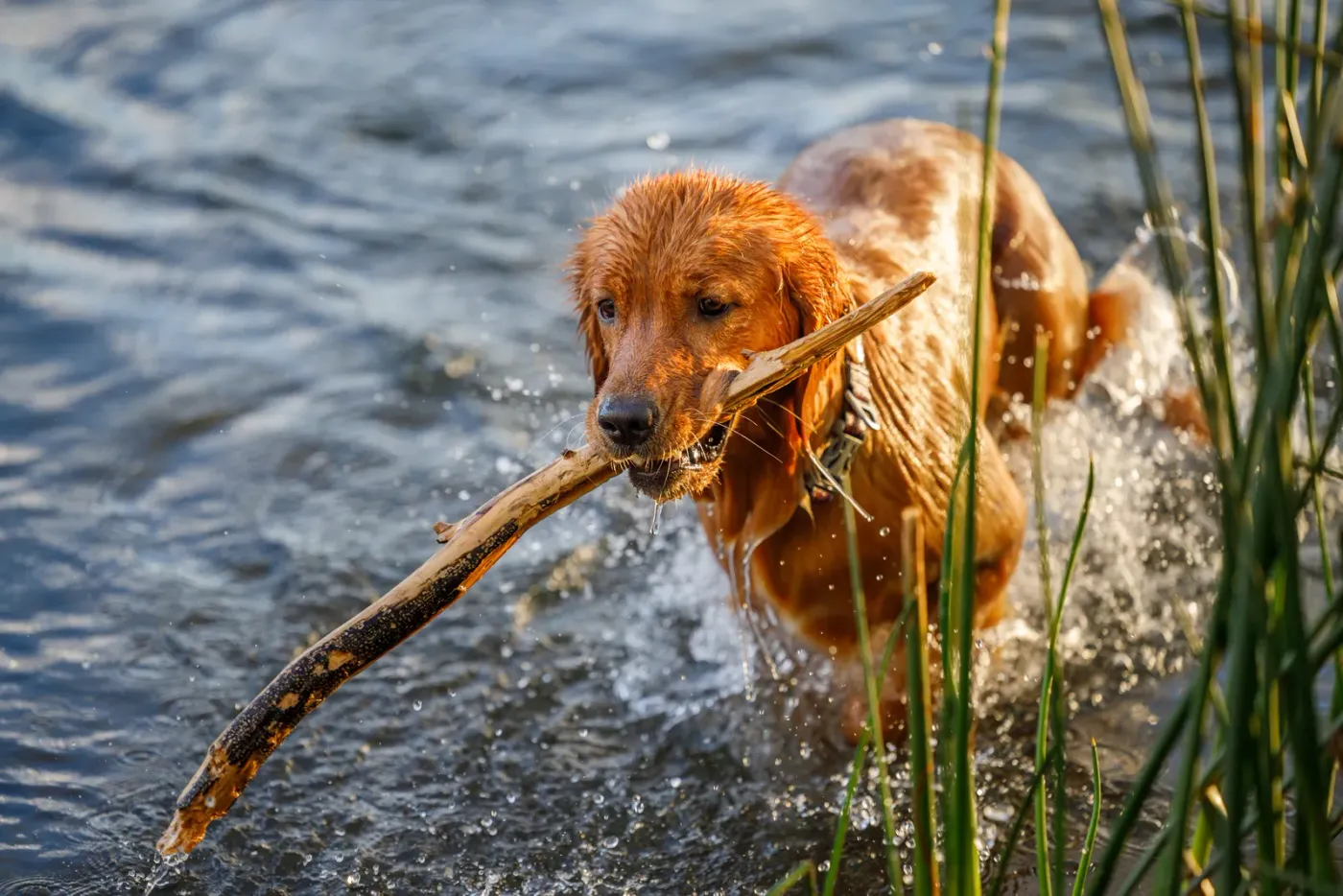
Calgary's rivers run on mountain snowmelt, which means they stay cold enough to shock an unfit dog even in August, and spring runoff turns them fast, high and cloudy. Current is the real hazard: a dog paddling happily near the bank can be swept wide of his exit point in seconds. Save moving water for dogs who already swim strongly, and skip it entirely during runoff.
For actual practice, look for still or slow water: a shallow pond edge, a quiet backwater, the calm shallows inside a designated off-leash area. Read the posted signs first, because water access differs park to park and season to season. In late summer, check for blue-green algae advisories before any swim, and on cool days towel him off quickly so the outing ends warm and happy.
The programs
When teaching it yourself stalls.
The guide above is the real method. These are the faster routes.
W · One-hour session
Private Training
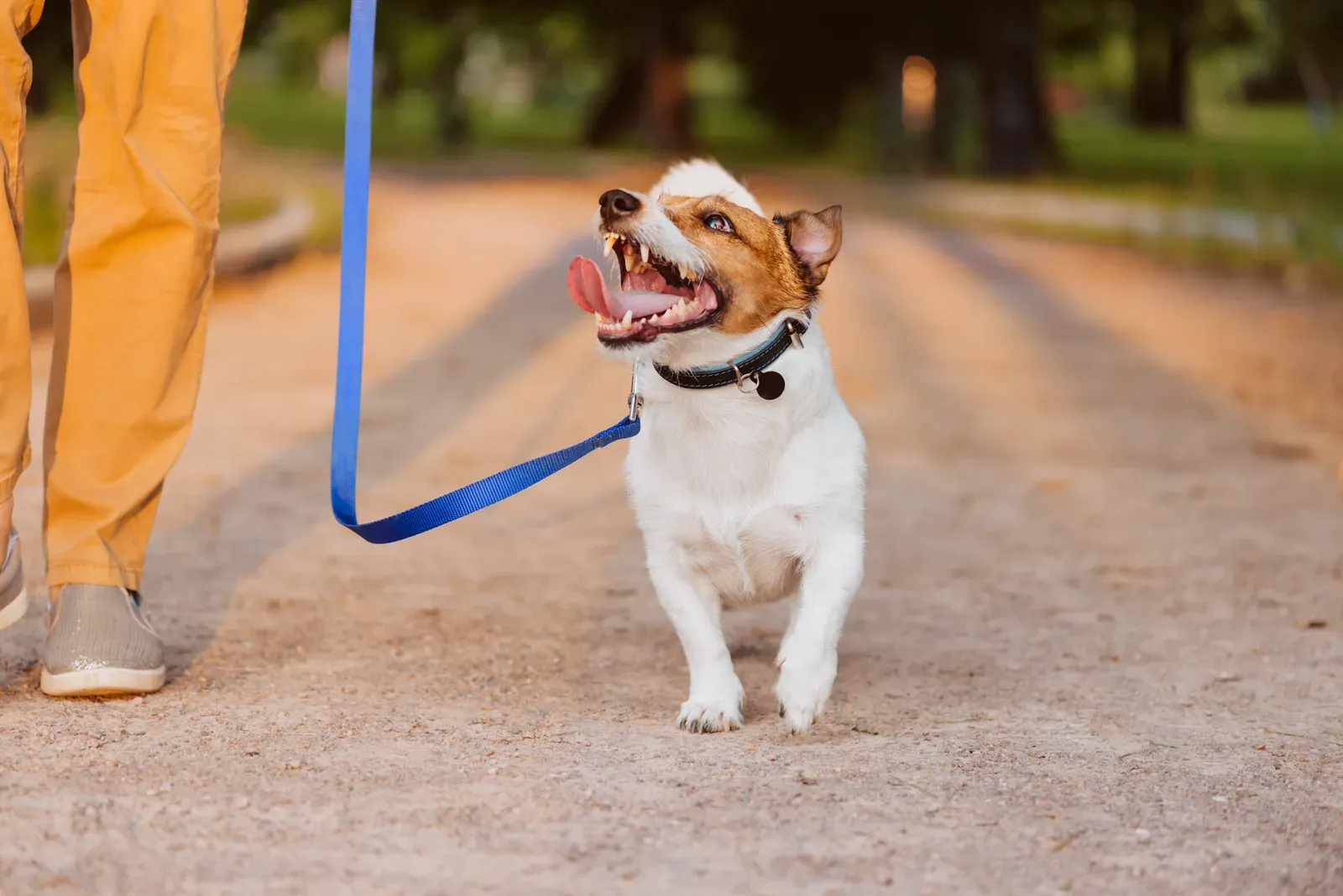
One-on-one coaching with you on the other end of the leash.
Includes a written weekly plan to work from
NE · 2-week board & train
On-Leash Foundations
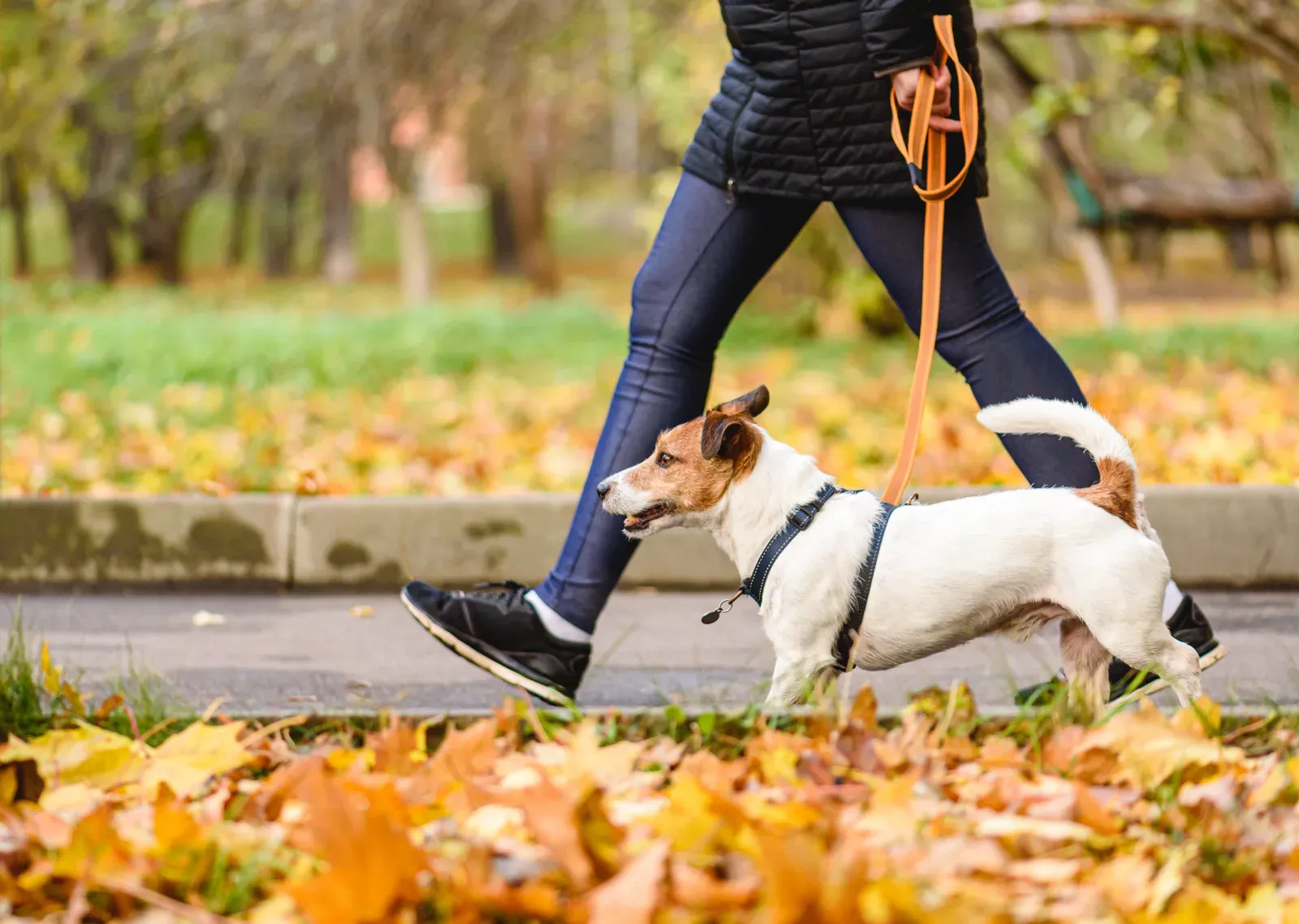
If every walk is a wrestling match, pulling, barking, zig-zagging, this two-week program rebuilds the walk from the ground up with foundational on-leash obedience..
Includes handover lesson, follow-up session, lifetime support, slip lead + collar
Asked and answered
The questions people ask us.
How do I get my dog to not be afraid of water?
Rewind to whatever depth he finds boring, even if that is a puddle, and pay him for choosing to step in. Keep sessions short and always voluntary. Fear fades when the dog controls the pace and good things happen at every stage.
How do I get my dog to like swimming?
Pair water with his favourite things: a floating toy, high-value food, a confident dog friend to chase. Let depth increase so gradually that the first real paddle happens almost by accident. One relaxed session a week beats a marathon he wants to escape.
How do I train a dog to swim?
Dogs paddle instinctively, but they need to learn that deep water is safe and where the exit is. Walk the shoreline with him first so he knows the way out, then lure him a body length past standing depth and straight back. Build distance over several visits, not one.
How do I train my dog to like water?
You build liking rather than command it: shallow starts, generous payment, and no surprises. Heavily muscled or short-muzzled breeds sit low in the water and tire fast, so keep them in the shallows and consider a canine flotation vest. Some dogs will only ever wade, and that is a fine place to stop.
Keep reading
Nervous about the water?
Confidence building runs through every board and train: new surfaces, new places, one dog at a time. Book a consultation.
From real owners
Rated 5.0 on Google.
Real Northline dogs