
Choosing a trainer
How to choose a dog training program for a rescue dog
A rescue dog arrives with a past you only partly know. Some settle into the couch and the routine; others spend a while watching the door. Before choosing any program, give the dog room to decompress, manage the situations that worry it, and gather what history you can. Then the choice between coaching, a program or an assessment gets much clearer.
Last reviewed October 4, 2026
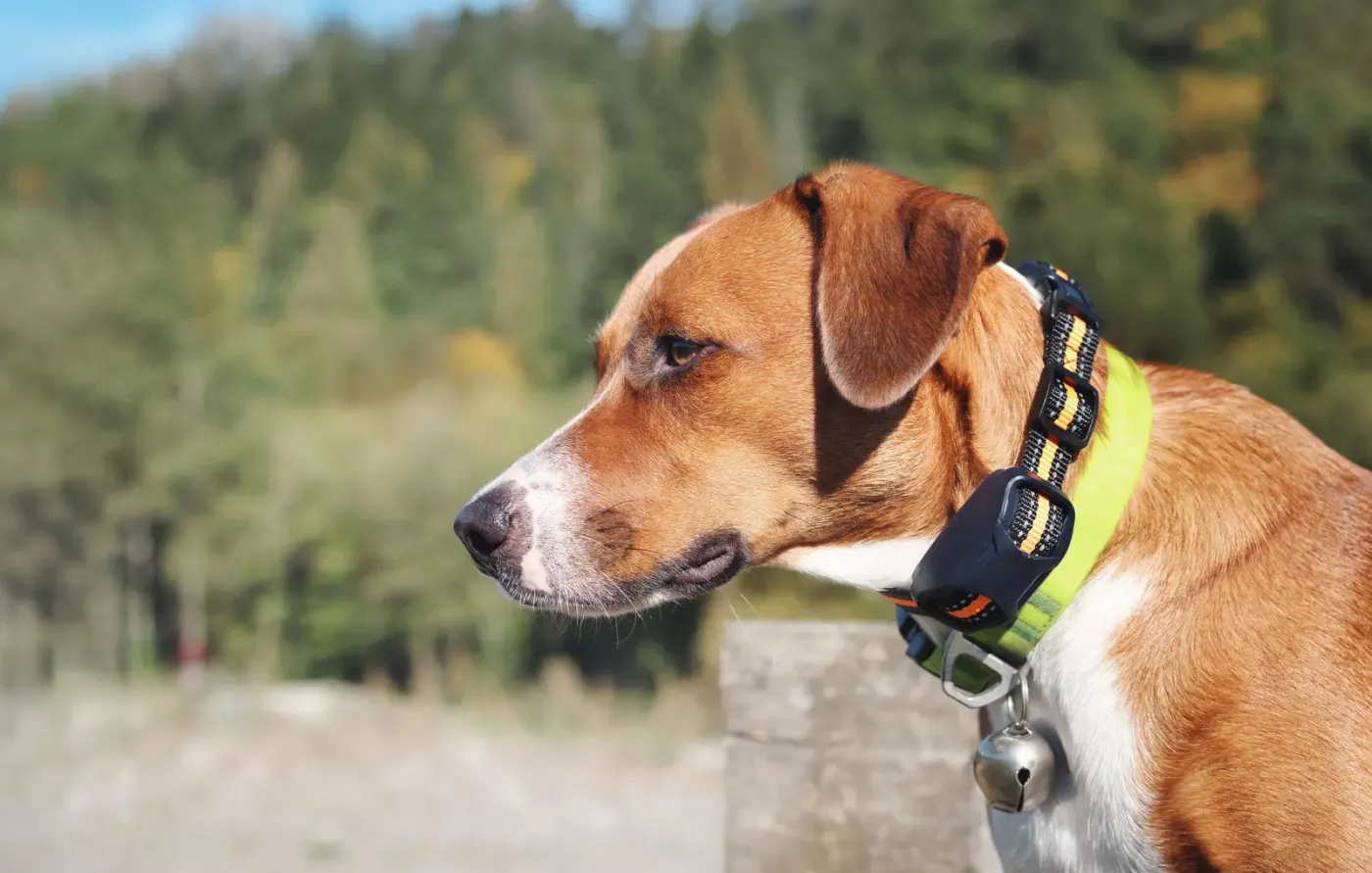
Settle first
Make the home safe before you make plans.
In the early days, management does more than any exercise. Use baby gates or a crate the dog is comfortable in, keep visitors calm and brief, and walk quiet routes on a secure leash. Let the dog approach people on its own terms rather than coaxing it closer with food. If the dog growls, treat it as useful information, never something to punish.
Write down what you see: what startles the dog, where it hides, what it guards, how it handles the car. Share any shelter or foster notes with your vet, because pain and health issues can look like behaviour problems. Sudden changes, growling while being handled, or any bite are reasons to book a vet visit and a professional assessment before training anything.
- Gates and a secure leash
- No coaxing toward strangers
- Growls noted, never punished
- Vet check for sudden changes
Coaching or more
Match the support to what the history shows.
For a rescue whose main gaps are manners, such as pulling, jumping or ignoring a new name, Private Training at $150 + GST per hour gives you behaviour troubleshooting and a written plan for your home. Because the dog stays with you, the relationship you are building is not interrupted. On-Leash Foundations, a 2-week board and train at $1,865 + GST, includes lifetime phone and email support.
Fear, reactivity and bite histories need a different conversation. Behaviour Rehab is a 5 to 6 week board and train at $4,850 to $5,760 + GST, built for the barkers, the lungers, the hiders and the growlers. It starts with a full behaviour assessment, works at the dog's pace, and includes two free follow-ups and in-depth owner education. Dogs with bite histories are accepted after assessment.
Asked and answered
The questions people ask us.
How long should a rescue dog settle before training?
There is no fixed number of days that fits every dog. Let a calm home, a steady routine and good management lead, and start gentle skill work as the dog eats, sleeps and explores more comfortably. If fear or guarding is growing instead, ask for a professional assessment.
Can you train a rescue dog with a bite history?
Dogs with bite histories are accepted into Behaviour Rehab after a full assessment. Until then, keep the dog managed away from the situations linked to the bite and talk to your vet about possible medical causes.
Is board and train too much for a nervous rescue?
It depends on the dog, which is why we decide it together at a consultation. Behaviour Rehab works at the dog's pace inside a structured routine, while Private Training keeps the dog at home with you. When the lighter option covers your dog's needs, that is what we suggest.
What history should a rescue owner share with a trainer?
Share shelter or foster notes, any known bites, triggers you have noticed, and what your vet has looked at. Gaps in the history are normal, and an assessment fills in what the paperwork cannot.
Keep reading
Start with an honest read
Book a consultation and bring what you know about your rescue. We suggest coaching, a program or an assessment, smallest first.
From real owners
Rated 5.0 on Google.
Real Northline dogs