
The method
House training an adult or rescue dog
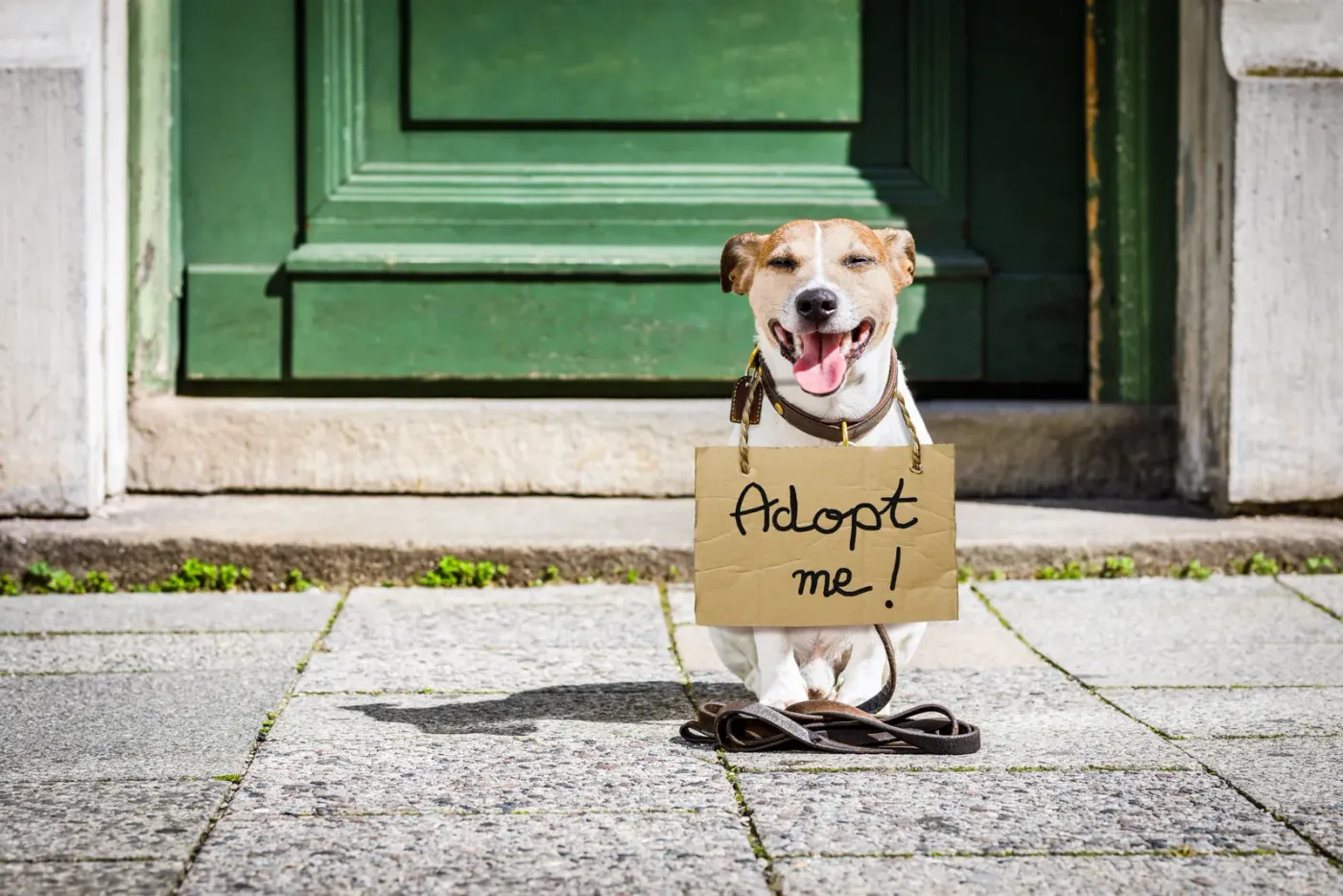
Nobody told the dog it was an adult. A three-year-old rescue who has never lived in a house has the same blank slate as an eight-week-old puppy, minus the tiny bladder and plus a few habits from wherever it was before. So you run the puppy program, compressed: a fortnight of strict schedule, constant supervision, and a party outside every time the dog gets it right.
Last reviewed August 26, 2026
Puppy rules again
Run the fortnight like the dog is eight weeks old.
Write the schedule down and stick it on the fridge: out first thing, after every meal, after naps, after play, and last thing at night, with a timer in between. Walk the dog on a leash to one chosen spot, say your cue word once, and stand still. Adults get distracted by a new neighbourhood, so give it five minutes before deciding nothing is coming. The instant the dog finishes, a treat, at the spot, then the walk continues as a second reward.
Indoors, the house opens up slowly. Between outings the dog is on a leash clipped to your belt, in a crate or pen, or in the room you are in with the door shut. A puddle means you missed a trip: clean it and say nothing. Scolding after the fact teaches an adult to pee where you cannot see. Catch the dog mid-squat and the response is a neutral sound, a quick trip out, and a reward if it finishes there.
- Schedule taped to the fridge
- Leash to one chosen spot
- Reward outside within seconds
- No scolding after the fact
Kennels, marking, snow
What a kennel past and a winter yard add to the job.
A dog that spent months in a kennel run had no clean-versus-dirty choice, so the instinct to keep the sleeping area clean may be blunted. The crate should be sized snug and the first stretches inside kept short, so it does not become another place to pee, and you supervise as if the dog has no instinct helping you. Marking is separate: leg lifts on new furniture are territory claims, and the answer is interrupting, going out, and shrinking access until the claim is dropped.
A fenced yard is a trap in winter. You open the back door, the dog stands on the step, comes back in, and pees in the basement, and from inside you never saw whether anything happened. So every yard trip is a leashed trip until the fortnight is clean: out to the same spot, cue word, wait, reward, back in. Some rescues arrive having never stood in snow, and a dog busy lifting cold paws is not thinking about its bladder. Wait, then pay well.
The programs
When teaching it yourself stalls.
The guide above is the real method. These are the faster routes.
W · One-hour session
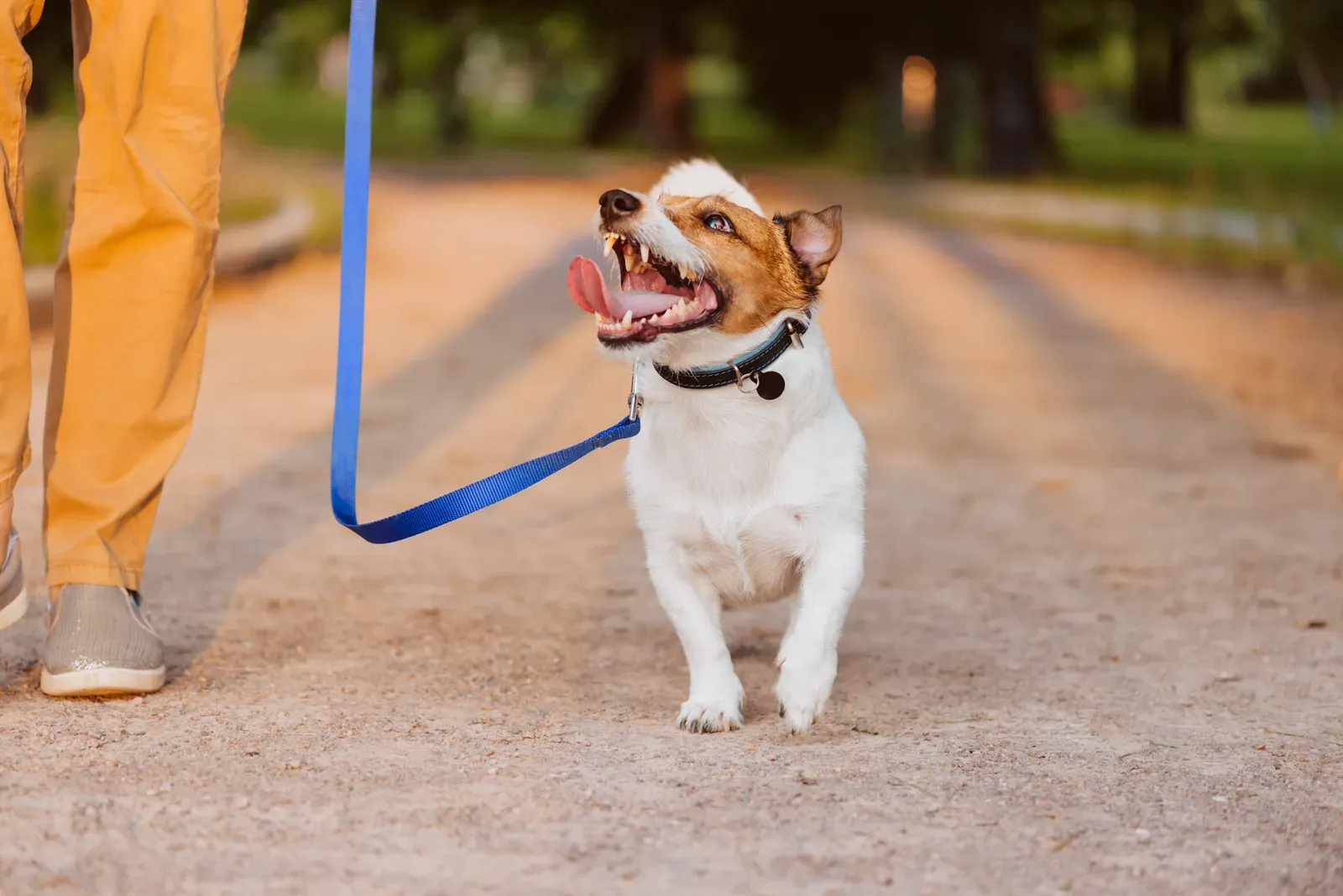
Private Training
One-on-one coaching with you on the other end of the leash.
Includes a written weekly plan to work from
NE · 2-week board & train
On-Leash Foundations
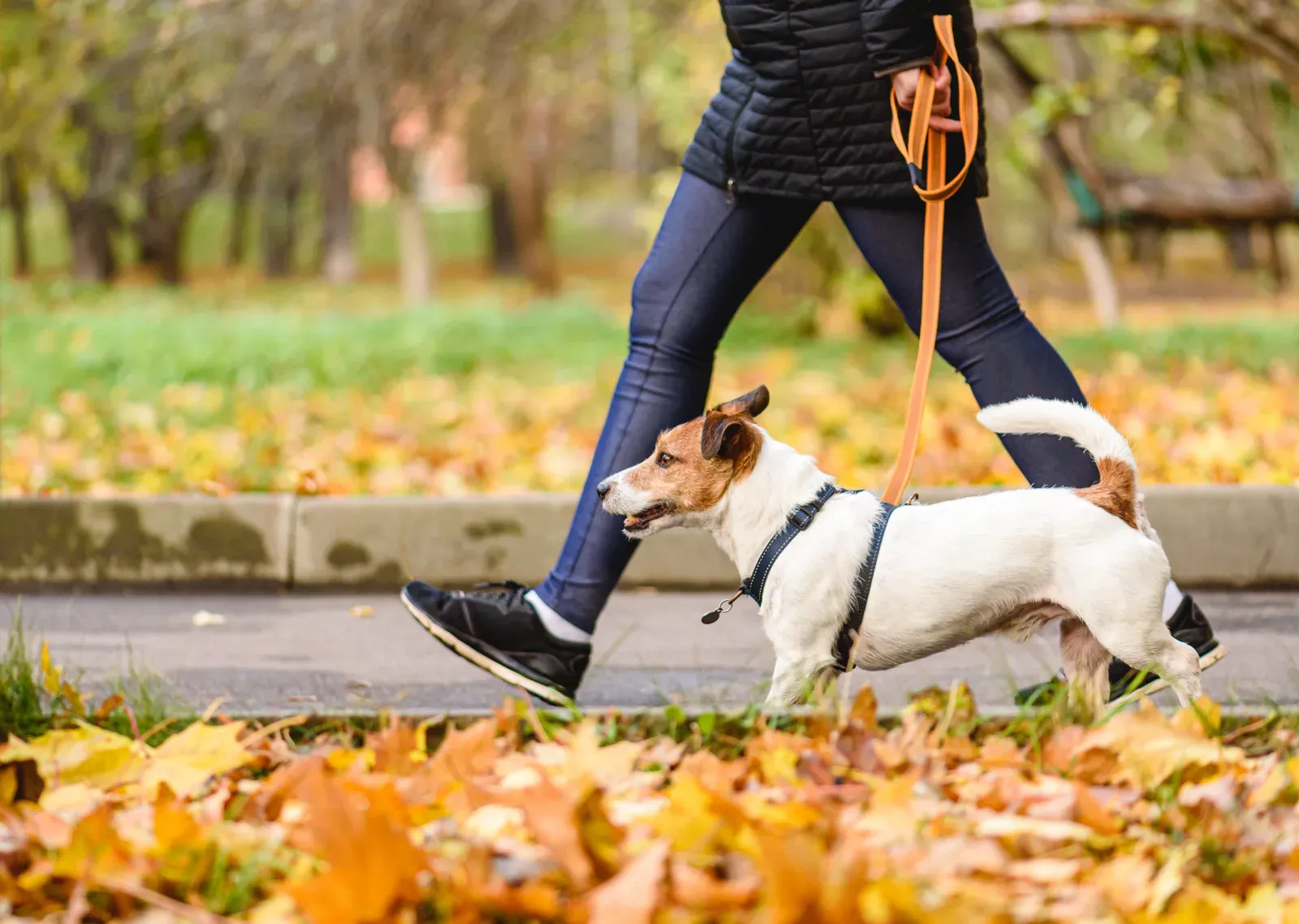
If every walk is a wrestling match, pulling, barking, zig-zagging, this two-week program rebuilds the walk from the ground up with foundational on-leash obedience..
Includes handover lesson, follow-up session, lifetime support, slip lead + collar
Asked and answered
The questions people ask us.
How do I train a rescue dog to pee and poop outside?
Start the day it arrives: leash on, out to one spot, cue word, and a reward the second it finishes. Poop often needs a few minutes of walking first, so keep moving after the pee rather than heading straight back in. Log every success and accident for two weeks so you can see the pattern.
How do I train a rescue dog to pee outside?
Treat it as brand new, even if the foster said it was house-trained. New house, new rules, new smells. A fortnight of leashed outings on a schedule, indoor supervision, and rewards outside is what makes the habit belong to your home rather than the last one.
How do I train an older dog to pee outside?
The method is the same as for a puppy; the timeline is usually shorter because an adult can hold it longer. Book the vet first if the dog is a senior, since incontinence and joint pain can make outdoor trips harder. Then schedule, supervise and reward exactly as you would with a pup.
How do I stop my dog from using the bathroom inside?
Take away the chance. A tether to your belt, a crate when you cannot watch, and trips outside more often than you think the dog needs. Every accident that never happens is a rehearsal skipped, and every rewarded outdoor pee is one more vote for outside.
Keep reading
Start the rescue right
Day Training suits a newly adopted adult: Monday to Friday, with a weekly go-home lesson. Book a consultation to talk it through.
From real owners
Rated 5.0 on Google.
Real Northline dogs