
Households
Dog training after a death in the family
When the person who fed, walked and trained the dog is gone, the dog loses its schedule, its handler and its rules, often at the moment the household has least to spare. When it is the other dog that died, the one left behind loses its map of the day. We focus on what keeps the dog steady, whatever shape the household is in, and on handing the routine to whoever holds the leash.
Last reviewed September 25, 2026
Keeping the routine
Familiar times and familiar words come first.
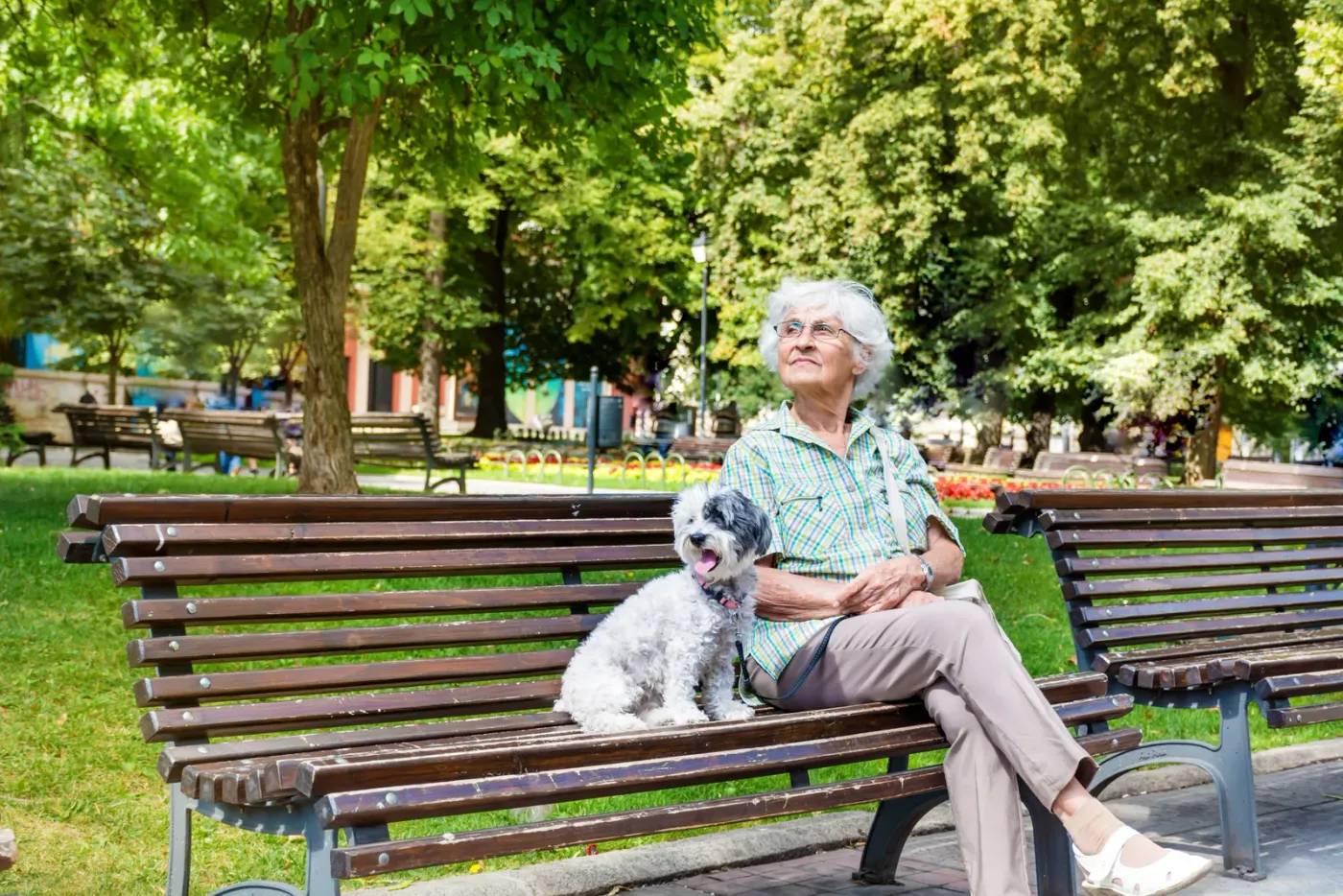
The dog's day was built around one person's habits: the early walk, the bowl down before the kettle, the evening session on the step. Those anchors are gone. We recommend keeping the times where the household can, even if the walks are shorter and the hand on the leash is different, and using the old cue words because the dog knows them. A predictable shape to the day matters more than a perfect copy of the old one, and it can flex with the household.
Some dogs search: checking the bedroom, waiting at the door at the usual hour, sniffing the chair. We let that happen and never scold it. Some follow the remaining people from room to room, some sleep more, some seem unchanged, and none of those responses is wrong. The physical side is a vet's territory, not a trainer's: if eating, drinking or energy change, or the dog seems off in a way nobody can explain, we recommend a vet visit before any training plan.
- Same meal and walk times
- Old route, old cue words
- Routine flexes with the household
- Vet first if eating changes
Rebuilding gently
The new handler starts with what the dog already knows.
If you inherited a dog you never trained, we recommend starting by finding out what it knows. We suggest asking family for the cue words the dog's person used, and paying generously for anything the dog offers. Sessions stay short, in the kitchen, with part of the dog's meal as the reward, and they stick to cues the dog already has: sit, down, place and a recall in the yard. New skills can wait until the household is ready, whenever that is.
Some households need someone else to hold the leash for a while, and there is no shame in that. Day Training, $650 plus GST per week, runs Monday to Friday with a weekly one-hour go-home session for whoever now holds the leash. On-Leash Foundations is a two-week board and train at $1,865 plus GST, built on daily training and a structured routine, with a handover lesson, a follow-up session and lifetime phone and email support. A consultation is where we say which fits.
Asked and answered
The questions people ask us.
How do I help my dog after its owner dies?
We recommend keeping the dog's meals, walks and sleeping spot where and when they were, as far as the household can manage. The dog can search and settle in its own time, and short sessions with cues it already knows let it hear familiar words from a new voice. If eating, drinking or energy change, we recommend seeing a vet first.
Why has my dog's behaviour changed after a death in the family?
Many dogs notice an absence and a change in routine, and some show it through restlessness, searching or clinginess, while others seem unchanged. Training can help because it gives the dog something predictable to do with a person who is still here, so we keep sessions short and easy for as long as the household needs. Any physical change, in eating, drinking or energy, is a reason to see a vet before assuming it is grief.
I inherited a dog after a death. Where do I start?
We recommend starting with what the dog already knows: ask family what cues were used and how, then use those words. Keeping the old schedule before changing anything gives the dog one fixed point while everything else moves. A Private Training session, one hour at $150 plus GST, comes with a written weekly plan built around this dog rather than a generic one.
My dog seems depressed since our other dog died. What should I do?
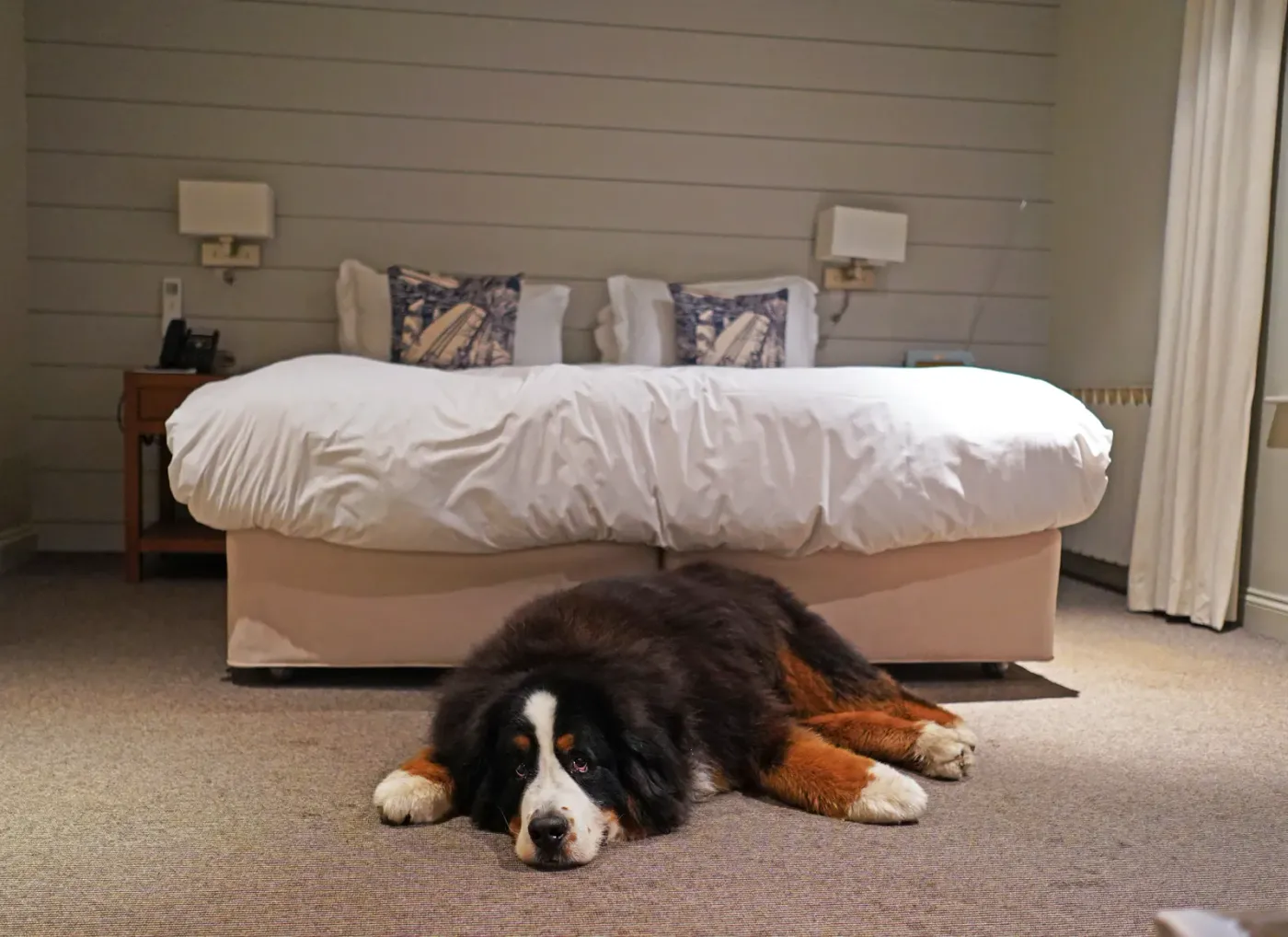
We recommend keeping the routine the two dogs shared, especially walk times, and giving the survivor a little more one-on-one attention through short training sessions. We would not rush into a new dog to fill the gap. If eating, sleeping or energy change, or the low mood worries you, we recommend a vet check first.
Should I send my dog to board and train after a death in the family?
It is one option, not a requirement. On-Leash Foundations is a two-week board and train at $1,865 plus GST, with daily training, a structured routine, a handover lesson and a follow-up session; Day Training at $650 plus GST per week keeps the dog home every night. A consultation is where we recommend one, or something smaller, based on the dog and the household.
Keep reading
Steady hands for now
Book a consultation and tell us what the dog has lost. We will carry some of the routine until the household can.
From real owners
Rated 5.0 on Google.
Real Northline dogs