
The method
Crate training a puppy step by step
The crate is the first thing we teach every puppy, because it makes potty training, alone time and sleep all easier. It is also the thing many new owners quietly abandon by night three. This guide walks the first 72 hours step by step, then weeks two to four, including the daytime crate and the puppy who screams like the world is ending.
Last reviewed August 26, 2026
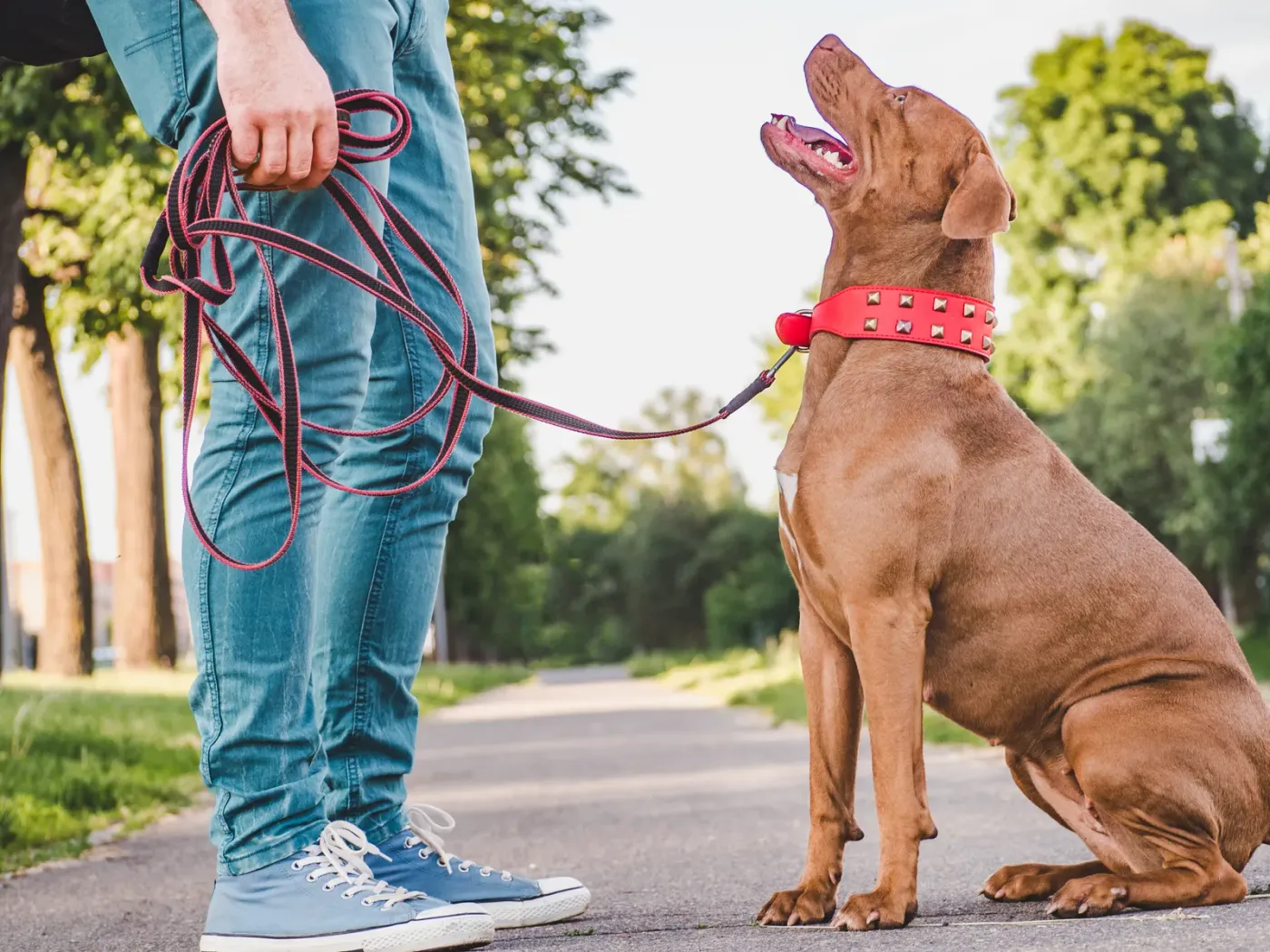
First 72 hours
Placement, meals and the 2 am run.
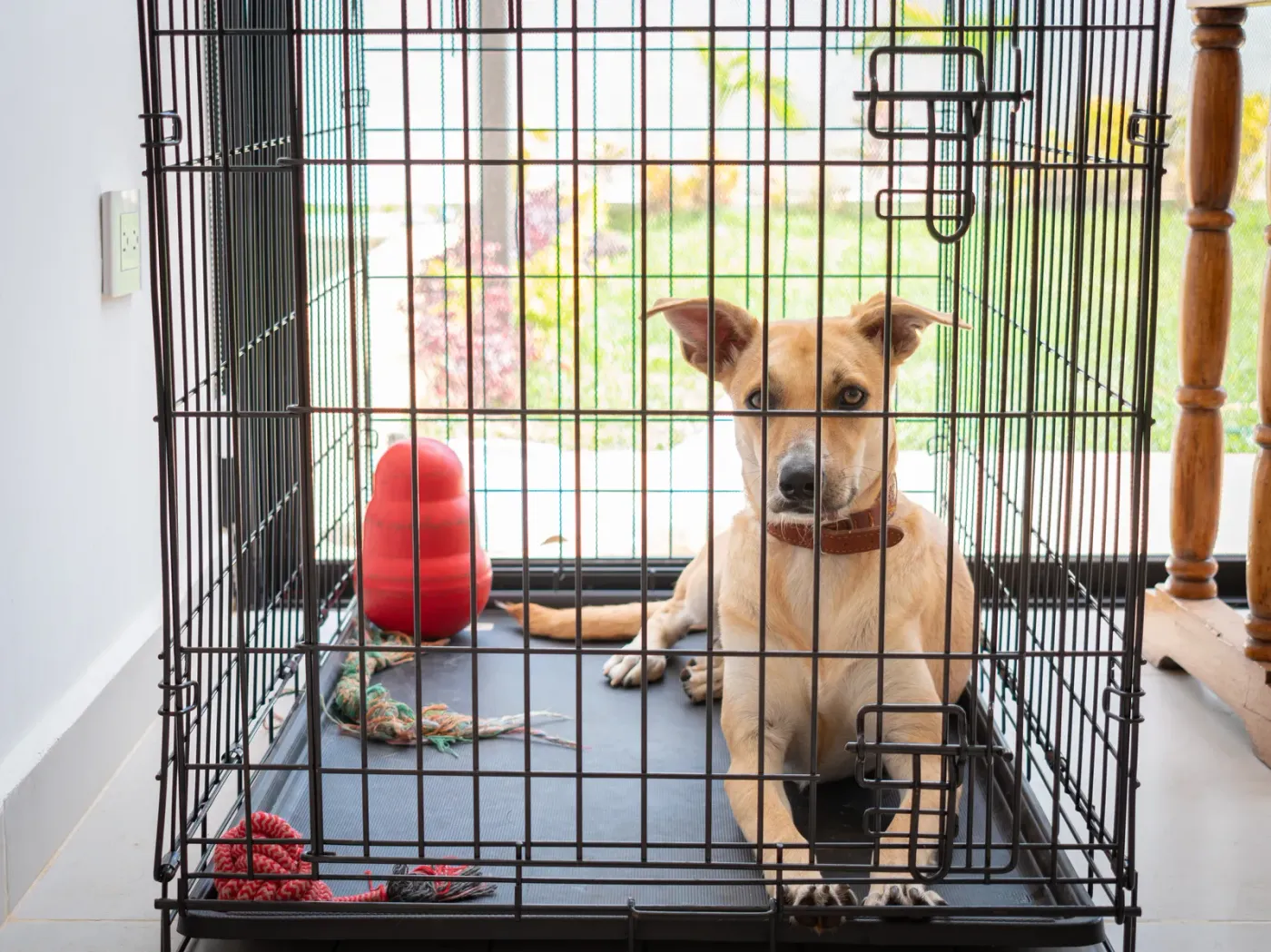
Set the crate up before the puppy arrives, in the bedroom beside your bed, with a snug divider so there is room to curl up but not to pee in a corner. Day one, serve meals at the back of the crate with the door open, and toss treats in whenever the puppy glances at it. Naps happen inside from the first afternoon, door closed, with you in the room.
Night one, the crate sits at bed height beside you so a paw-level hand can settle the fussing. Last potty trip right before lights out, then set an alarm for roughly 2 am and carry the puppy straight out before the crying starts. No lights, no play, back in the crate. By night three many puppies stretch the gap on their own; your job is to keep the wake-up boring.
- Crate beside the bed
- Divider sized for curling up
- Alarm set for 2 am
- Boring, dark potty runs
Weeks two to four
Daytime hours and the puppy who screams.
From week two, move the crate reps into daylight. Build duration in ordinary moments: puppy crated with a stuffed chew while you make coffee, shower, or step outside for two minutes. Come back before the whining starts and let the puppy out while they are quiet, so the crate predicts your return rather than your disappearance. By week four, an hour or two of relaxed daytime crating is a reasonable target.
A puppy who screams is telling you the steps got too big, not that crates are cruel. Shrink the ask: shorter closures, higher-value chews, crate moved back into the bedroom for a few nights. Rule out a full bladder first, always. If the screaming outlasts your patience, this is one of the jobs our Puppy Fundamentals board and train takes over for three weeks, crate comfort at night included, with a handover lesson so it survives the trip home.
The programs
The puppy-window programs.
The early weeks only happen once. These are the ways we help you spend them well.
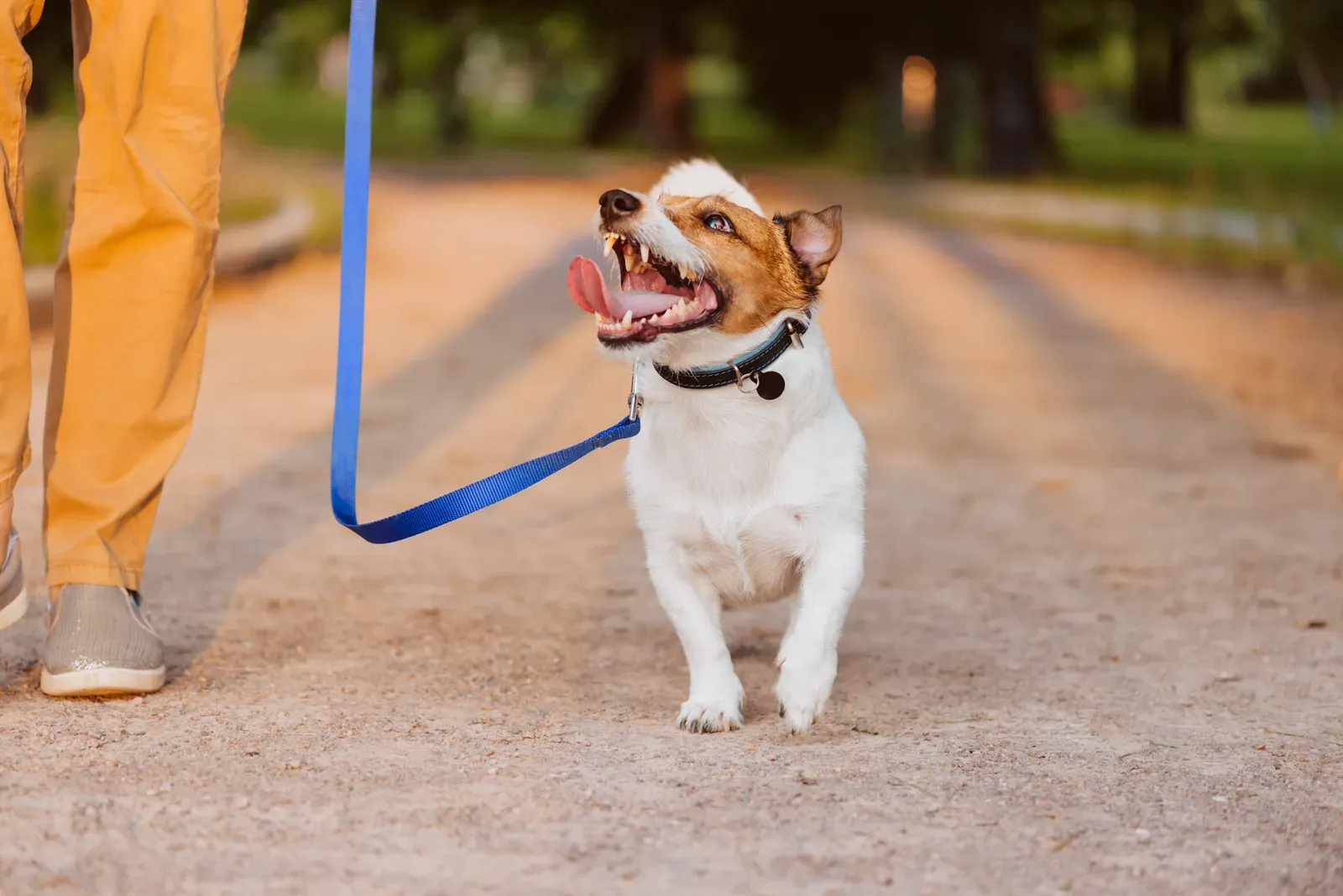
W · One-hour session
Private Training
One-on-one coaching with you on the other end of the leash.
Includes a written weekly plan to work from
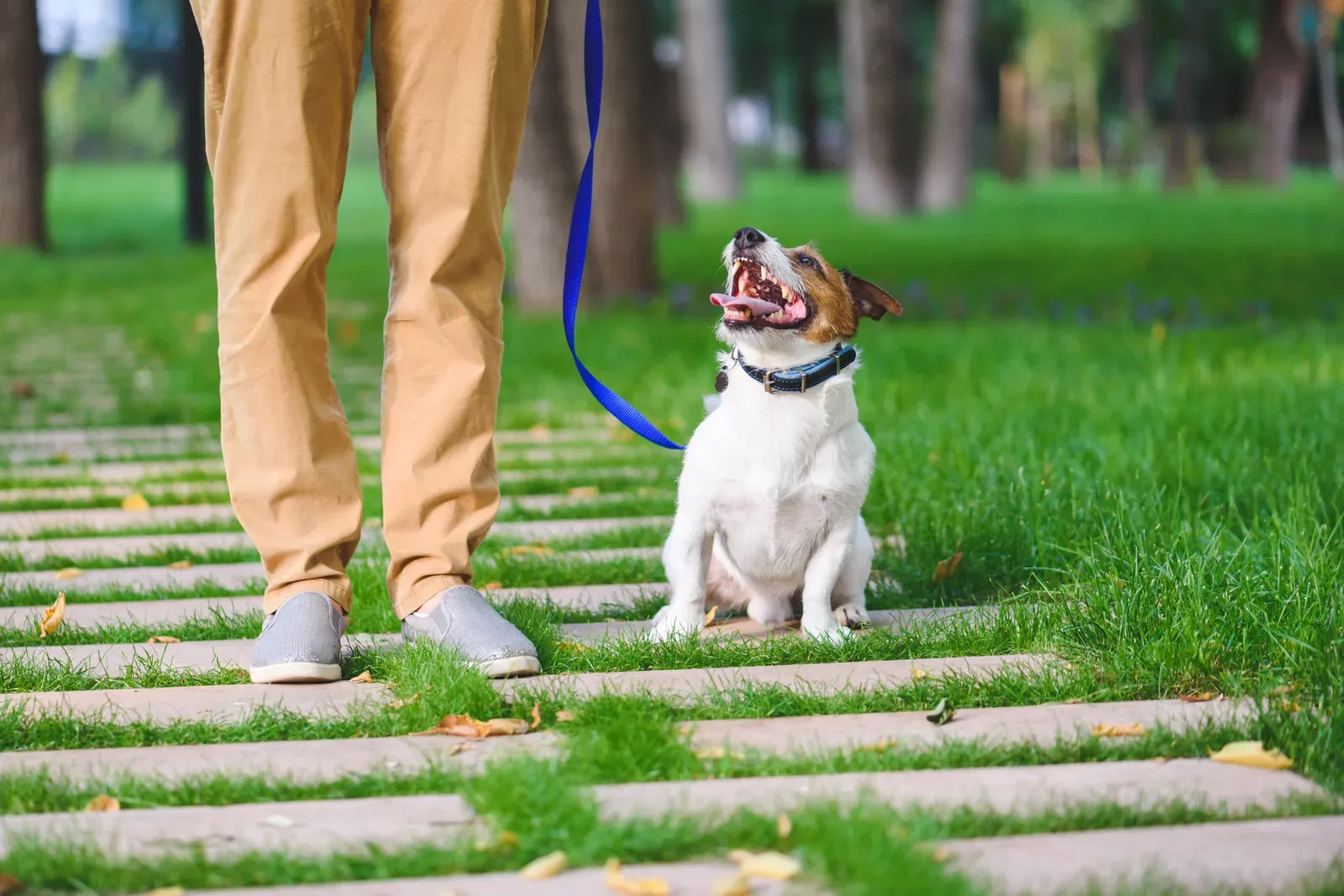
N · 3-week board & train
Puppy Fundamentals
Your puppy's first months decide the habits of a lifetime.
Includes handover lesson, follow-up session, slip lead + collar
Asked and answered
The questions people ask us.
How do I crate train a puppy the first night?
Put the crate at mattress height beside your bed, do a final potty trip, and settle the puppy with a blanket that smells like their littermates if you have one. Expect some fussing and one alarm-set potty run in the small hours. Do not move the crate away until nights are quiet.
How do I crate train a puppy during the day?
Attach the crate to things that already happen: meals, chews and the post-play nap. Close the door for seconds at first and pay through the bars, then stretch to minutes while you stay visible. Daytime duration grows fastest when the puppy is genuinely tired going in.
How do I crate train a puppy at night without crying?
Some crying is normal in the first nights; a tired puppy, a close crate and a dark, boring room shorten it. Respond to bladder needs with a silent carry outside, not with playtime or your bed. If crying stops the moment you touch the crate, wait for a breath of quiet before opening.
How do I train a puppy to like their crate?
Make it the only place certain good things exist: meals, a frozen stuffed chew, the safest nap spot in the house. Never use it as punishment and never drag a puppy in. Liking follows predictability, and predictability is entirely in your hands.
Keep reading
Nights still loud?
Bring us the crate log and we will find the step that is too big. Book a consultation.
From real owners
Rated 5.0 on Google.
Real Northline dogs