
Tools, honestly
E-collar training in Calgary: the honest guide to training tools.
Northline K9 uses the full toolbox: food, toys, slip leads, prong collars, and modern Educator e-collars, each introduced properly for the dog in front of us. Used correctly, a modern e-collar works at levels many humans can barely feel and functions as a whisper across distance. Used badly, any tool including a flat collar can do harm. This page explains how we decide, tool by tool.
The conditioning that matters
The tool is the last step, never the first.
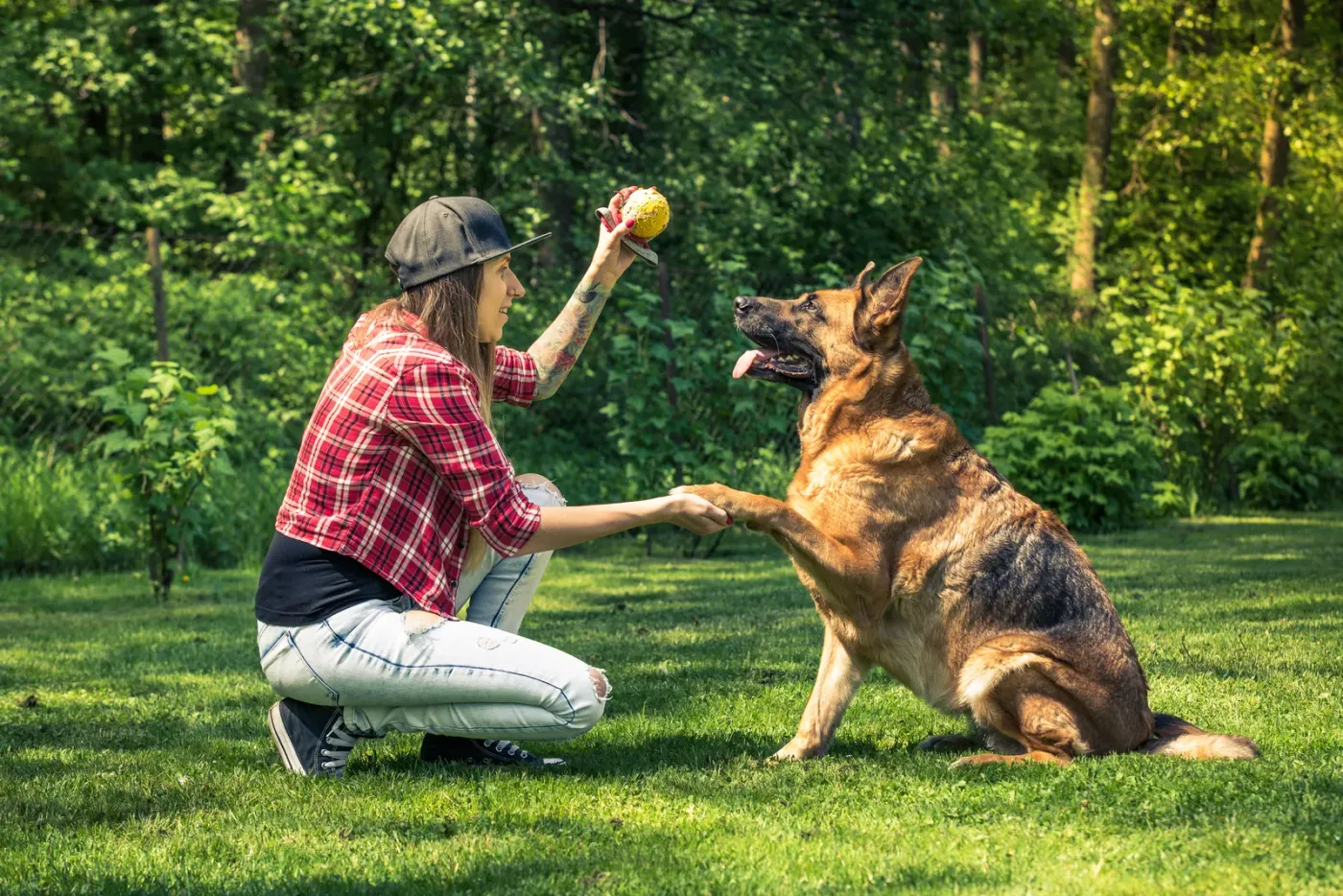
No tool teaches a behaviour. Skills are built first with markers and rewards until the dog fluently understands what earns reinforcement. Only then is a communication tool layered on, starting at the lowest perceptible level, so the sensation means information the dog already knows how to answer. An e-collar tap on a conditioned dog says look at me from two hundred metres; on an unconditioned dog it is just startling noise, and we will not use it that way.
Prong collars follow the same logic for leash work: fitted correctly and introduced gradually, they distribute pressure evenly and give clear, brief information to powerful dogs whose flat-collar pulling was choking them anyway. The pros and cons are physical and honest, and we walk every owner through them before a prong ever goes on their dog.
- Skills taught with rewards before any tool
- E-collars conditioned at barely-perceptible levels
- Prongs fitted and introduced properly or not at all
- You are taught the same skills before gear goes home
Where we draw lines
When the answer is no.
Tools are matched to the dog, and some dogs vote no. A soft, sound-sensitive dog may never need more than a slip lead and good food; forcing gear onto that dog because it is in the package would be malpractice. Equally, off-leash freedom around Calgary wildlife without a conditioned recall backup is a gamble we will not take, which is why our off-leash programs include the Educator collar and, more importantly, the owner education to use it with skill.
The programs
Where the tools live.
The off-leash programs include and condition the remote collar; every program includes teaching you the tools it uses.
W · One-hour session
Private Training
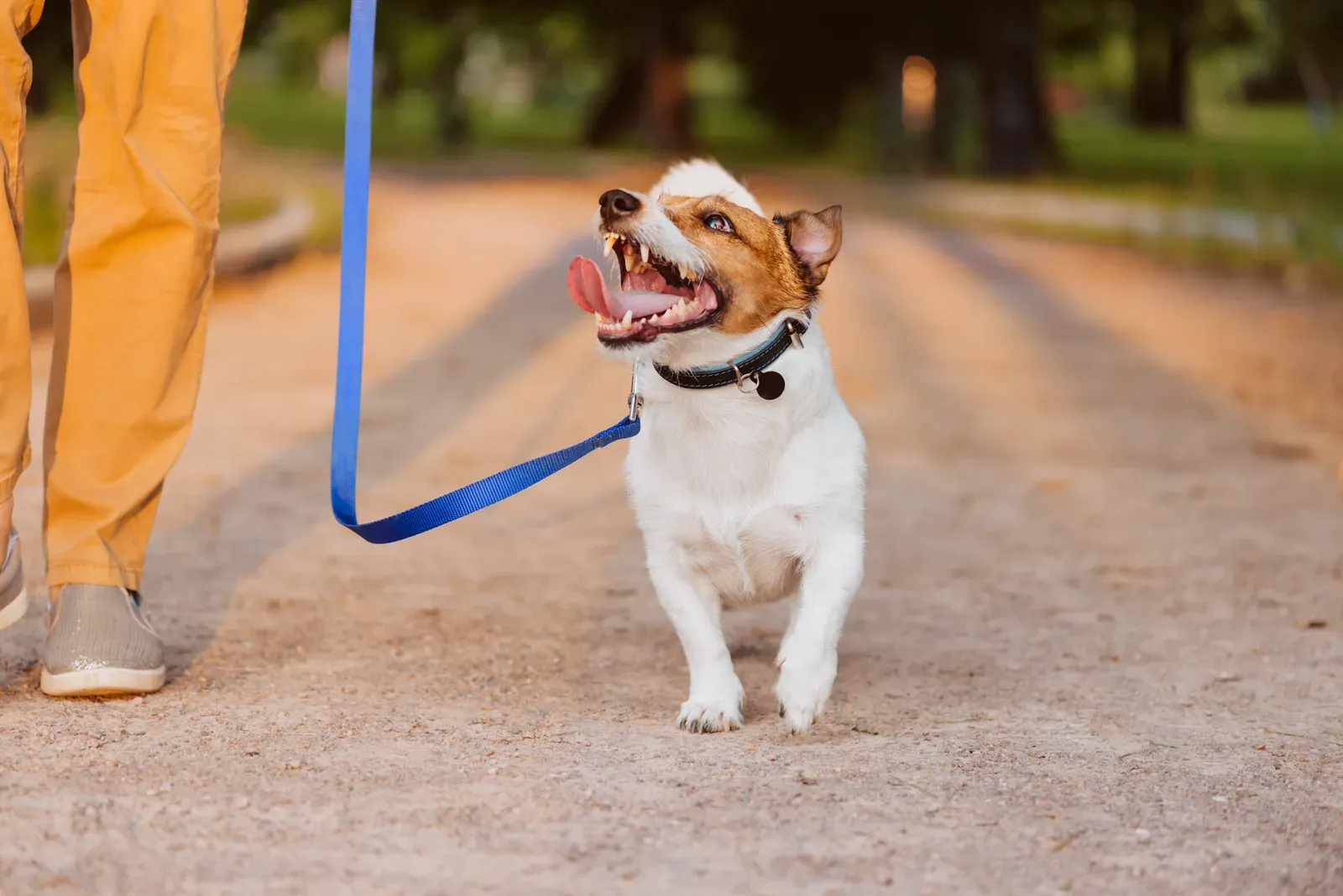
One-on-one coaching with you on the other end of the leash.
Includes a written weekly plan to work from
E · 3-week board & train
Functional Off-Leash
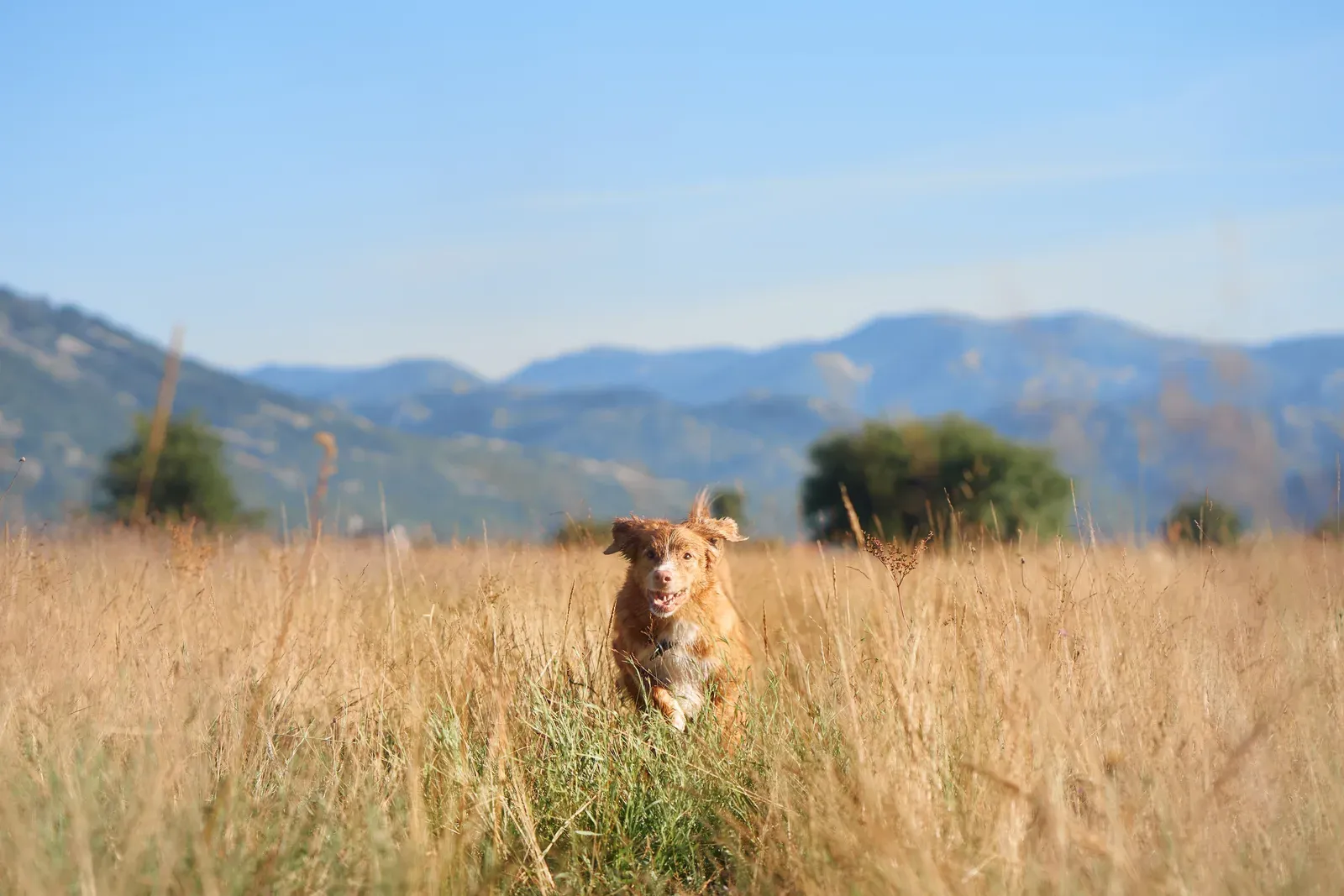
Everything in the on-leash program, then the next level: reliable off-leash recall even around distractions.
Includes handover lesson, follow-ups, Educator remote collar
SE · 4-week board & train
Advanced Off-Leash
The full four-week build: from functional foundations to advanced reliability in public environments and around higher-level distractions.
Includes handover lesson, 2 follow-ups, Educator remote collar
Asked and answered
The questions people ask us.
How long does e-collar training take?
Conditioning a dog properly to an e-collar takes about one to two weeks inside a program: teaching the skills first, then pairing the lowest perceptible level with known commands before distance or distraction ever increases.
Are e-collars legal and humane in Alberta?
They are legal in Alberta, and humane use is a function of conditioning and levels. Modern units start below human perception; our standard is the lowest level your specific dog notices, used as communication on skills the dog already knows.
Are prong collars cruel?
Fitted and used correctly, a prong distributes pressure more evenly than a flat collar on a hard-pulling dog. Cruel is any tool used with yanking, anger, or no teaching. We demonstrate proper fit and use before one ever goes home with you.
Can my dog be trained without any of these tools?
Many can. Food, play, and a slip lead cover a large share of dogs completely. Tools are matched to the dog and the goal; they are options in the box, not requirements of the method.
Keep reading
Ask us the hard tool questions.
The consultation is the right place for every e-collar and prong question you have. We answer straight.
From real owners
Rated 5.0 on Google.
Real Northline dogs