Breed guide
How to train a Pomeranian
A Pomeranian is a very small dog with no idea, and no interest in the idea, that it is small. That confidence is most of the charm and most of the trouble: the barking, the lunging at big dogs, the standoffs over brushing. The good news is that underneath the attitude sits a quick, trainable little dog. You just have to put it down first.
Last reviewed August 26, 2026
The honest picture
Small-dog syndrome is made, not born.
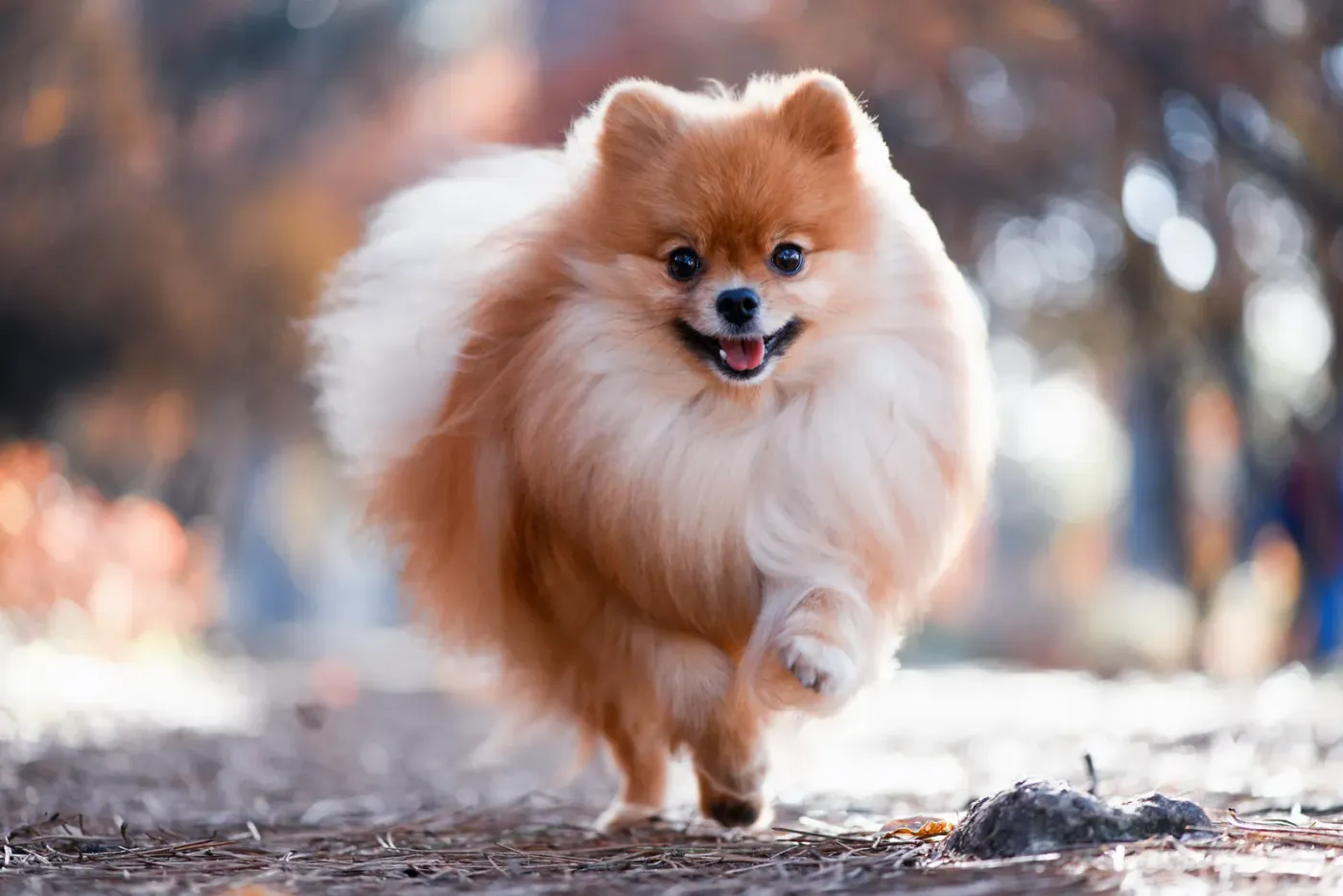
Most of what gets called a Pomeranian problem starts as a Pomeranian policy. The dog barks at the window and it works: someone comes. It lunges at a big dog and gets lifted into the air, which from the dog's side reads as backup arriving. Carried past every hard moment, a Pom never gets to practise being brave at ground level, so the attitude grows while the coping skills never do.
House training is the other early battle, and it is a fair fight only if you run a strict routine: out after every nap, meal and play session, with a reward on the spot for getting it right. Handling matters just as much. A Pom that will not tolerate brushing, nail trims or being examined becomes a dog that bites at the groomer, and that coat means grooming is a lifelong appointment.
- Attitude big, dog small
- Carrying skips the lesson
- House training needs a tight routine
- Groomer visits start at home
Training that sticks
Four paws on the ground changes everything.
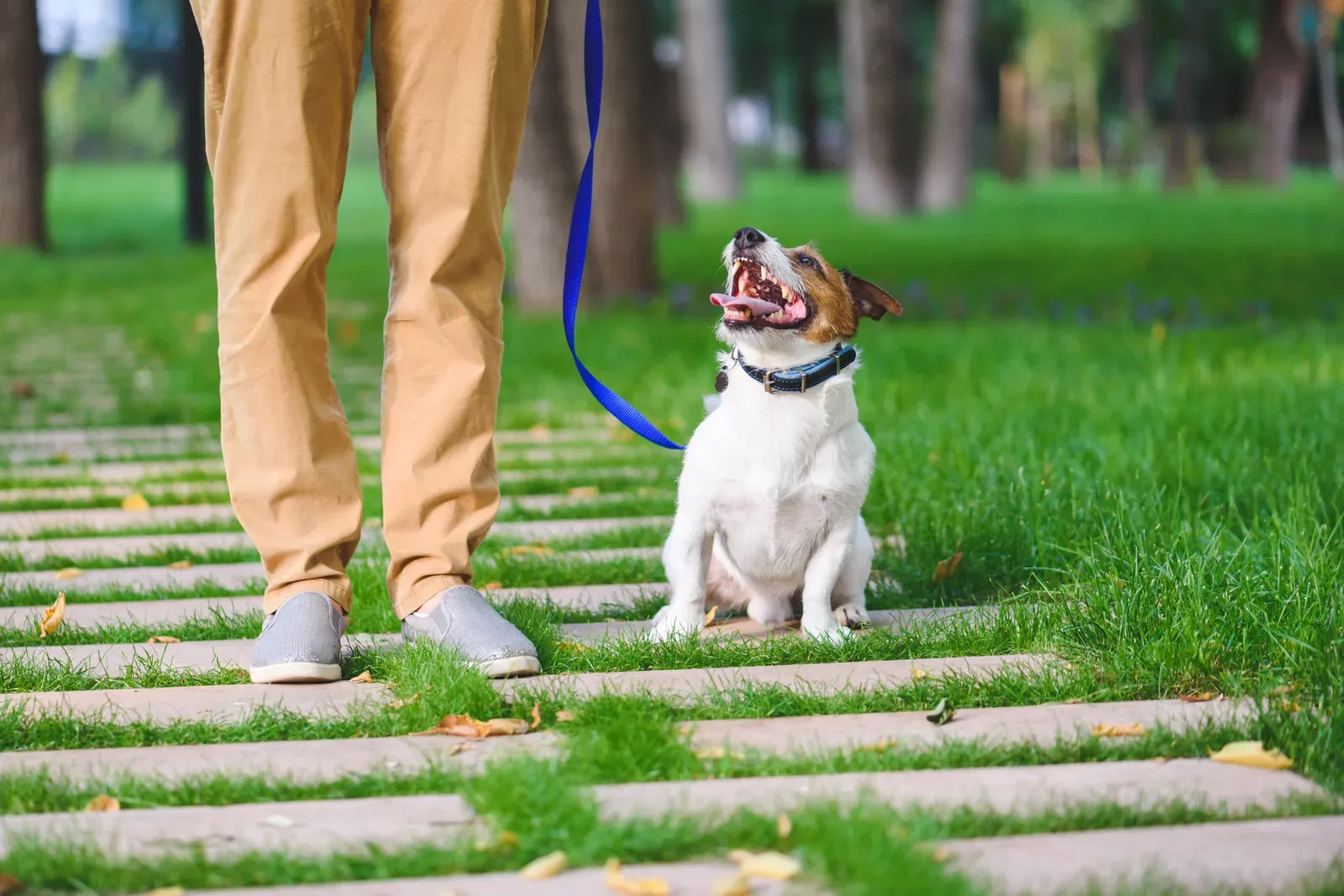
Poms learn fast with markers and tiny rewards, and they are far more capable than the lapdog label suggests: sit, down, place and a real leash walk are all within easy reach. The rule that matters most is simple: the dog walks, works and greets on its own feet. Reserve carrying for actual danger. Reward calm around big dogs at a distance the Pom can handle, and shrink that distance over weeks, not days.
The Calgary-specific catch is winter: a tiny dog in a long cold season gets carried more, walked less and taken outside as briefly as possible, which quietly undoes both house training and confidence. Keep the routine going in a coat, on cleared paths, all season. If the barking and big-dog lunging are already running the show, Private Training at $150 plus GST per one-hour session, with a written weekly plan, is the practical place to start.
The programs
Where this breed usually lands.
The programs below are the ones this breed most often needs; the consultation confirms it for your dog.
W · One-hour session
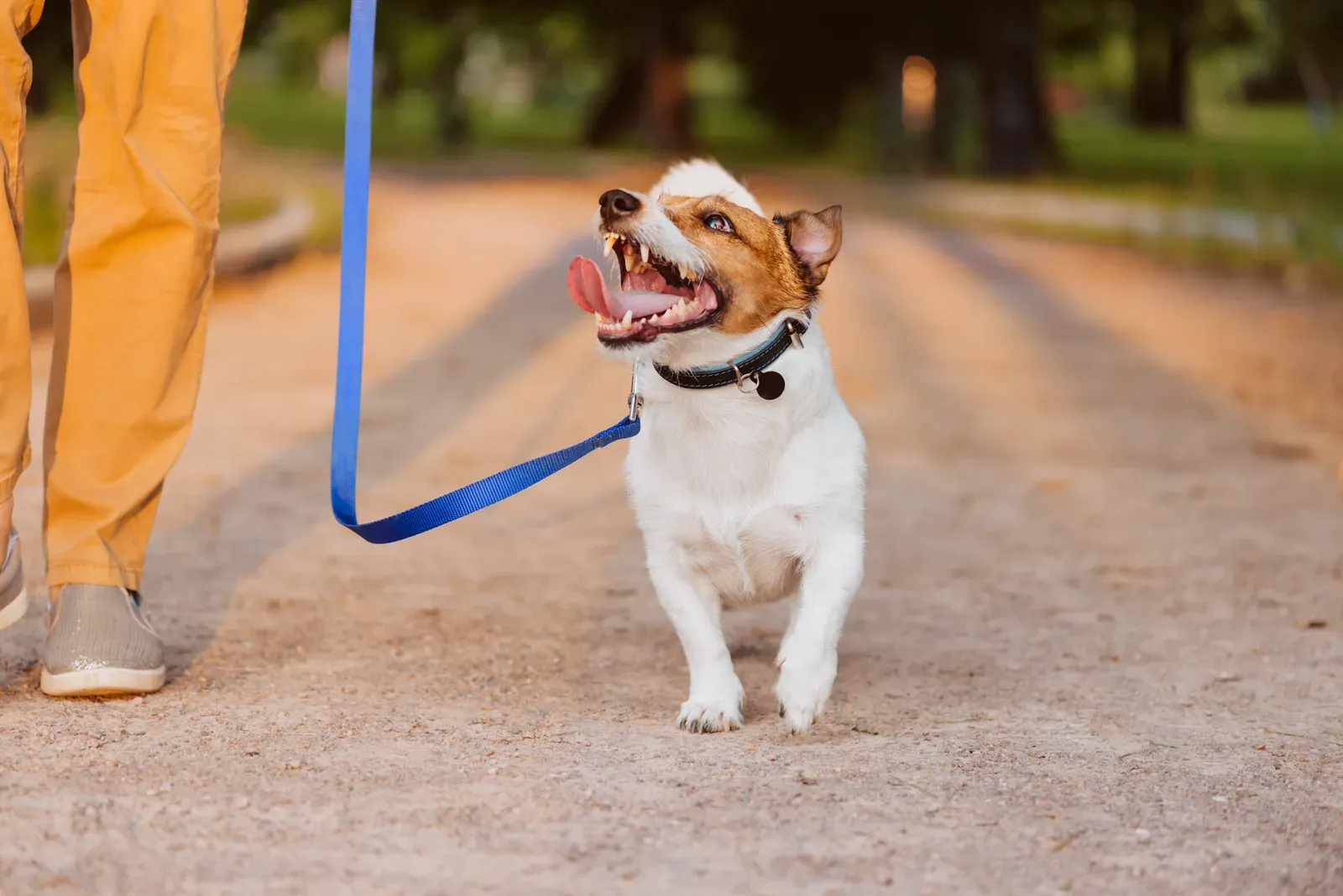
Private Training
One-on-one coaching with you on the other end of the leash.
Includes a written weekly plan to work from
N · 3-week board & train
Puppy Fundamentals
Your puppy's first months decide the habits of a lifetime.
Includes handover lesson, follow-up session, slip lead + collar
Asked and answered
The questions people ask us.
Are Pomeranians easy to train?
Genuinely yes, when training actually happens. Poms are quick, food-motivated and love to perform, but many owners never ask for more than cute. Treat yours like a working student and it will surprise you.
What Pomeranian behaviour problems should owners expect?
Barking, lunging at bigger dogs, slow house training and fussing over grooming are the classics. Almost all of them are practised habits rather than personality flaws, which is good news: practised habits can be retrained.
Where should Pomeranian puppy training start?
Start house training on day one with a strict schedule and the payoff delivered outside. Add daily handling of paws, ears and coat, plus short marker sessions for sit, down and coming when called. Let the puppy walk itself into new situations whenever it is safe.
Any Pomeranian training tips for barking?
Stop paying the barking: no scooping up, no shouting, no door drama. Reward quiet before the noise starts and give the dog a place command away from the window. Consistency from every person in the house is what actually turns the volume down.
Keep reading
Small dog, real training
Under all that noise is a quick, capable little dog. We will help you meet it. Book a consultation.
From real owners
Rated 5.0 on Google.
Real Northline dogs