
Breed guide
How to train a Great Dane
Nobody minds when a Great Dane puppy leans on them. Everybody minds when the lean weighs 150 pounds and arrives without warning. Danes are genuinely gentle dogs; the training problem is scale, not temperament, and the window to solve it is a puppyhood that lasts longer than most breeds' entire adolescence. Here is what to teach first, and how to do it without stressing growing joints.
Last reviewed August 26, 2026
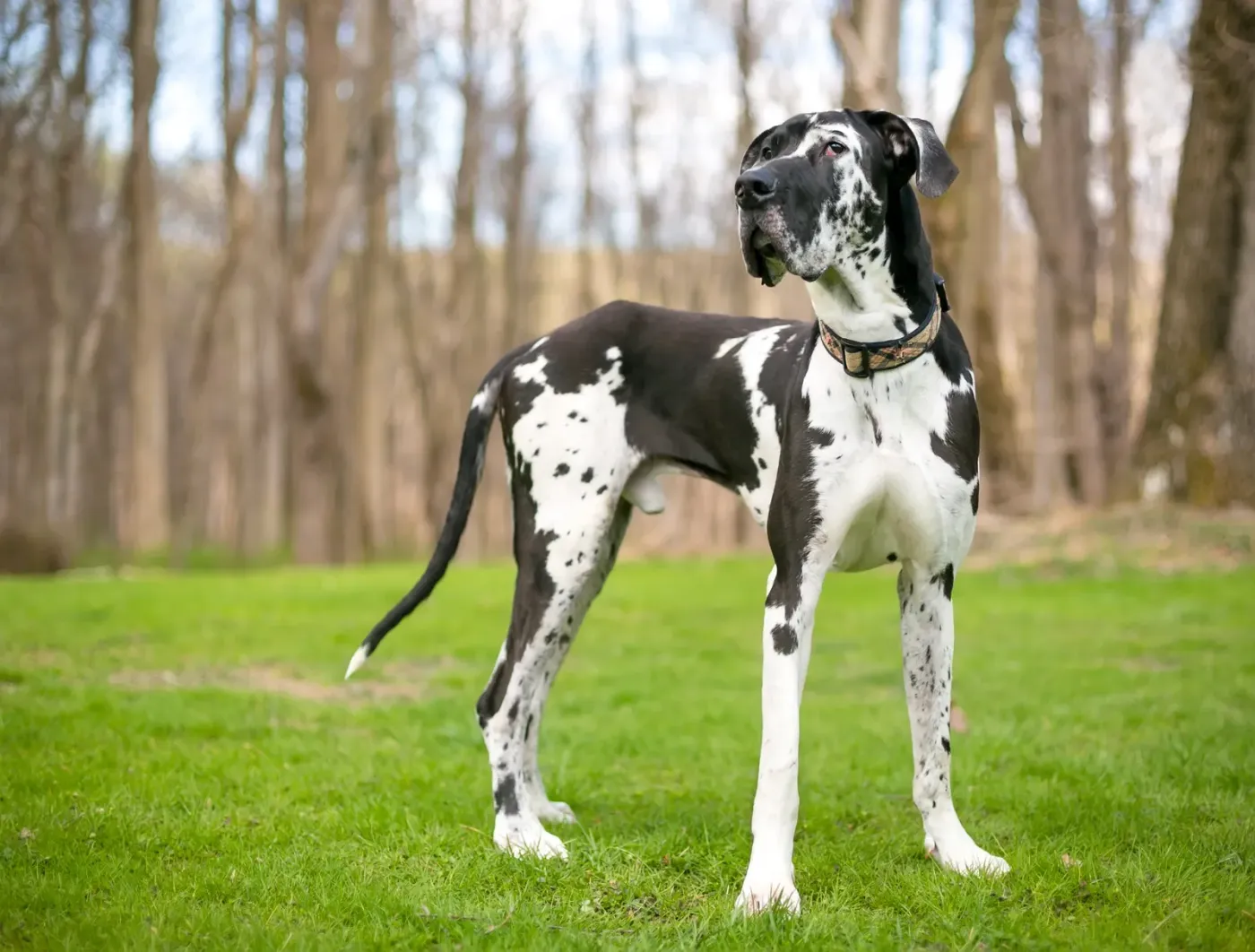
Scale changes everything
Gentle is not the same as trained.
The Dane behaviours that cause trouble are quiet ones. Leaning, which is affection until it pins a grandparent to the wall. Counter reach, which is not a jump but a head tilt, because the counter is simply at chin height. Door manners, because a Dane stepping out first is a Dane towing you across ice in January. None of this is misbehaviour by the dog's logic; it is just size.
The long puppyhood is the other defining fact. A Dane can look adult before its joints agree, so training has to stay joint-safe: no jump-heavy games, no repetitive stair drills, no forced running, just calm skill work on flat ground. The upside of the slow clock is time. The catch is that owners relax because the puppy is sweet, and sweet at 60 pounds becomes a management crisis at 150.
- Leaning replaced with place
- Counters off the menu
- Doorways on permission
- Joint-safe skill work
Teaching a giant
Start while the leash still wins.
We teach Danes with markers, food and patience, and we start manners at an age when other breeds are still being forgiven. Loose-leash walking is the priority skill, taught on a slip lead with rewards for slack, because no adult can out-muscle a determined Dane. Place solves leaning and door chaos in one move: the dog has a spot, the spot pays, and greetings happen on four feet.
Counter reach is handled by rule, not luck: nothing rewarding ever lives at chin height while the habit is being broken, and the dog earns a paid alternative. The expensive mistake is waiting until the dog is full-grown to take training seriously. For most Danes the right fit is Puppy Fundamentals at $2,775 plus GST early, or On-Leash Foundations at $1,865 for the adolescent who already outweighs the handler's patience.
The programs
Where this breed usually lands.
The programs below are the ones this breed most often needs; the consultation confirms it for your dog.
W · One-hour session
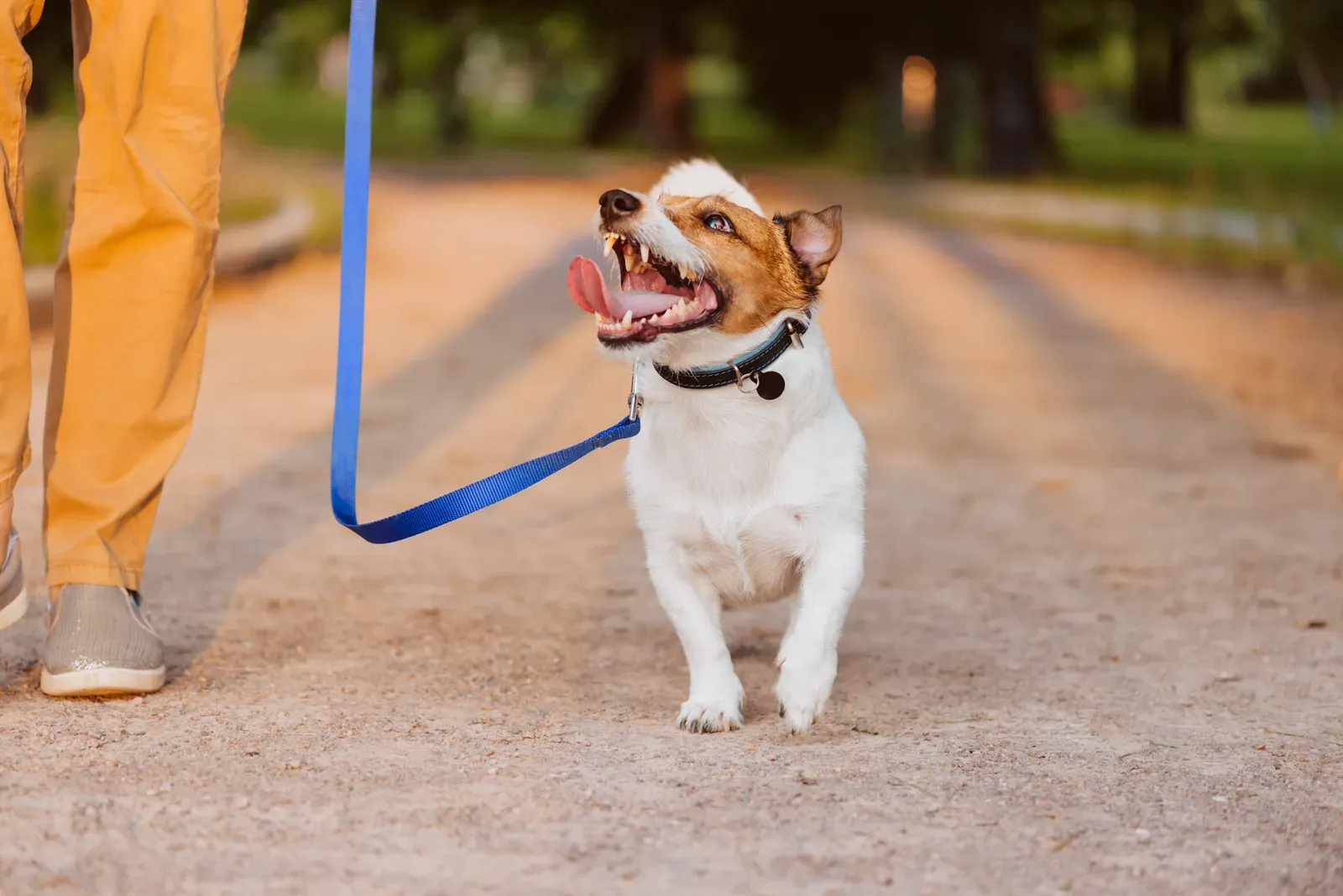
Private Training
One-on-one coaching with you on the other end of the leash.
Includes a written weekly plan to work from
NE · 2-week board & train
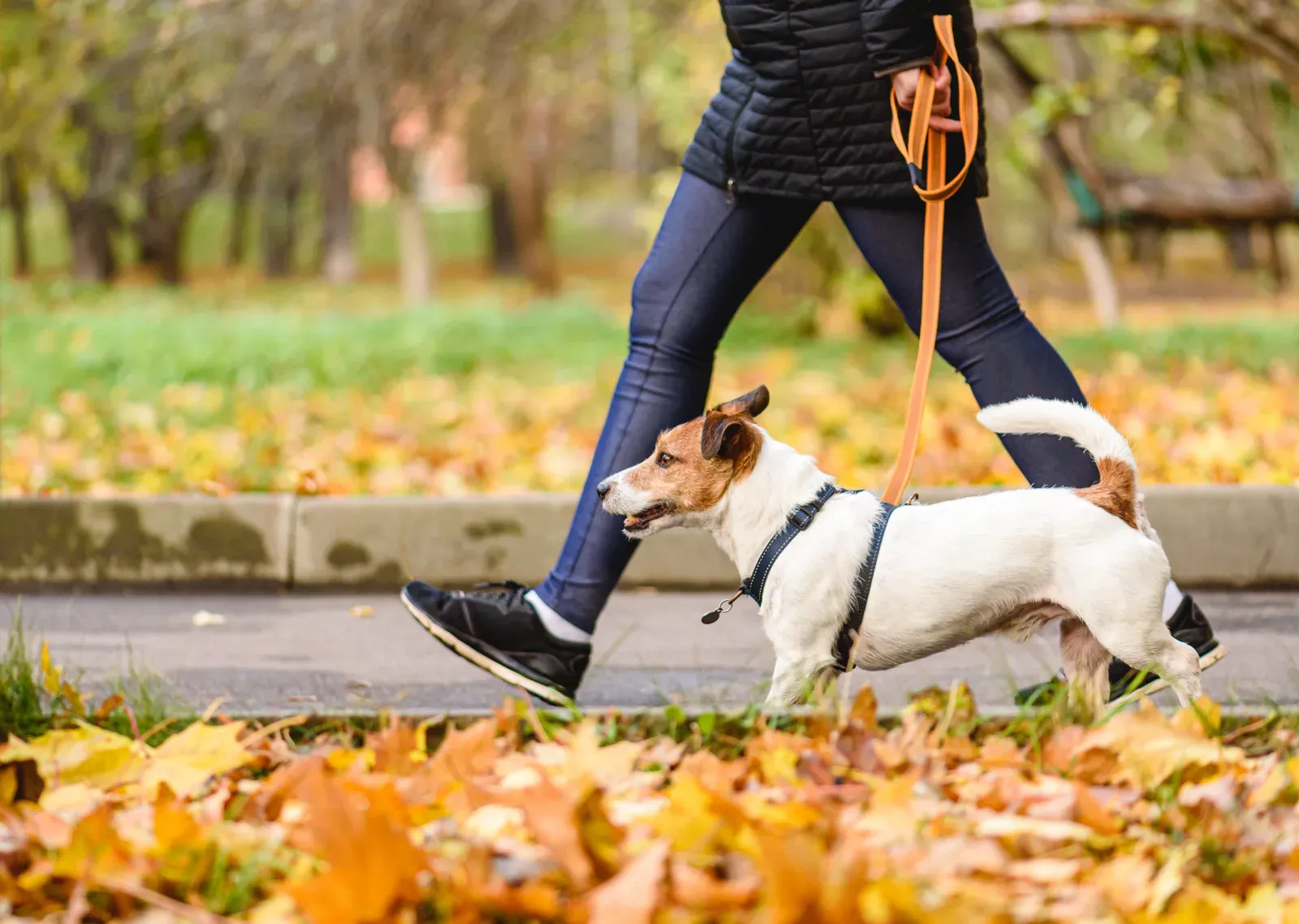
On-Leash Foundations
If every walk is a wrestling match, pulling, barking, zig-zagging, this two-week program rebuilds the walk from the ground up with foundational on-leash obedience..
Includes handover lesson, follow-up session, lifetime support, slip lead + collar
Asked and answered
The questions people ask us.
Are Great Danes easy to train?
Temperament-wise, yes: they are gentle, people-oriented and food-motivated. The difficulty is purely logistical, because mistakes that are cute in small breeds are unmanageable at this size. Train early and the breed is genuinely easy company.
When should Great Dane puppy training start?
The week the puppy comes home. Leash manners, place, door rules and calm greetings all need to be habits before the growth spurt, not after. Keep sessions short and joint-safe throughout the long puppyhood.
What are common Great Dane behaviour problems?
Leaning on people, reaching onto counters, crowding doorways and pulling on leash. Almost none of it is defiance; the dog is simply living at human furniture height. Each one has a trained alternative that pays better.
Any Great Dane training tips for leash pulling?
Teach slack as the only position that moves the walk forward, and pay it often, starting long before the dog is strong enough to argue. A slip lead used properly gives clear, gentle information. If the dog already outweighs you, get one-on-one help rather than better gloves.
Keep reading
Train the giant early
Manners installed before 150 pounds arrives. One-on-one, joint-safe, built for Danes. Book a consultation.
From real owners
Rated 5.0 on Google.
Real Northline dogs