
Breed guide
How to train a Cocker Spaniel
A Cocker Spaniel wants two things: your approval and whatever that smell is. The sweetness is real, and so is the sensitivity underneath it, which is why heavy-handed training breaks this breed faster than almost any other. This guide covers what Cockers are honestly like to live with, the problems some lines carry, and a training approach built on gentle clarity.
Last reviewed August 26, 2026
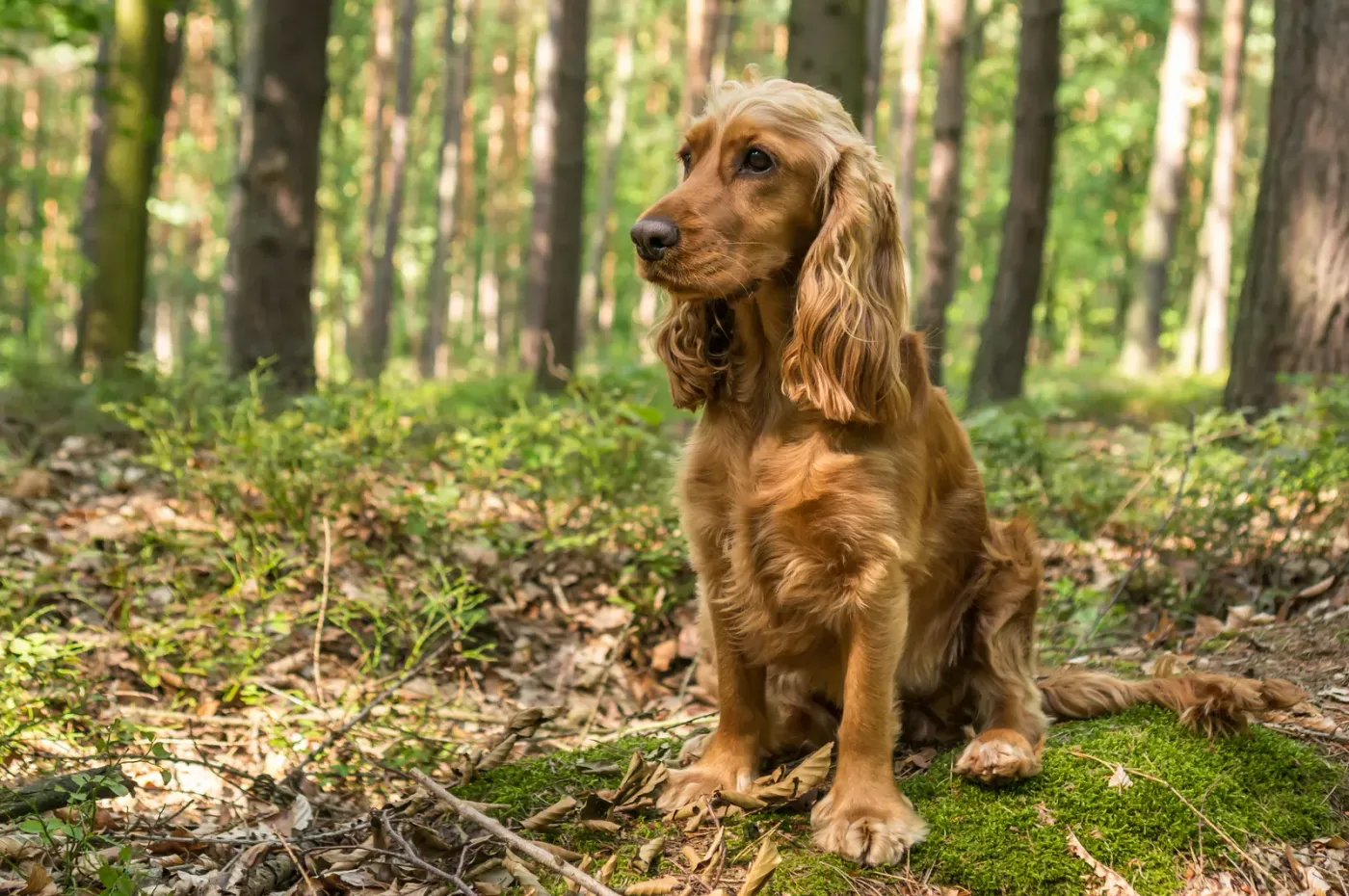
Soft dog, strong nose
The nose votes first and the heart bruises easily.
A Cocker's world arrives through its nose. On walks, the ground outranks you: the dog hits a scent line and leans into the leash like a small tractor. That is not stubbornness, it is a flushing spaniel doing the job it was bred for. Between smells you get a soft, people-oriented dog that watches your face, reads your tone, and takes even a sharp word personally.
Two problems deserve honest mention. Some lines carry resource guarding, a Cocker that freezes over a chew or a stolen sock, and it escalates if you respond with force. Submissive urination is the other: an excited or slightly worried Cocker greets you and leaks, and scolding makes it dramatically worse. Neither one means a bad dog. Both mean your response matters more than the mistake itself.
- Pulling hard toward smells
- Guarding chews or socks
- Leaking during excited greetings
- Wilting under harsh corrections
Gentle and clear
Low pressure, high clarity, and the nose on payroll.
We train Cockers with markers, food and a calm voice, and we put the nose to work instead of fighting it. Loose-leash walking is taught as a pattern: sniffing happens on release, walking happens at your side, and the dog learns both pay. For guarding, we build trades early, so a person approaching the bowl means something better arrives. For greetings, everyone stays boring until the bladder grows up.
The mistake Cocker owners make is volume: repeating commands louder at a dog that heard you the first time and folded. Say it once, help the dog succeed, reward generously. Calgary's river valleys are a scent buffet in every season, which makes leash skills worth training before ambition, not after. Most Cockers thrive in On-Leash Foundations, a 2-week board and train at $1,865; established guarding is a Behaviour Rehab conversation.
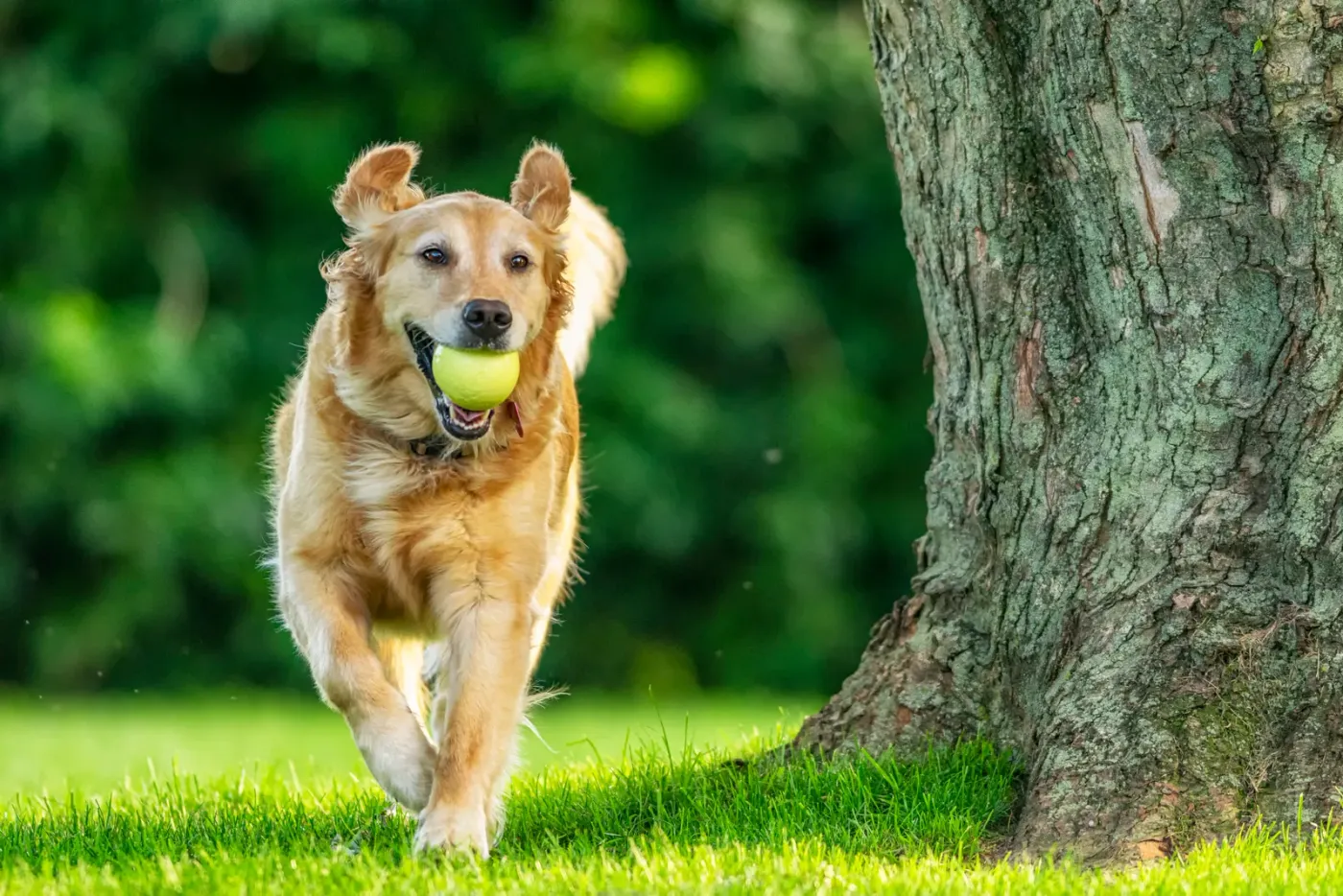
The programs
Where this breed usually lands.
The programs below are the ones this breed most often needs; the consultation confirms it for your dog.
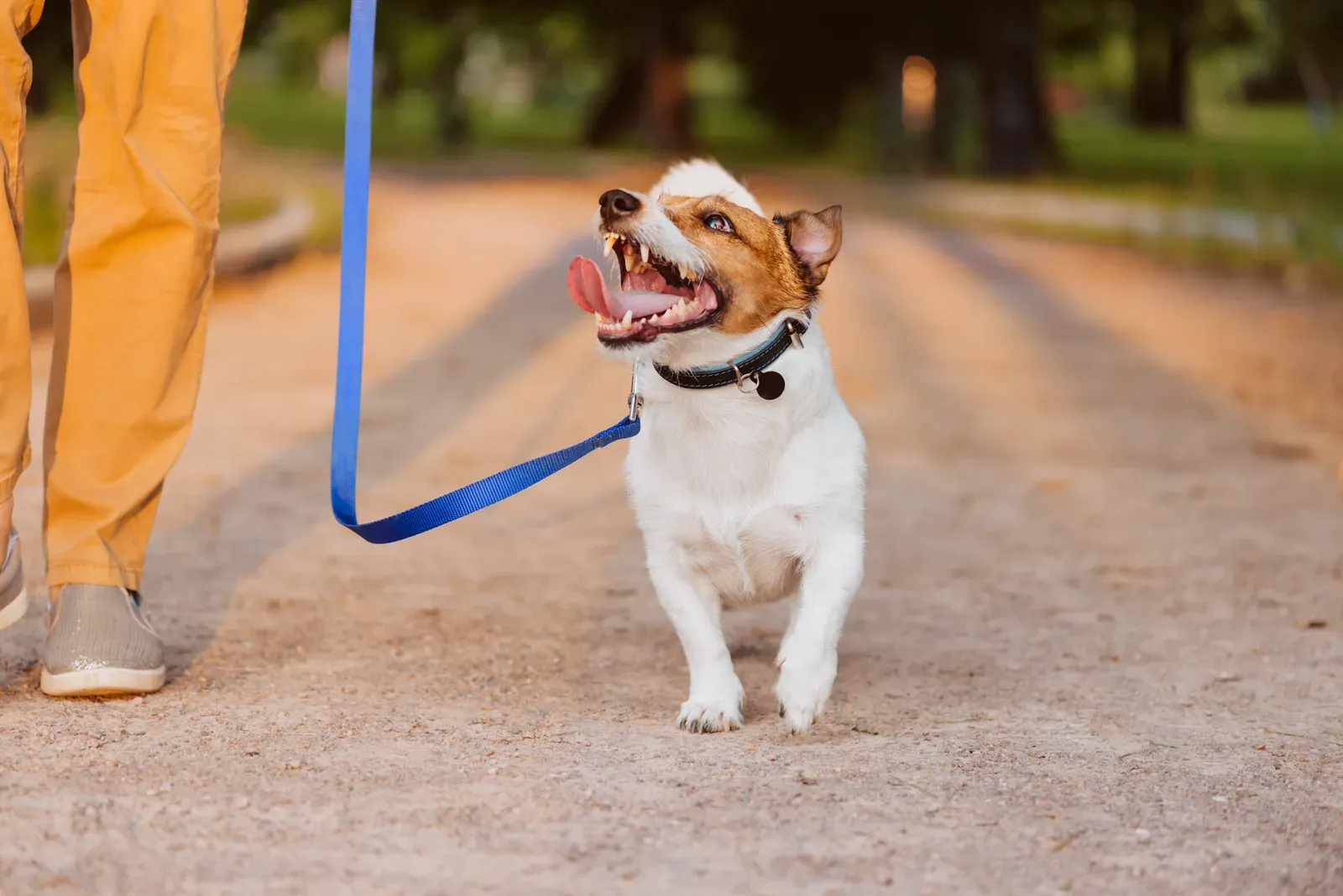
W · One-hour session
Private Training
One-on-one coaching with you on the other end of the leash.
Includes a written weekly plan to work from

NE · 2-week board & train
On-Leash Foundations
If every walk is a wrestling match, pulling, barking, zig-zagging, this two-week program rebuilds the walk from the ground up with foundational on-leash obedience..
Includes handover lesson, follow-up session, lifetime support, slip lead + collar
Asked and answered
The questions people ask us.
Are Cocker Spaniels easy to train?
Yes, if you are gentle and consistent; no, if you rely on pressure. They read handlers closely and repeat whatever earns warmth. The challenge is rarely learning speed, it is keeping the dog's confidence intact while you proof around smells.
What are the best Cocker Spaniel training tips?
Keep sessions short and upbeat, let sniffing be a reward you grant rather than a battle you lose, and trade for anything the dog picks up instead of grabbing it. Skip harsh corrections entirely. A Cocker that trusts your hands learns noticeably faster.
How should Cocker Spaniel puppy training start?
Start with calm greetings, food trades around chews and bowls, and easy leash patterns before the nose takes charge. Gentle handling of ears and paws matters for a breed that will be groomed for life. Puppy Fundamentals, our 3-week board and train at $2,775, lays that groundwork one-on-one.
What are common Cocker Spaniel behaviour problems?
Pulling toward scent, submissive urination during greetings, and resource guarding in some lines are the main three. The first two respond quickly to management and reward-based patterns. Guarding deserves a proper assessment, since it worsens under confrontation.
Keep reading
Help for your gentle spaniel
Tell us about the pulling, the puddles or the guarding and we will map an honest plan. Book a consultation.
From real owners
Rated 5.0 on Google.
Real Northline dogs