
Breed guide
How to train a Cavalier King Charles Spaniel
Cavaliers are the rare breed whose biggest training problem is love. They attach hard, follow you between rooms, and can fall apart when left alone. Add slow house training, a spaniel's eye for birds, and a temperament that wilts under harsh handling, and the path is clear: soft methods, real structure, and alone-time skills taught on purpose.
Last reviewed August 26, 2026

The breed at home
Bred for laps, wired for company.
A Cavalier's default setting is proximity. They are gentle, easy in the hands, and genuinely people-focused, which makes them lovely to live with and vulnerable when routine breaks. Separation anxiety is the breed's signature problem: the whining, scratched doors and accidents that show up the first week you go back to the office. House training itself tends to run slower than owners expect, so a tight schedule and honest supervision matter more here than with most small breeds.
Then there is the spaniel underneath the silk. Cavaliers were built from bird dogs, and it shows the moment a sparrow lifts off the path: the ears come up, the leash goes tight, and your gentle lap dog is suddenly a hunter with no plan. Adolescence brings a bolder version of this, plus selective hearing outdoors. None of it is defiance. It is a soft dog with real instincts, and both halves need to be trained.
- Soft dog, soft methods
- Alone-time skills from day one
- Patient, scheduled house training
- Birds beat recall outdoors
Gentle and clear
Clarity is kinder than correction.
Everything starts with markers and food, delivered cheerfully and quit while the dog still wants more. Cavaliers shut down under sharp corrections, so pressure stays feather-light and the information stays clear: one cue, one meaning, paid every time in the early stages. Alone-time training is a skill, not an afterthought: brief, boring absences behind a baby gate, built up before life forces the issue. Crate comfort and a predictable daily rhythm carry most of the load.
The common mistakes are predictable: carrying the dog past every hard thing, skipping leash skills because the dog is small, and treating clinginess as cute until it becomes panic. Calgary makes the bird problem constant, because magpies work every block of every neighbourhood in every season. Keep walks on leash and pay heavily for check-ins. For most Cavaliers, Puppy Fundamentals at $2,775 plus GST or Private Training at $150 per session is the right fit; entrenched separation anxiety belongs in Behaviour Rehab.
The programs
Where this breed usually lands.
The programs below are the ones this breed most often needs; the consultation confirms it for your dog.
W · One-hour session
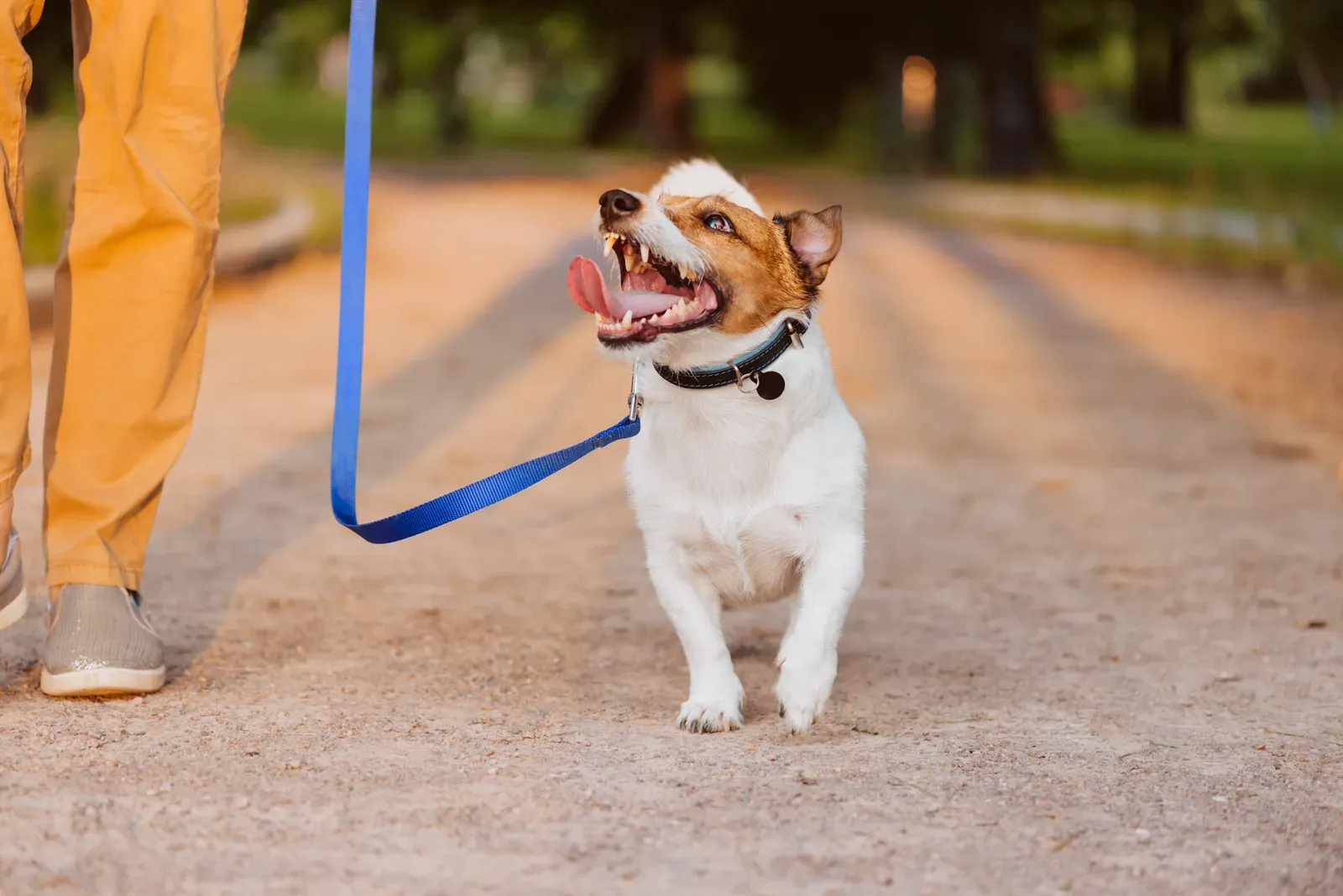
Private Training
One-on-one coaching with you on the other end of the leash.
Includes a written weekly plan to work from
N · 3-week board & train
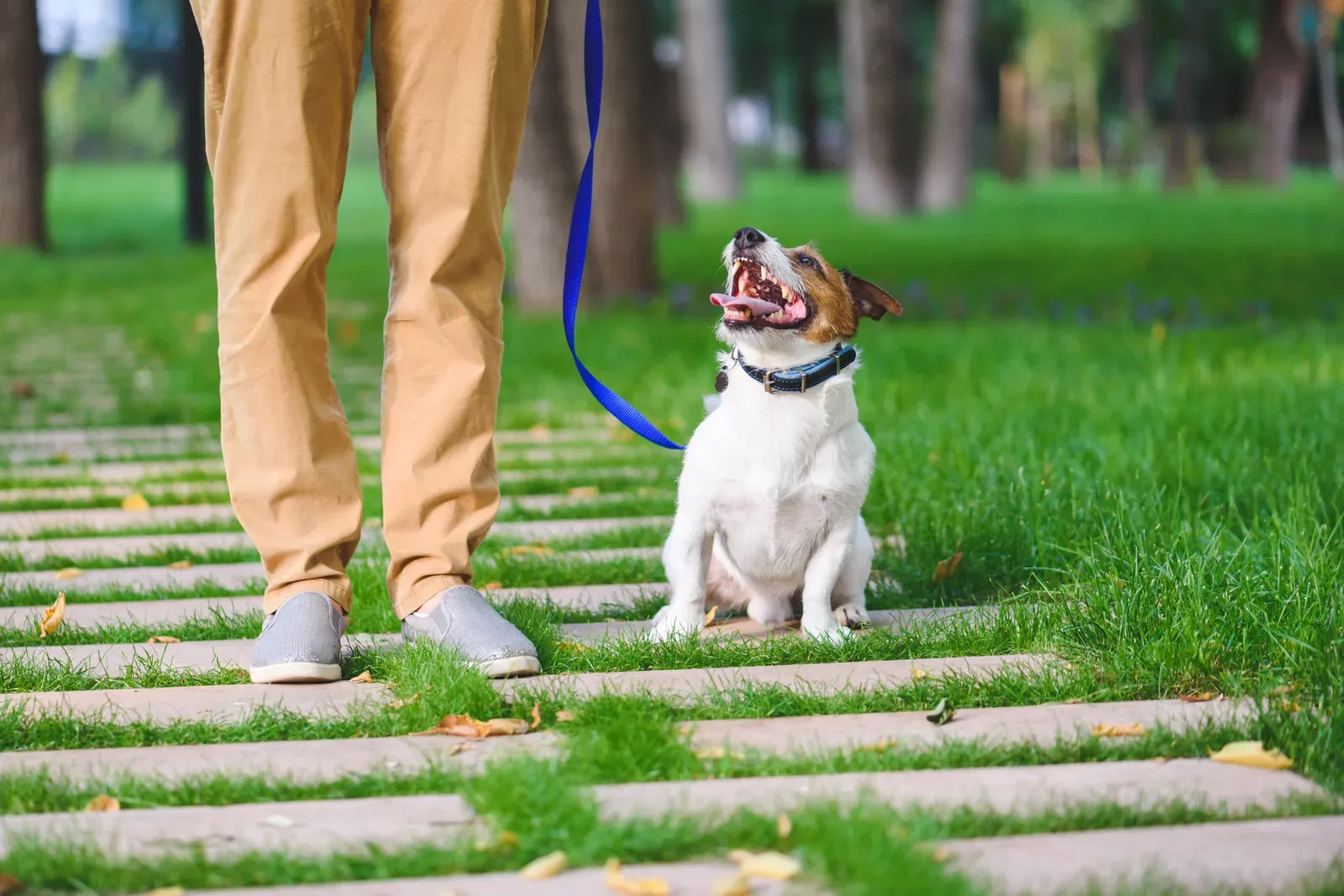
Puppy Fundamentals
Your puppy's first months decide the habits of a lifetime.
Includes handover lesson, follow-up session, slip lead + collar
Asked and answered
The questions people ask us.
Are Cavalier King Charles Spaniels easy to train?
In most ways, yes: they are gentle, people-focused and keen to be near you, which makes rewards powerful. The exceptions are house training, which runs slow, and time alone, which they find genuinely hard. Soft, consistent methods get the best of them.
What should Cavalier King Charles Spaniel puppy training cover?
Three things before anything fancy: a strict house training schedule, daily alone-time practice in a crate or pen, and calm exposure to the world. Add name response and loose-leash basics and you have covered the breed's real risks. Formal obedience can wait until those are solid.
What are common Cavalier King Charles Spaniel behaviour problems?
Separation distress leads the list: crying, scratching at doors and accidents when left. House training lapses and bird chasing on walks round it out. None of it is stubbornness; it is attachment and instinct, and both respond to structured training.
What are your best Cavalier King Charles Spaniel training tips?
Keep it soft and short: mark, pay, and quit while the tail is still up. Practise brief absences daily, even when you have nowhere to go. On walks, reward check-ins early and often, because you are always competing with birds.
Keep reading
Soft dog, solid plan
Book a consultation and tell us about the crying at departures or the birds on walks. We will build the gentle plan.
From real owners
Rated 5.0 on Google.
Real Northline dogs