
Breed guide
How to train a Mastiff
Everything about Mastiff training is a race against the growth chart. Habits a puppy practises, pulling, jumping on visitors, guarding the front window, soon arrive at a size no one can wrestle. The breed is calm, watchful and deeply attached to its household, which makes it wonderfully trainable early and genuinely hard to retrofit later. Start before the leash becomes a tow rope.
Last reviewed August 26, 2026
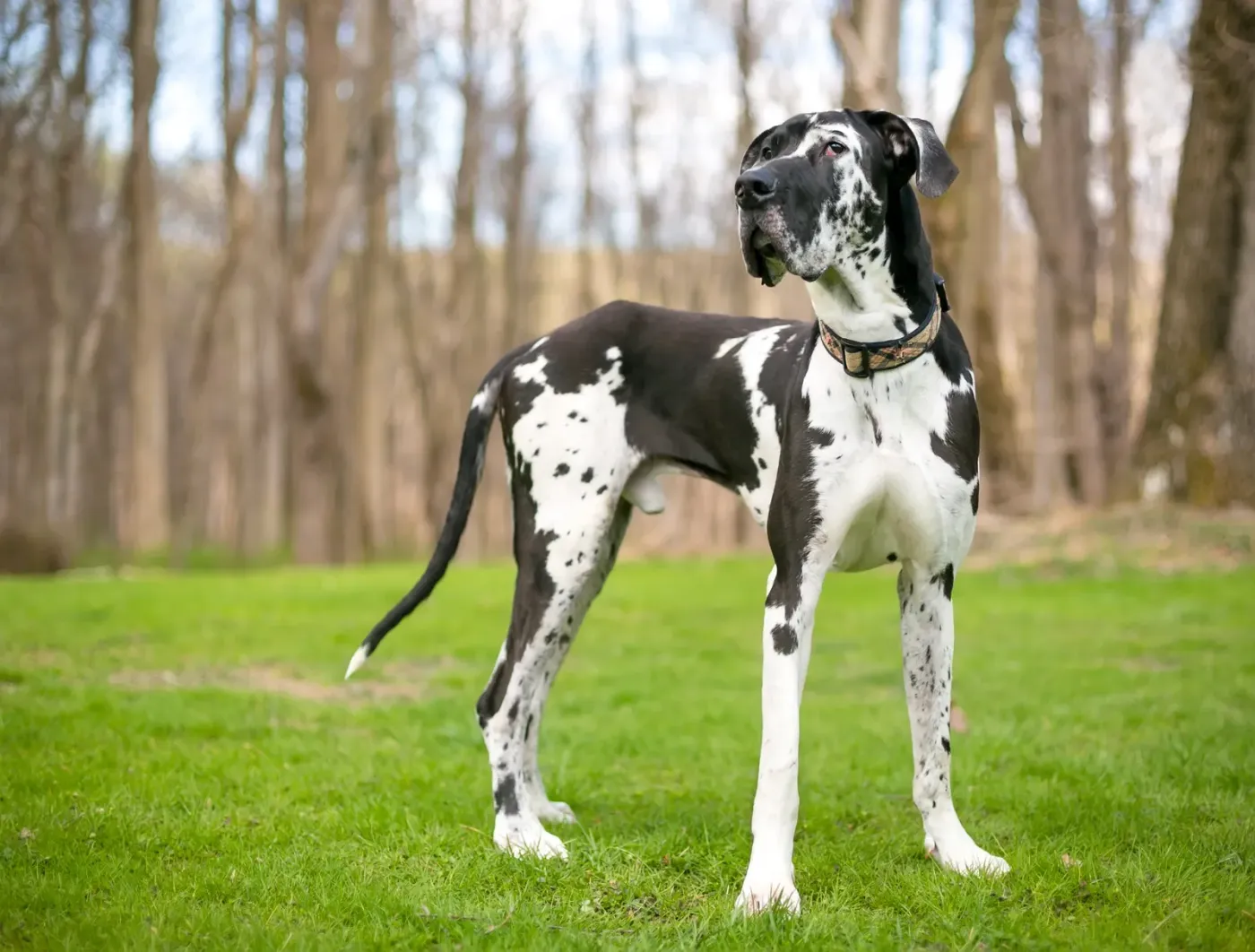
The giant reality
Calm, watchful, and heavier than you.
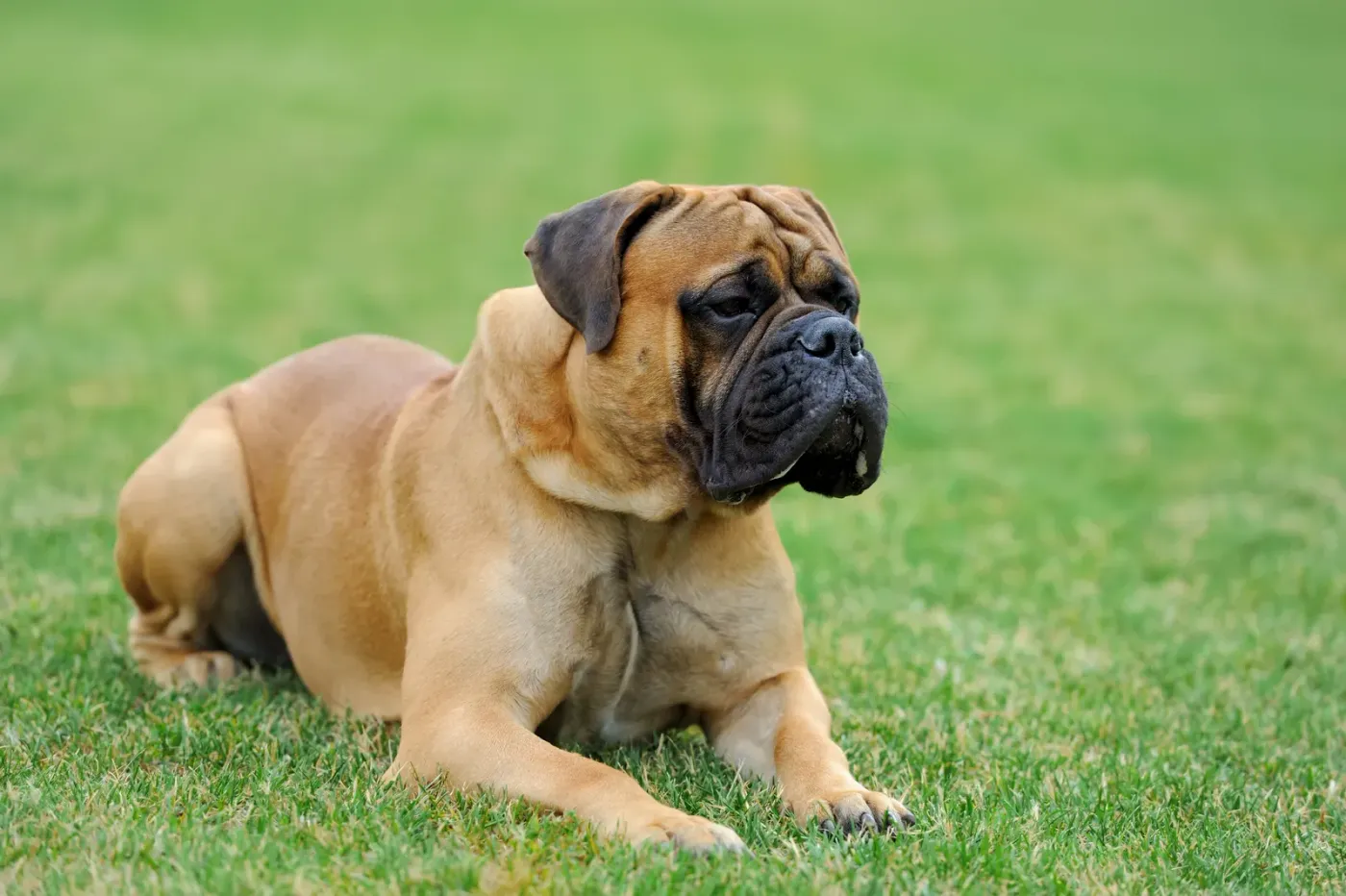
Day to day, a Mastiff is one of the easier breeds to share a house with: low energy indoors, quiet, content to hold down a corner of the living room. The catches are physical. Drool arrives with every drink and every warm day, so towels live by the door. Heat management is a real chore, because that mass and that muzzle do not shed warmth well; summer walks move to mornings and shade, and hard exercise waits for cool weather.
The protective instinct is quieter than most people expect. A Mastiff rarely blusters; it positions. It parks itself between you and the stranger, watches the door, and decides for itself who belongs. Adolescence is when the deciding starts, and an adolescent who has never been shown the house rules will write his own visitor policy. That policy usually involves his body in the doorway. Nothing about it is aggression yet, but it is the fork in the road.
- Leash manners before full size
- Door and visitor protocols
- Drool and heat management
- Calm, deliberate, protective
Training a giant
Teach the puppy the adult needs.
Leash manners come first, before everything else, because a full-grown Mastiff who pulls is not a training problem, it is a safety problem. We teach loose-leash walking with food and a marker while the dog is small, then proof it as the body grows. Place work gives the door its script: visitor knocks, dog goes to place, dog stays there until released. Rehearse it with calm guests before you need it with excited ones.
The classic mistakes: skipping training because the puppy is mellow, wrestling instead of teaching, and socializing only within the family until watchfulness hardens into suspicion. Slow is fine; a Mastiff thinks before it complies. Calgary's long cool season actually suits a heavy build; it is the short hot stretch that needs planning. Most Mastiffs land in Puppy Fundamentals at $2,775 plus GST or On-Leash Foundations at $1,865; guarding that has tipped into lunging is a Behaviour Rehab conversation.
The programs
Where this breed usually lands.
The programs below are the ones this breed most often needs; the consultation confirms it for your dog.
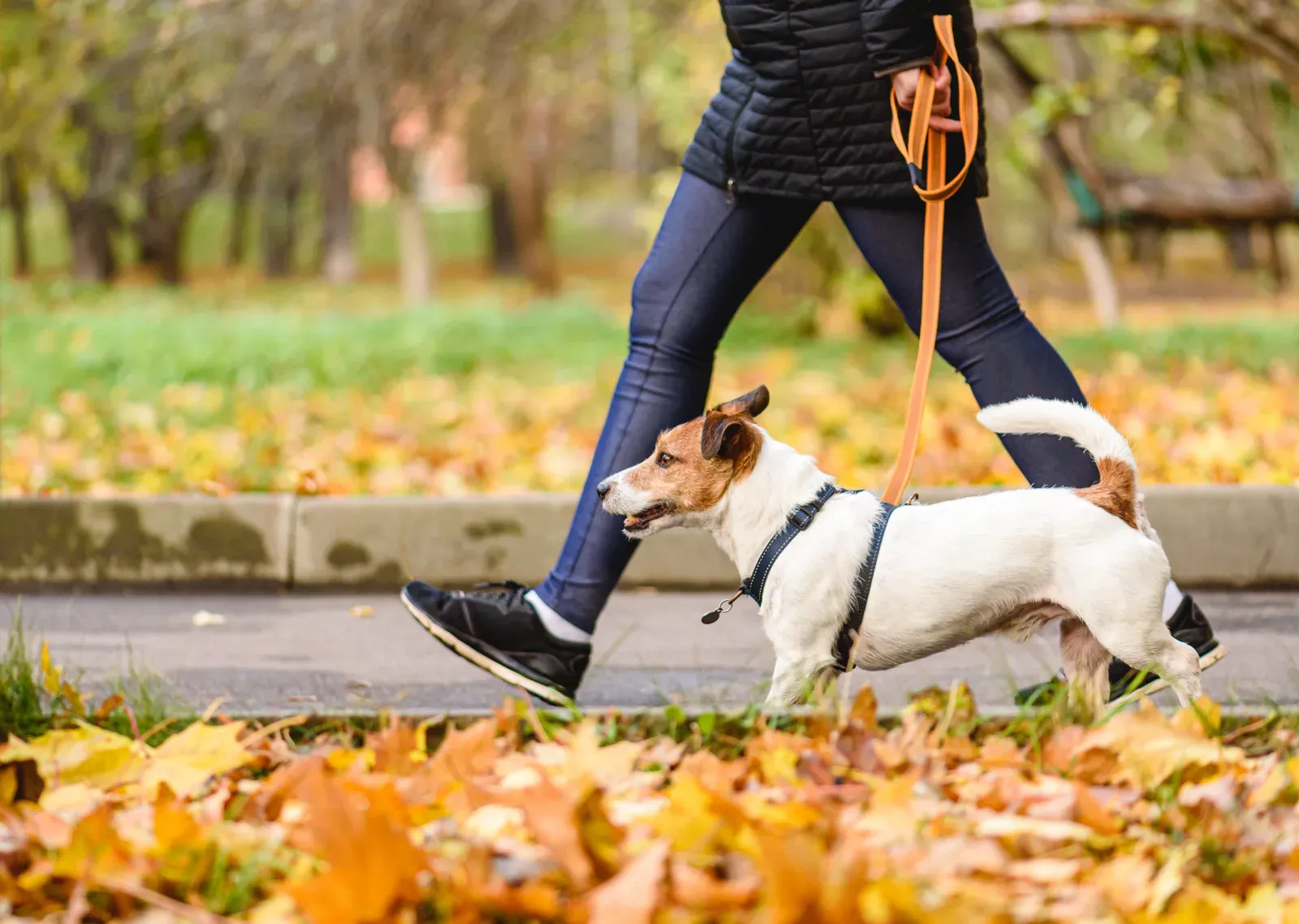
NE · 2-week board & train
On-Leash Foundations
If every walk is a wrestling match, pulling, barking, zig-zagging, this two-week program rebuilds the walk from the ground up with foundational on-leash obedience..
Includes handover lesson, follow-up session, lifetime support, slip lead + collar
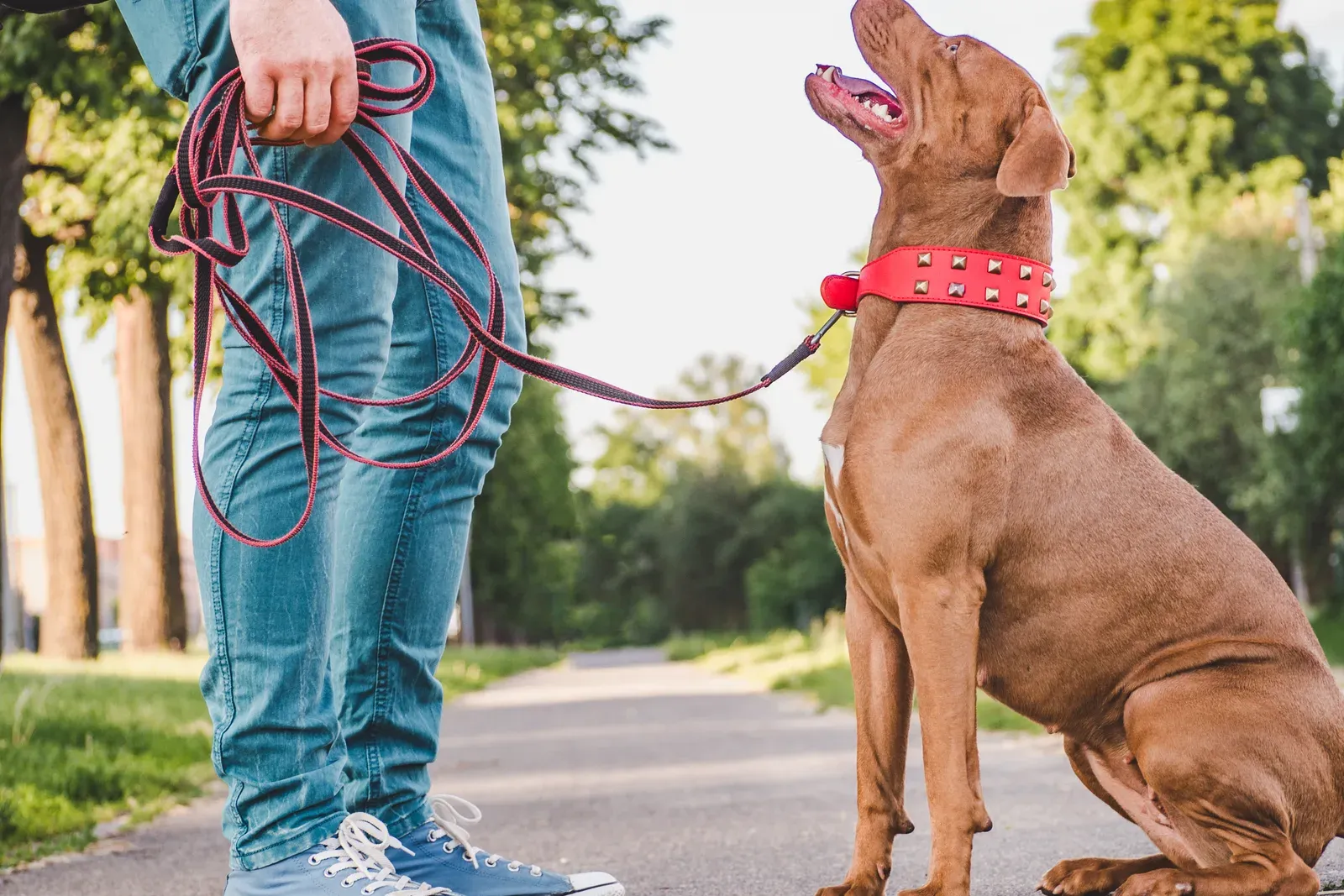
S · 5–6 week board & train
Behaviour Rehab
Kaitlin's specialty, and the work she loves most.
Includes assessment-built plan, 2 follow-ups, deep owner education
Asked and answered
The questions people ask us.
Are Mastiffs easy to train?
Willing, yes; fast, no. A Mastiff thinks before it complies, resents being rushed, and cannot be forced anywhere once grown, so early reward-based work matters more than with almost any other breed. Train the puppy properly and the adult is easy.
When should Mastiff puppy training start?
The week the puppy comes home. Leash manners, handling and calm greetings must be solid before the dog reaches full size, because habits are much harder to change once there is serious weight behind them. Waiting for maturity is the most expensive mistake Mastiff owners make.
What are common Mastiff behaviour problems?
Pulling on leash at a size nobody can hold, crowding or blocking the door when visitors arrive, jumping in greeting, and suspicion of strangers when socialization was thin. Most are prevention problems. A door protocol and early leash work head off nearly all of them.
What are your top Mastiff training tips?
Teach place and use it for every knock at the door. Reward calm like it is a trick, because for an adolescent Mastiff it is. Keep sessions short and cool, skip midday heat, and let the dog think; the pause before compliance is the breed, not defiance.
Keep reading
Big dog, bigger head start
Book a consultation before the growth chart wins. We will plan leash skills, door manners and the calm your giant was built for.
From real owners
Rated 5.0 on Google.
Real Northline dogs