Calgary dog life
Winter paw care in Calgary
Calgary winters are hard on feet. Sidewalks get salted, pathways get gravelled, snow packs into ice between the toes, and the dry cold splits pads that were soft in October. Most dogs will not tell you until they stop mid-walk and hold up a foot. What follows is the routine we use to keep dogs walking through January, plus how to teach a dog that boots are not a personal insult.
Last reviewed August 26, 2026
Salt and ice
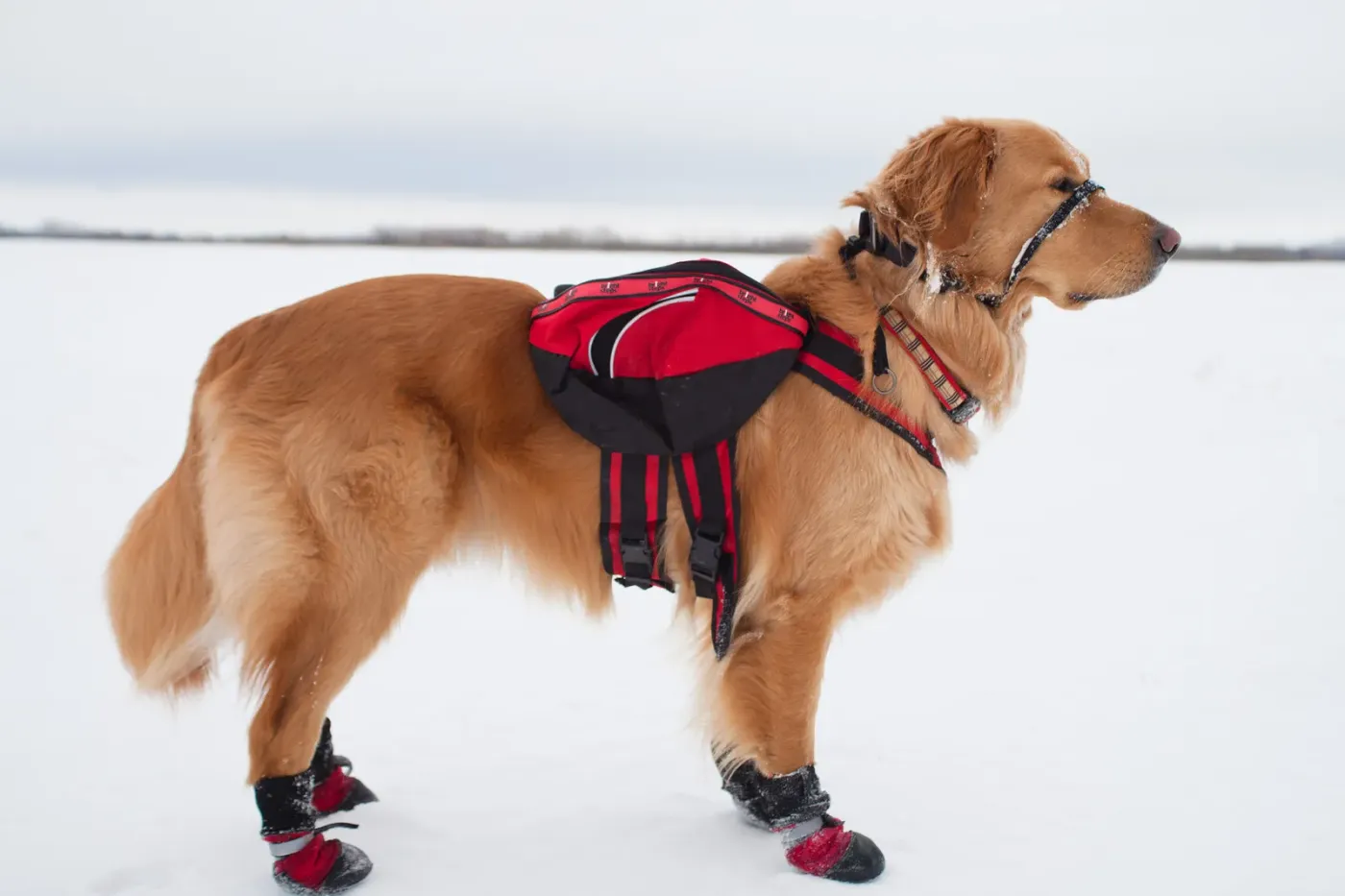
What a salted sidewalk does to a dog's feet by February.
Road salt and de-icer are the quiet damage. They dry the pads, sting any small crack, and a dog that licks its feet clean at home eats it too. Ice is the loud damage. Snow melts against warm skin, refreezes into hard balls between the toes and spreads them apart with every step, so the dog limps on one foot, then the other. And the cold itself: a deep cold snap with wind chill dries pads that are thin until they crack.
The signs are easy to miss because dogs hide them. Watch for the sudden stop and lifted paw, a dog that walks on the snow instead of the cleared path, licking or chewing feet after walks, a red tinge between the toes, pale patches on the pad, and cracks you can see when you press the pad open. A dog that starts refusing the front step on cold mornings is not being stubborn. Check the feet before you decide anything else.
- Sudden stop, paw held up
- Licking feet after every walk
- Choosing snow over the sidewalk
- Visible cracks in the pad
The routine
Rinse, trim, balm and boots, plus a note on collars in the cold.
After every walk on a salted route, rinse the feet in a bowl of lukewarm water by the door and dry between the toes. Keep the fur between the pads trimmed level with the pad so there is nothing for ice to grip. A wax-based paw balm a few evenings a week keeps pads pliable, and a thin smear before a walk gives some barrier against salt. It takes two minutes, and those two minutes decide whether February walks happen.
Most dogs hate boots at first, so teach them like any other skill: one boot on, marker, treat, boot off, repeated until the high-stepping stops, then two boots, then a lap of the kitchen, then the street. A note on tools: a metal prong or slip chain gets cold fast, so on the coldest days run a slip lead or keep the metal under a fleece neck warmer. When the wind chill heads toward minus 30, cut walks to bathroom length and train indoors.
The programs
The training behind a good Calgary dog.
Recall, leash skills and calm in public are what make this city fun with a dog. These are the formats that build them.
SW · Weekdays, drop-off 8–10 am · pick-up 5–7 pm
Day Training
Professional training all day, your couch at night.
Includes weekly one-hour go-home lesson, daily structure
NE · 2-week board & train
On-Leash Foundations
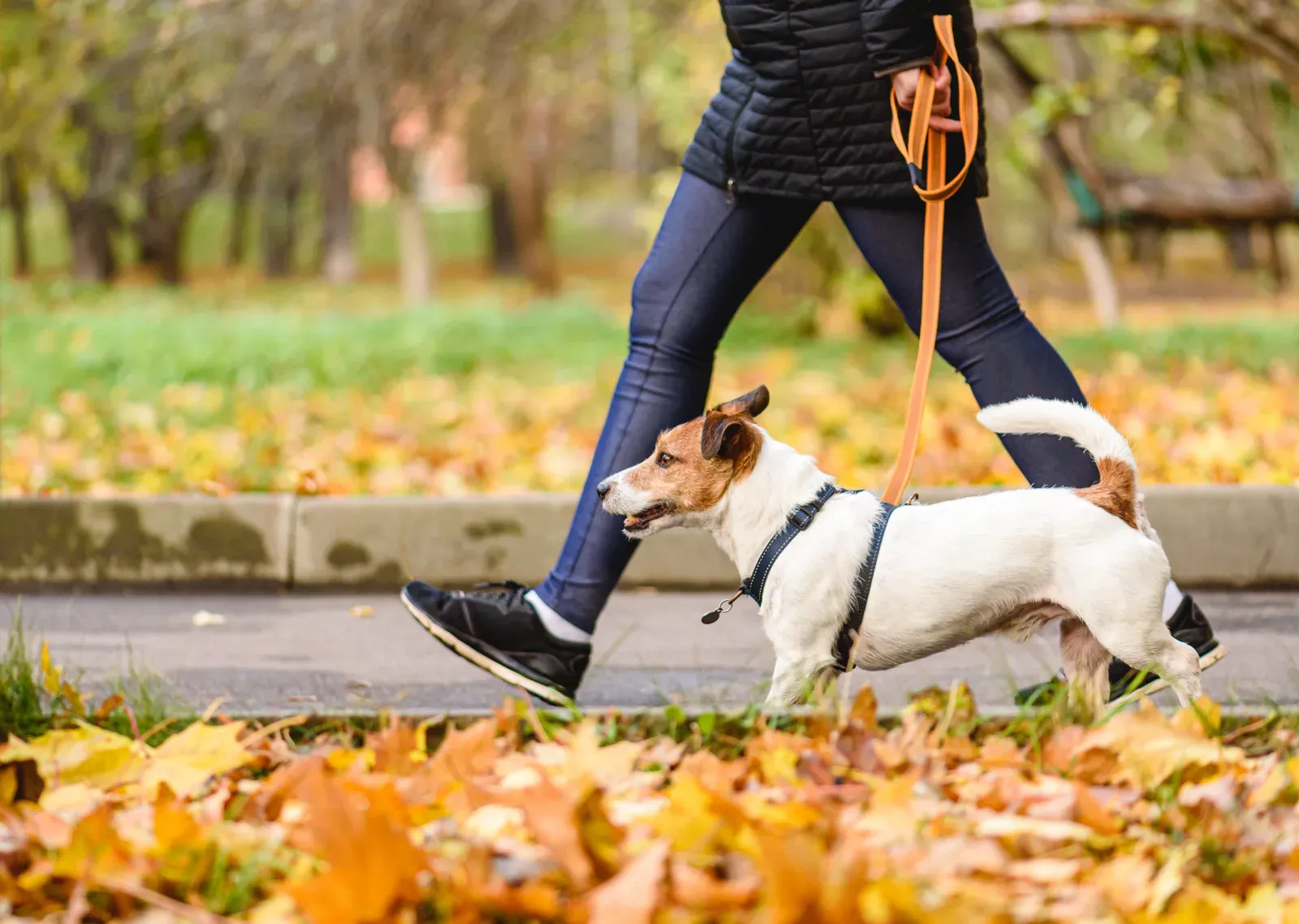
If every walk is a wrestling match, pulling, barking, zig-zagging, this two-week program rebuilds the walk from the ground up with foundational on-leash obedience..
Includes handover lesson, follow-up session, lifetime support, slip lead + collar
E · 3-week board & train
Functional Off-Leash
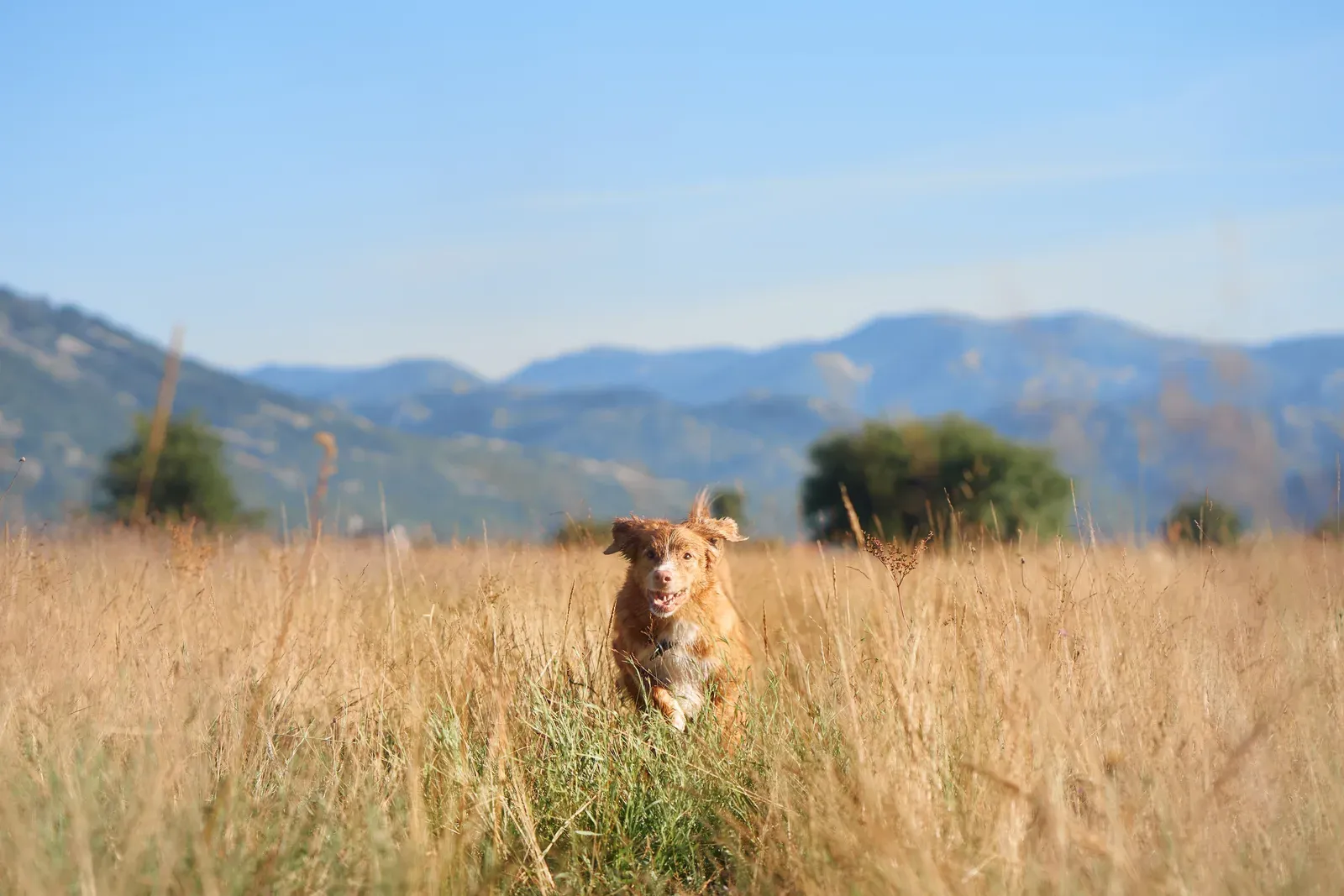
Everything in the on-leash program, then the next level: reliable off-leash recall even around distractions.
Includes handover lesson, follow-ups, Educator remote collar
Asked and answered
The questions people ask us.
Does my dog need boots in Calgary?
Many do, especially short-coated dogs, dogs with thin or already cracked pads, and any dog walking salted routes every day. Thick-footed, heavy-coated dogs often manage with balm and trimming alone. Try a cold-day walk without them and watch the feet; the dog will tell you.
Is salt on dog paws dangerous?
It is irritating at the very least. Salt and de-icers dry out pads, sting cracks, and get licked off and swallowed at home. A quick rinse and dry at the door after every salted walk removes most of the problem, and balm before the walk adds a barrier.
How cold is too cold for a dog's paws?
There is no single number, because coat, size and pad condition all matter. As a working rule, once the wind chill is heading toward minus 30, keep walks to bathroom length and move training indoors, and on any cold day stop the moment the dog starts lifting feet. Calgary cold is dry, which is hard on pads.
What is the best winter paw care routine for a Calgary dog?
Rinse and dry after salted walks, trim the fur between the pads, apply a wax balm a few times a week, and condition the dog to boots before the first real cold snap. Check the feet every evening for cracks or redness. It is a two-minute habit that keeps a dog walking through the darkest weeks of December.
Keep reading
Keep winter walks going.
Book a consultation if winter has turned walks into a fight. Leash skills, boot conditioning and a cold-weather plan, all one-on-one.
From real owners
Rated 5.0 on Google.
Real Northline dogs