
Straight answer
Why is my dog suddenly reactive on leash?
Sudden is the word that worries people, and fairly so. The dog that walked politely past every neighbour is now dragging you across the road at the sight of a poodle. Nothing changed, except something did. Dogs do not flip a switch for no reason; they hit a stage, a bad moment, a sore joint, or a threshold they had been creeping toward for months. Finding which one tells you what to do next.
Last reviewed August 26, 2026

The usual suspects
Five reasons a calm dog turns into a leash dragon, and the one to check first.
Check pain first. A dog with a sore hip, an ear infection or a cracked tooth has a shorter fuse, and a dog that hurts when another dog bumps it learns to keep everyone away. A vet visit that includes a hands-on orthopaedic check is step one, before any training plan. Next, adolescence. Between roughly six months and a year and a half the confident puppy turns suspicious, hormones sharpen every reaction, and things it ignored last month now demand a response.
Then the incident: one off-leash dog that charged, one bike that came too close, one toddler that grabbed an ear. A single scare can rewrite how a dog reads every walk. Routine changes count too: a move, a new baby, a walker who lets the dog greet everything. And the slow one, rehearsed frustration. A dog that has strained toward every dog it sees for months does not suddenly become reactive. It crosses a line it was walking toward all along.
- Vet check before training
- Adolescence changes the rules
- One scare rewrites walks
- Months of pulling, then boom
First steps
What to do in the first two weeks and when to book an assessment.
Once the vet clears the dog, shrink the walks. Quieter routes where you can see a trigger a block away, and turn around the moment the dog's ears lock on. This is not giving up; it is stopping the practice. Replace one walk a day with a long-line sniff session somewhere empty; a dog that has been on edge needs to come down before it can learn. Two weeks of no explosions does more than a month of corrections mid-meltdown.
Book an assessment when the reactions are getting closer together, when the dog has redirected onto you, or when you have quietly stopped walking it. Caught early, sudden reactivity is often a leash-skills problem, and On-Leash Foundations, two weeks at $1,865 plus GST, teaches heel and loose-leash walking with real-world distractions layered in. If the assessment finds fear or a real bite risk, Behaviour Rehab runs five to six weeks at $4,850 to $5,760 plus GST, customized to that dog, with two follow-ups.

The programs
The behaviour-first formats.
Assessment before plan, thresholds before pressure. These programs run that way.
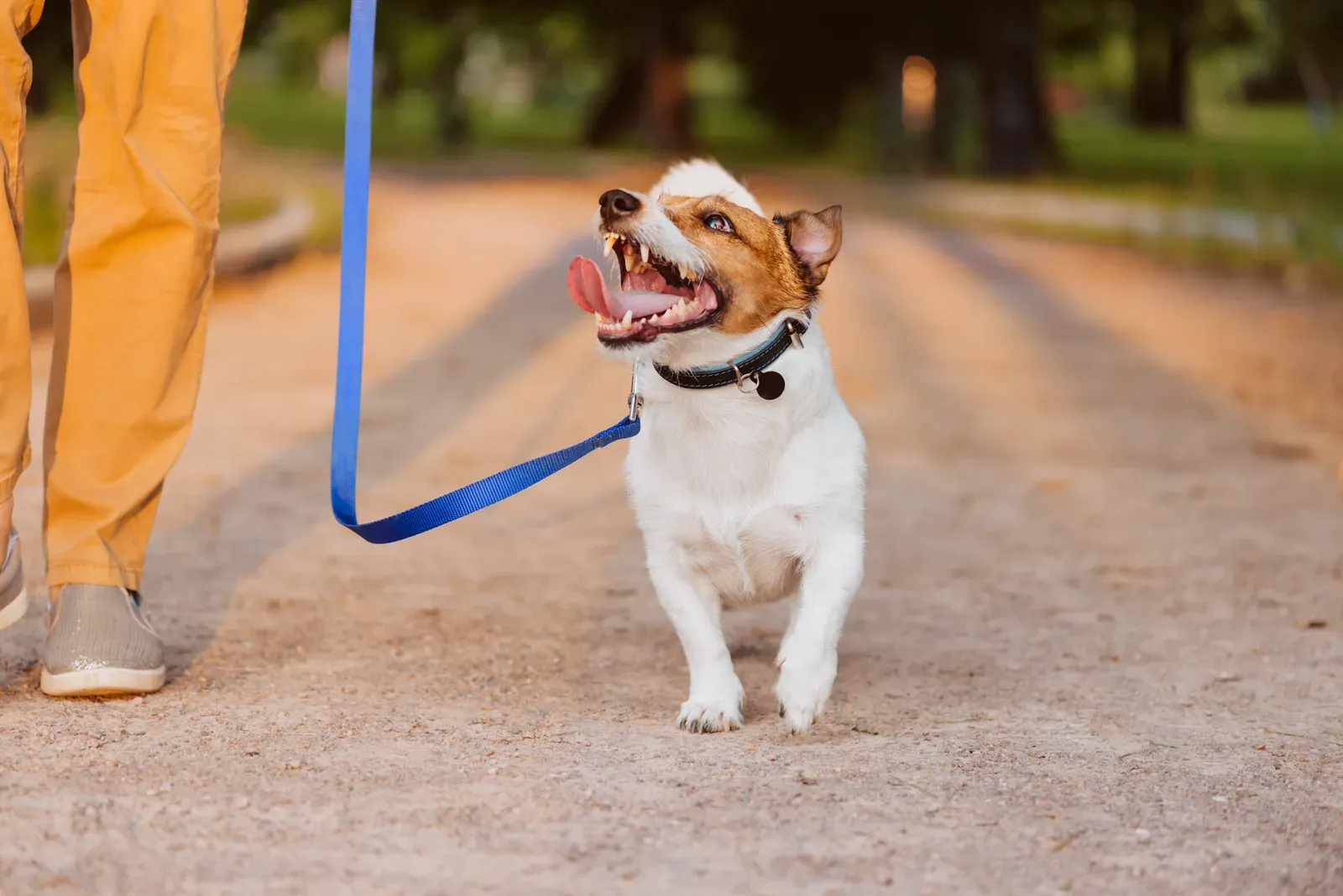
W · One-hour session
Private Training
One-on-one coaching with you on the other end of the leash.
Includes a written weekly plan to work from
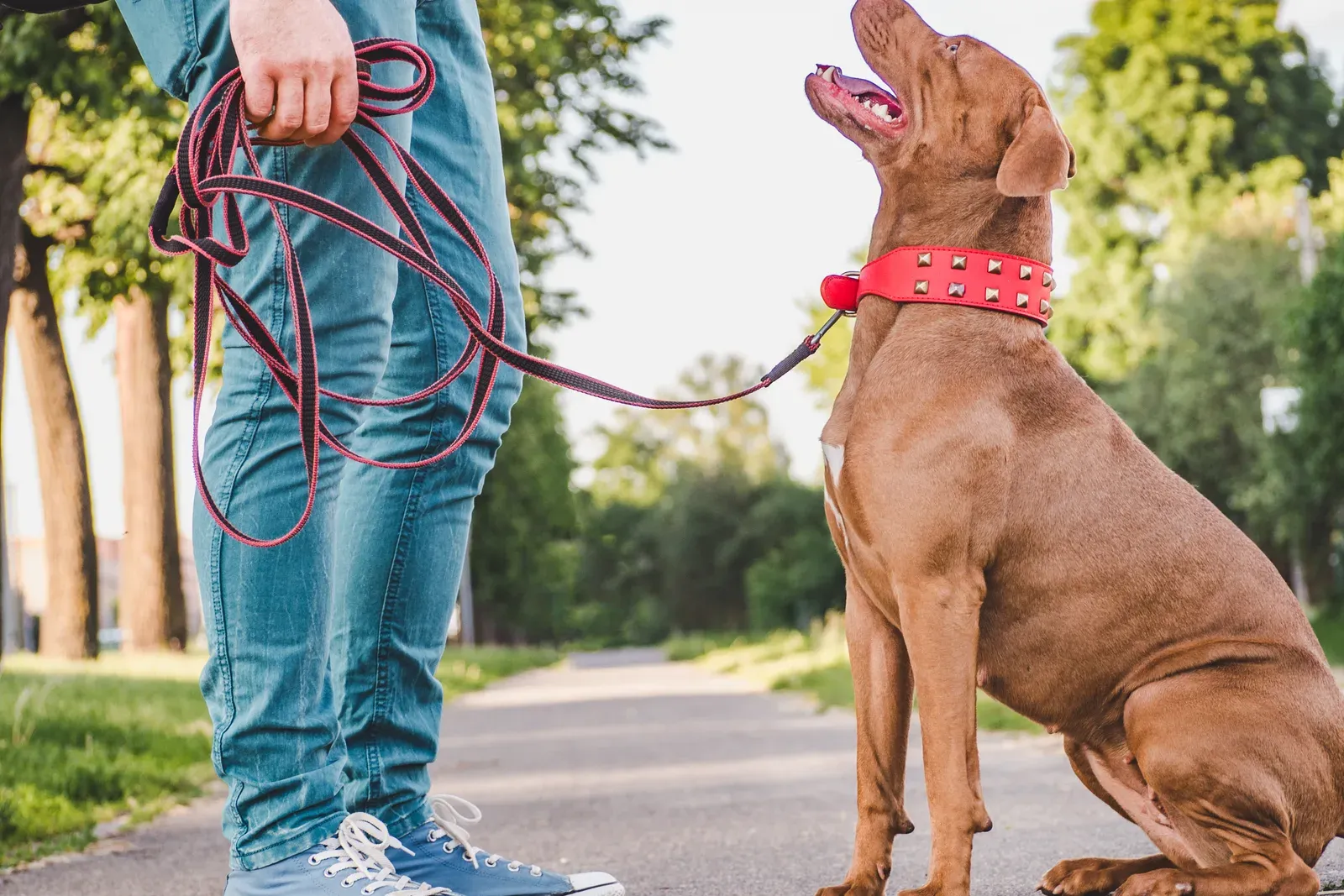
S · 5–6 week board & train
Behaviour Rehab
Kaitlin's specialty, and the work she loves most.
Includes assessment-built plan, 2 follow-ups, deep owner education
Asked and answered
The questions people ask us.
Why would a dog suddenly become reactive on leash when it never was before?
Usually one of five things: adolescence, a scary incident, pain or illness, a change at home, or frustration rehearsed until it tipped over. The change often feels sudden to you but has been building for weeks. A vet check and a careful look back at the last month usually turn up the cause.
A dog is suddenly aggressive on leash: is that aggression or reactivity?
Most sudden leash outbursts are reactivity, an emotional overreaction, rather than true aggression. The distinction matters because the fixes differ. If the dog has made contact, bitten, or is going quiet and stiff rather than loud, treat it as a possible bite risk and book an assessment rather than guessing.
Can sudden leash reactivity be caused by pain?
Yes, and it is the first thing to rule out. Hip or joint pain, an ear infection or dental trouble can all shorten a dog's fuse. Ask the vet for a hands-on exam, not just a glance, and mention that the behaviour change was sudden.
Will sudden leash reactivity go away on its own?
Not usually, because each walk gives the dog another rehearsal. If the trigger was a one-off scare, a few weeks of quiet, controlled walks can settle it. If it is adolescence or built-up frustration, it needs structured training or the pattern hardens into a permanent habit.
Keep reading
Catch it early.
Tell us when it started and what changed. We will help you rule things out and pick the next step. Book a consultation.
From real owners
Rated 5.0 on Google.
Real Northline dogs