
Choosing a trainer
Why do trainers discourage visits during board and train?
You are paying for weeks of care, you miss your dog, and the trainer would rather you did not drop by. The reason is not secrecy. The stay runs on routine, and some dogs may struggle to distinguish a visit from going home. Here is the thinking, what you get instead, and how to raise a concern while your dog is away.
Last reviewed October 4, 2026
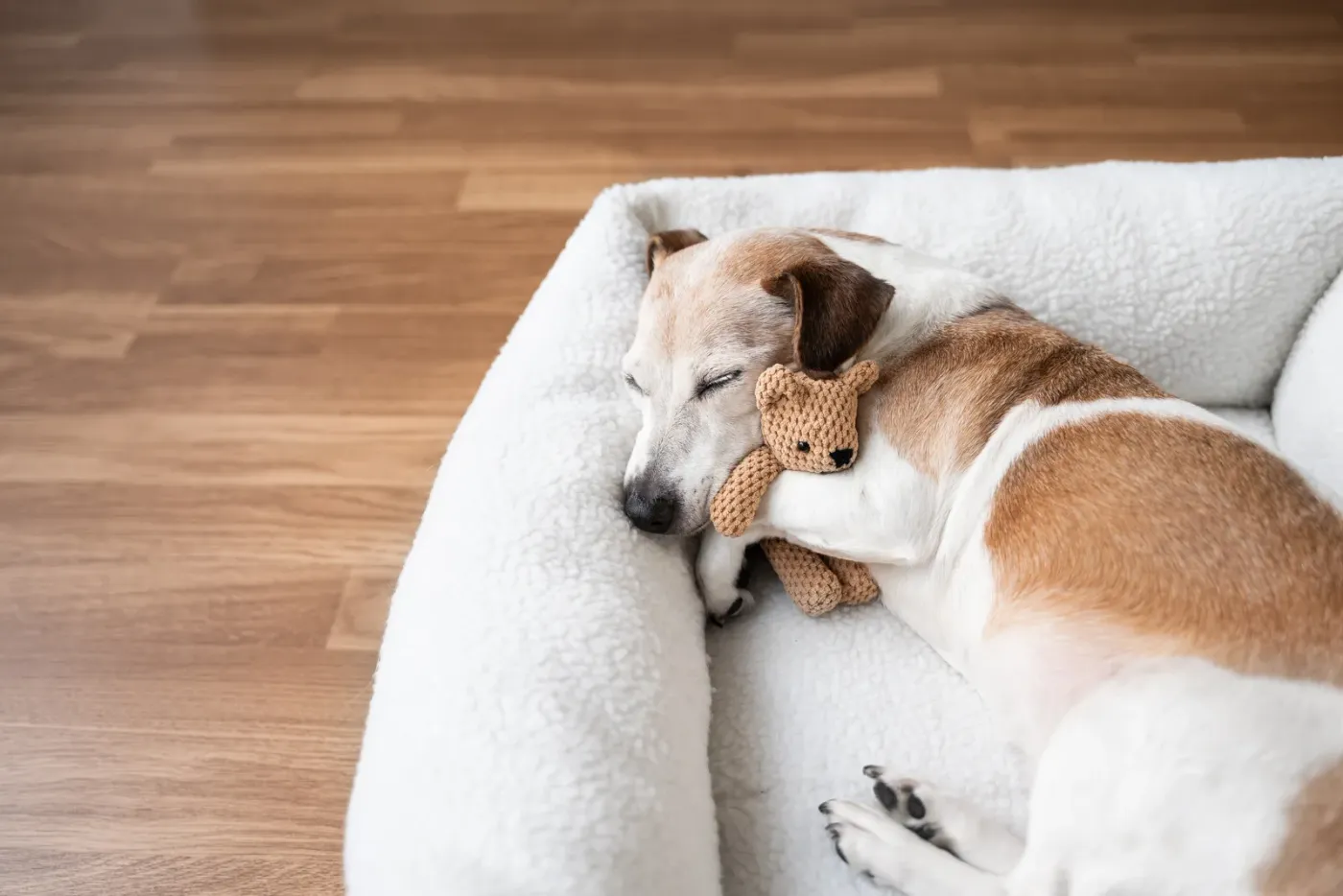
Routine is the lesson
What a visit asks of a dog partway through a stay.
A board and train runs as a structured routine: training, exercise, enrichment and rest, with the same expectations each day. That sameness can help a dog stop scanning for what happens next and start listening to what is being asked. A visit from you is likely the biggest event in the dog's week, and it is not part of the pattern. Some dogs may wind up when you arrive and find it hard to come back down after you leave.
What you get instead is a window rather than a door. Social-media updates let you follow your dog through the stay without stepping into the routine. Personal phone or email check-ins are the two-way part, where you ask what you want to know and hear how things are going. The handover lesson is the visit, except you leave with the dog and the skills to keep the routine going at home.
- Visits gently discouraged
- Social-media updates during the stay
- Personal phone or email check-ins
- Handover lesson at the end
Raising a concern
How to get a straight answer about your dog mid-stay.
A concern deserves a direct channel, not a surprise appearance. Email info@northlinek9.ca or ask for a phone check-in, and be specific. 'How is he doing' gets a general answer; 'in Tuesday's video he was holding his left paw up, is that still happening' gets a specific one. Name what you saw, when, and what you want to know. If it is about health, say so in the first line so it is read as a health question rather than a general one.
You deserve an answer that tells you something, and if it does not, ask again. A good provider would rather field a pointed question than have you sit at home imagining the worst. A visit would not answer the question any better, and it may cost the dog a day of settled routine. Physical health is the one thing to escalate at once. If a check-in leaves you worried about something physical, say you want a vet involved.
The programs
Programs and prices
Asked and answered
The questions people ask us.
Why can't I visit my dog at board and train?
Visits are gently discouraged because a stay depends on routine and a visit interrupts it. Some dogs may find it hard to resettle after an owner comes and goes. Updates and personal check-ins take the place of visits.
Is it bad to visit your dog during board and train?
Not bad, but it can cost the dog something. A dog that has been settling into a predictable day may wind up when a familiar person arrives and struggle afterwards. If you have a specific worry, a phone check-in answers it without that cost.
What updates do you give during board and train?
Social-media updates, where you can follow your dog through the stay, and personal phone or email check-ins, where you can ask questions. If you want to know something specific, ask it directly; vague questions get vague answers anywhere.
What if I'm worried about my dog during board and train?
Raise it straight away by email at info@northlinek9.ca or by asking for a phone check-in, and be specific about what you saw and when. If the worry is physical, say so in the first line and ask for a vet to be involved. Waiting for pick-up to mention it helps nobody.
Keep reading
Ask before you book
Book a consultation and ask how updates and check-ins work. You should know what you will see and hear before the stay starts.
From real owners
Rated 5.0 on Google.
Real Northline dogs