
Why dogs do it
My dog doesn't play with toys
The basket is full of squeakers and rope toys, and your dog walks past every one of them. Maybe your dog is a rescue who arrived not knowing what a toy was for, or a mellow adult who prefers a sunny spot. Not playing is not a problem in itself. It matters when play would help training, or when it has quietly disappeared.
Last reviewed October 4, 2026
Who is not playing
Temperament, a missed start, or a dog under strain.
Temperament first. Some dogs are simply less interested in chasing or tugging, and many older dogs settle into a quieter style. These dogs may still sniff a food puzzle with interest while ignoring a plush toy. Others, often rescues from shelter or street life, never had toys as puppies and simply do not recognize the invitation. Watch whether your dog investigates a toy before walking away.
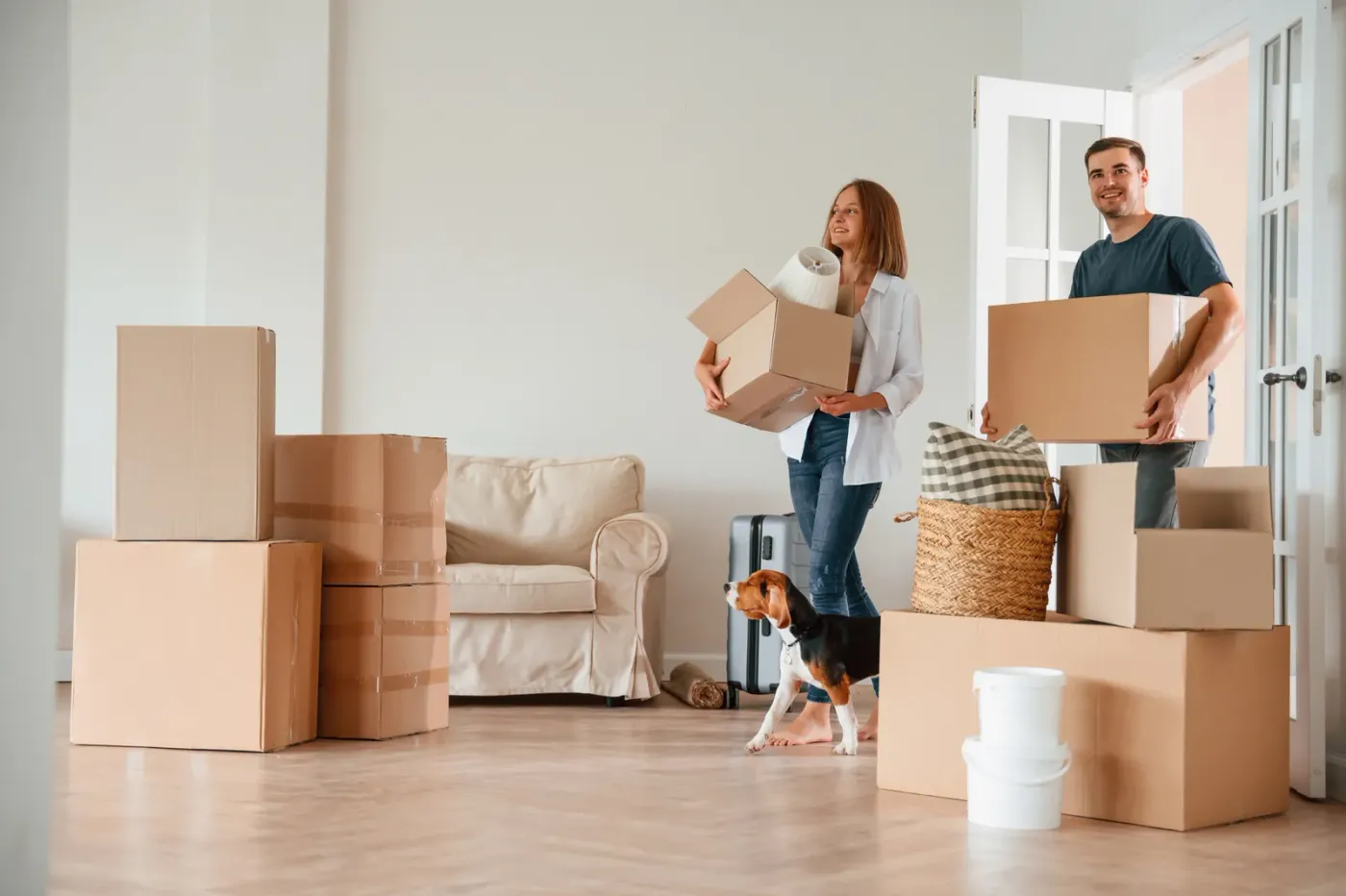
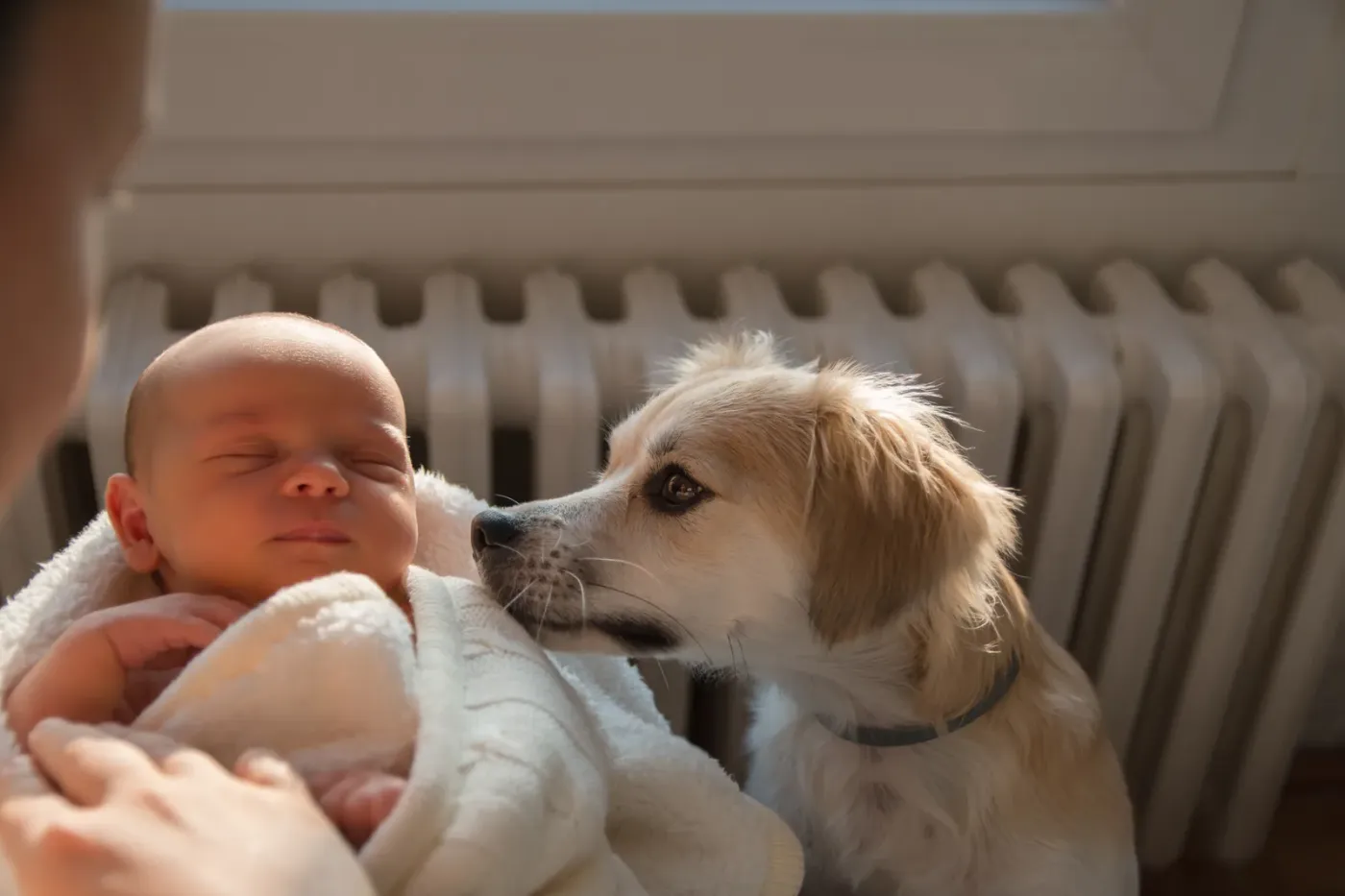
Stress looks different. A dog who played happily in a previous home but stopped after a move, a new baby, or months of construction next door may be too unsettled to play. Watch for pacing, hiding, or a dog who only relaxes when the house is empty. Pain can also take play away. A dog who stopped suddenly, or avoids tugging and jumping, should see a vet before anything else.
- Never showed interest in toys
- Played before, then stopped
- Prefers sniffing and food puzzles
- Pacing or hiding at home
Building play
Turning a toy into something worth wanting.
Start with a quiet room and a soft toy tied to a short rope. Drag it along the floor away from your dog, like something escaping, and reward any glance or step toward it with a treat. Some dogs often take more interest in a food-stuffed toy or a treat pouch they can chase. Keep it brief and finish before interest fades. Never shake a toy in the face of a worried dog.
Our play-building how-to goes deeper on turning a toy into a training reward. If stress or worry seems to be the root, a professional assessment is the right next step, and Behaviour Rehab is built for anxiety and low confidence. A Private Training hour, $150 plus GST, suits owners who want to build play themselves, with a written plan. At a consultation we recommend a format, choosing the smaller option when it will serve.
Asked and answered
The questions people ask us.
Is it normal for a dog not to play with toys?
Yes, plenty of dogs show little interest in toys, especially calmer adults and dogs who never had them as puppies. It only becomes a concern if play stopped suddenly or your dog seems stressed. In those cases, start with a vet visit.
How do I get my dog interested in toys?
Make the toy move away from your dog like prey, and pay any interest with a treat. Short sessions in a quiet room work better than a pile of toys on the floor. Rotate toys so they stay novel.
Why did my dog stop playing with toys?
A sudden loss of interest can point to pain, illness or stress from a change at home. See your vet first, then think about what shifted around the time play stopped.
Can I train a dog who doesn't like toys?
Absolutely. Food is a perfectly good reward, and many dogs train well for it. Play can be added later as a bonus reward once your dog enjoys it.
Keep reading
Help your dog find play
Book a consultation to talk about what motivates your dog and which format, if any, would help.
From real owners
Rated 5.0 on Google.
Real Northline dogs