
Choosing a trainer
Is board and train safe?
Handing your dog to someone else for weeks is a trust decision before it is a training decision. Some providers earn that trust and some do not, and the programs can look identical from the outside. This page sets out what we publish about care during a stay, what we leave to the consultation, and the questions that separate a safe operation from a slick one, wherever you book.
Last reviewed October 4, 2026
What we publish
Care during a stay, and the parts we leave to the consultation.
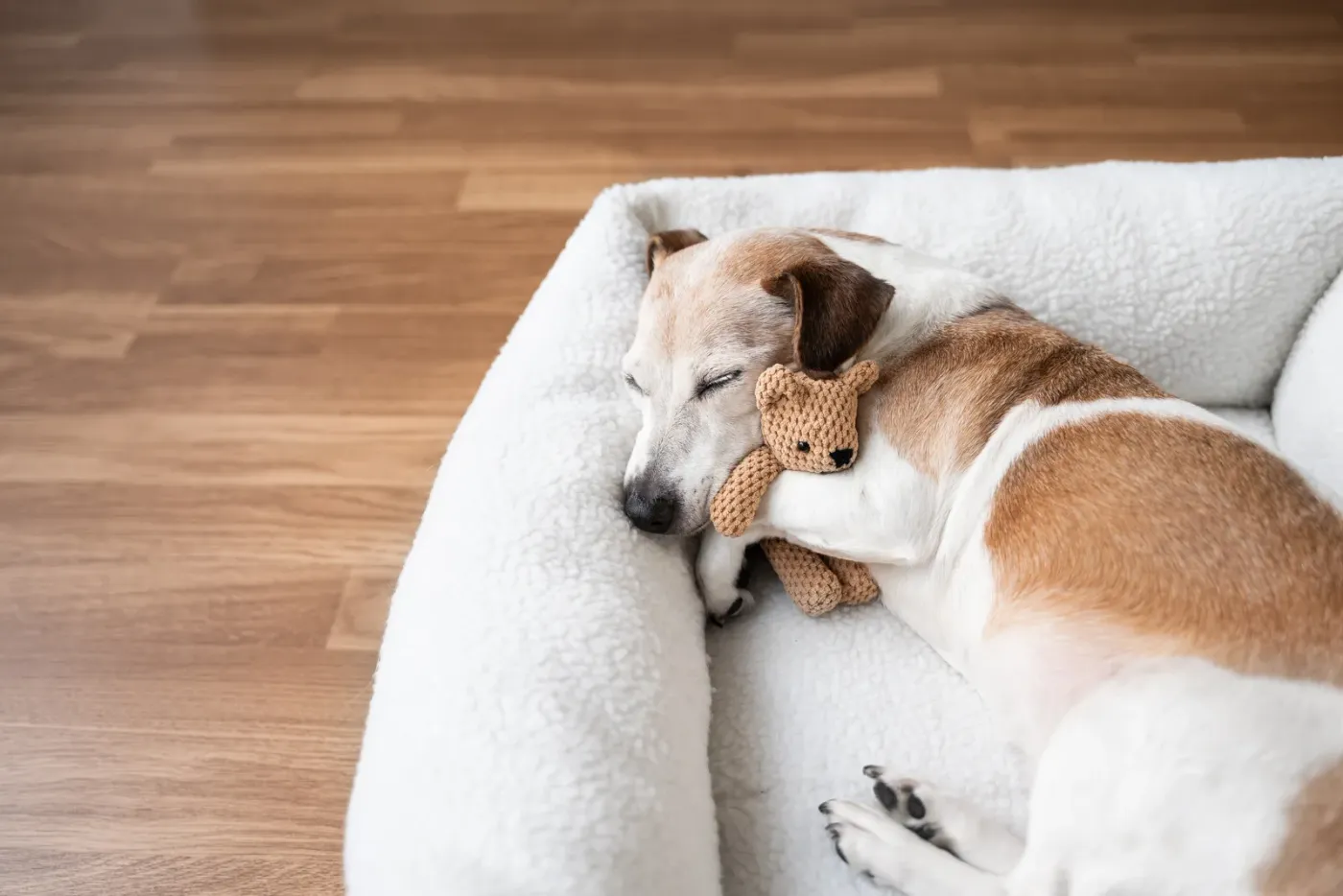
Dogs in our board and train programs sleep in clean, comfortable accommodations with fresh water. Days are built around daily one-on-one training, exercise, enrichment and individual care, so the dog is living the structured routine it is learning rather than sitting idle between lessons. Owners get social-media updates and personal phone or email check-ins during the stay, and a handover lesson at the end where you see the dog work in person.
Some things you will not find on this site: how many dogs are in at once, who is with them overnight, what happens if a dog gets sick, and what we ask of a dog before it arrives. We answer those in the consultation, where we can hear about your dog first, rather than in a paragraph that cannot ask you anything back. Treat the gap as a prompt. Ask, and expect a specific answer.
- Clean, comfortable accommodations, fresh water
- Daily one-on-one training and enrichment
- Updates and personal check-ins
- Unpublished details answered at consultation
Anywhere you book
The questions that show how a dog is actually kept.
Start with the dog's day. Who handles the dog, how much of each day is training versus downtime, and where does the dog sleep and drink. Then ask what happens when a dog goes off its food, limps or seems unwell, and who makes the call to involve a vet. A safe provider answers in specifics, not reassurance. Vague warmth about treating them like family tells you nothing about a Wednesday night at eleven.
Next, tools and limits. Which tools might go on your dog, how are they introduced, and will you be taught to use them before the handover lesson ends. Ask how a dog with a bite history is handled. Here, one is taken into Behaviour Rehab only once a full assessment has been done; skipping that step cuts a corner that matters. Last, ask what they promise about results. The right answer is nothing; a living animal is not a product with a warranty.
Asked and answered
The questions people ask us.
Is board and train safe for dogs?
It depends entirely on who is running it, so judge the provider rather than the format. Look for specifics about where the dog sleeps, how much individual attention it gets each day, and what happens if it gets sick. A provider who answers in generalities has told you something too.
Where do dogs sleep during board and train at Northline K9?
In clean, comfortable accommodations with fresh water, and their days include exercise, enrichment and individual care alongside training. The specifics of the set-up beyond that are covered in the consultation, where you can ask anything you like.
What should I ask a board and train about safety?
Ask who handles the dog each day, where it sleeps and drinks, what happens if it goes off its food or seems unwell, and which tools might be used and how they are introduced. Then ask whether the provider ever turns a dog away. A yes, with reasons, is a good sign.
Does Northline K9 take dogs with bite histories?
Yes, into Behaviour Rehab, and only after a full assessment. The assessment comes before any program is customized, and it is where the questions about safety get answered for that particular dog. It is not a step we skip.
Keep reading
Ask us the hard questions
Book a consultation and bring your list. We would rather answer every question about care before your dog arrives than after.
From real owners
Rated 5.0 on Google.
Real Northline dogs