
Straight answer
How long does it take to train a reactive dog?
Reactivity has a timeline, but it is not a single number. The barking, lunging dog on the end of the leash is running a rehearsed pattern, and patterns take repetition to overwrite. What we can tell you is the shape of the curve: early wins come from managing distance, durable change comes from months of practice, and some dogs will always need a thoughtful handler on the other end of the leash.
Last reviewed August 26, 2026

Weeks versus months
Three clocks are running at the same time.
The first clock is visible change, and it runs in weeks. With daily threshold work, where the trigger stays far enough away that the dog can still eat, think and look back at you, dogs usually stop exploding at first sight within a few weeks. The second clock is reliable change, and it runs in months. The dog has to succeed in enough places, with enough different triggers, that calm becomes the default rather than a trick that only works on a quiet street.
The third clock is management, and for some dogs it never stops. This is where reactivity and aggression part ways. A frustrated greeter or a fearful barker is reacting to distance, and distance is something we can teach a dog to tolerate. A dog with a bite history is working from a different place: training still changes behaviour, but the owner keeps the leash, the muzzle and the judgement for life. We say so at the assessment, because a realistic plan beats a hopeful one.
- Visible change in weeks
- Reliable change over months
- Daily threshold work drives both
- Aggression needs lifelong management
Milestones to expect
What progress looks like, in order.
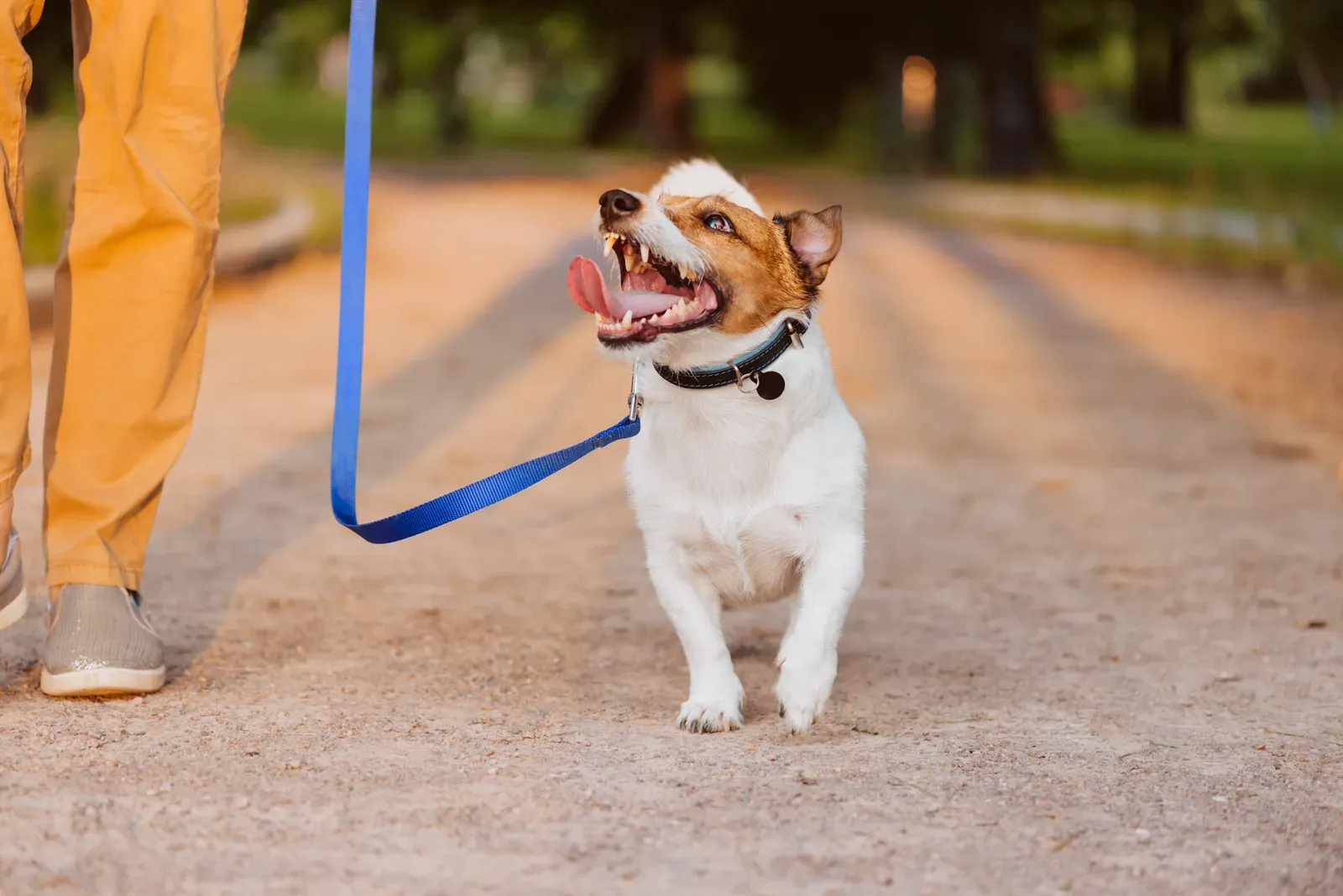
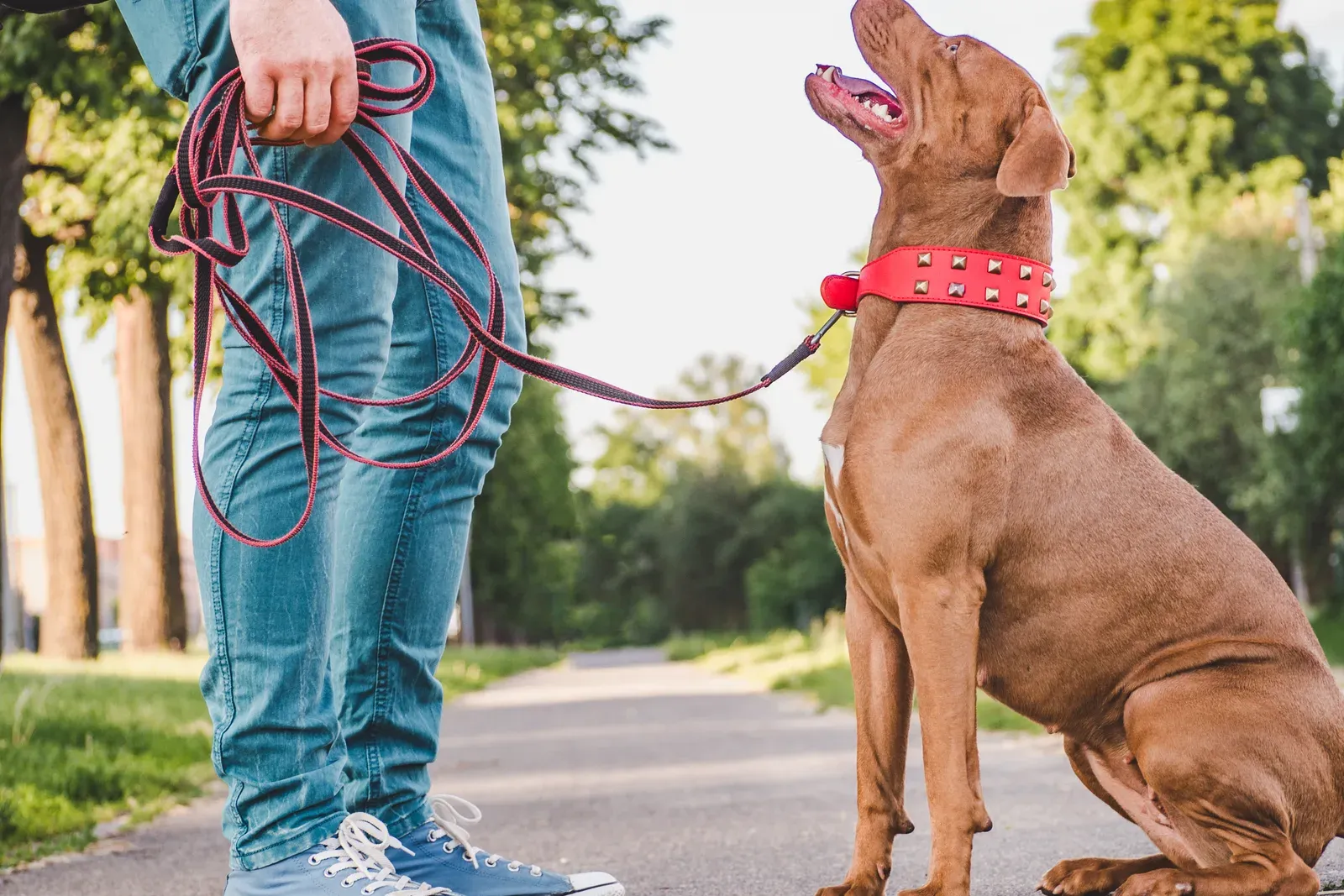
The first milestone is a dog that can eat near a trigger. If the dog takes food at a distance, the brain is still online, and that is the starting line for everything else. The second is a voluntary look back: the dog notices the other dog, then checks in with you without being asked. The third is recovery time. A dog that used to take the rest of the walk to come down after a blow-up starts settling in a matter of seconds.
After that, the milestones get quieter. Distance shrinks from across the street to the same sidewalk. The dog passes a barking dog behind a fence without a glance. Then comes the one owners remember: a surprise trigger around a blind corner, and the dog looks at you instead of losing it. In Behaviour Rehab we work toward those steps daily over five to six weeks, then hand them to you in the handover lesson and follow-ups. Your homework is repetition, in new places, for months.

The programs
The behaviour-first formats.
Assessment before plan, thresholds before pressure. These programs run that way.
W · One-hour session
Private Training
One-on-one coaching with you on the other end of the leash.
Includes a written weekly plan to work from
S · 5–6 week board & train
Behaviour Rehab
Kaitlin's specialty, and the work she loves most.
Includes assessment-built plan, 2 follow-ups, deep owner education
Asked and answered
The questions people ask us.
How long does it take to train a reactive dog?
Expect visible change in the first few weeks if the dog is working under threshold every day, and reliable change over several months of practice in different places. Some dogs, especially those with a bite history, need management for life alongside the training.
What does a reactive dog training timeline look like?
Early weeks focus on distance and getting the dog to eat and look back near triggers. The following months shrink that distance and add new environments until calm holds up around surprises. Follow-up sessions after a board and train keep the timeline on track at home.
How long does it take to fix leash reactivity?
Leash reactivity driven by frustration or fear usually moves faster than aggression, because the dog is mostly reacting to distance. Owners typically see a calmer walk within weeks, with the reliable version arriving after months of consistent repetition.
Can you train a reactive dog?
Yes. Reactivity is a learned pattern, and patterns can be replaced with daily threshold work, clear markers and a structured routine. Our Behaviour Rehab program is built for exactly this, and the plan is customized after a full assessment of your dog.
Keep reading
Start the clock properly.
Tell us what your dog does on leash and we will map a realistic timeline. Book a consultation.
From real owners
Rated 5.0 on Google.
Real Northline dogs