Straight answer
How long does it take to train a Labrador?
Ask a Lab to sit for a piece of chicken and you will have it by lunchtime. Ask that same Lab to walk past a retriever at the off-leash park without hauling you sideways and you are talking about a longer project. That gap, between learning and self-control, is the entire Labrador timeline. Here is how it breaks down and where the breed's famous appetite works in your favour.
Last reviewed August 26, 2026
Quick learner, slow settler
The cues come fast and the calm comes last.
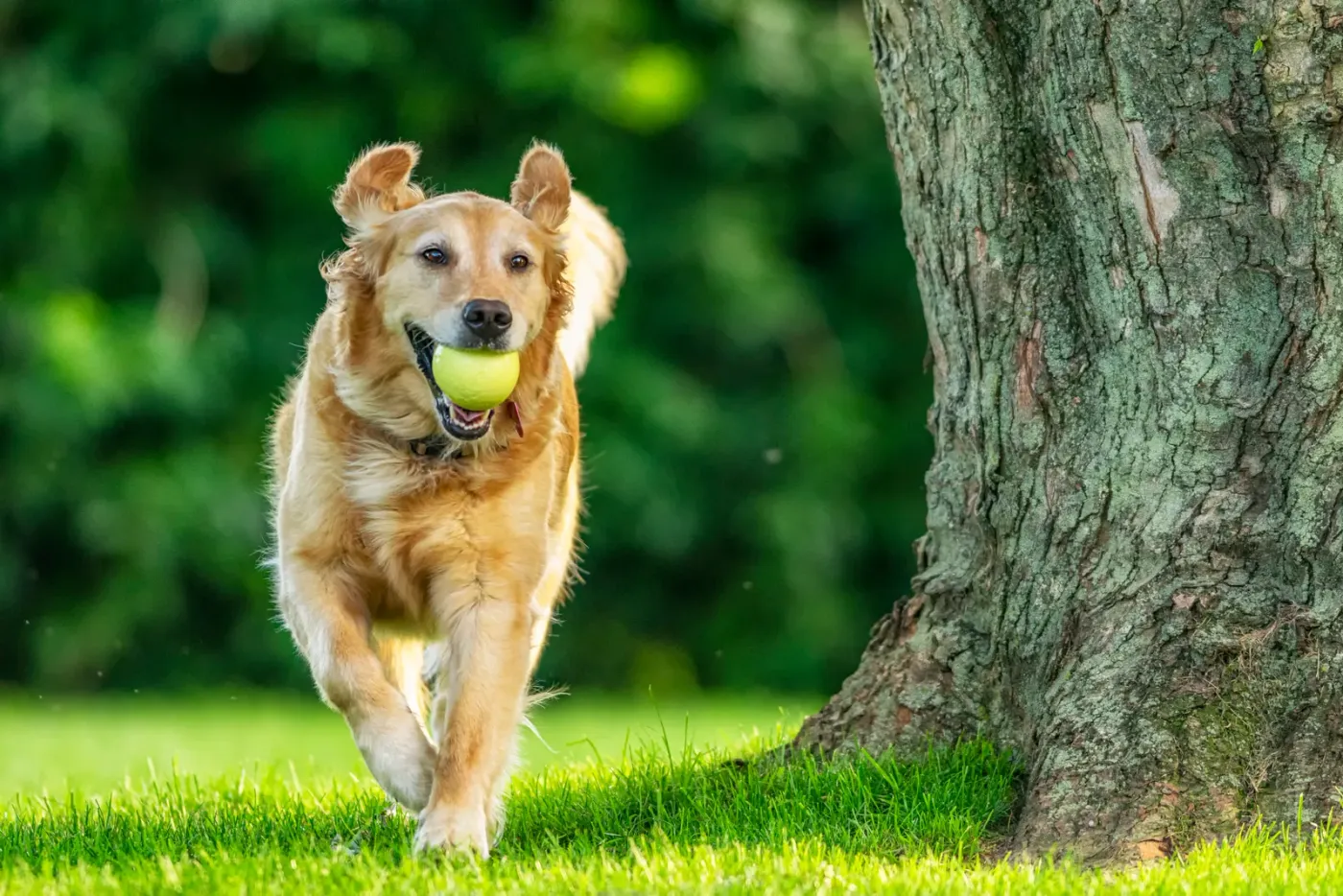
Days: a Labrador puppy will pick up its name, sit, down and a hand target within the first week of consistent marker training, mostly because it wants the reward more than it wants anything else in the room. Weeks: leash manners, place, and waiting at doors take shape over two to four weeks of daily repetition, which lines up neatly with our two-week On-Leash Foundations board and train. The mechanics are not the hard part with this breed.
Months and years: the piece nobody warns you about is that a Lab's body finishes before its brain does. A ten-month-old Labrador has adult strength, adult speed and a puppy's impulse control, and that combination lasts, on and off, until around the two-year mark. Training does not skip this stage. It gives you the tools to manage it: a reliable place command, a heel that holds when a squirrel bolts, and a dog that has learned that calm is what earns the good stuff.
- Name and sit within days
- Leash manners in a few weeks
- Impulse control by around two
- Food drive speeds everything up
The Lab-specific timeline
Pulling, counter surfing and the appetite advantage.
Pulling is the first Labrador problem because a Lab is a dog built to charge into cold water after a bird, and your sidewalk is just a dry version of that. Loose-leash walking is usually the slowest of the basic skills, since every interesting smell competes with you. Expect two to three weeks of daily leash work before a heel holds around distractions, and expect to keep reinforcing it through adolescence. Counter surfing shows up next, roughly when the dog gets tall enough to reach.
Counter surfing is where the appetite cuts both ways. The same food drive that makes a Lab learn sit in an afternoon makes an unattended sandwich a jackpot, and one jackpot teaches the habit for good. The fix is management first, meaning nothing left on counters while the dog learns, plus a place command strong enough to hold while you cook. The upside is real: a dog this food-motivated will work for kibble, which means you can turn every meal into a training session.
The programs
Where this breed fits our programs.
The formats below map to what this breed typically needs; the consultation confirms it for your dog.
NE · 2-week board & train
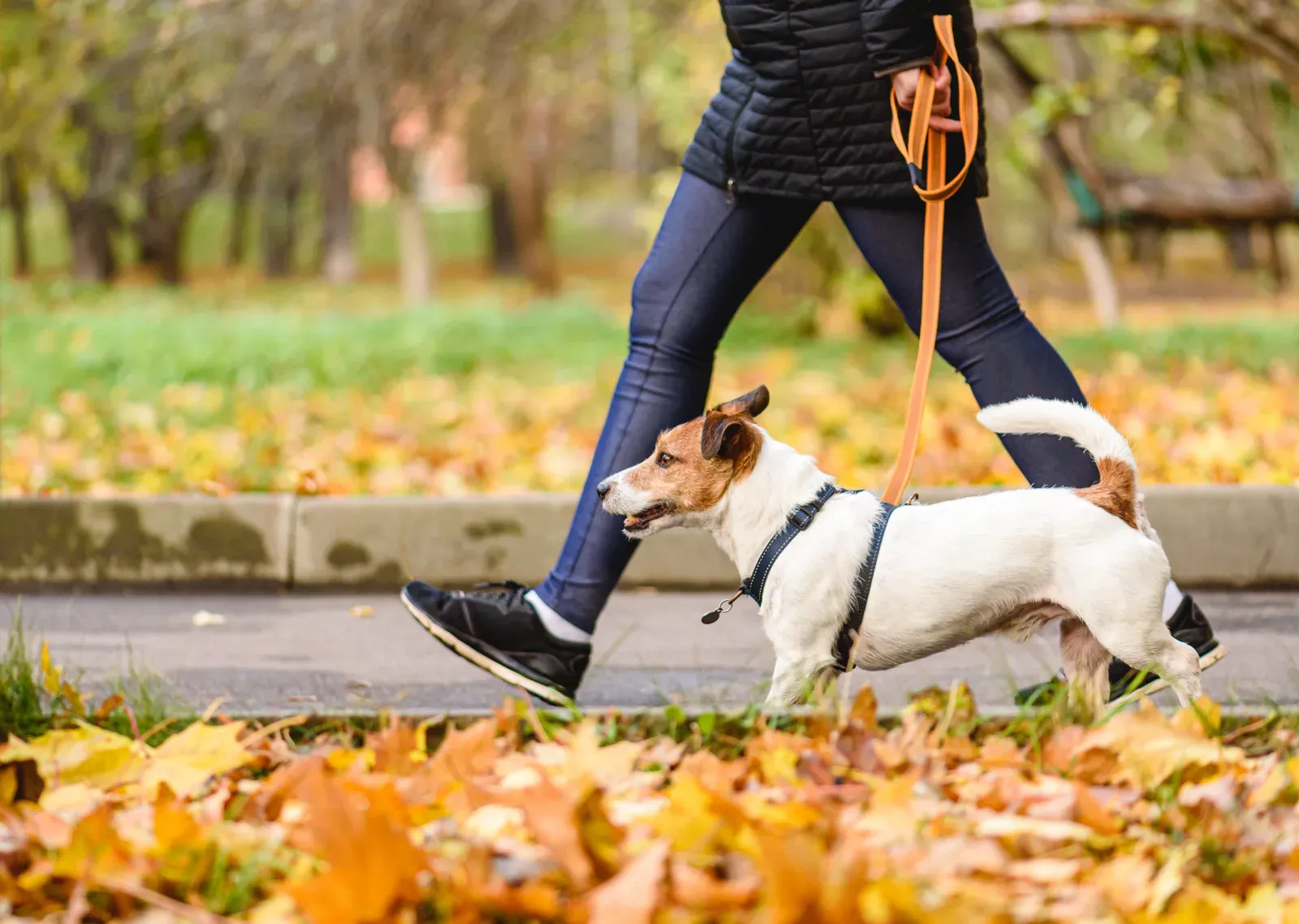
On-Leash Foundations
If every walk is a wrestling match, pulling, barking, zig-zagging, this two-week program rebuilds the walk from the ground up with foundational on-leash obedience..
Includes handover lesson, follow-up session, lifetime support, slip lead + collar
E · 3-week board & train
Functional Off-Leash
Everything in the on-leash program, then the next level: reliable off-leash recall even around distractions.
Includes handover lesson, follow-ups, Educator remote collar
Asked and answered
The questions people ask us.
How long does it take to train a Labrador?
Basic cues take days and household manners take a few weeks with daily practice. Reliable impulse control, the part that makes a Lab pleasant in public, keeps developing until around two years of age, so plan on maintenance training well after the basics are in.
What is a realistic Labrador training timeline?
Name, sit and down inside the first week; loose-leash walking, place and door manners over two to four weeks; off-leash recall around distractions over a further three weeks or so. Then a long tail of adolescence where you keep proofing everything you taught.
How long does it take to train a Lab puppy?
A Lab puppy can finish crate comfort, leash manners, name recognition and sit, down and place in our three-week Puppy Fundamentals board and train. The puppy will still be a puppy afterwards, so the follow-up session within 60 days and your daily repetition carry the work forward.
Are Labradors easy to train?
For learning new cues, yes: the food drive and the desire to work with people make new cues stick fast. The harder part is self-control, because a young Lab is strong, fast and enthusiastic long before it is calm. Structure and consistency close that gap over time.
Keep reading
Teach the Lab, then settle it.
Your Lab's age tells us most of the plan. Book a consultation and we will build the rest around the dog you have.
From real owners
Rated 5.0 on Google.
Real Northline dogs