
Straight answer
Does board and train help with separation anxiety?
Owners ask this one quietly, usually after a neighbour's complaint or a chewed door frame. The hope is that a few weeks away will fix it. The truth is more useful than that. Time with a trainer can rebuild a dog's ability to be alone and calm, but the dog is not anxious about being at the trainer's. It is anxious about you leaving. That part gets trained at your address.
Last reviewed August 26, 2026

What it can build
What weeks away can rebuild, and what they cannot.
A dog with separation anxiety cannot do three ordinary things: rest in a crate without panic, settle in a room with nobody in it, and move through a day without scanning for the next departure. Board and train is good at teaching those. Inside a structured routine the dog learns that crate time ends, that being alone is boring rather than dangerous, and that calm gets rewarded. Enrichment and daily one-on-one work bring the arousal level down so there is something to build on.
What the program cannot do is rehearse your front door. The triggers are specific: your keys, your shoes, the car in the driveway, the length of your workday. The dog has to be walked through those in your home, at a pace that does not tip it back into panic. So the handover lesson here is less a demonstration and more a protocol. A trainer who promises the anxiety will stay behind at their place has misunderstood the problem.
- Crate comfort rebuilt
- Settling alone practised daily
- Calmer baseline through routine
- Owner protocol for departures
Rehab and after
How Behaviour Rehab handles it and what you do next.
Separation anxiety belongs in Behaviour Rehab, the five to six week board and train for anxiety, reactivity and aggression, priced at $4,850 to $5,760 plus GST and customized after a full assessment. Those extra weeks matter because the dog's nervous system needs time to settle, not just its manners. Crate comfort, independence work, calm routines and confidence-building happen every day, with updates to you throughout. Some dogs assessed for it turn out to need less than the full program, and we will say so.
After pick-up, the deep owner education is the part that matters. You leave with a departure protocol: how long to go at first, what the crate and the room look like, what to do with your keys and your goodbye, and how to lengthen absences without undoing the week. Two follow-up sessions are placed where relapses tend to happen. If your schedule needs more hands-on help, Private Training at $150 per one-hour session adds a written weekly plan to work from.
The programs
The behaviour-first formats.
Assessment before plan, thresholds before pressure. These programs run that way.
W · One-hour session
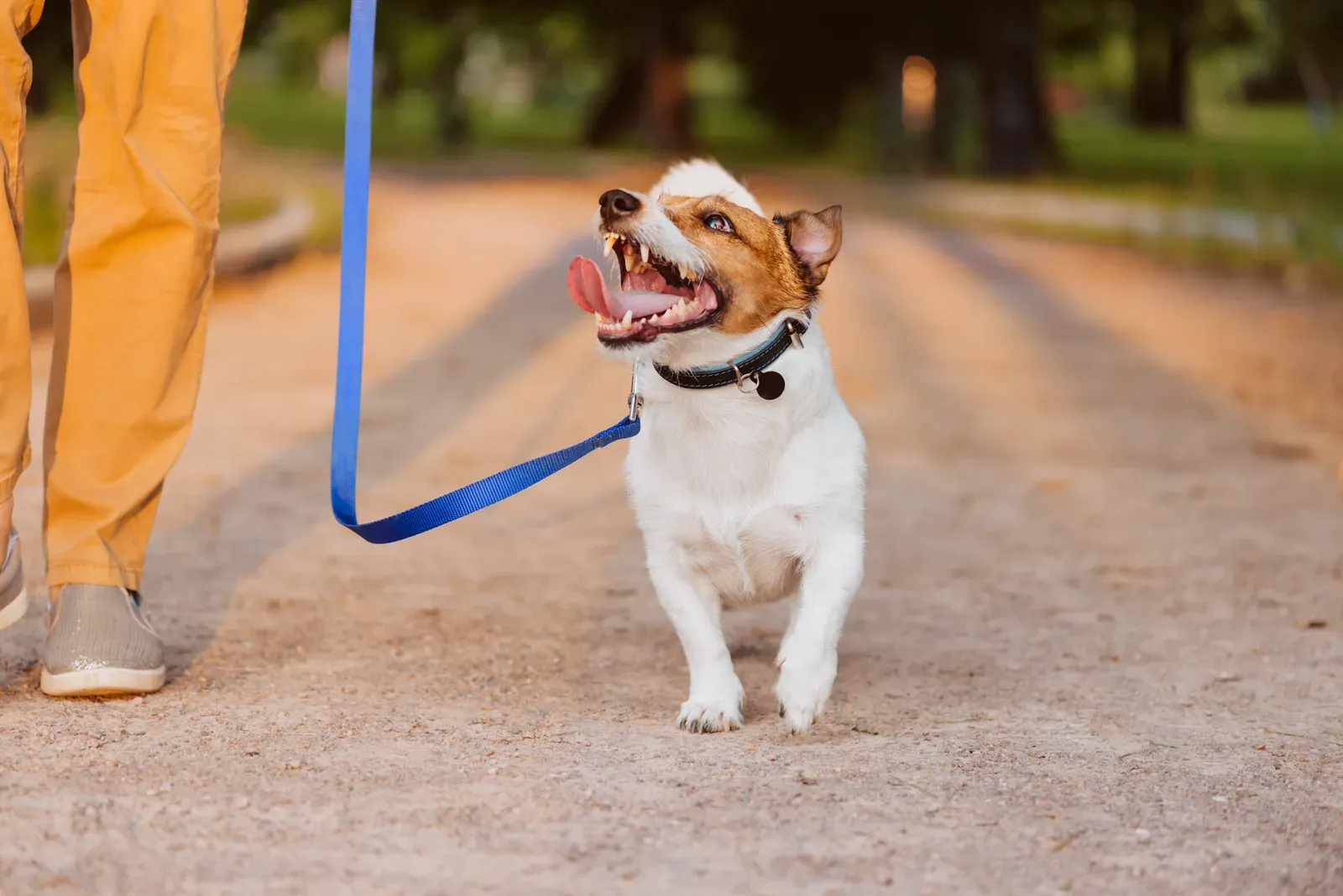
Private Training
One-on-one coaching with you on the other end of the leash.
Includes a written weekly plan to work from
S · 5–6 week board & train
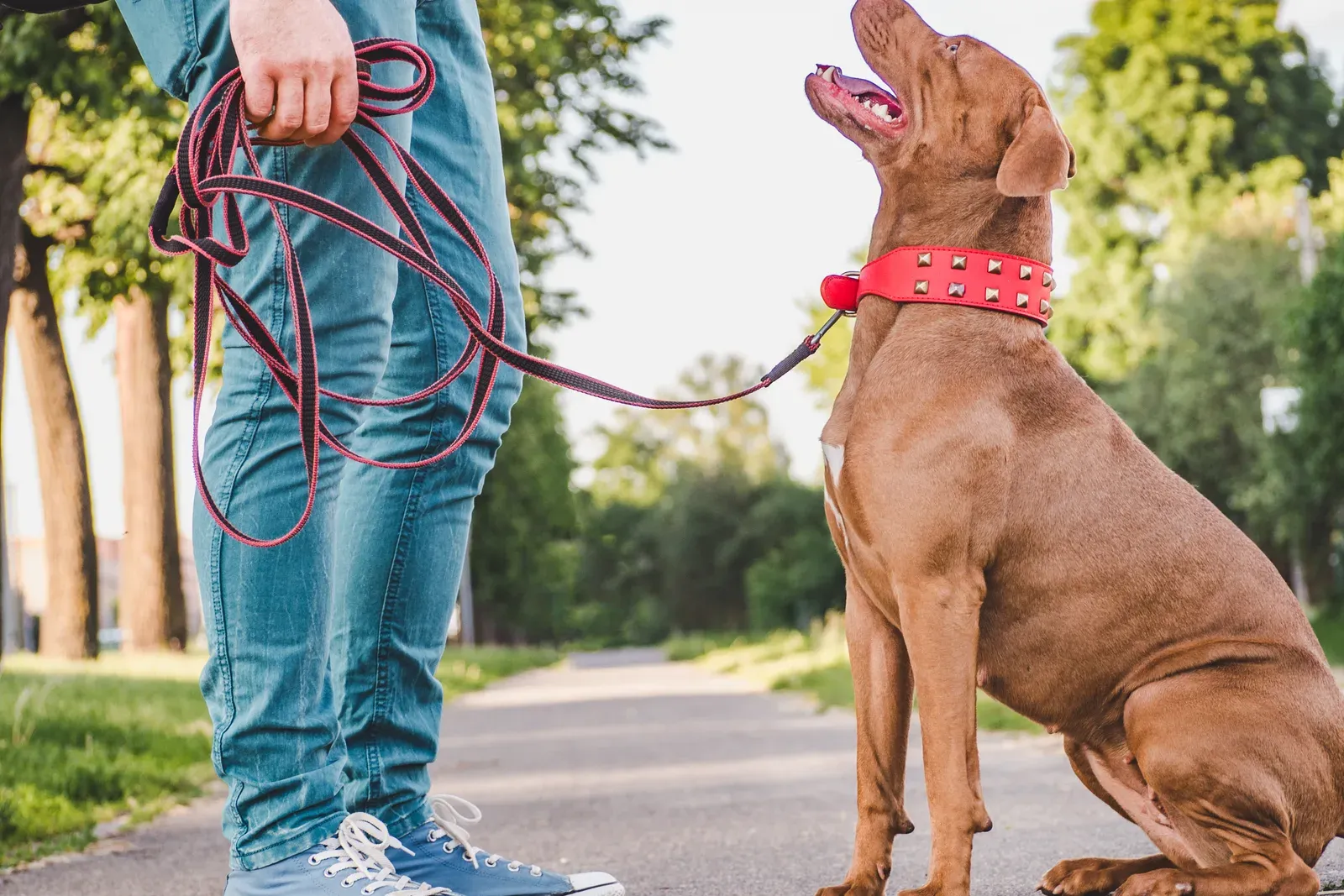
Behaviour Rehab
Kaitlin's specialty, and the work she loves most.
Includes assessment-built plan, 2 follow-ups, deep owner education
Asked and answered
The questions people ask us.
Does board and train work for separation anxiety on its own?
No. It builds crate comfort, independence and a calm routine, which the dog needs, but the departures that trigger the panic happen at your door, not the trainer's. The owner protocol you take home is what finishes the job.
Is board and train good for separation anxiety, or will it make it worse?
A structured one-on-one program with a calm routine helps; a dog left in a run for most of the day with two lessons can come home more anxious, not less. Ask any trainer how much of the day is training and rest versus confinement. The answer tells you which kind of program you are looking at.
Does board and train help with separation anxiety in a puppy?
Puppy Fundamentals, the three-week program at $2,775, teaches crate comfort including overnight, which heads off a lot of early separation trouble. A puppy already in full panic when left is a Behaviour Rehab conversation after an assessment. Either way, you go home with a plan for your own departures.
How long does it take to fix separation anxiety after board and train?
It depends on the dog and on how faithfully the departure protocol is run at home, so we do not put a number on it. Absences are lengthened gradually, with the two follow-up sessions there to adjust the plan. Rushing the timeline is the most common way progress unravels.
Keep reading
Start with an assessment
Tell us what happens when you leave and what the dog does. We will map the right program. Book a consultation.
From real owners
Rated 5.0 on Google.
Real Northline dogs