
Straight answer
Can old dogs learn new commands?
The old saying has cost a lot of dogs a lot of walks. Owners quietly retire the idea of training somewhere around age three, then live with pulling, ignoring, and door-bolting for another decade. Meanwhile the dog's brain is still fully open for business. Age changes how we train, sometimes. It does not change whether training works, and it never has.
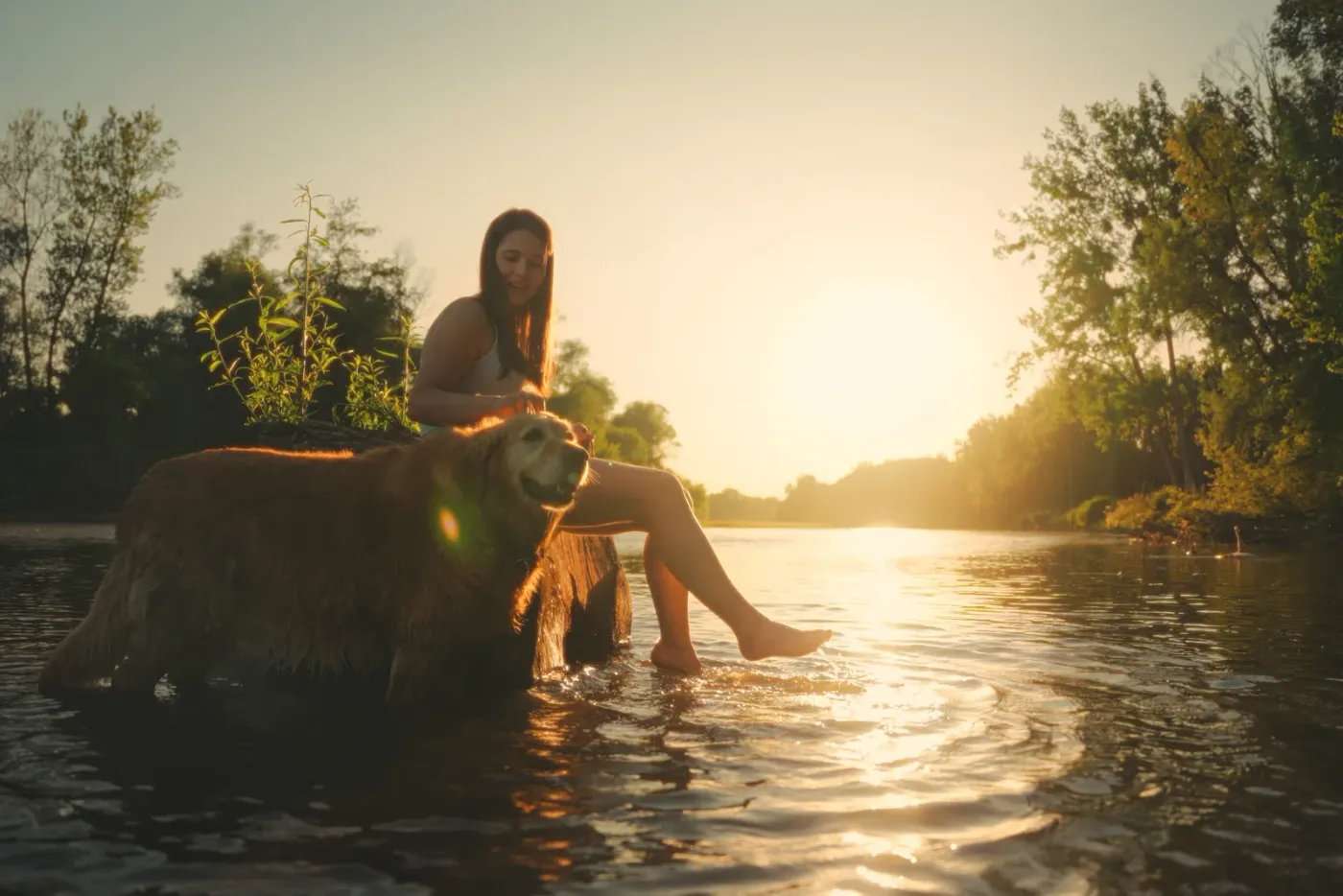
Age and learning
New skills land, old habits linger.
Learning is not a puppy feature. It is how dogs navigate the world every day of their lives, which is why a nine-year-old figures out a new treat drawer in an afternoon. When we teach a new command with markers and rewards, an older dog picks up the mechanics at much the same pace as a young one. The command itself is rarely the slow part.
The slow part is competition. A seven-year-old who has pulled on leash since adolescence is not blank, he is fluent in the wrong behaviour, with thousands of repetitions behind it. Training an older dog means building the new habit while making the old one stop paying, and that second job is what people mistake for an inability to learn. It is not inability. It is inventory.
- Markers and rewards first
- Shorter sessions, more breaks
- Joint-friendly physical asks
- Extra reps for rehearsed habits
Training seniors well
Adjust the plan, not the ambition.
We do adapt for older dogs. Sessions run shorter with more breaks, because stamina fades before focus does. Physical asks get matched to the body in front of us: a dog with stiff hips practises place on a raised bed rather than fold into repeated downs on hard floor. And we budget honest time for the rehearsed habits, because untraining eight years of practice deserves more than a weekend.
The real cost of the old-dogs myth is dogs written off at three. An owner decides the window has closed, stops asking for anything, and the dog spends its longest, calmest, most trainable decade being managed instead of taught. If your dog is five, eight, or eleven, private sessions at $150 an hour or a board and train can still change your daily life together. The window is open. It was never a window.
The programs
When teaching it yourself stalls.
The guide above is the real method. These are the faster routes.
W · One-hour session
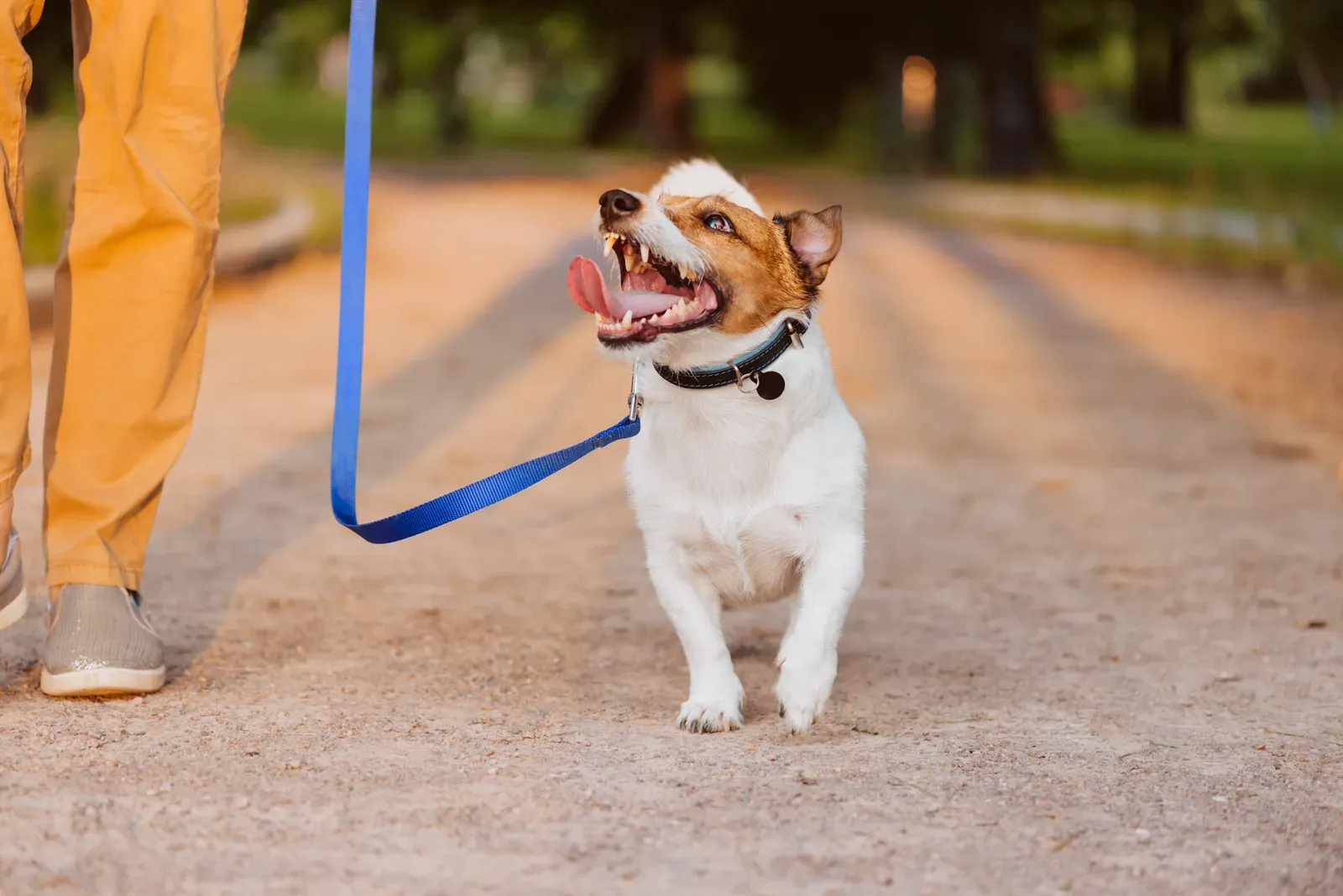
Private Training
One-on-one coaching with you on the other end of the leash.
Includes a written weekly plan to work from
NE · 2-week board & train
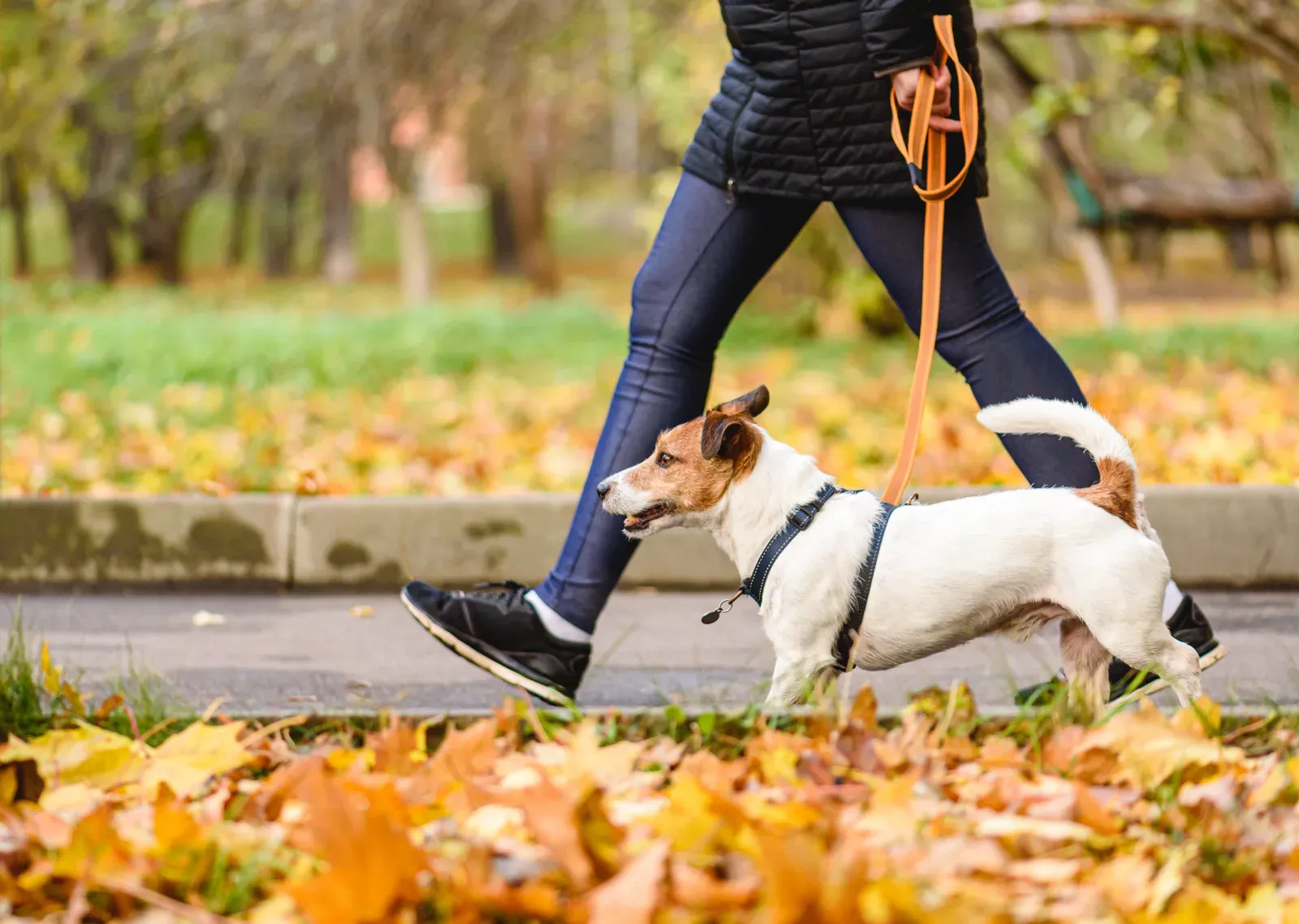
On-Leash Foundations
If every walk is a wrestling match, pulling, barking, zig-zagging, this two-week program rebuilds the walk from the ground up with foundational on-leash obedience..
Includes handover lesson, follow-up session, lifetime support, slip lead + collar
Asked and answered
The questions people ask us.
Is it true you can't teach an old dog new tricks?
No. Dogs keep learning their whole lives, and older dogs often bring better focus to training than adolescents do. The saying survives because untraining old habits takes longer than teaching new commands, and people read that lag as inability.
Can I still train a 7 year old dog?
Absolutely. A seven-year-old learns new commands readily; the extra work is retiring the habits he has practised for years. We build the plan around his body and history, whether that is private sessions at $150 an hour or a full board and train.
Do older dogs take longer to train?
New commands, no. Replacing long-rehearsed habits, yes, because the old behaviour has years of practice behind it. The timeline depends on the habit's history more than the dog's birthday.
Is board and train suitable for senior dogs?
Usually, yes. Every program here is one-on-one, so the routine, session length, and physical demands are shaped around the individual dog rather than a class pace. A consultation lets us assess whether immersion or weekly private sessions suits your senior better.
Keep reading
Old dog, new plan
Tell us your dog's age, history, and habits. We will build a plan that fits both ends of the leash. Book a consultation.
From real owners
Rated 5.0 on Google.
Real Northline dogs