
Before you book
Board and train and your vet: what to sort out first
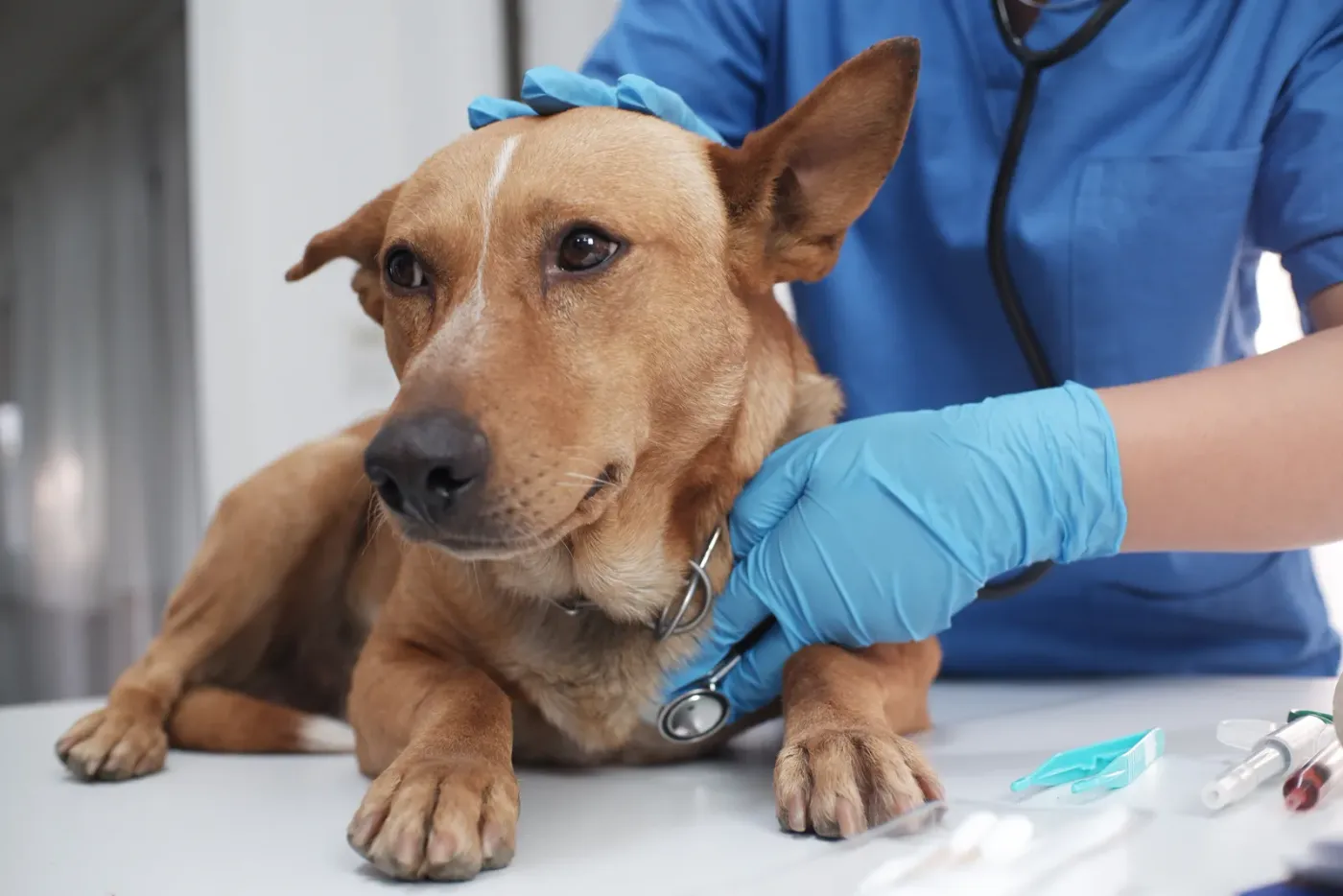
Training teaches a dog what to do. It does not treat a sore hip or an ear that hurts every time a hand comes near it. Before you decide on a board and train, we suggest a few short conversations with your vet, so the questions that belong with them get asked first. None of this is medical advice. It is a checklist for who to ask.
Last reviewed September 28, 2026
Before you book
Four questions that belong with your vet.
A sudden change is the first one. If a dog who was easy for years now growls when lifted, hides from the kids or refuses the stairs, we suggest a vet check-up before any training decision, with a note of exactly when it started. For senior dogs, ask specifically about pain and mobility, and what amount of daily exercise your vet is comfortable with, because a training routine should fit inside those limits rather than test them.
Puppies bring the third conversation. Puppy Fundamentals includes structured socialization and new sights and sounds, so ask your vet how they want vaccination timing handled and which outings they are comfortable with at each stage, then bring that answer with you. Medication is the fourth, and it is not one a trainer can have. Whether your dog might benefit from anything, or should change anything, is a question for your vet or a veterinary behaviourist.
- Sudden change, vet check first
- Senior dogs, ask about pain
- Puppy vaccine timing from your vet
- Medication questions to the vet
Working alongside
Training and veterinary care pull in the same direction.
The two roles are different and they fit together. Your vet looks after your dog's health, which includes behavioural health, medication and anything that needs a diagnosis. We read what the dog does, work out what it has learned, and teach it something better, one-on-one, inside a structured routine. When your vet has already weighed in, the consultation can take their advice into account instead of guessing at what sits behind a behaviour.
What we suggest bringing to the consultation: the date the behaviour changed, any notes or findings from your vet, a list of anything your dog currently takes, and any limits on exercise or handling your vet has set. How those details shape a live-in program is a consultation conversation, not a web page. During a board and train, updates come as social-media posts and personal phone or email check-ins, and your vet remains the person to ask about anything medical.

Asked and answered
The questions people ask us.
Do you need a vet check before dog training?
It is worth asking your vet when behaviour has changed suddenly, when your dog is a senior, or when anything about movement, appetite or handling seems off. Whether a check is needed in your dog's case is your vet's call, not a trainer's.
Should I see a vet before board and train?
If the behaviour that prompted the search appeared out of nowhere, we suggest talking to your vet first and telling them when it started. For a dog with no recent changes, ask your vet whether they want to see the dog, then mention any history at the consultation.
How do dog training and vet care fit together?
Your vet handles health, including behavioural health and any medication decisions, and training works on what the dog has learned to do. We suggest bringing your vet's notes to the consultation so the recommendation can account for them. During a program, you get social-media updates plus personal check-ins by phone or email.
Can a trainer tell you whether your dog needs medication?
No. That is a decision for your vet or a veterinary behaviourist, and we will say so plainly rather than guess. Your own notes on what the dog does and when are useful to bring to that appointment.
Keep reading
Vet first, then us
Once your vet has weighed in, bring the notes. Book a consultation and we will factor them into the recommendation.
From real owners
Rated 5.0 on Google.
Real Northline dogs