
Life stages
How to bring home a rescue dog: the first 30 days
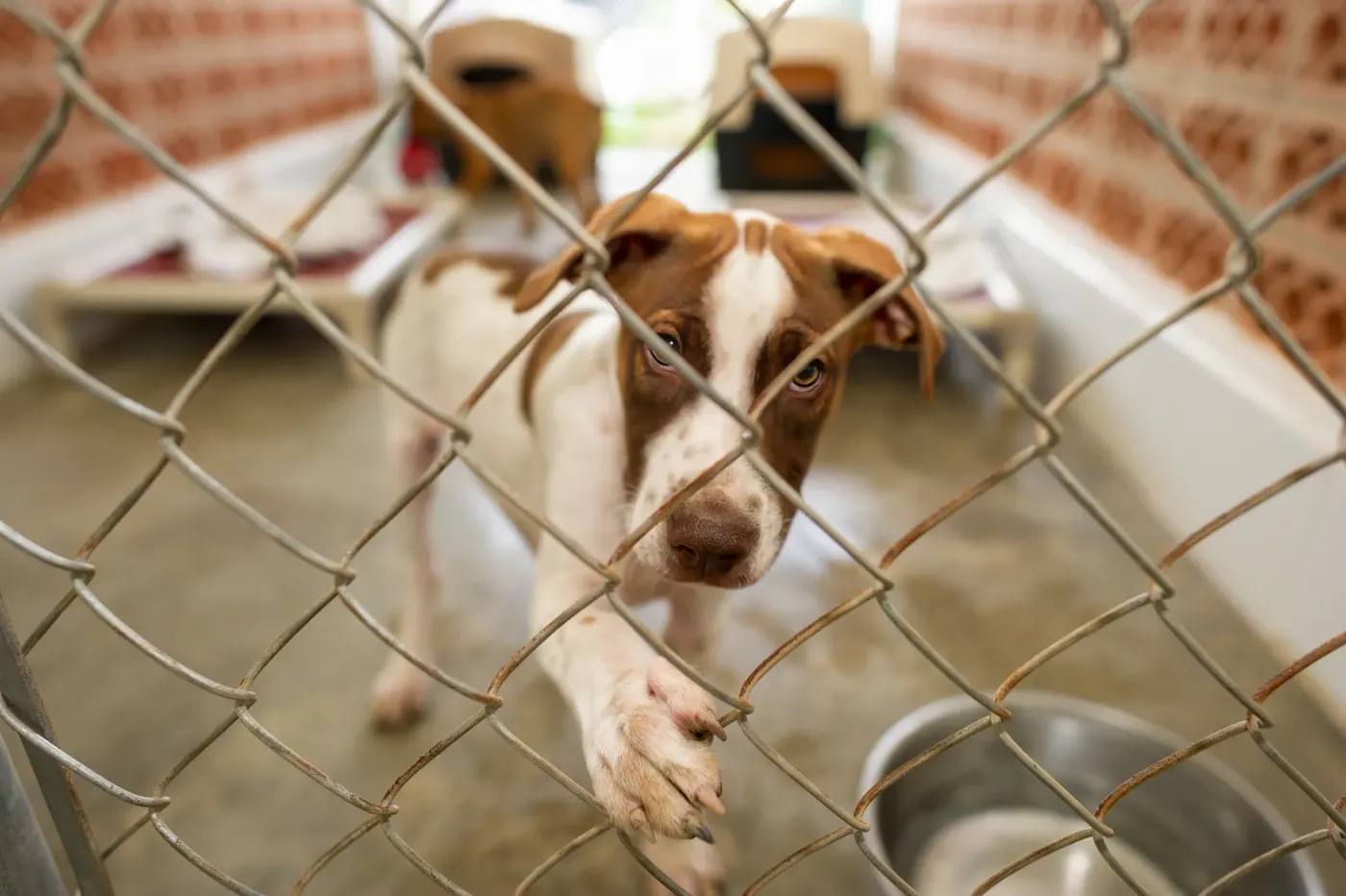
The dog you drive home is not the dog you adopted. It is a stressed animal in a stranger's car, running on adrenaline and guesswork. The first 30 days are less about training and more about letting the nervous system land: small world, boring routine, low expectations. The popular 3-3-3 rule is a decent sketch, but your dog has not read it.
Last reviewed August 26, 2026
The first month
Decompression week by week, without the countdown.
Week one is for decompression. Skip the dog park, the pet store tour and the welcome party. Offer a crate or quiet room, feed at the same times daily, and walk short, dull routes. Week two, start hand-feeding part of meals, name response and a little leash work in the yard. Weeks three and four, widen the circle slowly: one new street, one calm visitor, one short car ride. Let the dog set the pace.
Book a vet visit early, both for health and for a baseline on weight, teeth and any pain that could read as behaviour. Then watch the slow reveal. Many rescues are quiet for weeks, and the confident, opinionated dog that emerges in month two is the real one. Hold your rules from day one anyway: furniture, doors, food. It is easier to loosen a rule later than to claw one back.
- Small world for week one
- Vet visit early
- Same feeding times daily
- Rules from day one
When to worry
Red flags in month one, and where help fits.
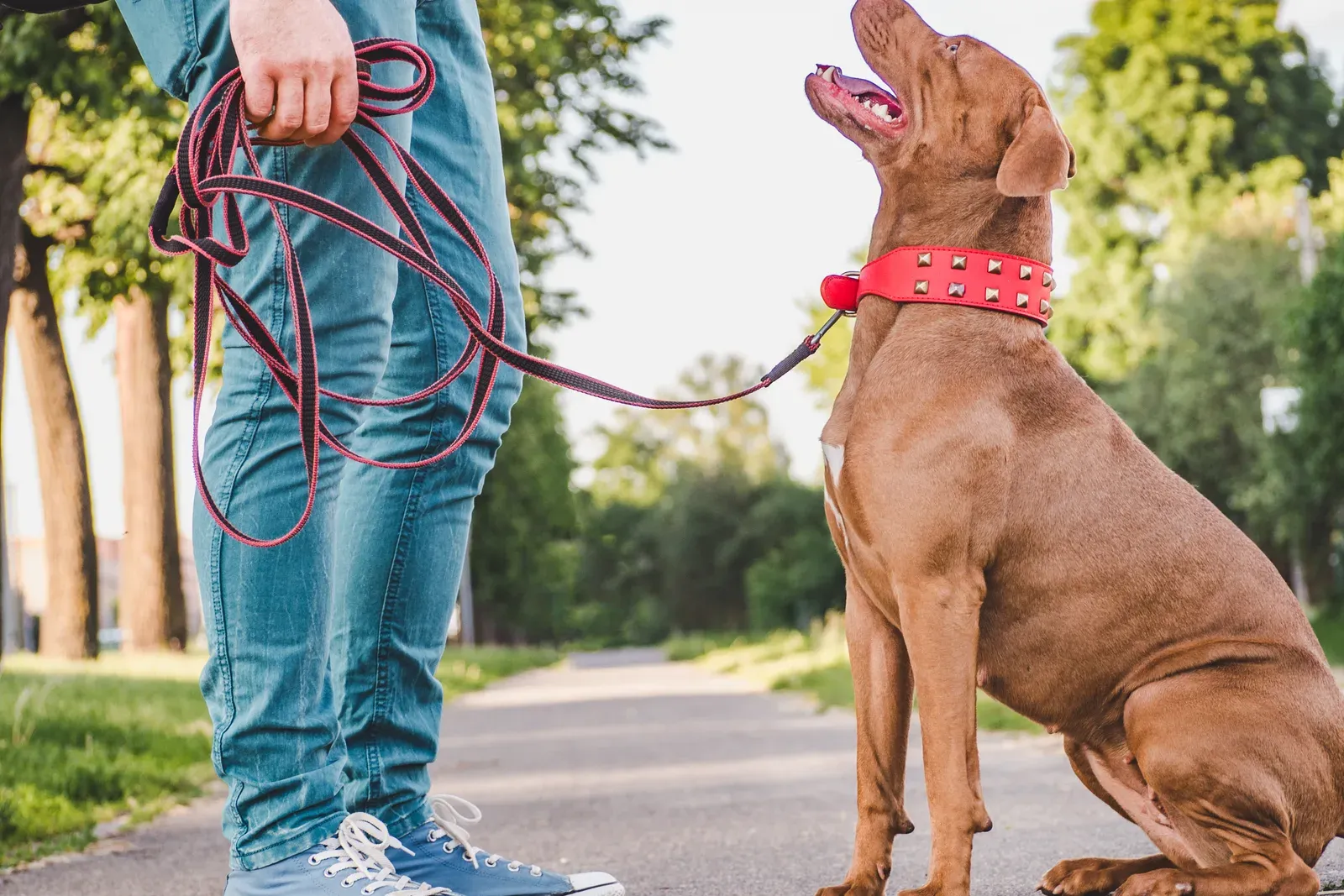
Most rough edges in month one are stress: pacing, poor appetite, an accident or two, some barking at night. These usually fade as routine takes hold. Different flags deserve attention now: growling or freezing over food or space, lunging at people or dogs on walks, panic when left alone that escalates rather than settles, or any bite, even one that did not break skin. Those are patterns, not phases, and they compound with rehearsal.
Getting help early is cheaper in every sense. A single private session, $150 plus GST with a written weekly plan, can sort normal adjustment from something bigger and give you a week of structured homework. For serious reactivity, anxiety or aggression, our Behaviour Rehab board and train runs 5 to 6 weeks, $4,850 to $5,760 plus GST, and is customized after a full assessment. Either way, we would rather see a rescue in week three than in year two.
The programs
Help for this chapter.
Life changes are when dogs need structure most. These formats provide it without upending the household.
NE · 2-week board & train
On-Leash Foundations
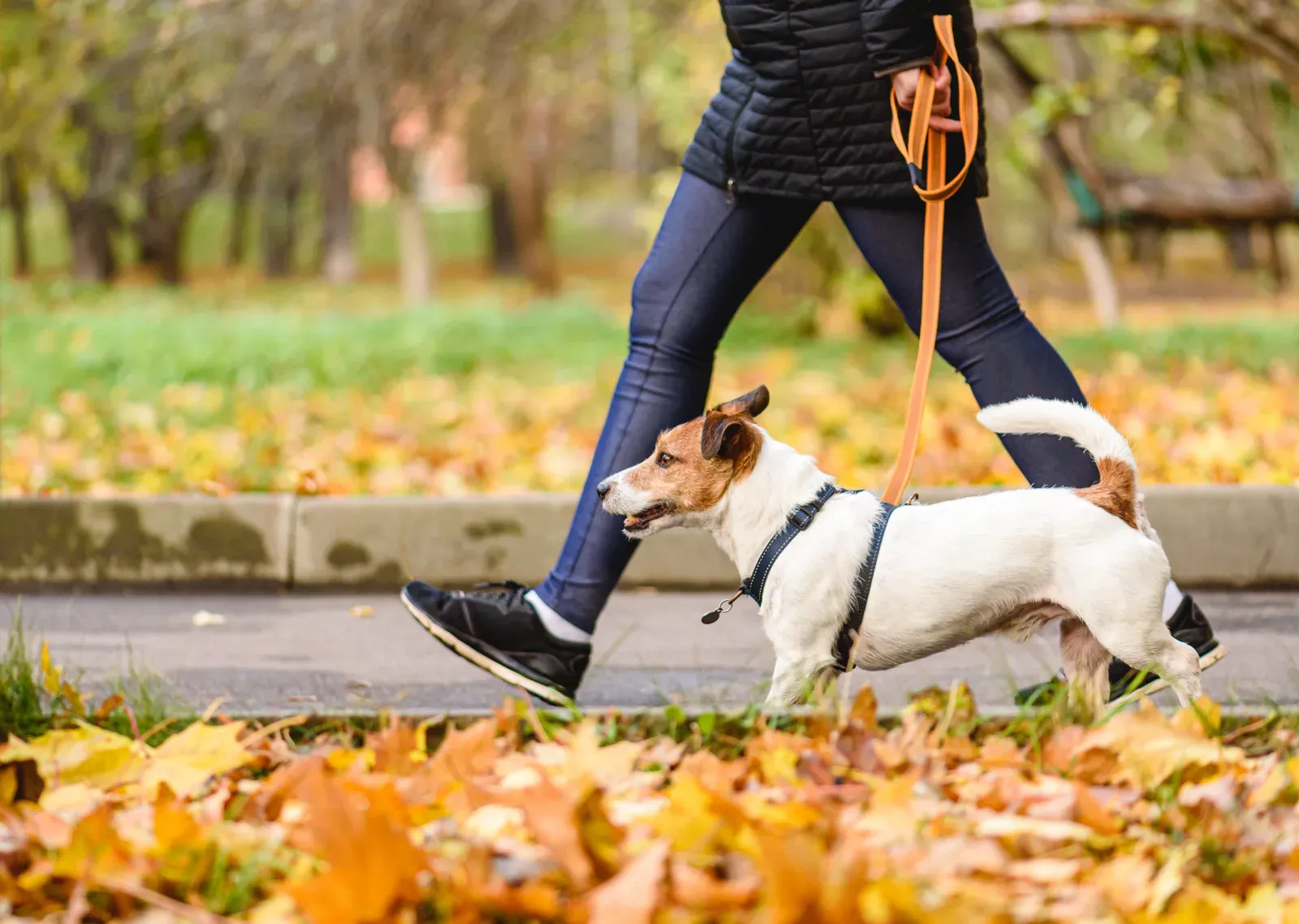
If every walk is a wrestling match, pulling, barking, zig-zagging, this two-week program rebuilds the walk from the ground up with foundational on-leash obedience..
Includes handover lesson, follow-up session, lifetime support, slip lead + collar
S · 5–6 week board & train
Behaviour Rehab
Kaitlin's specialty, and the work she loves most.
Includes assessment-built plan, 2 follow-ups, deep owner education
Asked and answered
The questions people ask us.
What should the first month with a rescue dog look like?
Quiet, structured and honestly a bit boring. A small world, fixed meal times, short walks and plenty of sleep let the dog decompress while you learn who it is. Save the adventures for month two.
Is the 3-3-3 rule for rescue dogs real?
It is a useful sketch: roughly three days of shutdown, three weeks of settling, three months to full comfort. It is not a law, and plenty of dogs run early or late on every stage. Read the dog in front of you, not the timeline.
What should I do the first week with a new rescue dog?
Keep it small: house, yard, one quiet walking route, and a crate or room where nobody bothers the dog. Start the routine you plan to keep, especially meals and toilet breaks. Book the vet visit and otherwise let the dog sleep.
When should I start training a dog I just adopted?
Day one, if you count routine, house rules and rewarding calm as training, which we do. Formal obedience can wait until the dog is eating well and seeking you out, often a few weeks in. Serious behaviour concerns are the exception: get help for those right away.
Keep reading
New rescue, big questions?
One-on-one help for the first month and beyond, from decompression to full rehab. Book a consultation.
From real owners
Rated 5.0 on Google.
Real Northline dogs