Life stages
Adolescent dog regression: months 6 to 18
Your star puppy turned eight months old and apparently deleted everything. Recall became optional, the leash grew teeth, and eye contact now goes to whatever smells better. This is adolescence: hormones, a brain under renovation, and a healthy urge to test the fences. It is the stage where most training falls apart, and the stage where the right structure matters most.
Last reviewed August 26, 2026
Why it happens
The teenage brain, and what survives it.
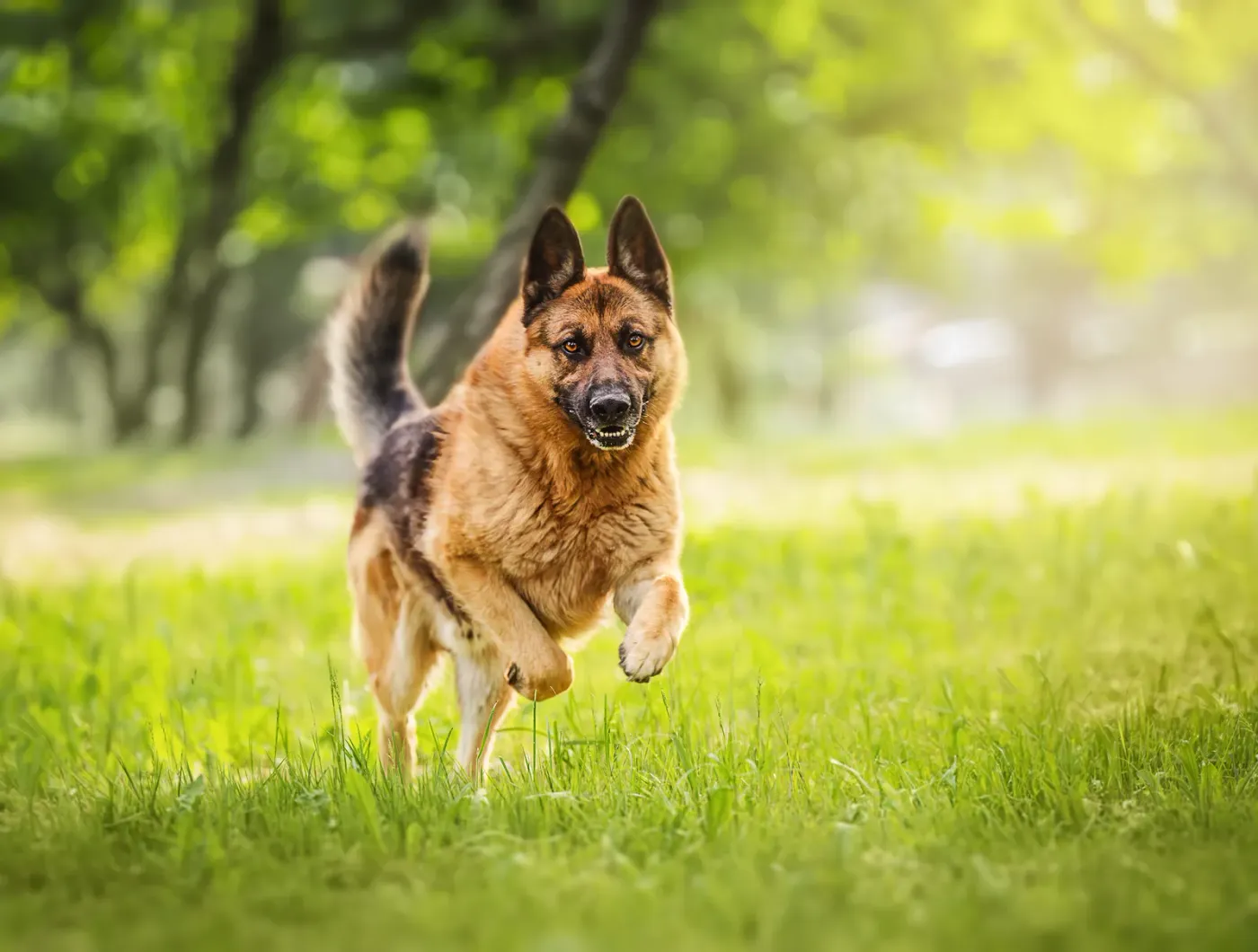
Between six and eighteen months, sex hormones climb and the brain remodels the very circuits that handle impulse control. Fear periods can resurface, so a dog that breezed past skateboards in April may spook at one in September. None of this is spite, and none of it means your early work was wasted. The skills are still in there. The dog's ability to access them under excitement is what temporarily drops.
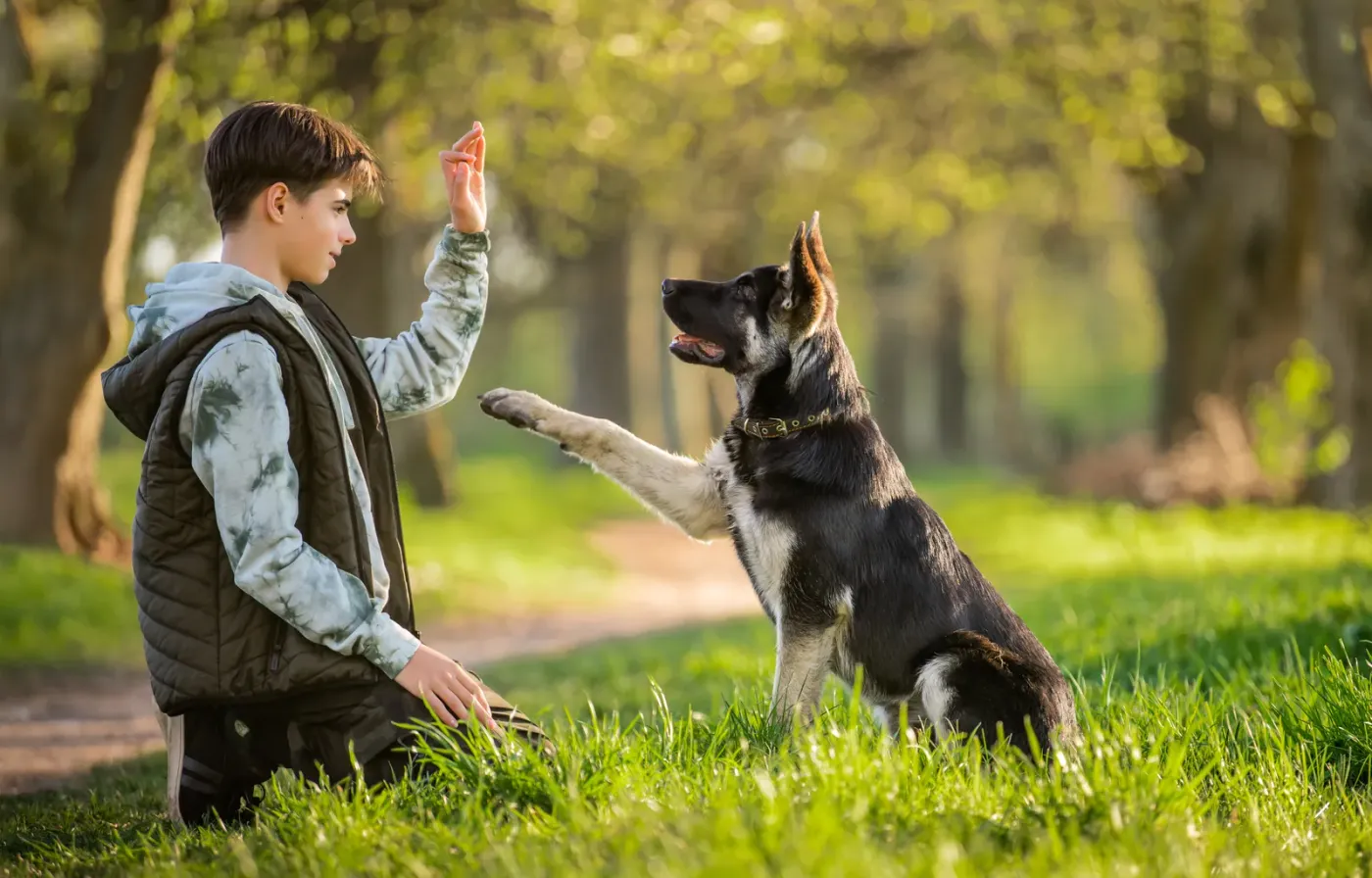
Keep the routines that hold the household together: crate time, place, waiting at doors, structured meals. Re-teach the skills that involve distance and distraction, recall above all, as if the dog were younger, with easier setups and better pay. Shrink freedom to match reliability: the long line comes back, off-leash time gets earned again. Consistency through these months is not punishment. It is scaffolding around a building still under construction.
- Hormones, not spite
- Freedom shrinks to match reliability
- Re-teach recall with easier setups
- Keep crate and place routines
The recall problem
Rebuilding recall when the world got interesting.
Recall is usually the first casualty because it competes directly with everything adolescence craves: smells, dogs, distance, speed. Rebuild it like a bank account. Deposit heavily in dull places, on a long line, with food and play the dog actually rates. Never call for things the dog hates, and never call when you cannot follow through. An ignored recall teaches its own lesson, so manage the environment until the word means something again.
This is also the age we built Functional Off-Leash for. It is a 3-week board and train, $3,030 plus GST, focused on reliable recall around real distractions, with a modern Educator remote collar introduced properly and taught to you at handover. Adolescents who need the full package, off-leash heel, distance commands, public manners, can step into Advanced Off-Leash, 4 weeks at $3,940 plus GST with two follow-up sessions. Both carry a teenager through the wobble instead of waiting it out.
The programs
Help for this chapter.
Life changes are when dogs need structure most. These formats provide it without upending the household.
SW · Weekdays, drop-off 8–10 am · pick-up 5–7 pm
Day Training
Professional training all day, your couch at night.
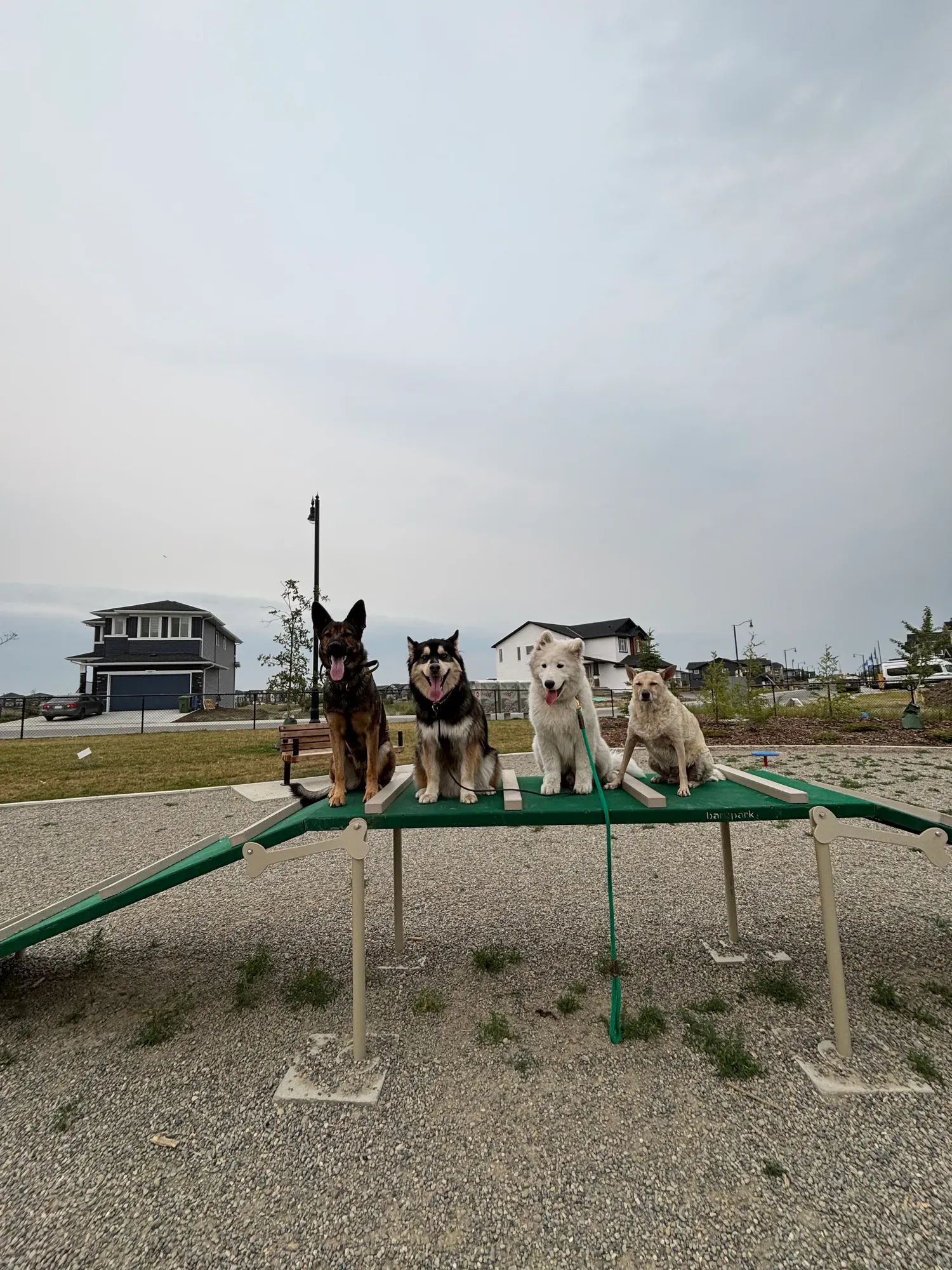
Includes weekly one-hour go-home lesson, daily structure
E · 3-week board & train
Functional Off-Leash
Everything in the on-leash program, then the next level: reliable off-leash recall even around distractions.
Includes handover lesson, follow-ups, Educator remote collar
Asked and answered
The questions people ask us.
Is adolescent dog regression normal?
Completely. Hormones and brain development temporarily undercut impulse control, so trained behaviours wobble even in well-raised dogs. Expect it somewhere between six and eighteen months and plan for it rather than panicking.
Why is my teenage dog's behaviour suddenly worse?
Adolescence rewires the brain while hormones surge, and the world becomes far more interesting than you. Add a possible second fear period and you get a dog that seems to forget its manners overnight. Tighter management and generous re-teaching bring it back.
Why is my puppy regressing at 6 months?
Six months is often the front edge of adolescence, so recall, leash manners and focus commonly dip. Go back a few steps in difficulty, pay better than you used to, and put the long line back on. It is a stage, not a verdict on your puppy.
Does dog behaviour change at 1 year old?
Often, yes. At a year many dogs are mid-adolescence: bigger, bolder and more selective about listening. Keep your structure steady, because the habits you hold now are the ones that come out the other side at maturity.
Keep reading
Teenager testing every rule?
We help adolescent dogs keep their training through the teenage months, one-on-one. Book a consultation.
From real owners
Rated 5.0 on Google.
Real Northline dogs