
Life stages
How to train a senior dog at home
An old dog is not done learning, but the way you teach has to change. Joints stiffen, hearing drops, and a brain that ran the same route for a decade takes longer to file new habits. This guide covers short-session training that respects an aging body, hand signals that outlast hearing, and what to do when winter ice meets arthritic hips.
Last reviewed August 26, 2026
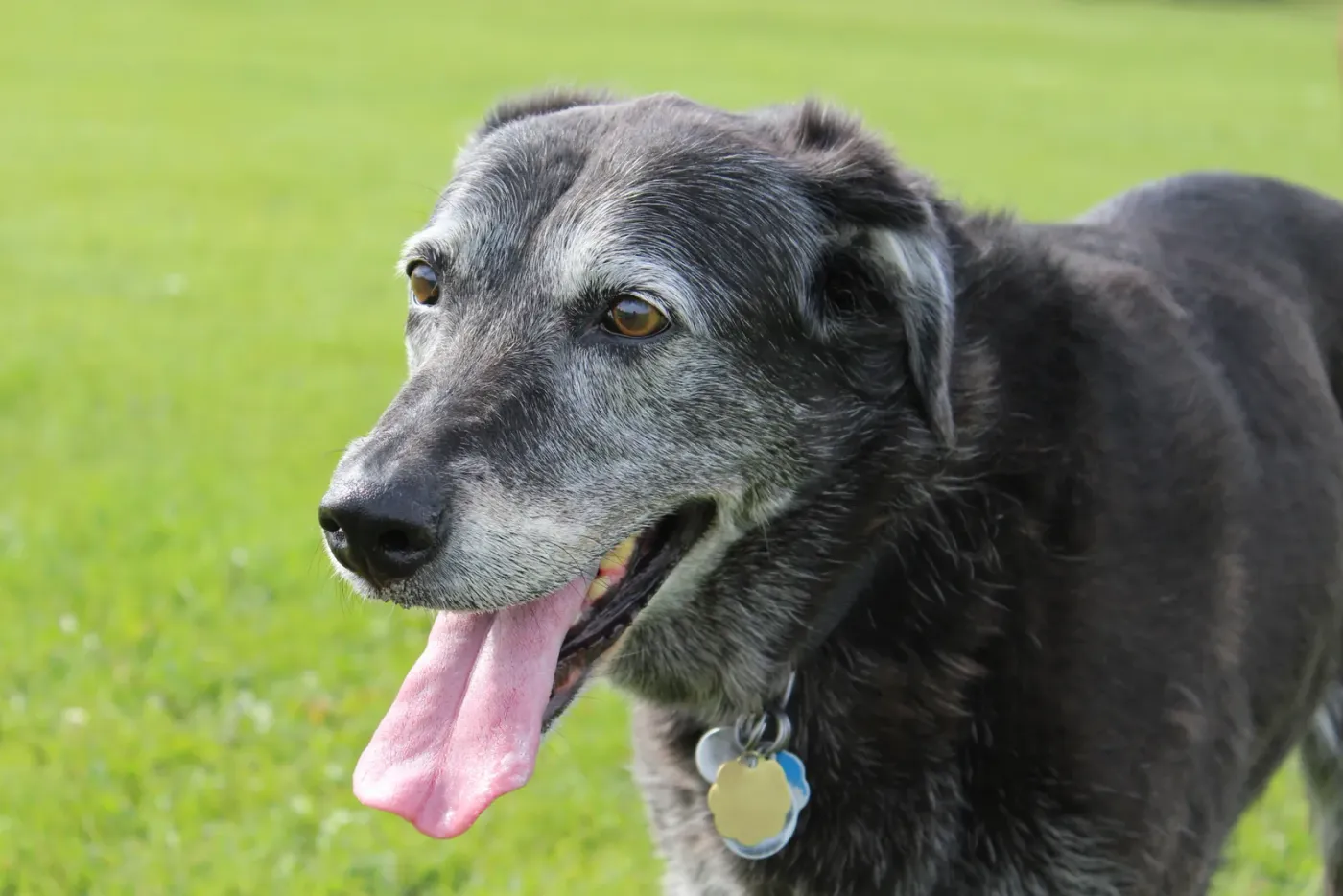
Older, still learning
Work with the body your dog has now.
Keep sessions to five minutes and run two or three a day rather than one long block. A senior dog's focus is fine; the stamina underneath it is not. Train on carpet, a yoga mat, or grass so hips never slide, and reward in position instead of luring the dog up and down. If sits have become slow or crooked, teach a comfortable stand-stay and use it instead. The goal is a job the body can do proudly.
Layer a hand signal onto every cue your dog already knows while hearing is still sharp. Say the word, show the signal, reward, repeat, then start dropping the word at random. Dogs usually transfer quickly because the behaviour itself never changed. Add a light touch cue on the shoulder for dogs whose vision is also dimming, and keep rewards soft: aging teeth and sensitive stomachs deserve consideration too.
- Five minutes, two or three times daily
- Non-slip footing for every rep
- Hand signals before hearing fades
- Soft rewards for aging teeth
Minds and winters
Plan for a changing mind and icy footing.
Some senior dogs develop genuine cognitive change: pacing at night, standing in corners, forgetting a routine they have run for years. Punishing confusion makes it worse, so simplify instead. Shrink the vocabulary to a handful of cues, keep furniture where it was, and run the day on a fixed schedule so the dog can predict what comes next. A vet visit belongs early in this process, since pain, thyroid issues, and hearing loss all mimic stubbornness.
Calgary winters are hard on old joints. Ice that a young dog skates across can put a senior on the ground, so shorten walks when sidewalks glaze over and move training indoors to hallways and carpeted rooms. Wipe salt off paws promptly, and consider a traction aid on smooth floors at home. If you want structured help, one-on-one Private Training is $150 for an hour and comes with a written weekly plan shaped around what an older body can do.
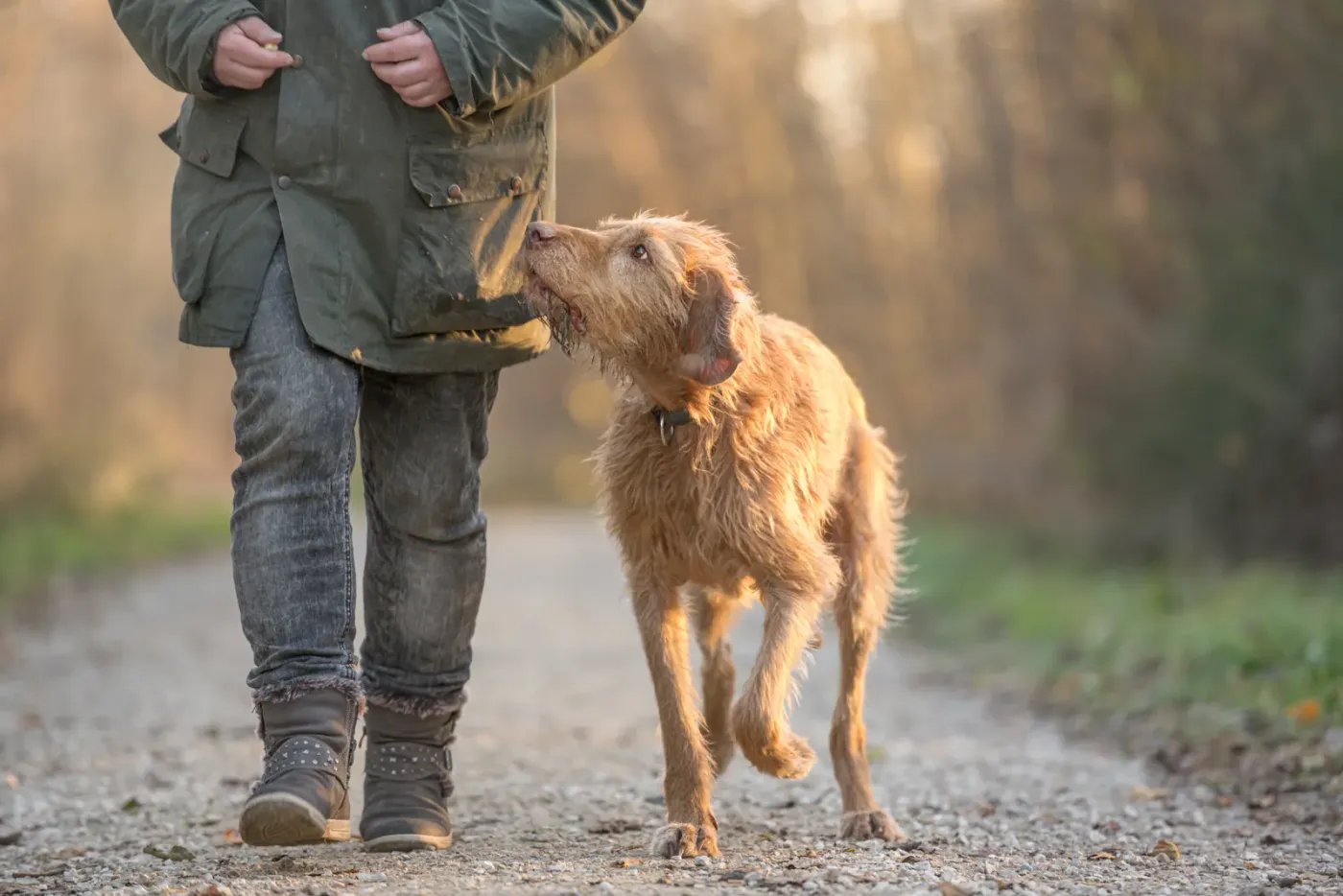
The programs
Help for this chapter.
Life changes are when dogs need structure most. These formats provide it without upending the household.
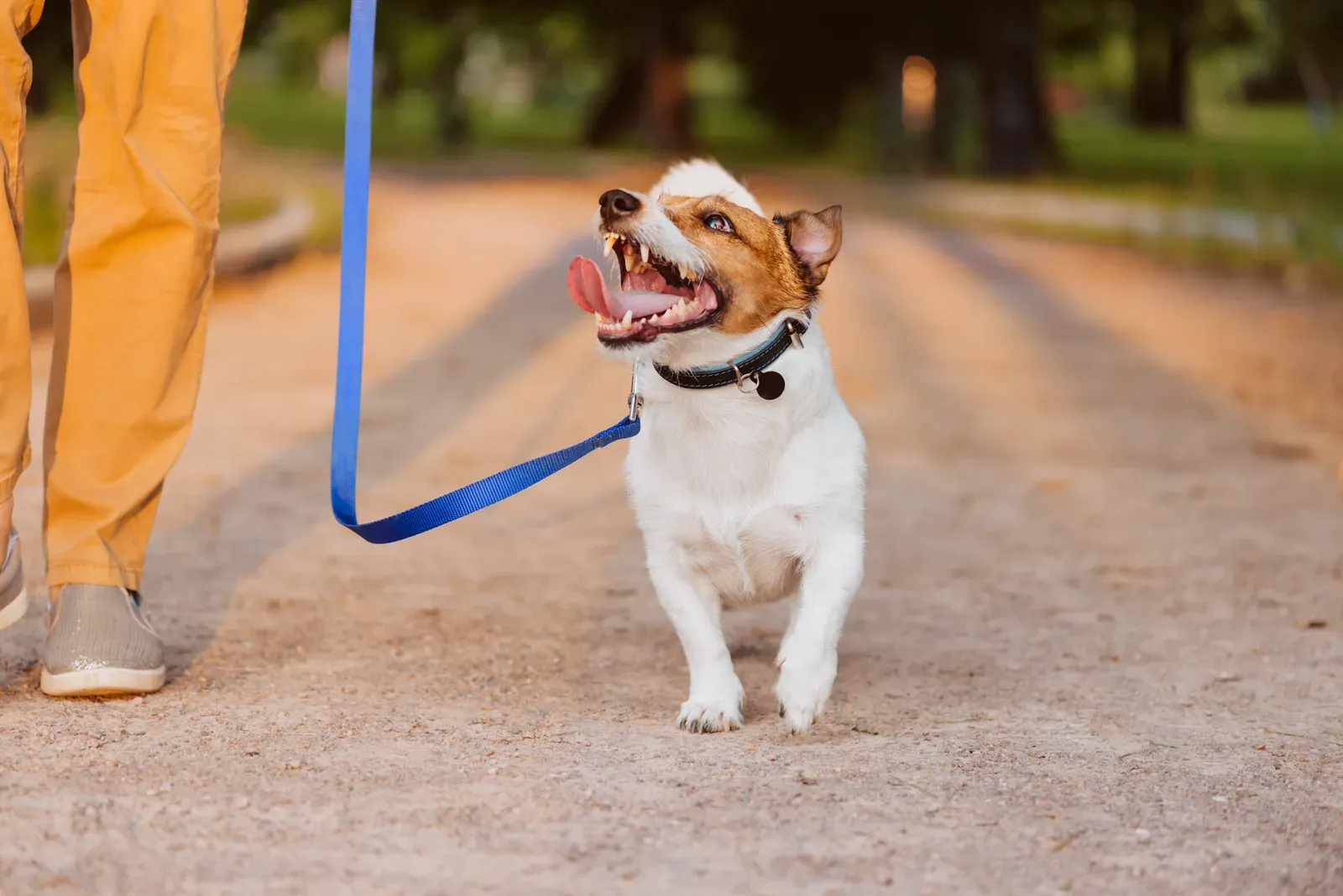
W · One-hour session
Private Training
One-on-one coaching with you on the other end of the leash.
Includes a written weekly plan to work from
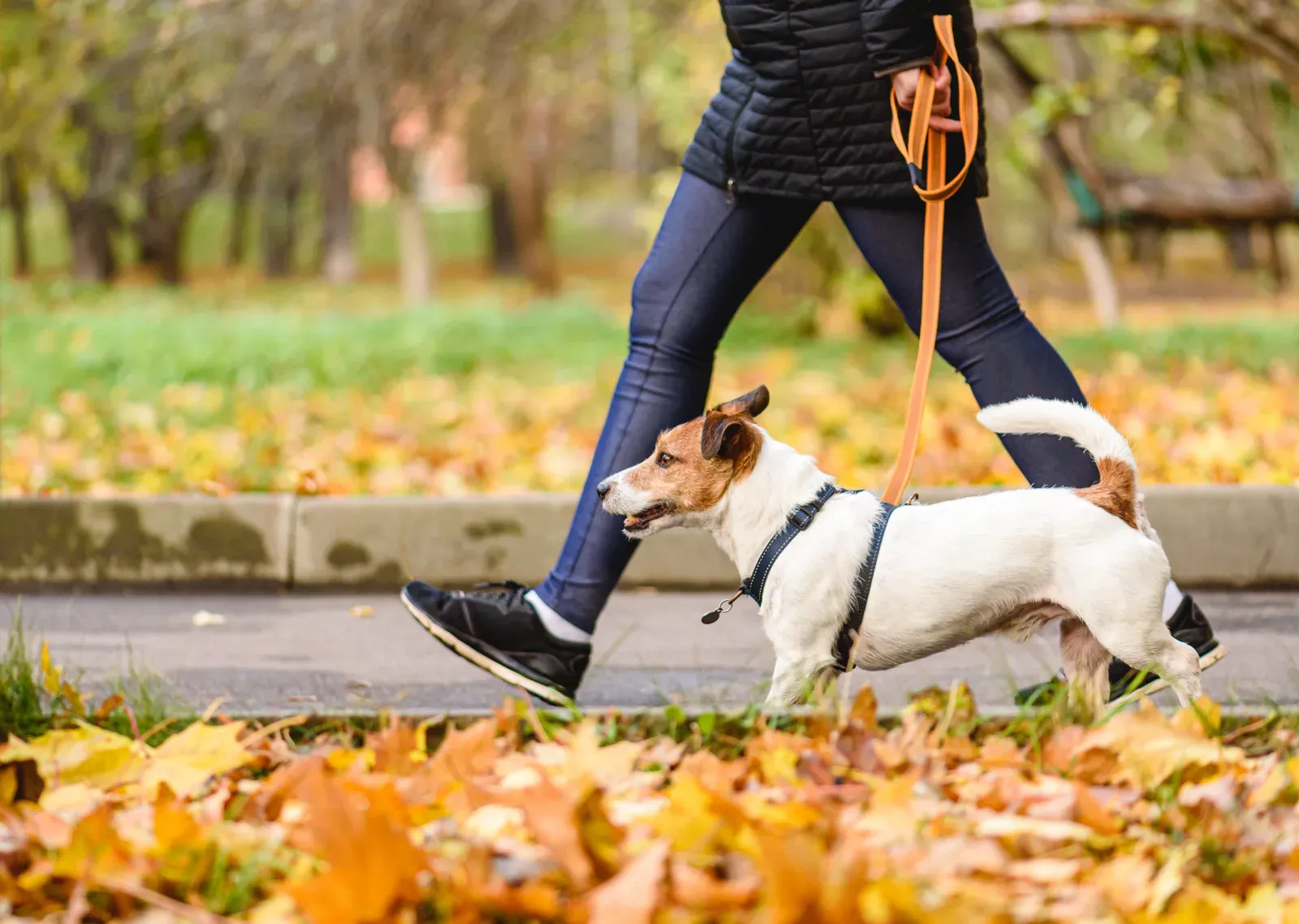
NE · 2-week board & train
On-Leash Foundations
If every walk is a wrestling match, pulling, barking, zig-zagging, this two-week program rebuilds the walk from the ground up with foundational on-leash obedience..
Includes handover lesson, follow-up session, lifetime support, slip lead + collar
Asked and answered
The questions people ask us.
Is training a senior dog worth it?
Yes. Older dogs learn readily when sessions are short and the mechanics respect their joints. Training also gives a senior structure and mental work, which often matters more at ten than it did at two.
How do I train my old dog at home?
Run five-minute sessions on non-slip footing, reward generously with soft treats, and quit while the dog still wants more. Pick one or two skills at a time and build them into the daily routine rather than holding formal classes in the living room.
Can old dogs really learn new tricks?
They can, and the saying deserves retirement. What changes is pace: a senior needs more repetitions, shorter sessions, and positions that do not strain the hips. Choose tricks like chin rests or nose targets over anything involving jumping.
Why has my senior dog's behaviour changed?
Sudden changes in a senior usually have a physical driver: pain, hearing loss, failing vision, or cognitive decline. Book a vet exam before assuming it is a training problem. Once health is ruled out, a simplified routine and hand signals rebuild much of the lost ground.
Keep reading
Senior dogs welcome here
We coach seniors one-on-one, at a pace their joints can keep. Book a consultation.
From real owners
Rated 5.0 on Google.
Real Northline dogs