Breed guide
How to train a Pitbull
Pitbulls are affectionate, athletic and carrying more public baggage than any dog deserves. The training job is partly obedience and partly reputation management: a strong dog with flawless manners changes minds every time it walks calmly past a stroller. Here is what the breed is genuinely like to live with, and the approach that gets you that dog.
Last reviewed August 26, 2026

The real dog
Strong, sweet and widely misread.
The Pitbull you live with is usually a velcro dog: affectionate to a fault, delighted by people, convinced every lap is negotiable. The challenges are physical before they are behavioural. This is a muscular, athletic dog whose happy pulling can move an adult, whose play runs hot, and whose arousal climbs fast in exciting moments. None of it is aggression. All of it needs channelling.
The honest part: many Pitbulls become dog selective in adolescence. A puppy who adored every dog it met can mature into an adult who prefers a short list of trusted friends. That is normal for the breed, not failure, and it is managed with neutrality training rather than forced friendships. Add the misjudgment from strangers, and your dog's manners have to be better than everyone else's just to be judged fairly.
- Strength arrives before manners
- Dog selectivity can emerge
- Play arousal climbs quickly
- Public perception is unfair
Manners as advocacy
Build the ambassador your neighbours meet.
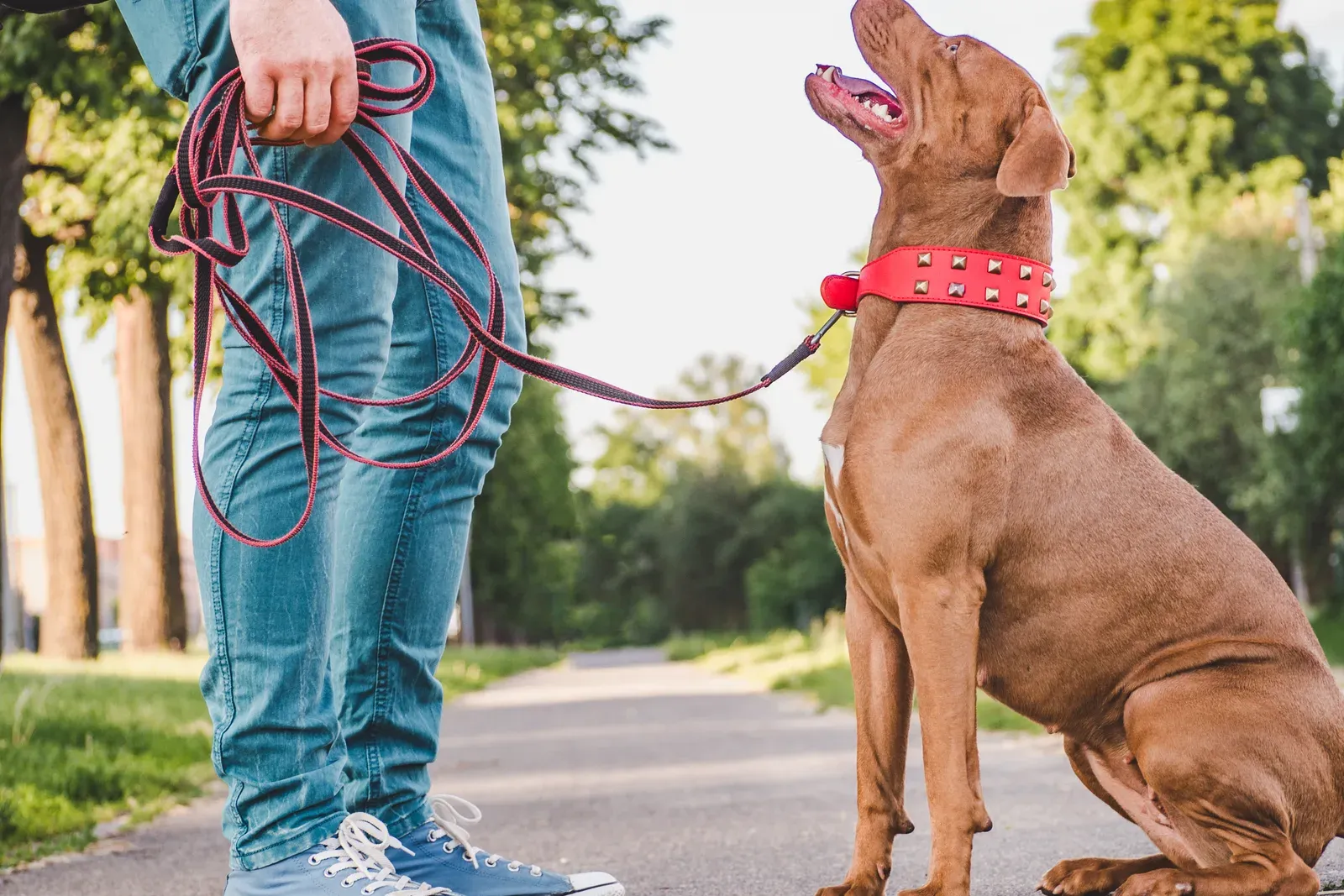
Marker training suits this breed; Pitbulls are soft to their people and work hard for praise. Loose-leash walking is priority one, conditioned early and never allowed to lapse, because a puller this strong writes its own itinerary. Teach a settle cue that ends play before arousal peaks, and reward calm around other dogs at a distance instead of engineering greetings. Neutrality is the goal; friendliness is optional.
The mistake owners make is skipping structure because the dog is friendly. Friendly plus strong plus under-trained is exactly how incidents happen. Calgary has no breed-specific ban, which means your Pitbull is judged purely on behaviour: an advantage worth protecting. The natural fit for most adolescent Pitbulls is Complete On-Leash Foundations, a two-week board and train at $1,865 plus GST covering loose-leash walking, heel, stay and place around everyday distractions, with lifetime phone and email support.
The programs
Where this breed usually lands.
The programs below are the ones this breed most often needs; the consultation confirms it for your dog.
NE · 2-week board & train
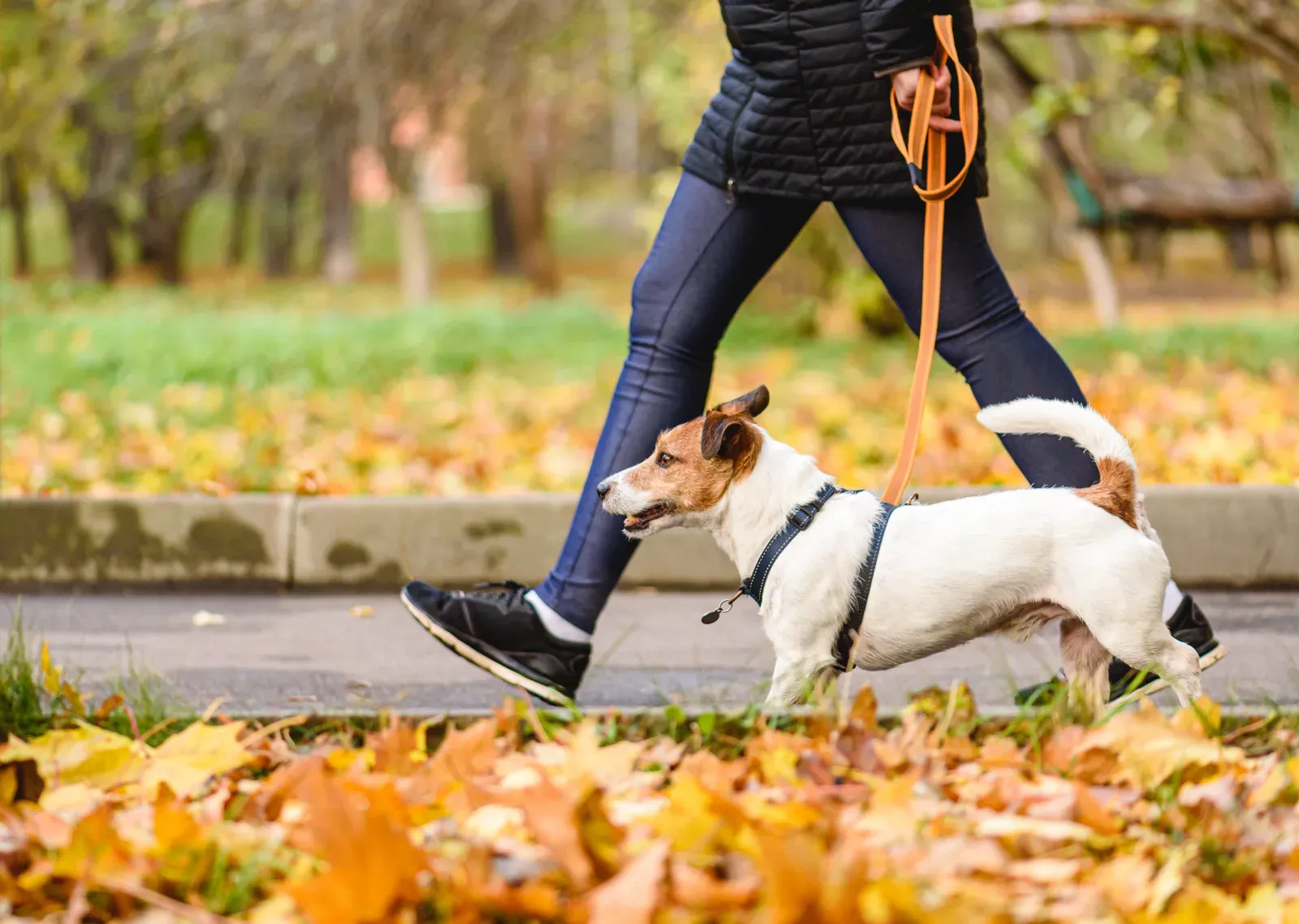
On-Leash Foundations
If every walk is a wrestling match, pulling, barking, zig-zagging, this two-week program rebuilds the walk from the ground up with foundational on-leash obedience..
Includes handover lesson, follow-up session, lifetime support, slip lead + collar
S · 5–6 week board & train
Behaviour Rehab
Kaitlin's specialty, and the work she loves most.
Includes assessment-built plan, 2 follow-ups, deep owner education
Asked and answered
The questions people ask us.
Are Pitbulls easy to train?
Very, for anything involving their people: they are biddable, food-driven and eager. The harder work is impulse control around excitement and other dogs. Plan on more proofing than teaching.
What are common Pitbull behaviour problems?
Leash pulling, jumping on guests, mouthing in play and rising dog selectivity through adolescence are the usual list. The challenges are mostly excitement and strength, not hostility toward people. Most problems trace back to a big motor with too little structure.
Do Pitbull training tips differ from other breeds?
The methods are the same; the margins are smaller. A Lab that pulls is annoying, while a Pitbull that pulls frightens people and feeds a stereotype. Train to a higher standard because the public grades this breed harshly.
When should Pitbull puppy training start?
From the first week home. Early wins are crate comfort, name response, soft-mouth play rules and calm exposure to new people and dogs. Adolescent strength arrives fast, so leash manners built in puppyhood pay off double.
Keep reading
Strong dog, better manners
Bring us the pulling, the jumping or the new dog selectivity. Book a consultation and get an honest plan.
From real owners
Rated 5.0 on Google.
Real Northline dogs