
Breed guide
How to train a Dachshund
A Dachshund is a small dog with a large legal team. Every rule gets contested: the potty schedule, the leash, the doorbell. Underneath the comedy is a clever hound that learns fast when the rules stay consistent and the rewards are worth it. Here is how we train Dachshunds week to week, what to prioritise, and how to protect that long back while you do it.
Last reviewed August 26, 2026
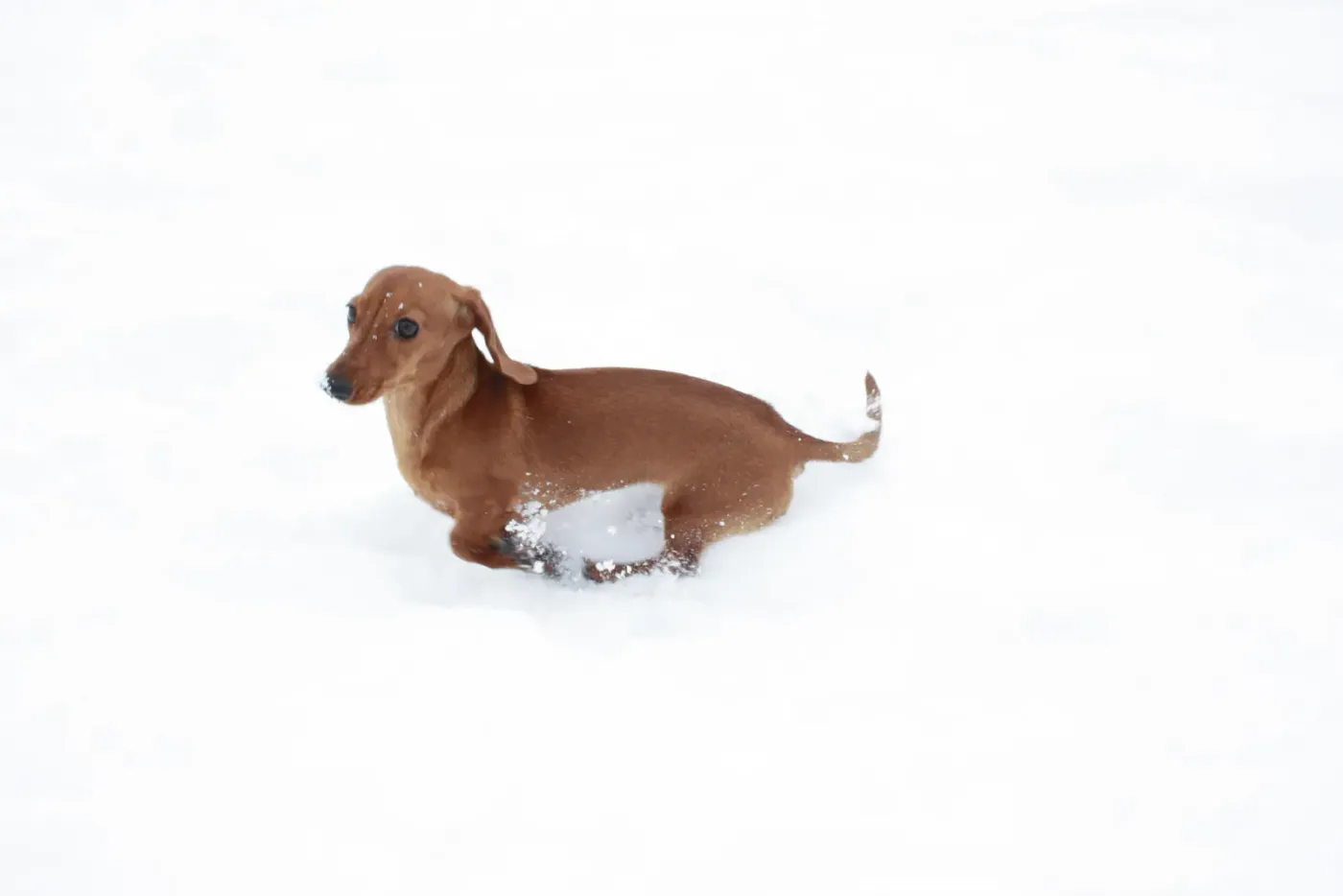
Living with one
A hound that negotiates everything.
Dachshunds were bred to follow badgers underground and make decisions alone in the dark. That history shows up in your kitchen as comic stubbornness: the dog heard you, considered it, and declined. Potty training is genuinely slow with this breed, often months longer than owners expect, and it is a routine problem, not an intelligence problem. Punishing the accidents just teaches sneakier accidents.
The other two staples are alert barking and leash defiance. A Dachshund announces every delivery, dog and distant door slam, then plants all four feet when the walk stops suiting them. Both habits are manageable, and both get worse if they work even once. Add the back: this is a breed where jump-heavy training is off the table, so manners have to come from brains, not exercise.
- Slow, honest potty timelines
- Alert barking with a quiet cue
- Leash defiance handled calmly
- Back-safe skills only
Training that works
Win the argument with structure, not volume.
We teach Dachshunds with markers and food first, because this breed works hard for a clear payoff and not at all for vague praise. Sessions stay short and end while the dog is still winning. Potty training runs on a written schedule, one door, one spot, and rewards delivered outside, not back in the kitchen. The quiet cue is taught, paid, and practised before the doorbell tests it.
Calgary adds one honest complication: at minus 25 the potty refusal is real, and a half-trained Dachshund will vote for the rug. We plan for it with shorter trips, a lit spot near the door, and a jackpot for producing quickly. Most Dachshunds fit our On-Leash Foundations board and train at $1,865 plus GST, with Puppy Fundamentals at $2,775 for the young ones still learning where to pee.
The programs
Where this breed usually lands.
The programs below are the ones this breed most often needs; the consultation confirms it for your dog.
W · One-hour session
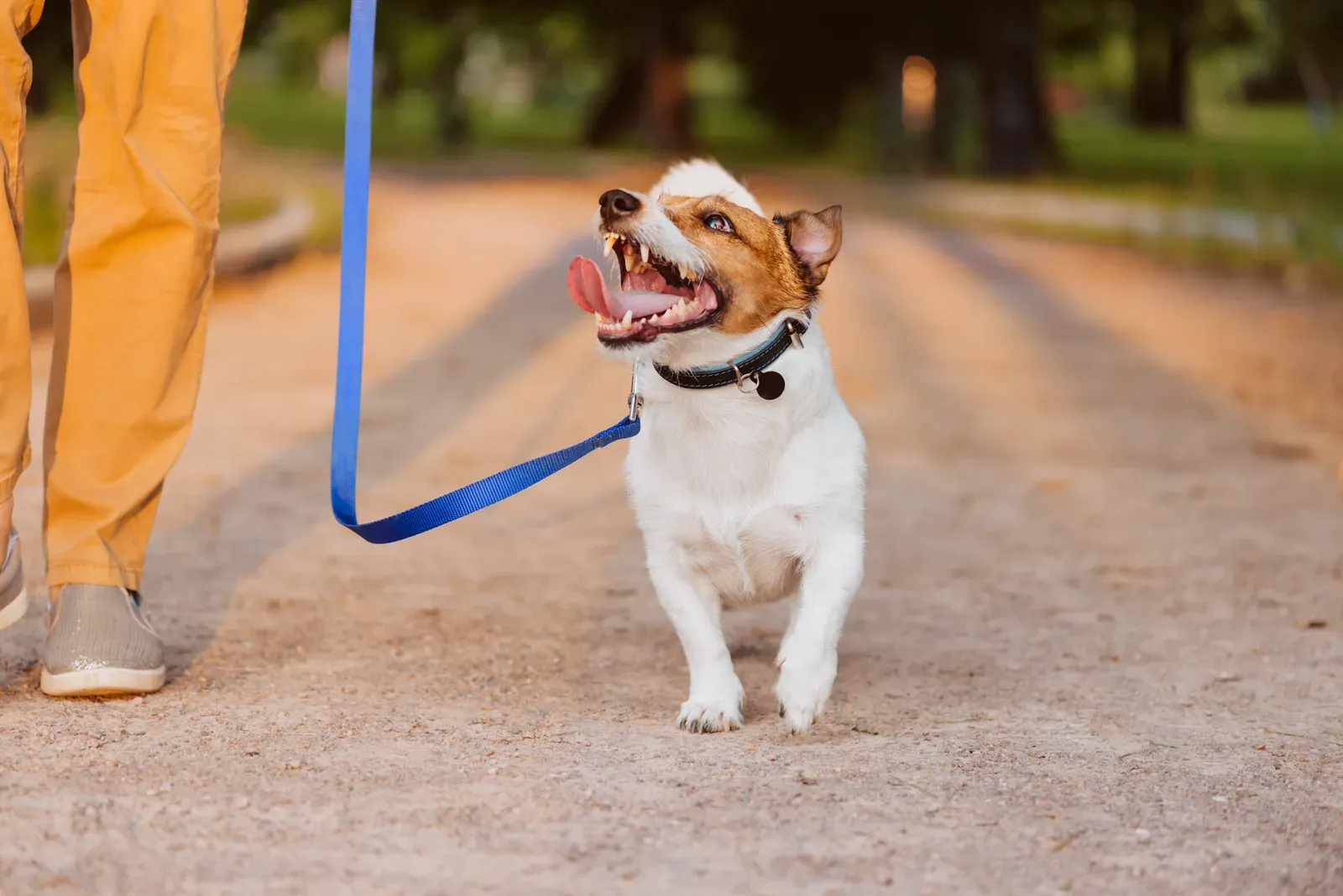
Private Training
One-on-one coaching with you on the other end of the leash.
Includes a written weekly plan to work from
N · 3-week board & train
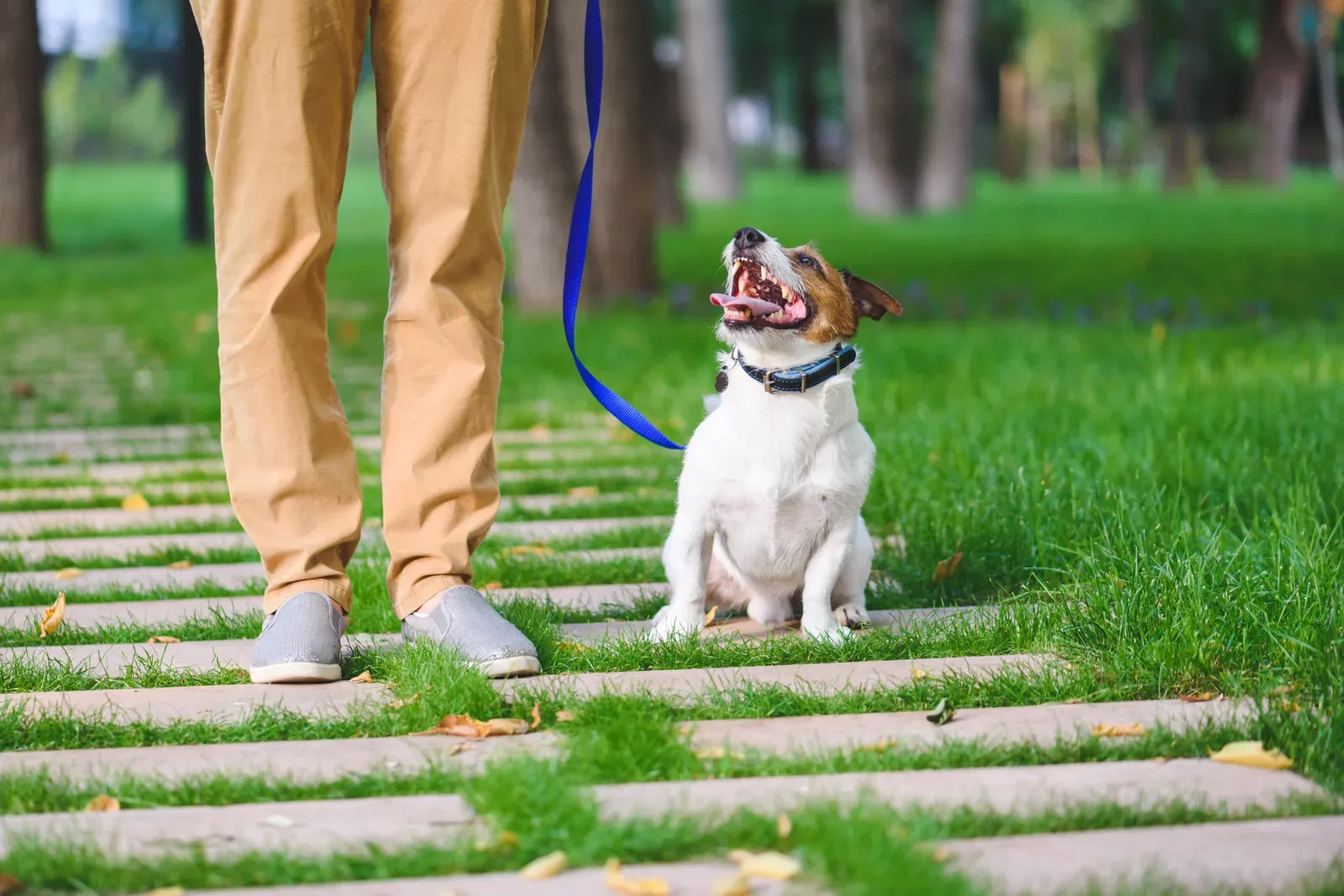
Puppy Fundamentals
Your puppy's first months decide the habits of a lifetime.
Includes handover lesson, follow-up session, slip lead + collar
Asked and answered
The questions people ask us.
Are Dachshunds easy to train?
They are clever and surprisingly quick to learn, but they contest anything optional, so consistency matters more than repetition. Potty training in particular runs slow. With clear rules and real rewards they train well; with mixed signals they train you.
What are the most common Dachshund behaviour problems?
Alert barking, leash defiance and slow potty training top the list. They come from a breed built to act on its own judgment, not from a bad dog. Each one responds well to structured one-on-one training.
What should Dachshund puppy training focus on?
Crate comfort, a strict potty routine, name response and calm leash walking, all taught in short sessions. Skip jump-heavy games entirely to protect the back. Our Puppy Fundamentals program covers exactly this ground in three weeks.
Any Dachshund training tips for stubborn moments?
Do not repeat the cue and do not negotiate. Make the right choice pay well, make the wrong choice boring, and end sessions before the dog checks out. Stubbornness usually evaporates when the reward math is clear.
Keep reading
Out-stubborn your Dachshund
Tell us what your Dachshund is currently refusing. We will build a back-safe, one-on-one plan. Book a consultation.
From real owners
Rated 5.0 on Google.
Real Northline dogs