
Breed guide
How to train a Cattle Dog
A Cattle Dog was built to move stubborn livestock by biting heels, and it did not read the memo about retirement. That intensity is the best and hardest thing about the breed. This guide covers what heelers are actually like to live with, the behaviours that show up on schedule, and the training approach that turns all that drive into something you can take hiking.
Last reviewed August 26, 2026
Living with one
A working brain that never clocks out.
Cattle Dogs are intense, tough and naturally suspicious of strangers. None of that is a flaw; it is the job description. A dog bred to push livestock all day arrives wired to control movement, question new people and keep working long after everyone else is tired. In a suburban house with no herd, that drive does not disappear. It gets reassigned, usually to your children, your guests or the vacuum.
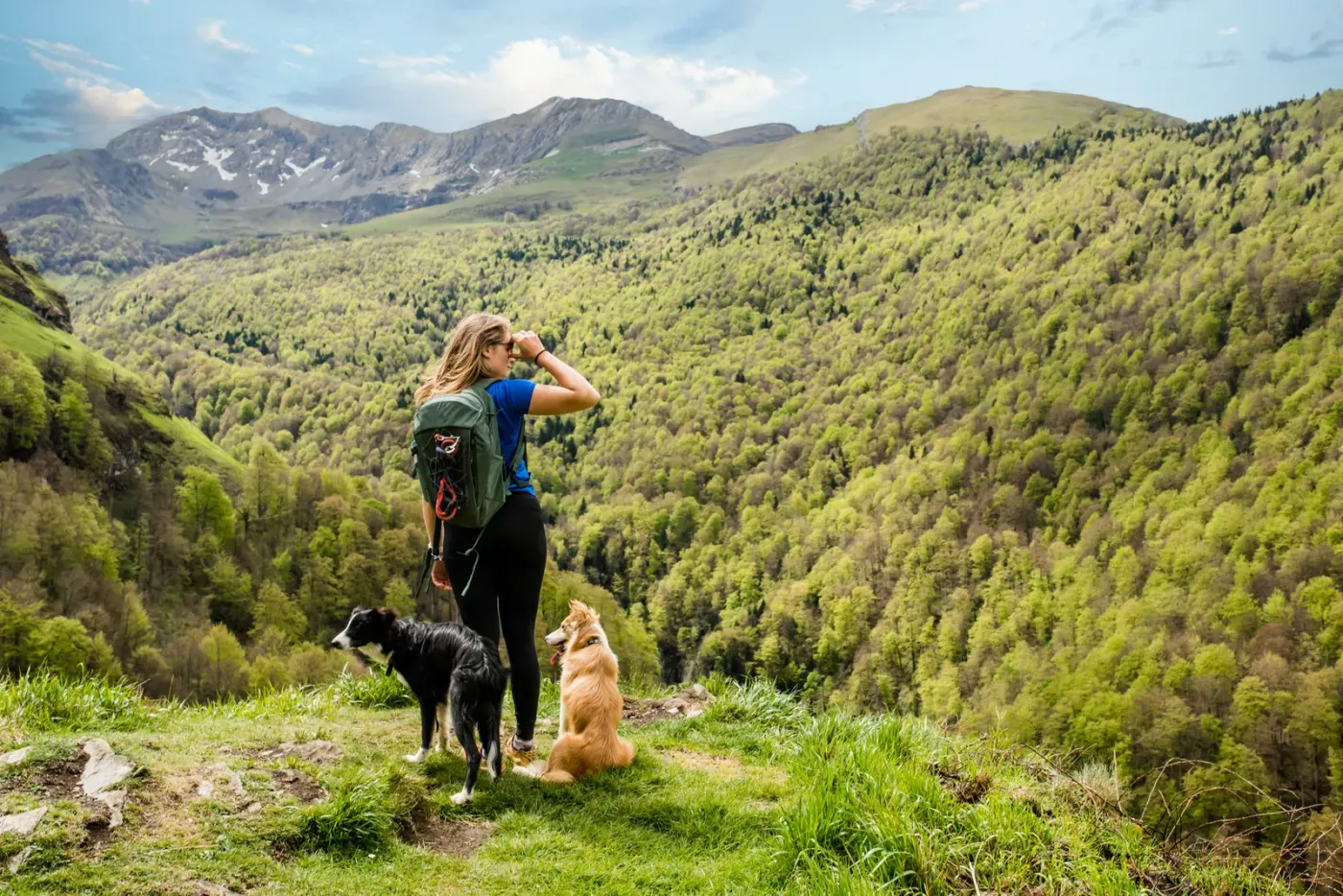
The classic pattern: heel-nipping at running kids or bikes, guarding doorways and food, reactivity on leash, and yard escapes engineered with unsettling patience. Adolescence sharpens all of it, because a bored teenage heeler starts making executive decisions. Owners who hike, run or genuinely work their dogs tend to thrive with the breed. Owners hoping for a couch companion who self-regulates usually end up phoning a trainer.
- Bred to bite moving heels
- Suspicious of strangers by design
- Plans yard escapes patiently
- Thrives with owners who hike
Training the heeler
Give the drive somewhere legal to go.
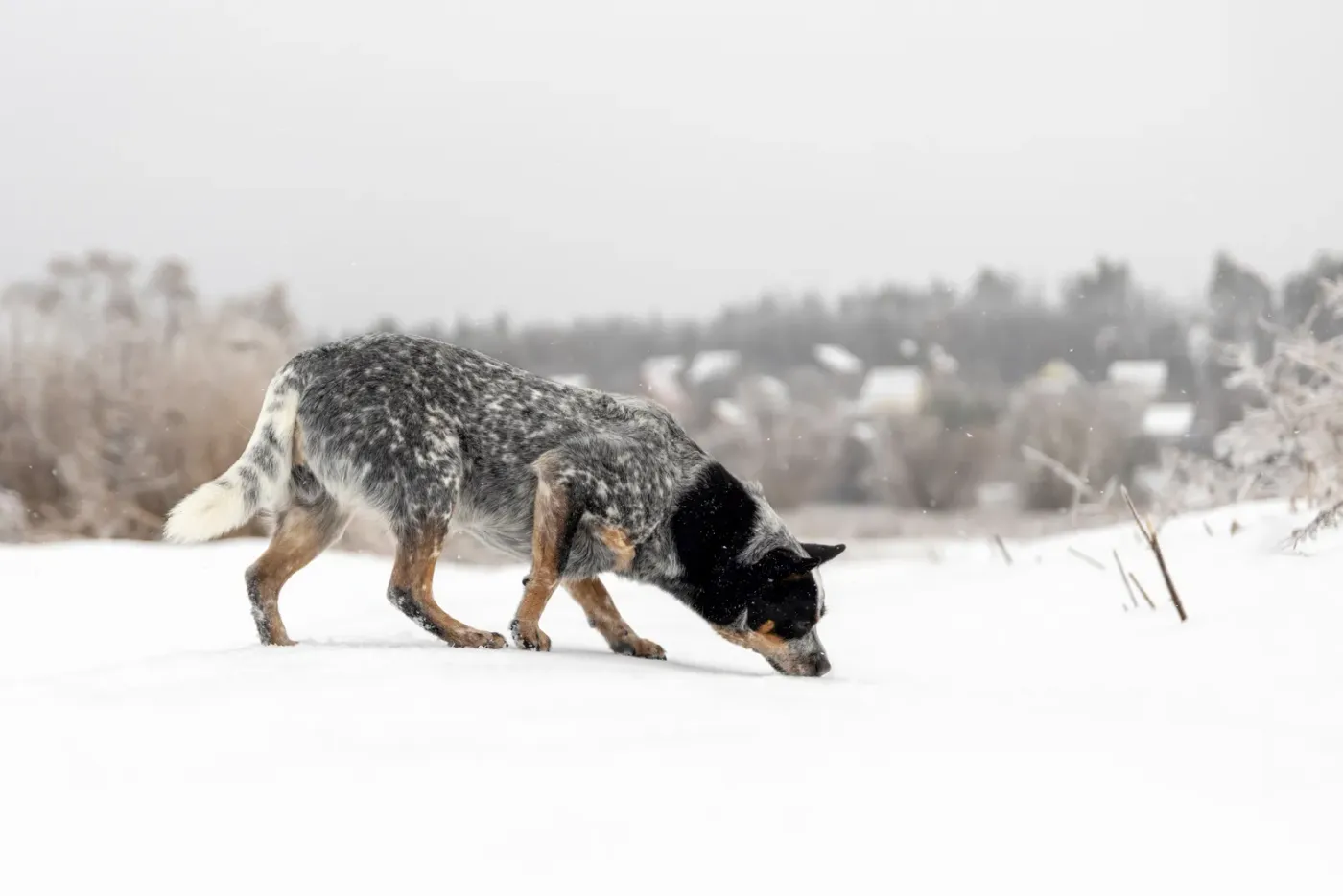
Start with markers and rewards; heelers learn fast and hold grudges against unfair corrections. Teach place until it survives knocks at the door, because a dog parked on a mat cannot herd your guests. Recall is the other non-negotiable, proofed around bikes, runners and other dogs before it earns any freedom. Structured socialization matters more than volume: calm exposure to strangers, paid well, beats a hundred chaotic meet-and-greets.
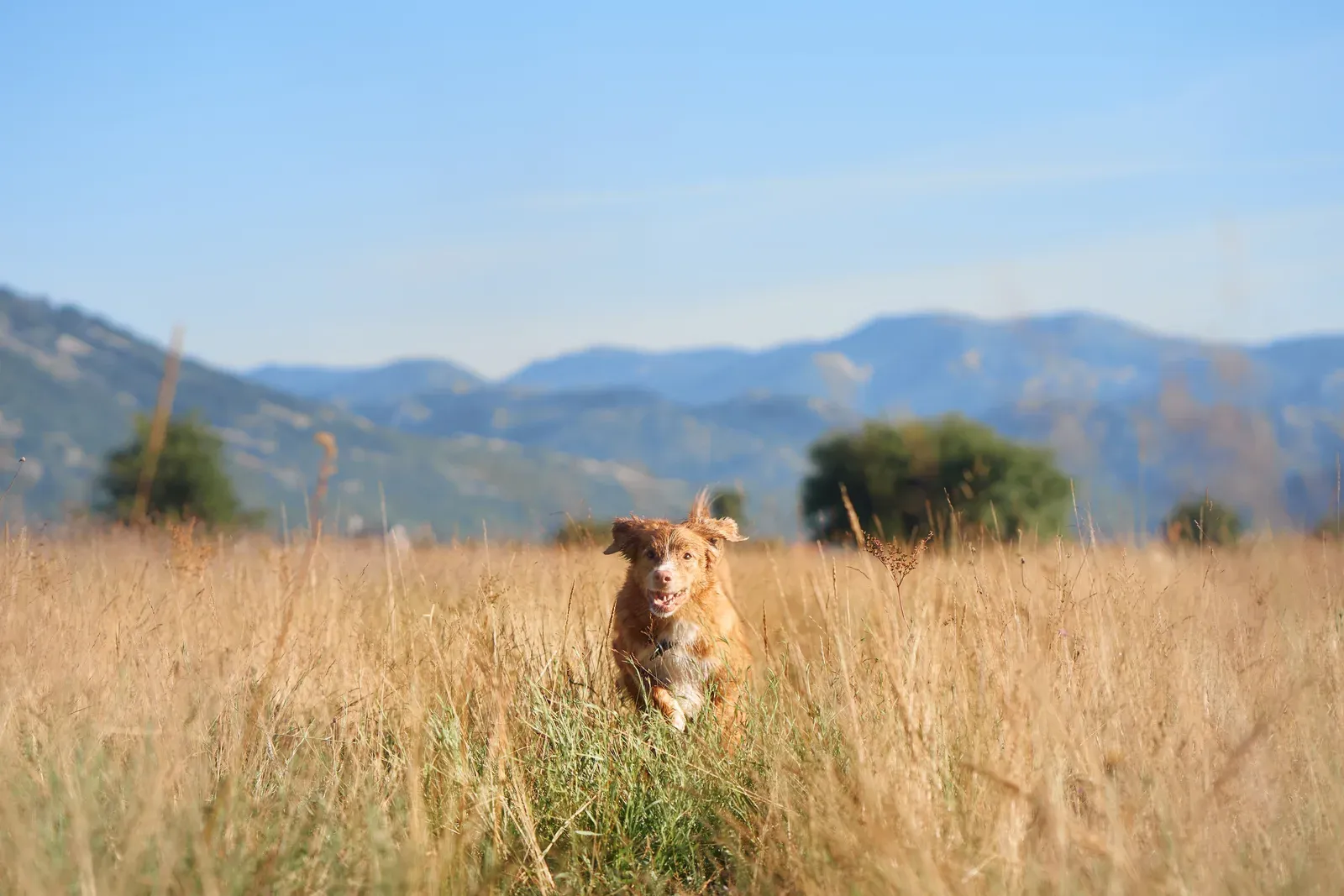
The common mistake is treating exercise as the cure. A tired heeler with no rules is just a fit problem dog. Around Calgary, where owners often want a trail partner, off-leash reliability has to be earned in stages, not assumed on the first hike. For most Cattle Dogs we recommend Functional Off-Leash, a three-week board and train at $3,030 plus GST that builds recall around real distractions, with an Educator remote collar included and taught to you properly.
The programs
Where this breed usually lands.
The programs below are the ones this breed most often needs; the consultation confirms it for your dog.
E · 3-week board & train
Functional Off-Leash
Everything in the on-leash program, then the next level: reliable off-leash recall even around distractions.
Includes handover lesson, follow-ups, Educator remote collar
S · 5–6 week board & train
Behaviour Rehab
Kaitlin's specialty, and the work she loves most.
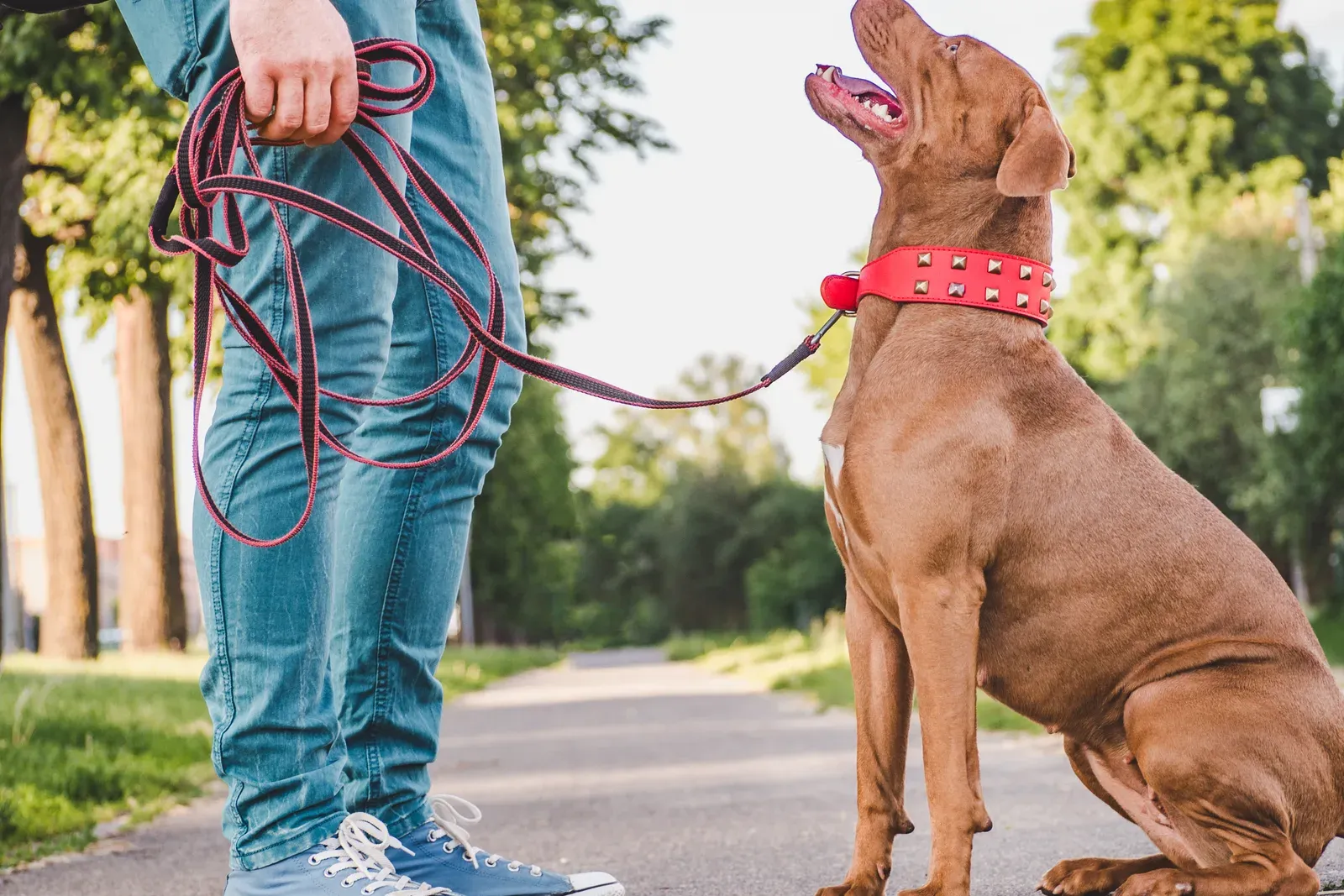
Includes assessment-built plan, 2 follow-ups, deep owner education
Asked and answered
The questions people ask us.
Are Cattle Dogs easy to train?
They learn obedience quickly; the hard part is impulse control. A heeler will master sit in an afternoon and spend adolescence testing whether the rules still apply. Consistency, real consequences and a daily job matter more than raw repetition.
What are the most common Cattle Dog behaviour problems?
Heel-nipping at kids and bikes, suspicion of strangers, leash reactivity, resource guarding and creative yard escapes top the list. All of them are herding drive with nowhere to go. Management plus trained alternatives, especially place and recall, resolves most of it.
What are your best Cattle Dog training tips?
Work the brain before the body, make calm greetings the best-paying job available, and never let the yard become an unsupervised entertainment system. Teach recall with markers first, then proof it around movement. Skip dog parks; calm, controlled socialization suits this breed far better.
When should Cattle Dog puppy training start?
Immediately, because the herding instincts show up before the manners do. Early crate comfort, name response, leash skills and calm exposure to strangers prevent the classic problems instead of repairing them. Our Puppy Fundamentals program covers exactly that groundwork in three weeks.
Keep reading
Got a heeler with plans?
One dog, one plan, no group classes. Book a consultation and tell us what your heeler is doing.
From real owners
Rated 5.0 on Google.
Real Northline dogs