Breed guide
How to train a Bernese Mountain Dog
The Bernese is easy to love and easy to underestimate. The puppy that flops on your feet becomes a large adolescent that leans on guests, hauls on the leash, and matures on its own schedule. Training one is less about tricks and more about building habits the adult body cannot overpower. Here is what that looks like in practice.
Last reviewed August 26, 2026
The daily reality
The lean is a lifestyle, not a phase.
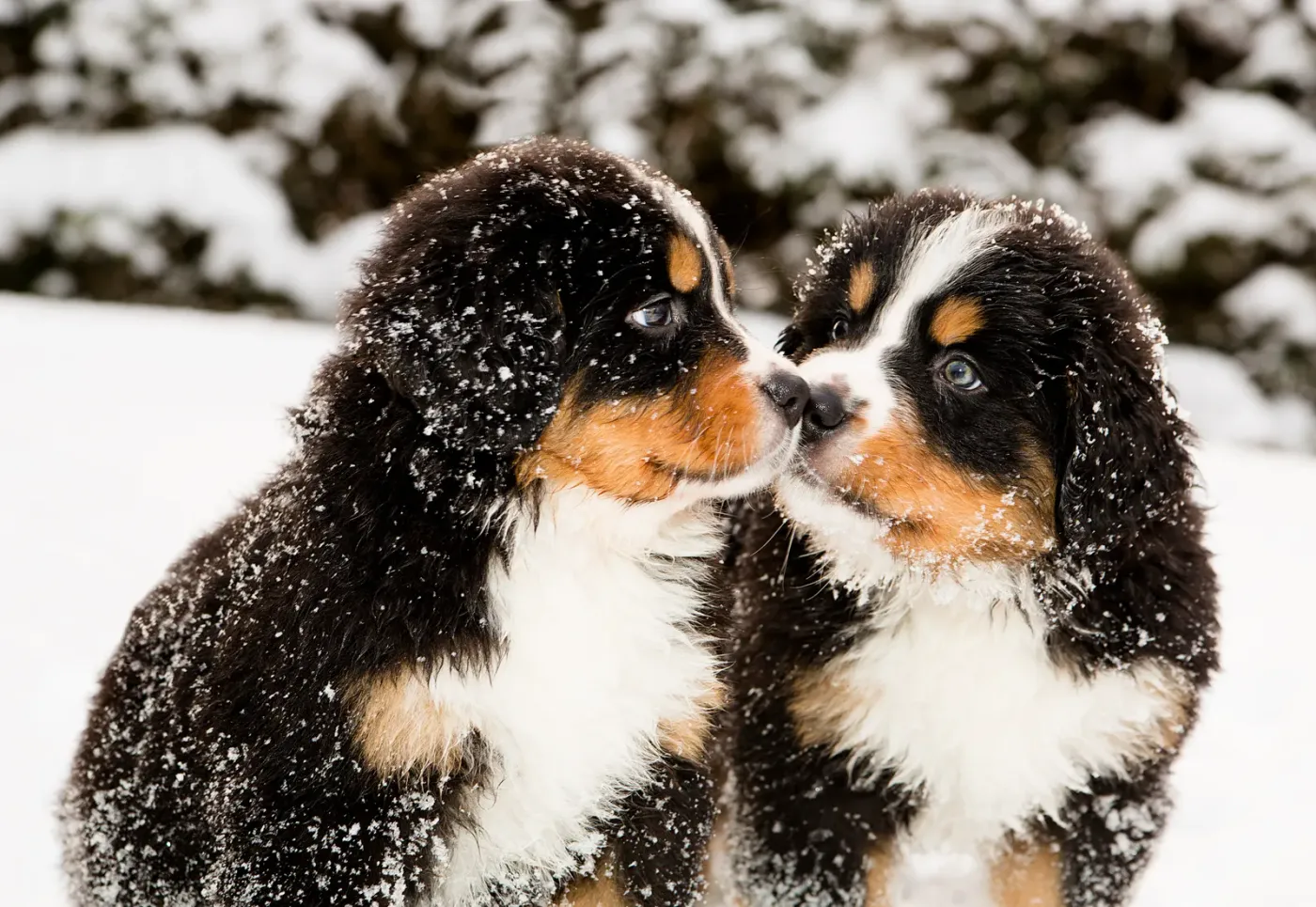
Berners were bred to pull, and it shows the moment something interesting appears across the street. The pulling is not defiance; it is a body built for draft work doing what it was built for. Add furniture-grade leaning, a full-body flop against your legs, the couch, or a visiting toddler, and you have a dog whose affection carries real weight. None of it is a problem in a puppy. All of it is once the adult frame arrives.
Then there is the adolescence, which arrives on time and leaves late. A Berner can look grown long before it thinks grown, so owners often retire the training routine just as the teenage brain checks out. Expect sensitivity too: this breed reads tone and mood closely, sulks under harsh handling, and shuts down if corrections come before understanding. The dogs that do best live with owners who stay patient, consistent and slightly boring about the rules.
- Teach heel before full size
- Leaning is cute until it isn't
- Adolescence runs long; plan for it
- Thrives in winter, wilts in July
The training plan
Teach the walk before the weight wins.
Start with marker training and food: Berners work happily for both, and clear yes-signals suit a breed that worries about getting it wrong. Prioritise loose-leash walking, a rock-solid place command for the leaning, and calm greetings before the dog is big enough to make its own rules. A slip lead or properly fitted prong collar can give a smaller handler honest steering on a big dog, but only after the skill is taught, never instead of teaching it.
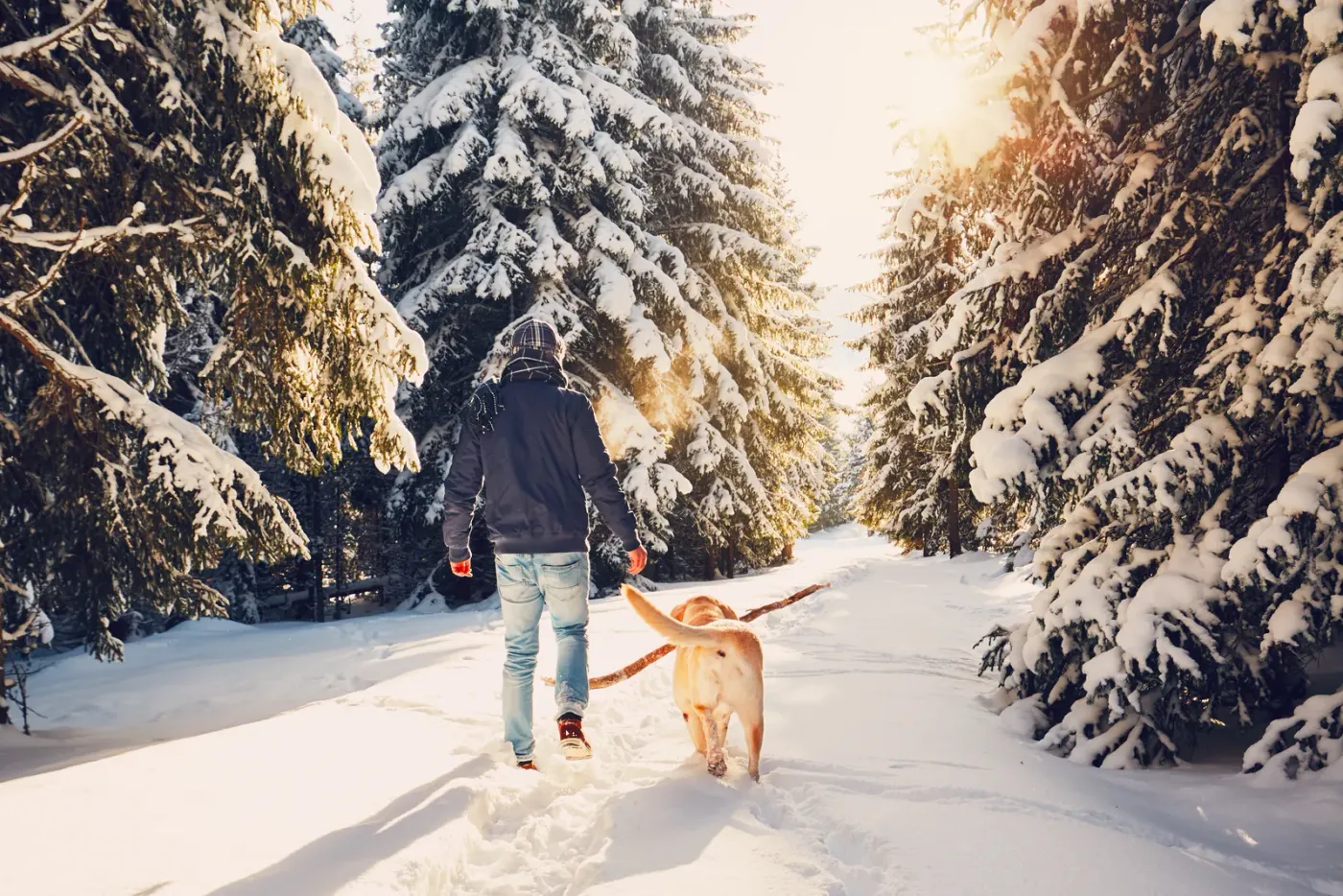
The Calgary reality: this breed was made for our winters and suffers in July, so train hard through the cold months and keep summer sessions short and early. The most common mistake we see is easing off right when adolescence begins. For most Berners, the place to start is Complete On-Leash Foundations, a 2-week board and train at $1,865 plus GST that builds the walking and household manners a dog this size has to have.
The programs
Where this breed usually lands.
The programs below are the ones this breed most often needs; the consultation confirms it for your dog.
NE · 2-week board & train
On-Leash Foundations
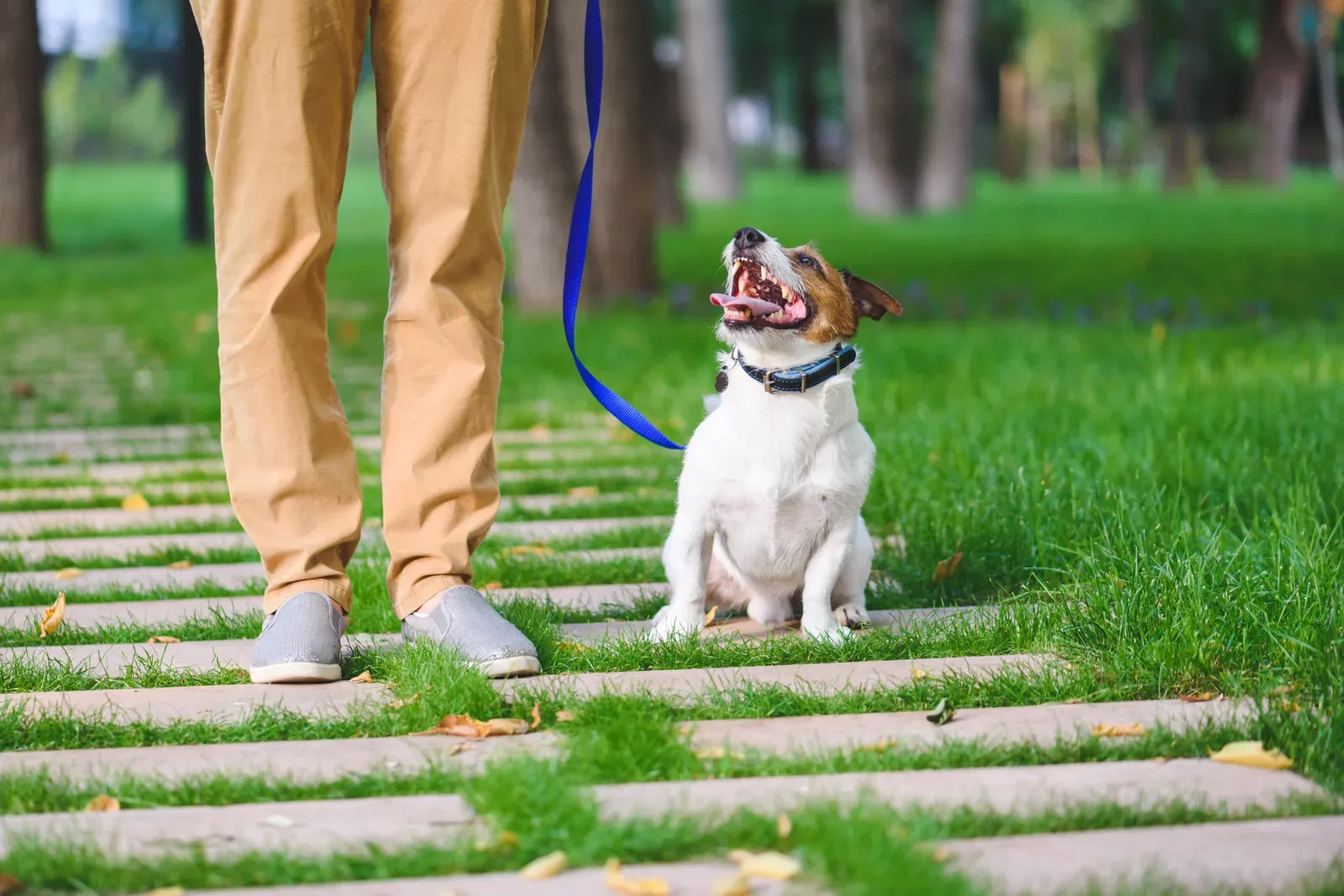
If every walk is a wrestling match, pulling, barking, zig-zagging, this two-week program rebuilds the walk from the ground up with foundational on-leash obedience..
Includes handover lesson, follow-up session, lifetime support, slip lead + collar
N · 3-week board & train
Puppy Fundamentals
Your puppy's first months decide the habits of a lifetime.
Includes handover lesson, follow-up session, slip lead + collar
Asked and answered
The questions people ask us.
Are Bernese Mountain Dogs easy to train?
Willing, yes; fast, no. A Berner learns happily with markers and food, then spends a long adolescence testing whether the rules survived its growth spurt. Owners who stay consistent through that stretch end up with an easy adult dog.
What are common Bernese Mountain Dog behaviour problems?
Pulling on leash, leaning on everyone, and door greetings with too much enthusiasm are the usual three, and each gets worse as the dog grows. Most began as puppy behaviours nobody minded. Retraining them is very doable at any age.
What does Bernese Mountain Dog puppy training look like?
Start the week the puppy comes home with crate comfort, name response and short leash sessions before pulling ever pays off. Keep socialization structured and calm rather than busy. The habits you build now are the ones you will live with at full size.
Any Bernese Mountain Dog training tips for adolescence?
Keep formal training running right through the teenage months, because this breed matures late. Go back a step when the dog seems to forget known skills, reward calm generously, and protect your leash standards on every single walk.
Keep reading
Manners at full size
Tell us what your Berner is doing, and we will map the shortest route to a walk you enjoy. Book a consultation.
From real owners
Rated 5.0 on Google.
Real Northline dogs