
Training notes
Stampede countdown: fireworks prep starts now
Every summer we meet dogs in the second week of Stampede, shaking under a table, and owners asking what they can do tonight. The honest answer is not much. The real answer lives six weeks earlier, in quiet living rooms, with a speaker turned down low and a bowl of dinner. If you are reading this in late spring, you are right on time.
Last reviewed August 26, 2026

Six weeks out
Why last-minute sound work fails.
Desensitization is boring on purpose. The dog hears a boom so quiet it barely registers, something good happens, and the session ends before anyone gets worried. Repeat that daily and the brain slowly refiles fireworks under background noise. The process cannot be rushed, because one scary overexposure can undo two weeks of careful work. That is why the countdown matters. Six weeks gives you room to move in small steps, take a day off when your dog looks unsure, and still arrive at Stampede with a dog who has heard a thousand tiny booms and shrugged at every one.
Cramming does the opposite. Playing fireworks at full volume the night before, or worse, during the real thing, teaches the dog that the scary sound is everywhere and inescapable. Trainers call it flooding, and it makes sensitization more likely, not less. So we start quiet enough to feel silly. Meal times are perfect: the speaker murmurs in the next room while dinner lands in the bowl. Over weeks, the volume creeps up only as long as the dog stays loose, snacks happily, and offers the same relaxed body language you would see on an ordinary Tuesday.
- Recorded booms at meal times
- Volume low enough to shrug at
- A covered den, door open
- Sessions short, progress gradual
The schedule
What each week should look like.
Weeks one and two are volume work: recorded fireworks under meals, play, and sniffy walks, always quiet, always paired with something the dog loves. Weeks three and four add the den. Pick a closet, a covered crate, or the cool side of the basement, feed every chew and long-lasting treat there, and let your dog discover it is the best room in the house. Nobody is locked in. Weeks five and six are rehearsal: run the whole evening routine, sound on, den ready, blinds down, so the first real boom lands inside a pattern your dog already knows.
Some dogs need more than a speaker and a schedule. If yours already trembles at thunder, hides from the barbecue lighter, or takes hours to settle after a startle, that is genuine noise anxiety, and private coaching or a structured program is the kinder route. Private Training runs $150 per one-hour session with a written weekly plan, which suits sound work well because most of the repetitions happen at home between sessions. For dogs whose fear has spread into daily life, Behaviour Rehab is a five to six week board and train, $4,850 to $5,760 plus GST after a full assessment.

The programs
If this note hit home.
The programs below are how we turn a seasonal problem into a solved one.
W · One-hour session
Private Training
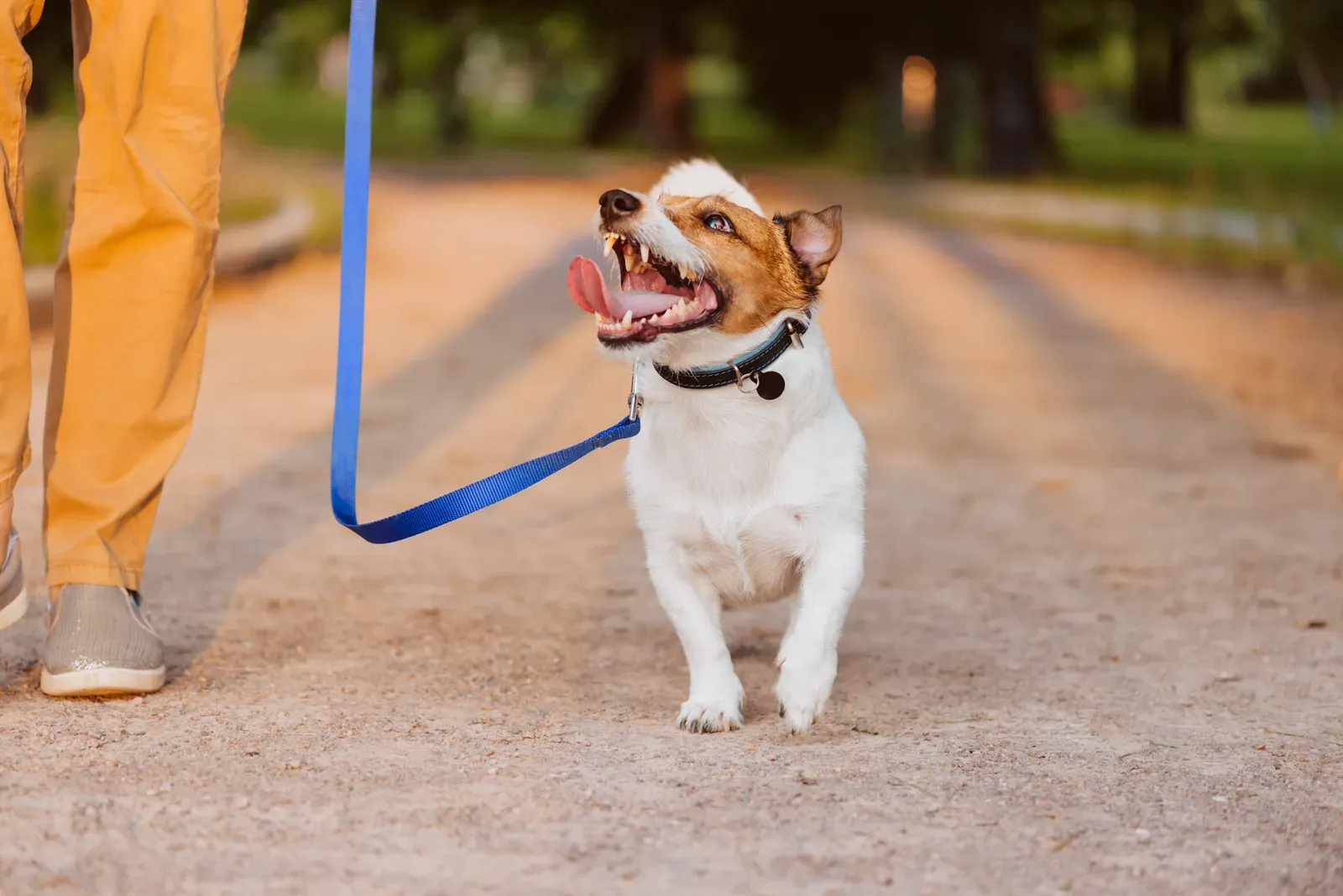
One-on-one coaching with you on the other end of the leash.
Includes a written weekly plan to work from
S · 5–6 week board & train
Behaviour Rehab
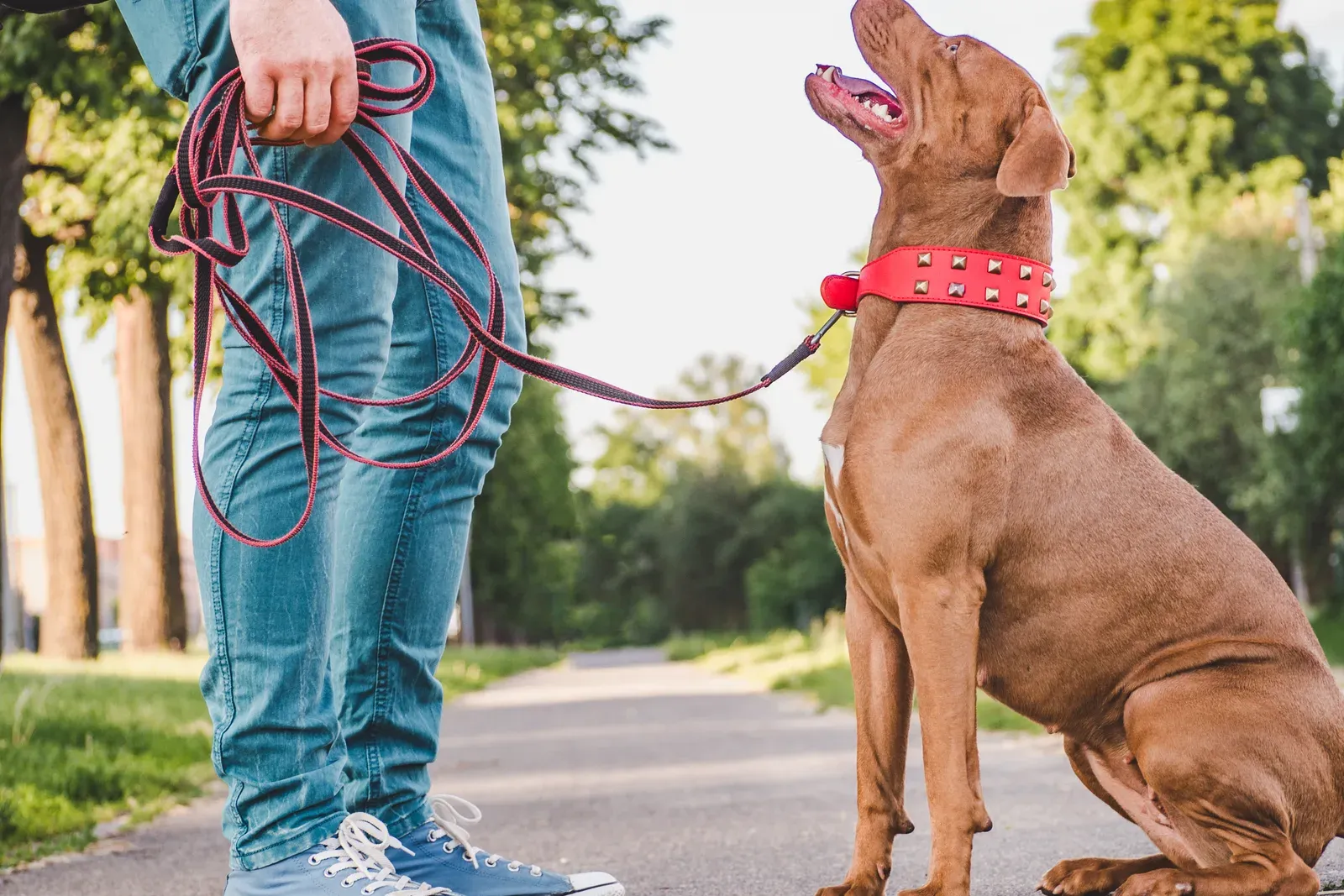
Kaitlin's specialty, and the work she loves most.
Includes assessment-built plan, 2 follow-ups, deep owner education
Asked and answered
The questions people ask us.
When should I start getting my dog ready for Stampede fireworks?
About six weeks out, which usually means starting in late spring. Sound conditioning works through many short, easy sessions, and that volume of repetition simply does not fit into the final week. Starting early also leaves room to slow down if your dog needs it.
How do I desensitize my dog to fireworks?
Play recorded fireworks so quietly your dog barely notices, pair the sound with meals or play, and raise the volume over weeks, never within one session. Stop the moment you see licking, pacing, or a tucked tail. The goal is a dog who hears a boom and looks at you for a snack.
Can I just comfort my dog during fireworks instead of training?
Comfort away, it does not reinforce fear, and a calm person is genuinely useful on a loud night. It just is not enough on its own for a dog who panics. Conditioning before the season plus comfort during it beats either one alone.
What if my dog is already terrified of fireworks?
True noise panic rarely improves on its own, and it often spreads to thunder, trucks, and slammed doors. Talk to your veterinarian about the bad nights, and let us build the longer conditioning plan. Book a consultation and we will map out what your dog actually needs.
Keep reading
Start before the first boom.
Six weeks is enough to rewrite what fireworks mean to your dog. Book a consultation and we will build the plan together.
From real owners
Rated 5.0 on Google.
Real Northline dogs