
Training notes
Reactive dogs are not bad dogs
If you have ever cut a walk short because someone with a perfect dog gave you a look, this one is for you. Reactivity is not disobedience and it is not a bad dog. It is a dog having a feeling bigger than their skills, at the end of a leash. That is trainable. The shame part, we can work on too.
Last reviewed August 26, 2026
What reactivity is
A feeling problem wearing an obedience costume.
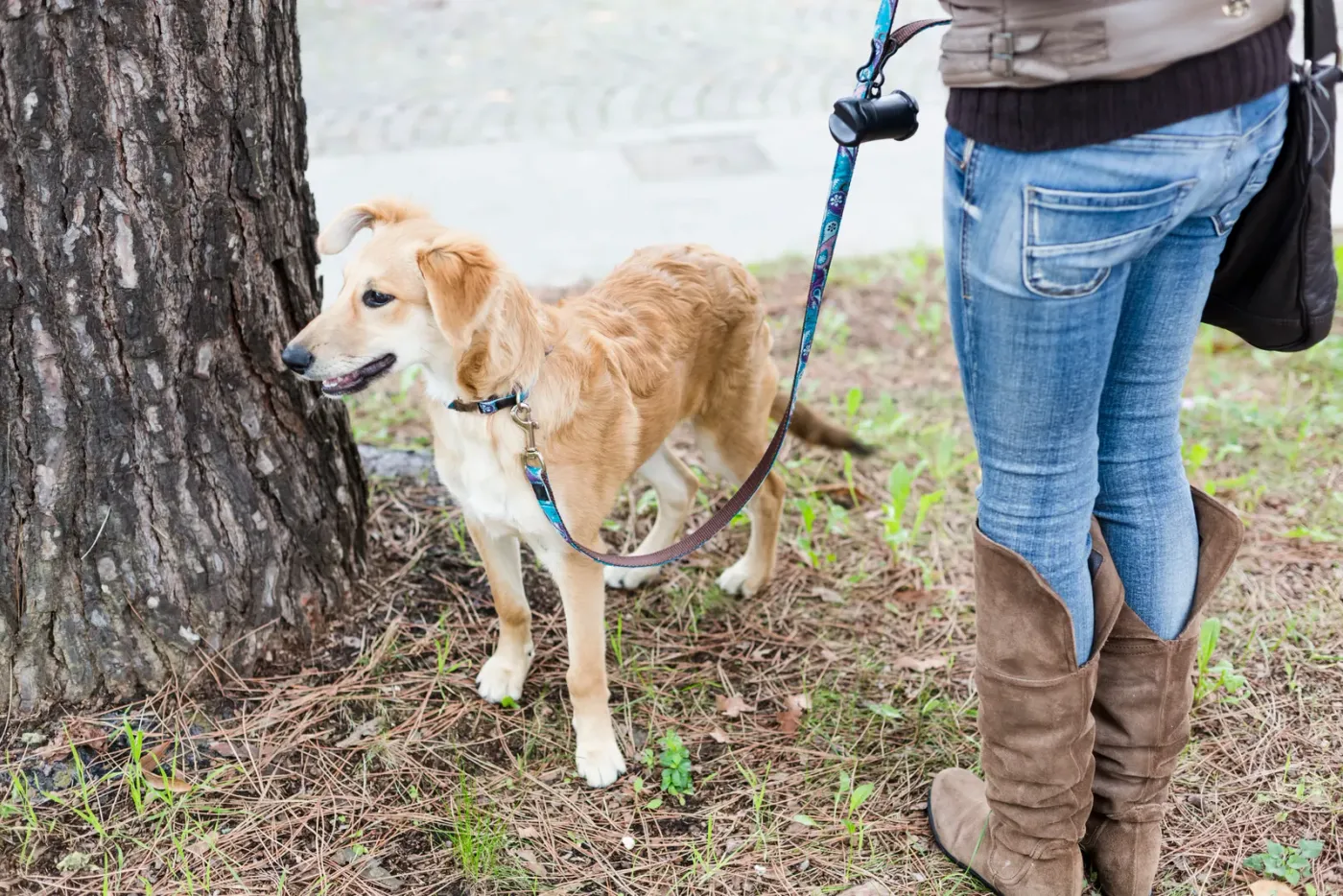
Watch a reactive dog closely and you will not see defiance. You will see a nervous system doing its honest best: a dog who spots another dog half a block away, feels something huge, and has no idea where to put it. Fear, frustration, overexcitement, sometimes all three in the same walk. The barking and lunging is the overflow. Punishing the overflow without changing the feeling underneath is like yelling at a kettle. The dog is not choosing this any more than you choose a racing heart, and that reframe changes everything about how we train it.
And the shame: we want to talk about the shame. Owners of reactive dogs become experts in avoidance, walking at dawn in January, ducking behind parked cars, apologizing to strangers on behalf of a dog who is overwhelmed. Somewhere along the way you started believing the looks. Here is our opinion, plainly held: a reactive dog is not evidence you failed, and hiding at odd hours is not a training plan. The dogs that come to us for reactivity work are mostly sensitive, smart, and over their threshold, and their owners are mostly doing better than they think.
- Fear, frustration, or overexcitement
- Emotional overflow, not defiance
- Shame trains nothing
- A real pathway exists
The way back
Rehab starts with an assessment, not a template.
There is a pathway, and it does not start with a program. It starts with a full assessment, because a dog lunging out of fear and a dog lunging out of frustration can look identical from across the street and need different plans. Behaviour Rehab is our 5 to 6 week board and train for anxiety, reactivity, and aggression, priced from $4,850 to $5,760 plus GST once we have actually met the dog and customized the plan. Weeks, not days, because we are changing how a dog feels, and feelings change on their own schedule.
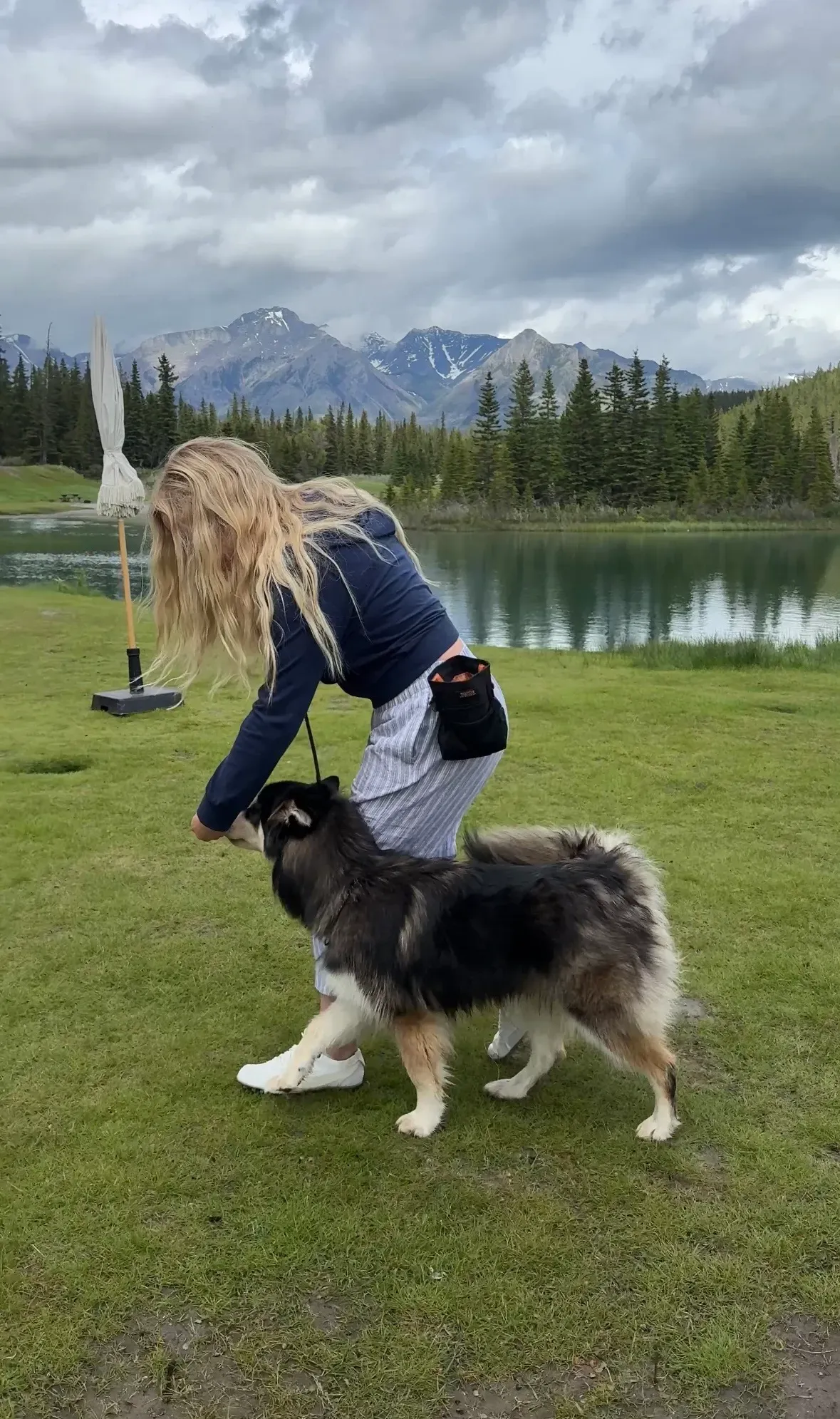
Everything is one-on-one here, which matters more for reactive dogs than for anyone else. No group class, no gauntlet of strange dogs on day one, just careful, individual work with markers and rewards first and tools matched to the dog, introduced properly. The program ends with a handover lesson, deep owner education, and two follow-up sessions, because you are the one walking this dog through the years ahead. Reactive dogs do not need a better character. They need a calmer nervous system, a skilled handler, and a household that stopped being embarrassed and started training. That last part is where we come in.
The programs
If this note hit home.
The programs below are how we turn a seasonal problem into a solved one.
Asked and answered
The questions people ask us.
Is my dog aggressive or just reactive?
The behaviours can look similar from the outside, which is why we never diagnose from a description alone. A full assessment tells us whether we are looking at fear, frustration, overexcitement, or genuine aggression. The plan, the timeline, and the price all follow from that answer.
Can a reactive dog ever be normal on walks?
Most reactive dogs can improve dramatically with structured work, and many end up walking politely past their old triggers. We will not promise a specific outcome for a dog we have not assessed, but reactivity is a trainable emotional pattern, not a life sentence.
Did I cause my dog's reactivity?
Almost certainly not in the way you fear. Genetics, early experiences, and plain bad luck all feed into reactivity, and blame does not change a dog's threshold anyway. The useful question is not who caused it but who is going to work the plan, and that we can help with.
How long does it take to fix leash reactivity?
Our Behaviour Rehab runs 5 to 6 weeks of board and train, followed by a handover lesson and two follow-up sessions. The residential weeks change the dog's patterns; the months after, in your hands, make them permanent. Anyone quoting a quick fix for reactivity is guessing.
Keep reading
Trade shame for a plan
Tell us what walks look like right now. We will assess honestly and build the pathway. Book a consultation.
From real owners
Rated 5.0 on Google.
Real Northline dogs