
Training notes
New year training resolutions that actually stick
January is full of owners who resolve to fix everything: the pulling, the jumping, the selective hearing, all of it, starting Monday. By February the plan has quietly retired. We think resolutions fail because they are built like projects instead of habits. So here is our unfashionable advice for the new year: choose three small things and do them daily until they are boring.
Last reviewed August 26, 2026
Choose small
Three tiny habits beat one heroic plan.
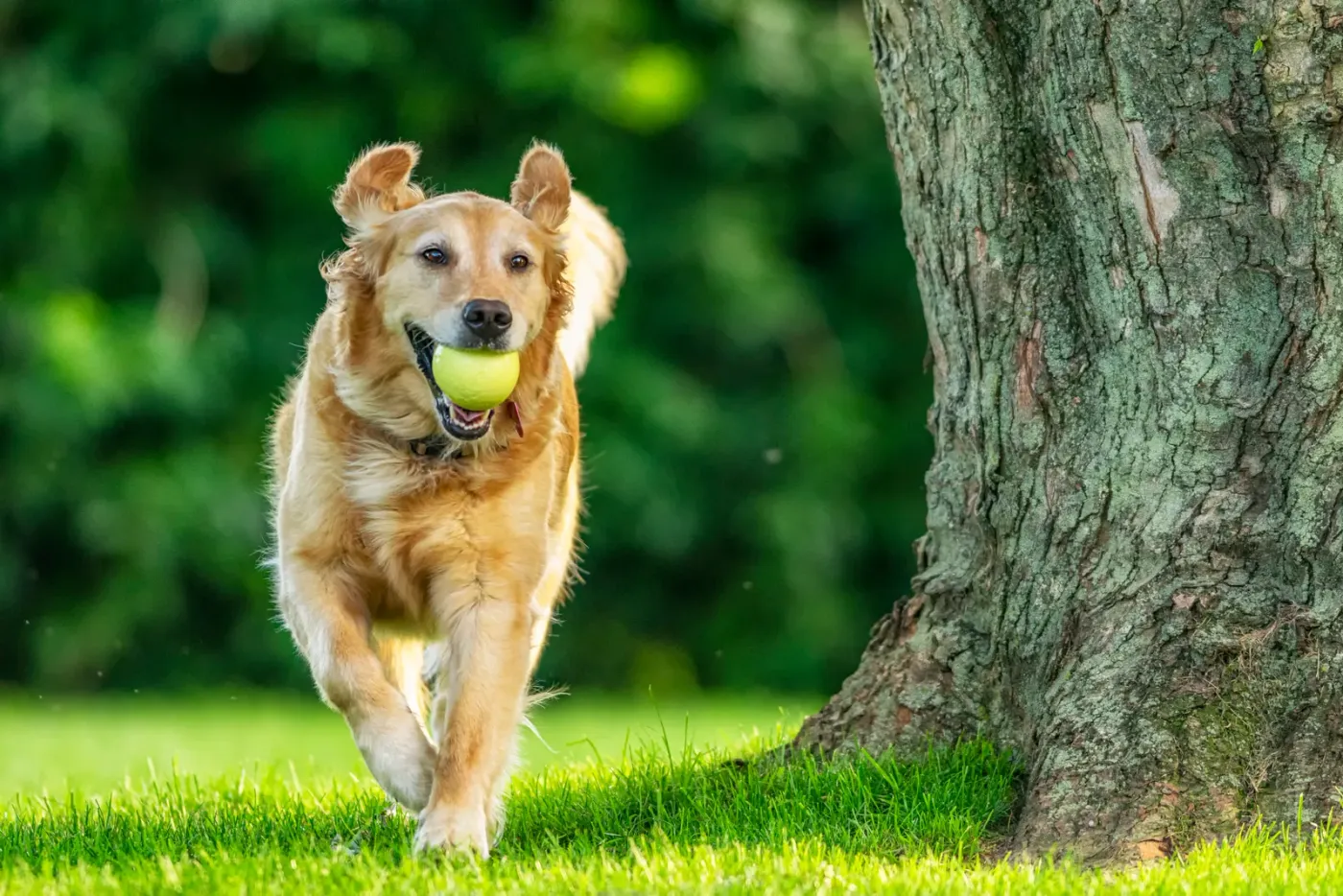
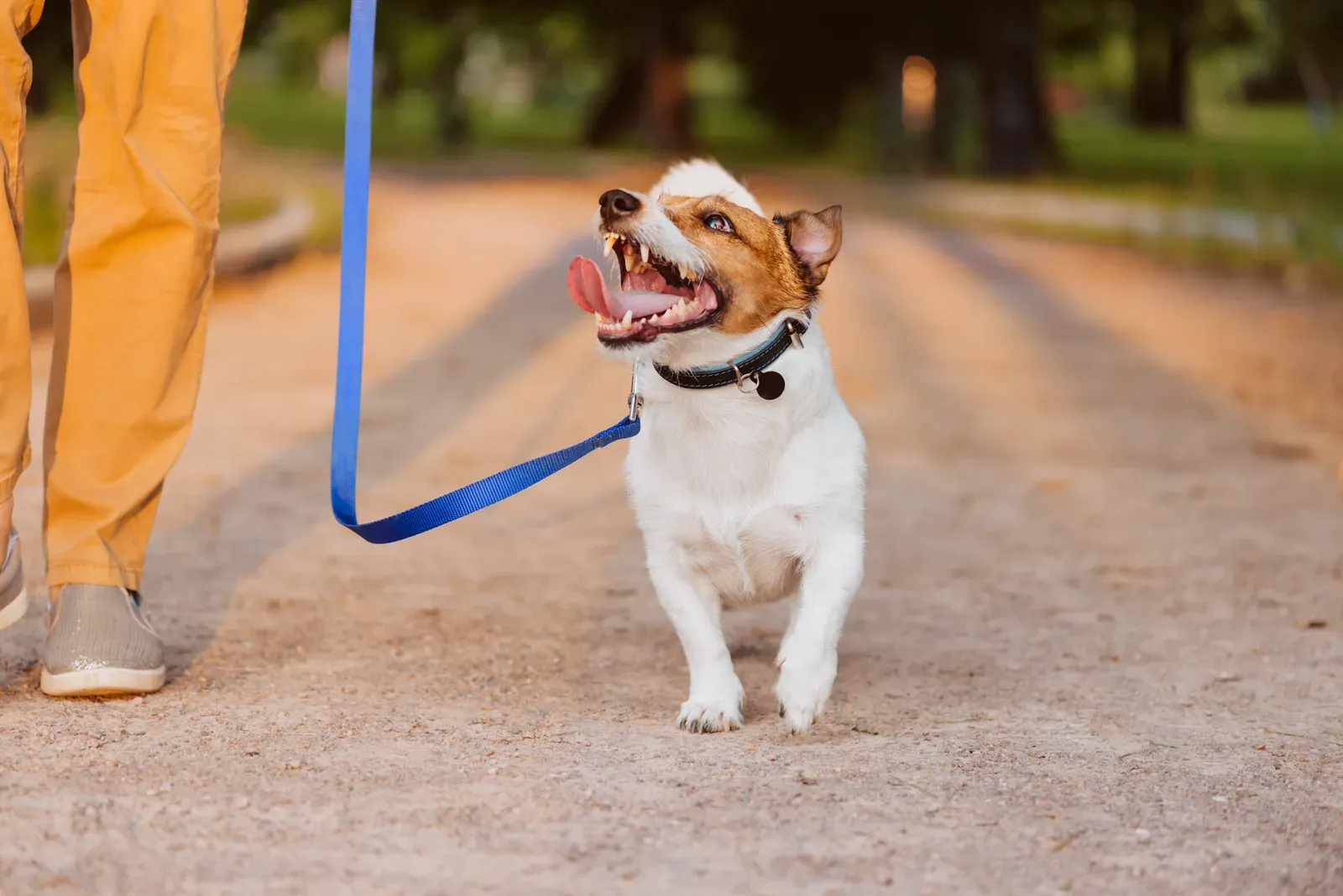
Pick habits that cost less than five minutes and touch something you actually care about. If your dog blows past you at the door, make habit one a sit at every threshold before it opens. If walks are the pain point, spend the first two minutes of each one on heel, paid generously, before letting the sniffing start. If recall is shaky, take a handful of breakfast outside and pay the best comebacks. None of this is glamorous. All of it compounds, which is more than most January ambitions can say.
The selection rule is simple: choose the behaviour that annoys you daily, not the one that sounds impressive. An off-leash mountain dog is a lovely goal, but if the current problem is being towed down the sidewalk, the resolution is loose-leash walking, full stop. Write the three habits somewhere visible, attach each one to an anchor you never skip, morning coffee, the walk, dinner prep, and let the calendar do the heavy lifting. Motivation is a terrible employee. Routine shows up every day.
- Under five minutes each
- Anchored to daily routines
- Fix the daily annoyance
- Paid from the food bowl
When to escalate
Some resolutions need more than a kitchen timer.
Daily habits polish a trained dog and steady an untrained one, but they cannot install what was never taught. If your dog has no idea what heel means, two minutes a day of confusion is just a very consistent argument. That is where structured help earns its keep. Private Training is $150 for a one-hour session and comes with a written weekly plan, which is essentially a professionally chosen set of habits with the guesswork removed. It pairs beautifully with the three-habit approach, because you practise between sessions instead of improvising.
If January is simply too full, borrow momentum. Day Training runs $650 a week: drop off between 8 and 10 am, pick up between 5 and 7 pm, Monday to Friday, with a one-hour go-home lesson each week so the skills transfer to you. And for a true reset, a board and train like the two-week On-Leash Foundations at $1,865 builds the foundation, then your three daily habits maintain it. That order works. Resolutions keep trained skills alive far more easily than they create them from scratch.
The programs
If this note hit home.
The programs below are how we turn a seasonal problem into a solved one.
Asked and answered
The questions people ask us.
What are realistic dog training goals for the new year?
Three specific daily habits, each under five minutes, aimed at the things that bug you most: door manners, leash pressure, recall. Vague goals like a better behaved dog do not survive January. A sit at every door before it opens is a goal you can actually audit.
How long until dog training becomes a habit?
We ignore the magic-number theories. A habit is stuck when you would feel odd skipping it, and anchoring practice to routines you never miss, like the morning kettle or the evening walk, gets you there fastest. Watch for the day your dog starts offering the behaviour before you ask.
Should I book a trainer or just try harder at home?
Try the three-habit approach for anything your dog already knows. Book help for anything they were never taught, because repetition cannot fix a skill that does not exist yet. Private Training at $150 a session includes a written weekly plan, which turns the trying-harder into a plan worth following.
How do I keep training going when motivation fades in February?
Shrink the habit rather than skipping it: one rep still counts and keeps the streak alive. Anchor practice to things you do regardless of mood. Follow-up sessions are free after every board and train, so graduates can also book one and get their plan tuned up.
Keep reading
Make January count
Bring us the three habits you want and we will build the plan around them, one-on-one. Book a consultation.
From real owners
Rated 5.0 on Google.
Real Northline dogs