
Training notes
Indoor training games for minus 30
Every Calgary winter hands us at least one week where the walk is simply cancelled. Minus 30 with a wind chill is not a training opportunity, it is a hazard. The good news: a dog's brain burns energy faster than its legs do. With a bag of kibble, a mat and a hallway, you can run a full curriculum without opening the door.
Last reviewed August 26, 2026
Cold snap curriculum
The brain tires the body.
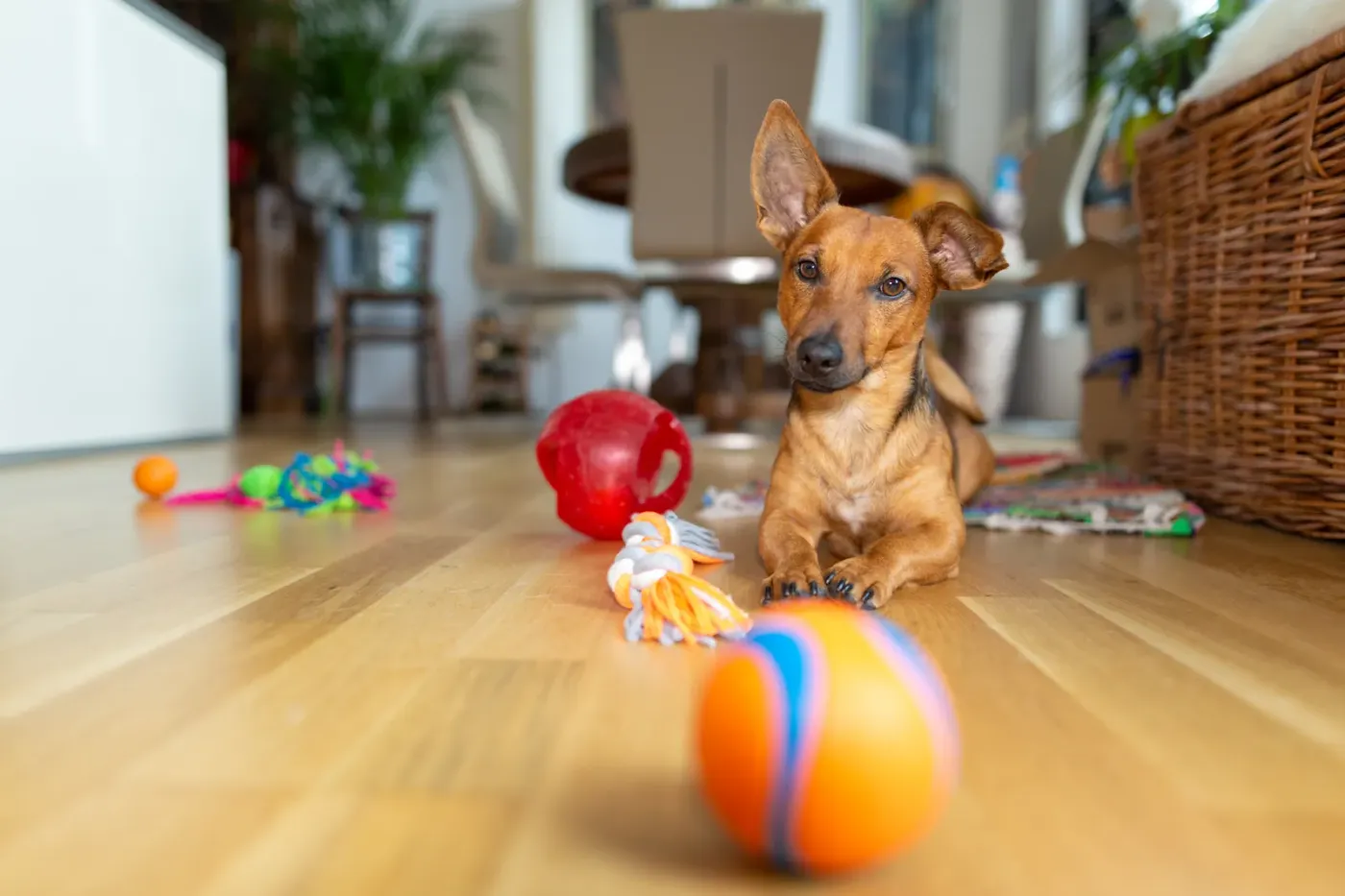
Start with scent, because it is the closest thing to a walk you can do indoors. Scatter a handful of kibble across a towel and let your dog root for it. Graduate to hiding pieces behind chair legs, under a cushion corner, along the baseboard. Ten minutes of deliberate sniffing settles most dogs more than an hour of pacing. Keep the finds easy at first; a dog that succeeds early searches harder, and a frustrated dog quits and goes back to staring at the door.
Then work the other end of the arousal dial. Place work, a dog holding a mat while you cook or vacuum, teaches the off switch that cabin fever erodes. Hallway recalls between two people put speed and joy back into the come command, and every rep pays you again at the off-leash park in June. Finish with a short trick chain, spin into down into chin rest, because chaining known behaviours makes a dog think in sequences instead of begging for the next cue.
- Kibble scatters and baseboard searches
- Place work with real duration
- Two-person hallway recalls
- Trick chains for sequencing
Making it stick
Structure beats novelty in a deep freeze.
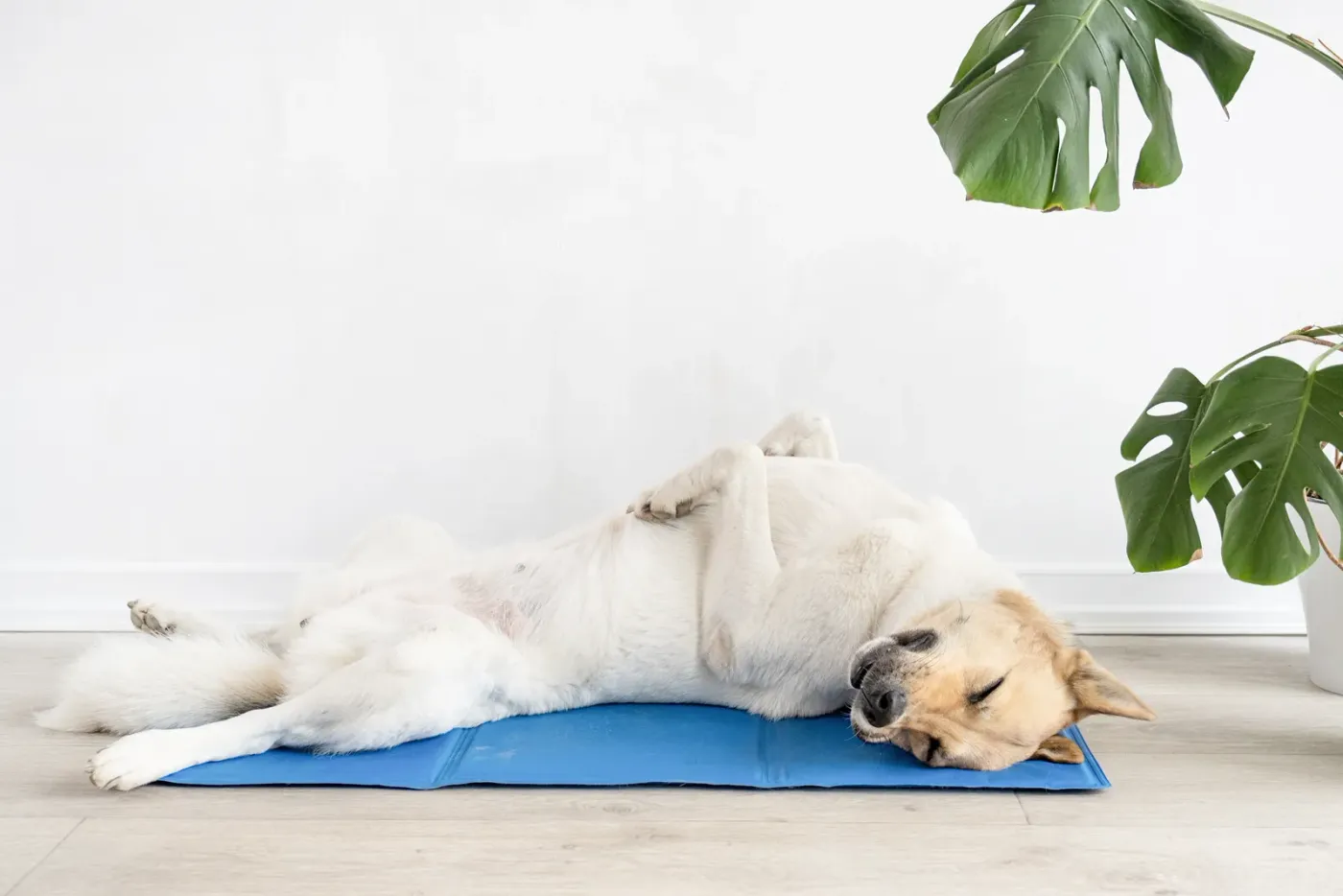
Here is our slightly unfashionable opinion: dogs do not need more entertainment during a cold snap, they need a tighter schedule. Feed both meals through training instead of a bowl. Run three ten-minute blocks, morning, midday, evening, and put the dog away to rest between them. Rest is the part most owners skip. A dog that naps hard between sessions learns faster than one that trails you around the house all day, and the crate skills you built in warmer months finally earn their keep.
If the week indoors exposes bigger gaps, a recall that only works in the hallway, a dog that cannot settle at all, that is useful information rather than failure. Day Training at $650 per week plus GST keeps a dog working Monday to Friday while you are at the office, with a one-hour go-home lesson so the progress transfers. Private Training at $150 per session comes with a written weekly plan, which is essentially a cold-snap curriculum built for your specific dog. Either way, winter is a strangely productive season to train.
The programs
If this note hit home.
The programs below are how we turn a seasonal problem into a solved one.
Asked and answered
The questions people ask us.
How do I tire out my dog indoors when it is too cold to walk?
Work the nose and the brain instead of the legs. Ten minutes of scent searching, a few hallway recalls and a stretch of place work will out-tire a stroll for most dogs. Two or three short blocks a day beat one marathon session.
How cold is too cold to walk a dog in Calgary?
It depends on the dog: coat, size, age and health all matter. Around minus 30, most walks should shrink to brief, purposeful potty trips, and short-coated dogs need a jacket even for those. When in doubt, trade the walk for indoor work.
What are the best indoor games for dogs?
Our cold-snap rotation is scent games, place work, hallway recalls and short trick chains. Scent work settles dogs, recalls burn energy, and place work teaches the off switch. Rotate them across the day rather than running one long session.
Will my dog lose training if we skip walks for a week?
No. Skills live in the dog, not the sidewalk, and indoor reps of recall, place and loose-leash patterns keep them sharp. Many dogs come out of a cold snap more responsive because the week was full of paid repetitions.
Keep reading
Build the winter plan
Book a consultation and we will turn a cold snap into a training block your dog actually enjoys.
From real owners
Rated 5.0 on Google.
Real Northline dogs