
Straight answer
What is board and train for dogs?
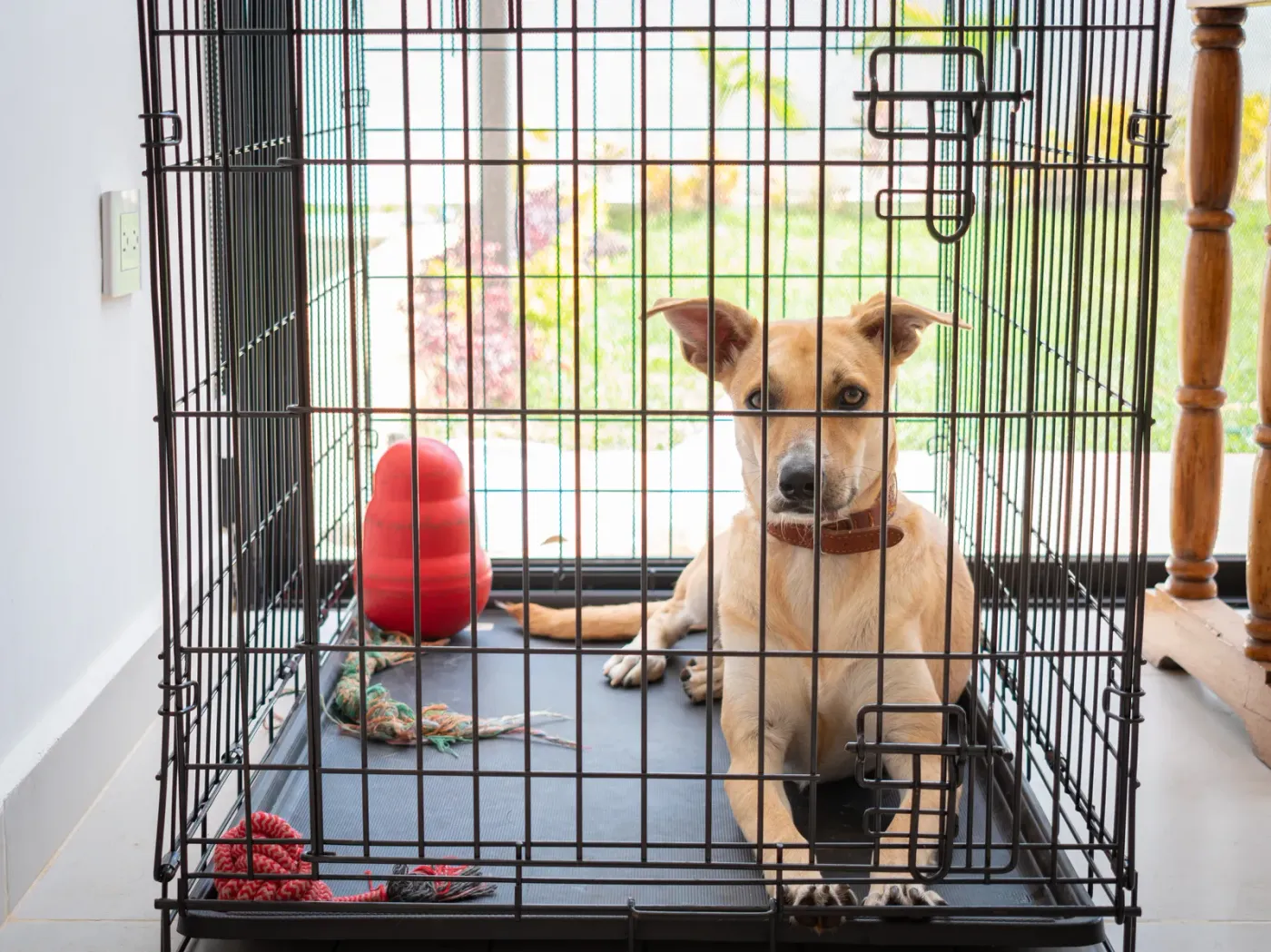
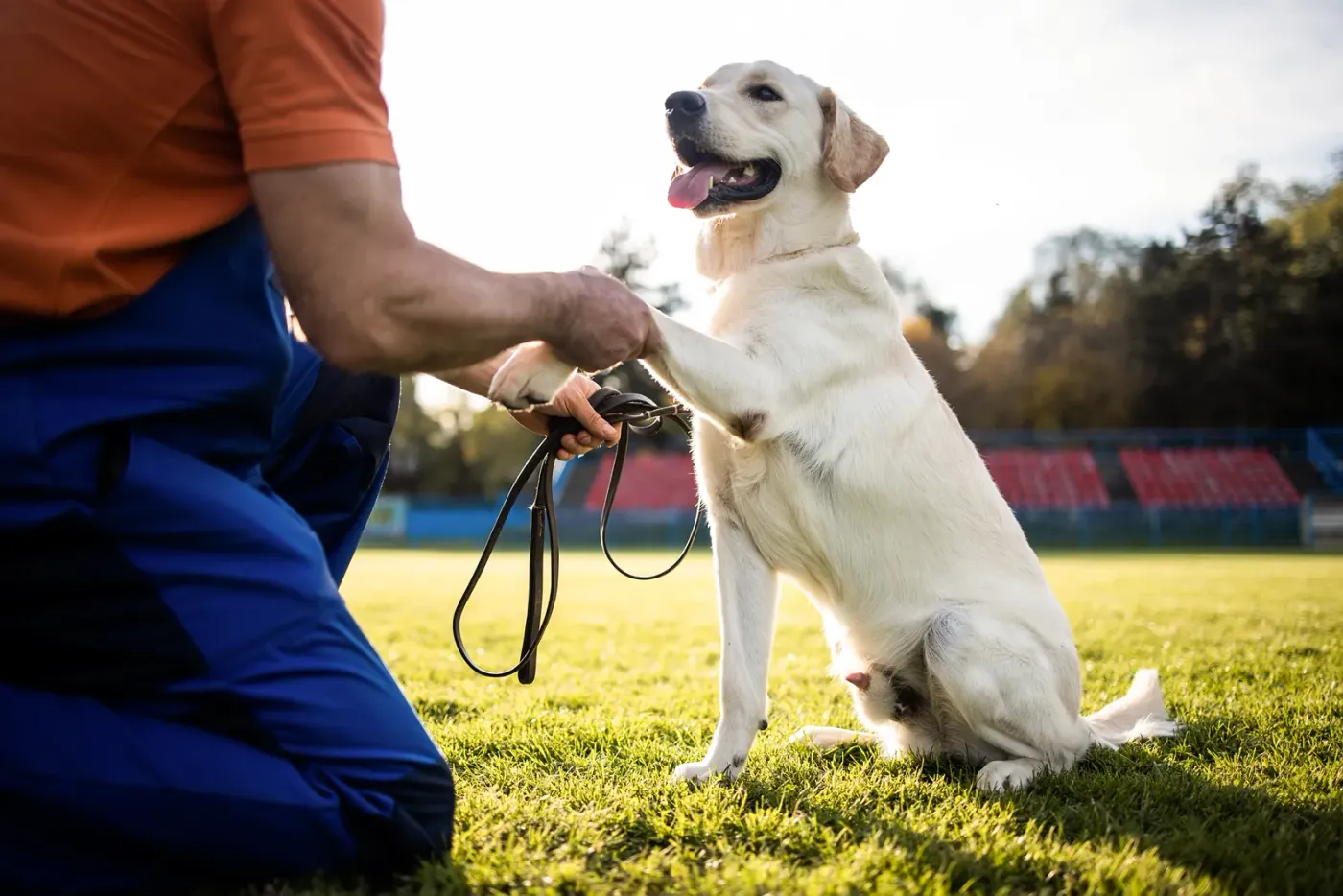
The name says most of it. Your dog boards, and while boarding, trains. Instead of one lesson a week with six days of homework in between, the dog gets a trainer's hands on every repetition, every day, inside a routine built for learning. Then it comes home and the trainer shows you how to run what was built. Here is what that looks like at Northline, in formats, lengths and prices.
Last reviewed August 26, 2026
Formats and prices
The five programs, from two weeks to six.
Puppy Fundamentals is three weeks at $2,775: crate comfort including nights, leash manners, name, sit, down and place, plus structured socialization, with a follow-up within 60 days and a slip lead and training collar included. Complete On-Leash Foundations is two weeks at $1,865 for loose-leash walking, heel, sit, down, stay and place around everyday distractions, with lifetime phone and email support. Functional Off-Leash is three weeks at $3,030 and builds a reliable recall around distractions, with an Educator remote collar included.
Advanced Off-Leash is four weeks at $3,940 for off-leash heel, distance commands and public manners, with two follow-ups. Behaviour Rehab runs five to six weeks at $4,850 to $5,760 for anxiety, reactivity and aggression, customized after a full assessment. All prices are plus GST. If living away is not right for your dog, Day Training is $650 per week with weekday drop-off and a go-home lesson, and Private Training is $150 per one-hour session with a written weekly plan.
- Stays of two to six weeks
- Trains every single day
- Handover lesson at the end
- Follow-up sessions included
Fit and fine print
Who it suits, who it does not, and what must be included.
Board and train suits the dog whose problem needs more repetitions than a household can supply: the puller who has practised pulling for two years, the adolescent who has stopped listening, the dog with an off-leash goal, or the reactive dog whose owner has run out of nerve. It suits the owner who will attend the handover and do the homework. It does not suit an owner who wants the dog fixed and returned like a car.
A dog with an active medical issue, a very senior dog, or a problem that lives entirely in one room is often better served by Private Training or Day Training, and a good trainer says so at the consultation. Whatever the format, insist on the same list: daily one-on-one training, a structured routine, socialization, enrichment, updates while the dog is away, a handover lesson, and follow-up sessions at no charge. Anything missing from that list is a boarding kennel with a price hike.
The programs
The live-in options.
Every program includes the handover lesson and follow-ups; prices are on each card.
NE · 2-week board & train
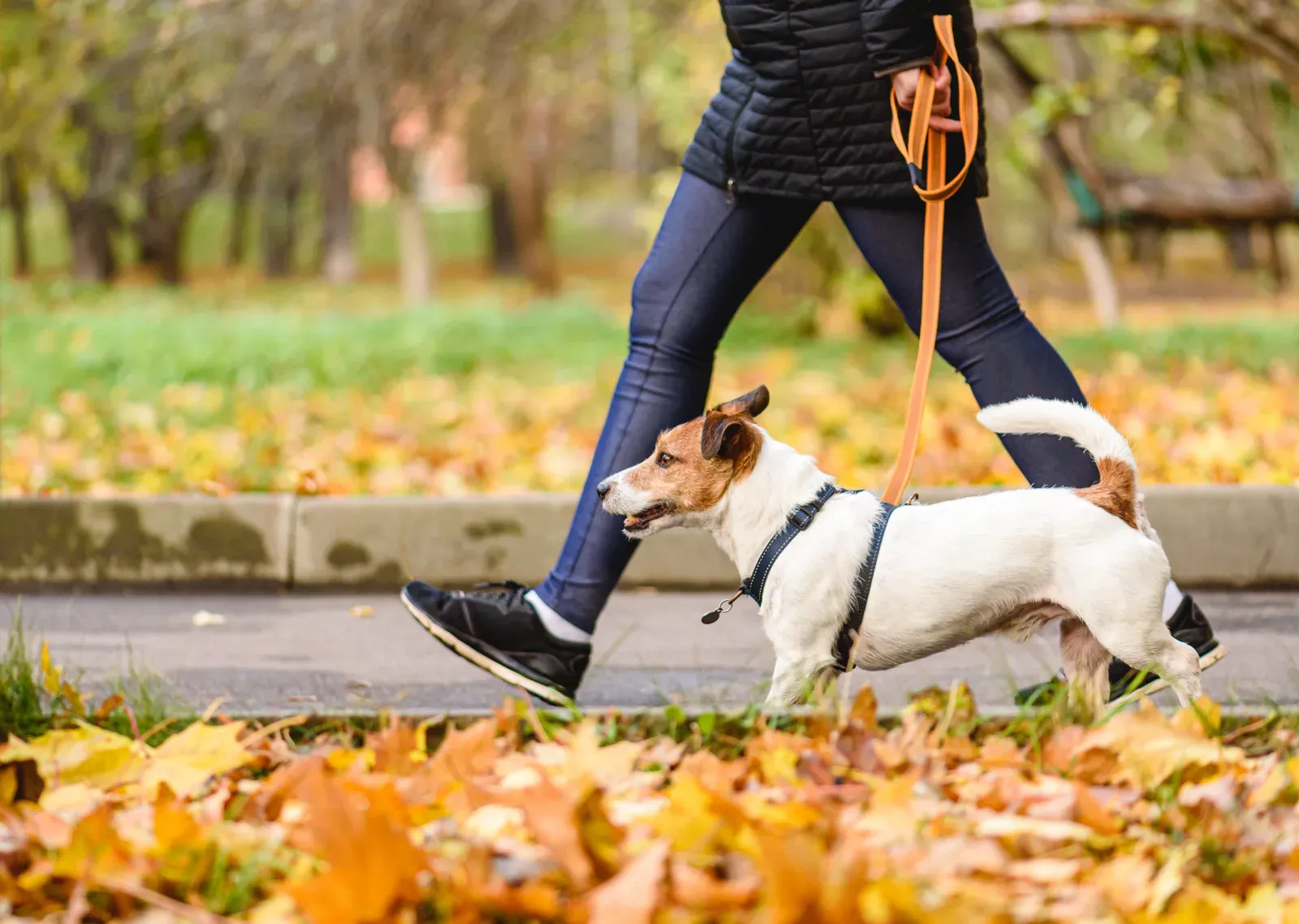
On-Leash Foundations
If every walk is a wrestling match, pulling, barking, zig-zagging, this two-week program rebuilds the walk from the ground up with foundational on-leash obedience..
Includes handover lesson, follow-up session, lifetime support, slip lead + collar
N · 3-week board & train
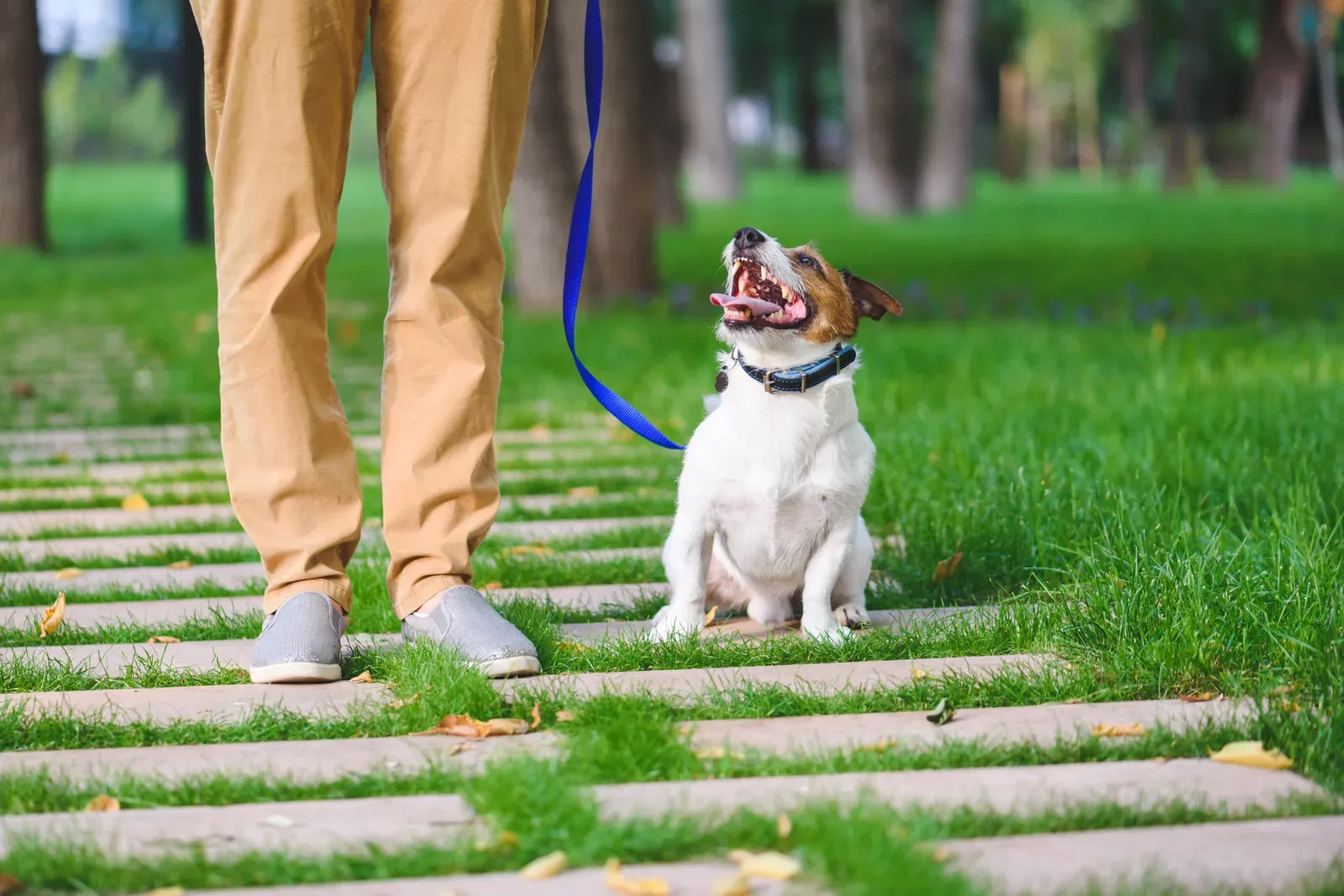
Puppy Fundamentals
Your puppy's first months decide the habits of a lifetime.
Includes handover lesson, follow-up session, slip lead + collar
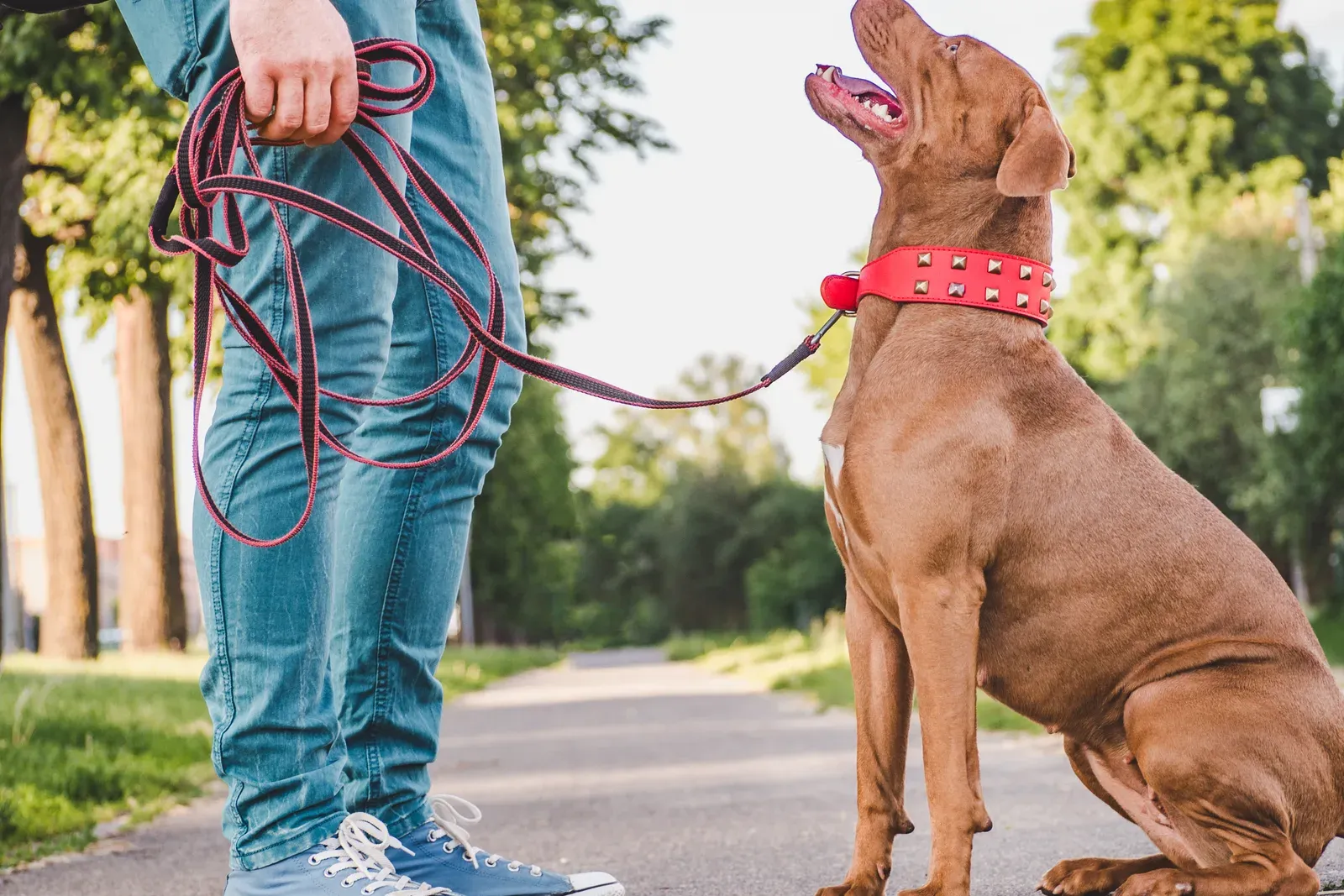
S · 5–6 week board & train
Behaviour Rehab
Kaitlin's specialty, and the work she loves most.
Includes assessment-built plan, 2 follow-ups, deep owner education
Asked and answered
The questions people ask us.
What does board train mean, exactly?
It is shorthand for board and train: the dog boards with the trainer and is trained daily during the stay. The stay ends with a handover lesson where the owner learns to run the new skills at home.
What is board training for dogs versus regular dog boarding?
Boarding keeps your dog fed, safe and exercised while you are away; the dog comes home the same dog. Board training adds daily one-on-one sessions, a structured routine and a handover lesson, so the dog comes home with new skills and you come home with instructions.
Board and train meaning: does the dog live in a kennel or a house?
It varies by trainer, which is why you should ask. What matters is the shape of the day: daily one-on-one training, enrichment, socialization and rest means the dog is living inside a training routine rather than sitting in a run. Ask to see where your dog would spend those weeks.
How long is board and train for dogs?
At Northline, two weeks for On-Leash Foundations, three for Puppy Fundamentals and Functional Off-Leash, four for Advanced Off-Leash, and five to six for Behaviour Rehab. Length follows the goal: manners take less time than off-leash reliability, and behaviour cases take the longest.
Keep reading
Pick the right length
Two weeks or six depends on the dog and the goal. We will recommend the smaller program when it fits. Book a consultation.
From real owners
Rated 5.0 on Google.
Real Northline dogs