
Straight answer
Do dogs remember training after a break?
A holiday, a house move, a new baby or a long winter, and suddenly the dog who heeled beautifully in September is pulling again in March. Owners often assume the training is gone. It is not. The skill is still in there; the standard has drifted, and the dog has learned that nobody is asking anymore. Here is what actually fades, and how to bring it back quickly.
Last reviewed August 26, 2026
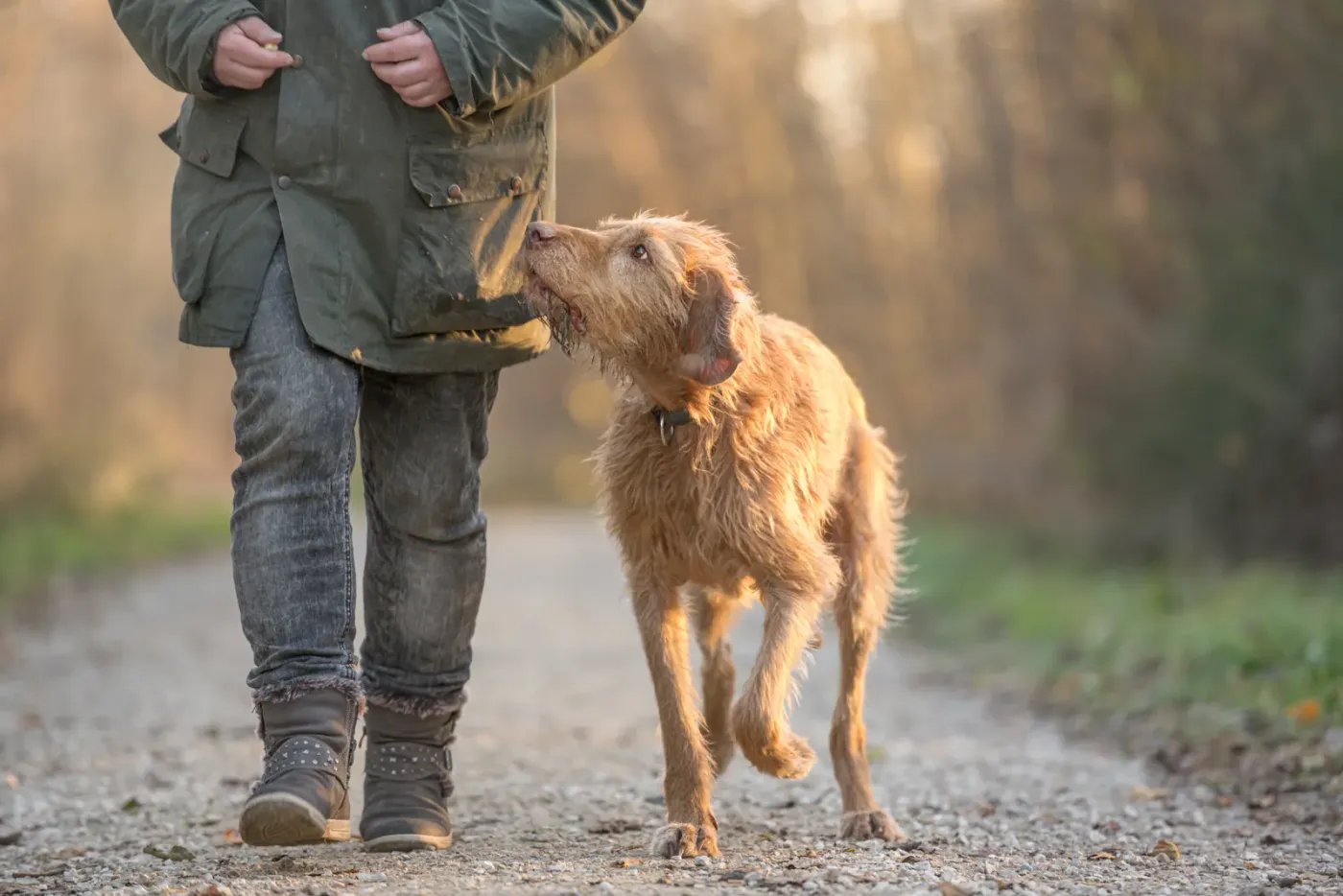
What actually fades
The skill stays, the sharpness goes.
A trained behaviour is a learned association, and learned associations are durable. Ask a dog who has not practised a place command in two months and the dog will still walk to the bed. What you notice is the lag: two seconds instead of half a second, a sit that drifts into a sprawl, a recall that arrives by way of a squirrel. Those are precision problems, not memory problems.
The second thing that fades is the habit of listening. During a program the dog is asked to work many times a day and is paid for it, so paying attention becomes the default. After weeks of nobody asking, the dog reasonably concludes that cues are optional. A refresher is mostly about re-establishing that expectation: short sessions, clear markers, real rewards, and consequences the dog already understands. Most dogs are back to standard within a few days.
- Known cues still work, slower
- Precision drifts before knowledge does
- Listening habit fades fastest
- Days to restore, not weeks
Preventing the slide
A few minutes a day keeps the standard from drifting.
Maintenance does not mean formal training sessions forever. It means asking for the trained behaviours inside ordinary life and holding the same standard you were taught at handover. Sit before the door opens. Place while dinner is made. Heel for the first block of every walk, then release. Recall once per off-leash outing, paid well, before the dog is tired. Each ask takes seconds, and together they tell the dog that the rules never left.
When life has genuinely got in the way and the slide has already happened, do not start from scratch. Every board and train graduate has free follow-up sessions built in, and that is exactly what they are for. If your dog trained elsewhere, or the gap has been long, a single Private Training session at $150 comes with a written weekly plan that rebuilds the routine in an order that makes sense for your dog.
The programs
When teaching it yourself stalls.
The guide above is the real method. These are the faster routes.
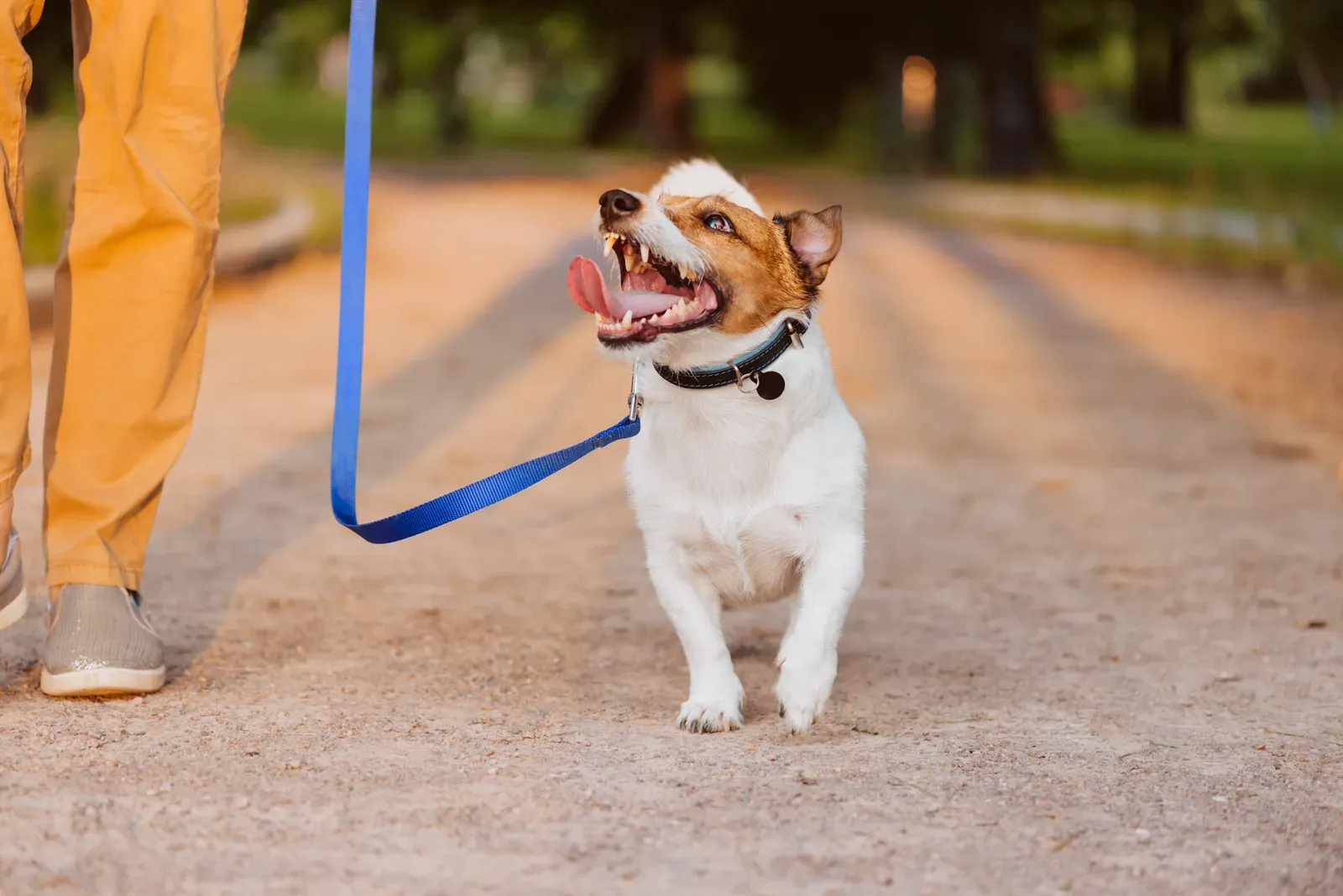
W · One-hour session
Private Training
One-on-one coaching with you on the other end of the leash.
Includes a written weekly plan to work from
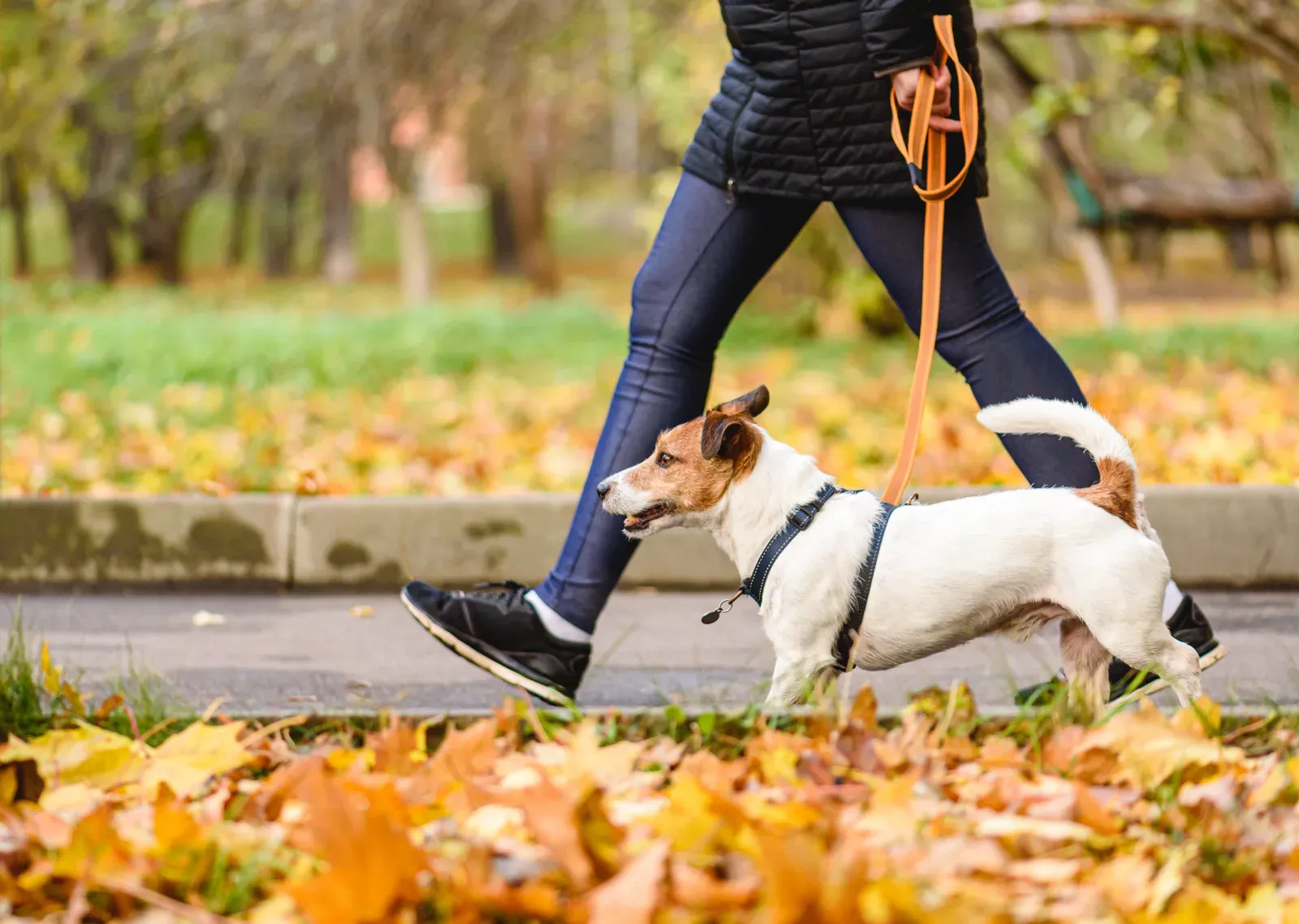
NE · 2-week board & train
On-Leash Foundations
If every walk is a wrestling match, pulling, barking, zig-zagging, this two-week program rebuilds the walk from the ground up with foundational on-leash obedience..
Includes handover lesson, follow-up session, lifetime support, slip lead + collar
Asked and answered
The questions people ask us.
Do dogs forget training?
Not in any meaningful sense. A behaviour that was taught properly and rewarded enough times is stored for the long haul. What looks like forgetting is usually a dog who has learned that cues are no longer enforced, which is a habit problem and a quick one to fix.
Does dog training wear off?
The results can wear off if nobody maintains them, but the learning does not. Precision, speed and attention decline first, typically after weeks of the dog not being asked for anything. Fold the trained behaviours back into daily life and the sharpness returns.
How long does refresher dog training take?
Usually days, not weeks. A dog who already knows the material needs reminding of the standard rather than teaching, and a handful of short sessions does that. Board and train graduates can use their free follow-up sessions; anyone else can book a one-hour Private Training session.
Do dogs remember training after a break of several months?
Yes. Months away from a behaviour makes the first few responses slower and sloppier, but the dog is recalling, not relearning. Expect the second and third day of refreshers to look dramatically better than the first.
Keep reading
Sharpen it back up
A follow-up or a single private session is usually all a rusty graduate needs. Book a consultation and we will tell you which.
From real owners
Rated 5.0 on Google.
Real Northline dogs