
Straight answer
Are slip leads good for dogs?
A slip lead is the simplest piece of equipment we own: a length of rope, a ring, a loop. That simplicity makes it either a beautiful teaching tool or an irritation, depending on the hands. Placed high, kept loose and used for clear guidance, it teaches position faster than almost anything. Left low on the neck with a pulling dog on the end, it is a problem. The difference is skill, not the rope.
Last reviewed August 26, 2026
Steer, then release
Loose loop, quick guidance, then loose again.
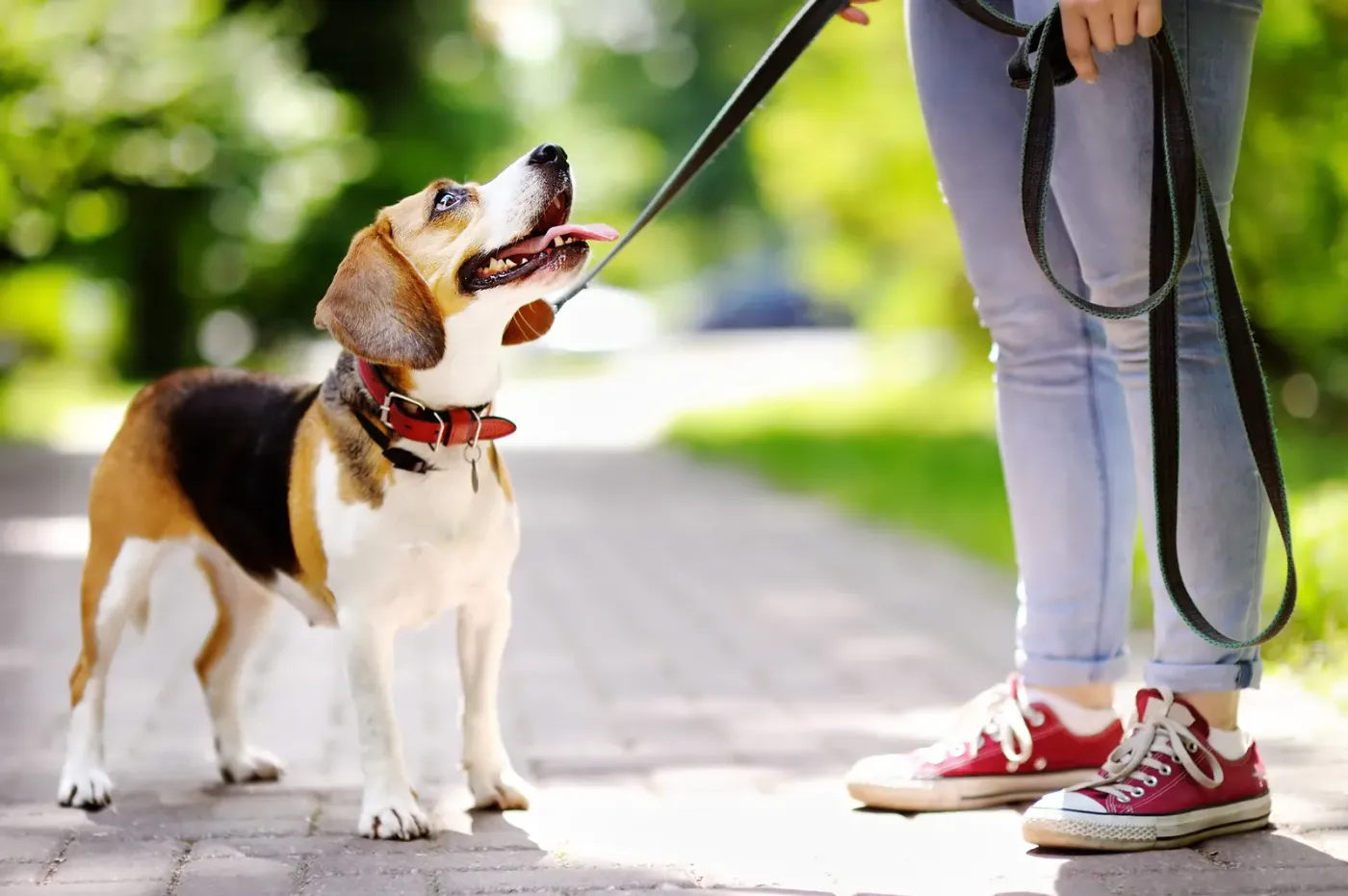
The slip lead works because it communicates in both directions instantly. A light lift and a step tells the dog where position is, and the moment the dog gets there, the loop goes slack, and slack is the reward. Placed high on the neck, just behind the ears, it takes very little pressure to steer, so the corrections are tiny and the release is obvious. That is why we reach for it when teaching heel, place and the first few weeks of loose-leash walking.
The harm comes from the same physics. A dog allowed to lean into a slip lead for forty minutes is getting constant pressure on the throat with no release and no information. The dog learns that pulling is just what walks feel like, coughs, and pulls harder. That is not a cruel tool; it is a tool used as a tether. If the loop is tight more often than it is loose, the walking skills are missing, and no rope fixes that.
- Sits high, just behind the ears
- Slack loop most of the walk
- Guide into position, then release
- Never a tether for a puller
Fit and placement
Fit, placement and the skills that keep it slack.
Fit first. Slide the stopper so the loop cannot open wide enough to slip over the head when the dog ducks, but is not snug at rest. Seat the loop high, right behind the ears and under the jaw, not down at the shoulders where the neck is strongest and the dog feels nothing. Thread it so it releases: with the dog on your left the loop should form a P, not a 9, so pressure disappears the instant your hand relaxes.
Then the skills that make tightening rare. Mark and pay the dog for being at your knee before the first step. Change direction the moment the dog's shoulder passes yours, so the dog learns to watch you rather than the horizon. Stop when the lead tightens and wait for slack before moving. In On-Leash Foundations, the two-week board and train at $1,865 plus GST, the slip lead and collar come home with the dog, and so does the handover lesson on using them.
The programs
What choosing us looks like.
The formats below are how most owners start; prices are public on every one.
NE · 2-week board & train
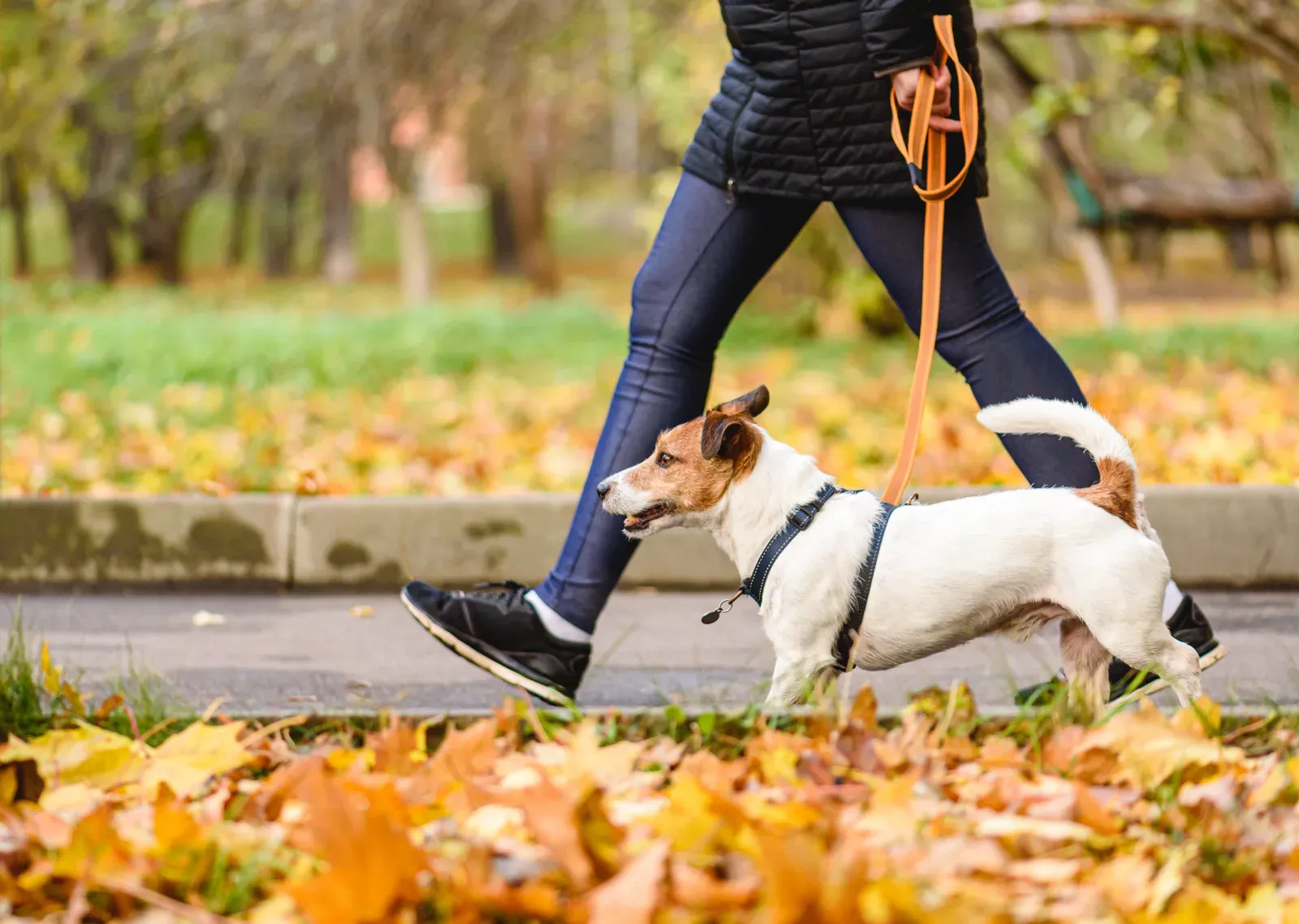
On-Leash Foundations
If every walk is a wrestling match, pulling, barking, zig-zagging, this two-week program rebuilds the walk from the ground up with foundational on-leash obedience..
Includes handover lesson, follow-up session, lifetime support, slip lead + collar
N · 3-week board & train
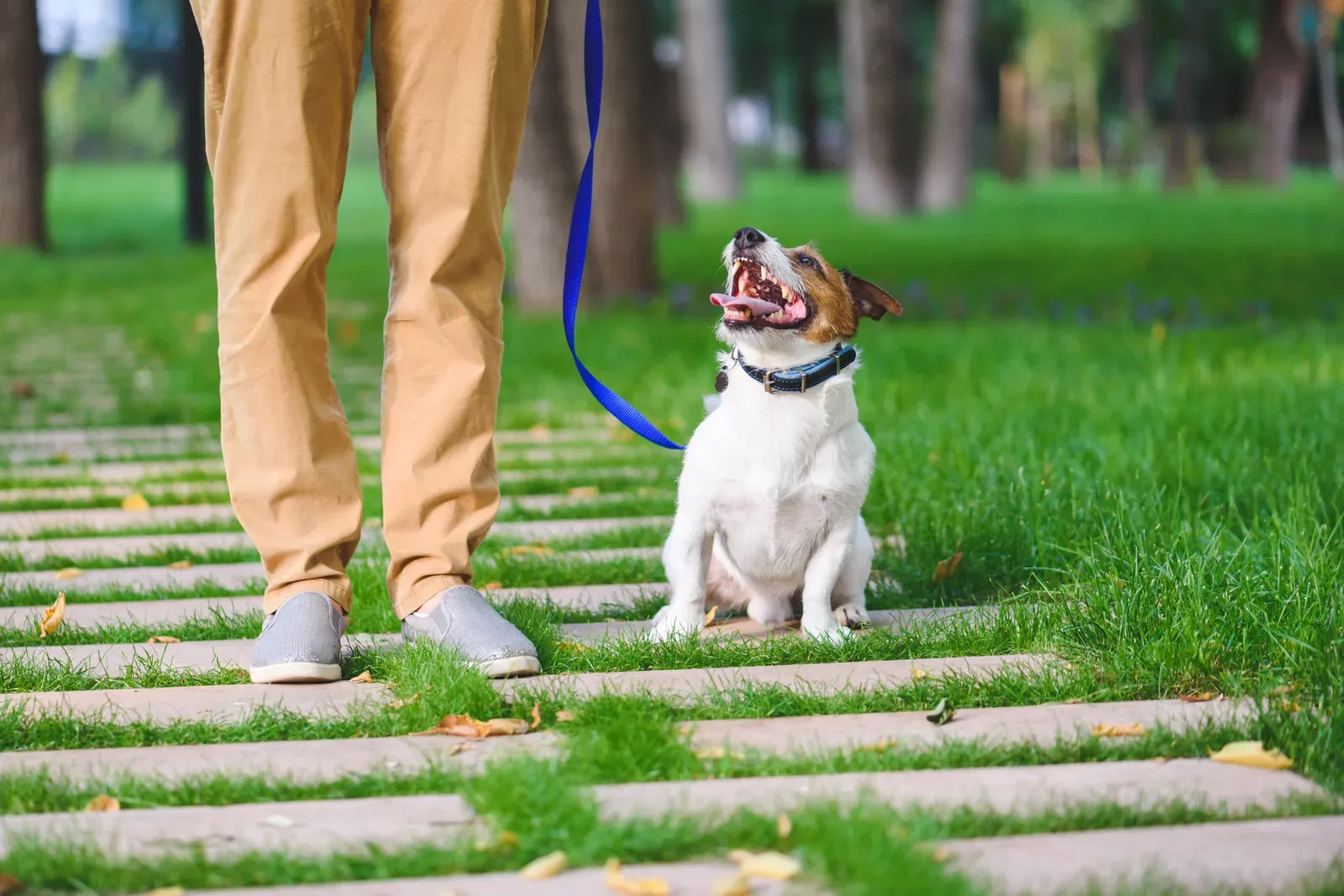
Puppy Fundamentals
Your puppy's first months decide the habits of a lifetime.
Includes handover lesson, follow-up session, slip lead + collar
Asked and answered
The questions people ask us.
Is a slip lead good for a dog that pulls?
It is good for teaching a pulling dog where position is, as long as the lead is used for quick guidance and release rather than as a brake. Used as a brake, the dog just pulls into it and the throat pays. Pair it with the stop-and-wait and direction-change skills and the pulling fades.
Are slip leads cruel?
Not in themselves. A slip lead seated high and released the moment the dog responds is a light, clear tool. What is cruel is any collar, slip or flat, that a dog is left to strain against for a whole walk.
Slip lead vs collar: which is better for walks?
A flat collar is fine for a dog who already walks nicely and for carrying tags. A slip lead is better for teaching that walk, because it sits higher and gives clearer, quicker feedback. Once the skills are solid many dogs go back to a flat collar for everyday walks.
Are slip leads good for dogs long term?
They are a teaching tool more than a forever tool. Most dogs use one through the learning phase and then walk on whatever is comfortable once the habit is built. Some handlers keep one because it is quick to put on and easy to read, and that is fine as long as the loop stays slack.
Keep reading
Want the walk, not the wrestle?
Bring the dog and whatever leash you own. Book a consultation and we will look at placement, fit and the skills underneath.
From real owners
Rated 5.0 on Google.
Real Northline dogs