Life stages
Post-surgery recovery and behaviour in dogs
The surgery went fine. Now you have a young, healthy dog under orders to do nothing for weeks, a cone it keeps banging into door frames, and energy with nowhere to go. This guide covers crate rest without the chaos: enrichment that tires the brain instead of the incision, cone coping, grumpiness that is really pain, and rebuilding exercise without undoing the repair.
Last reviewed August 26, 2026
Crate rest
Tiring the brain while the body heals.
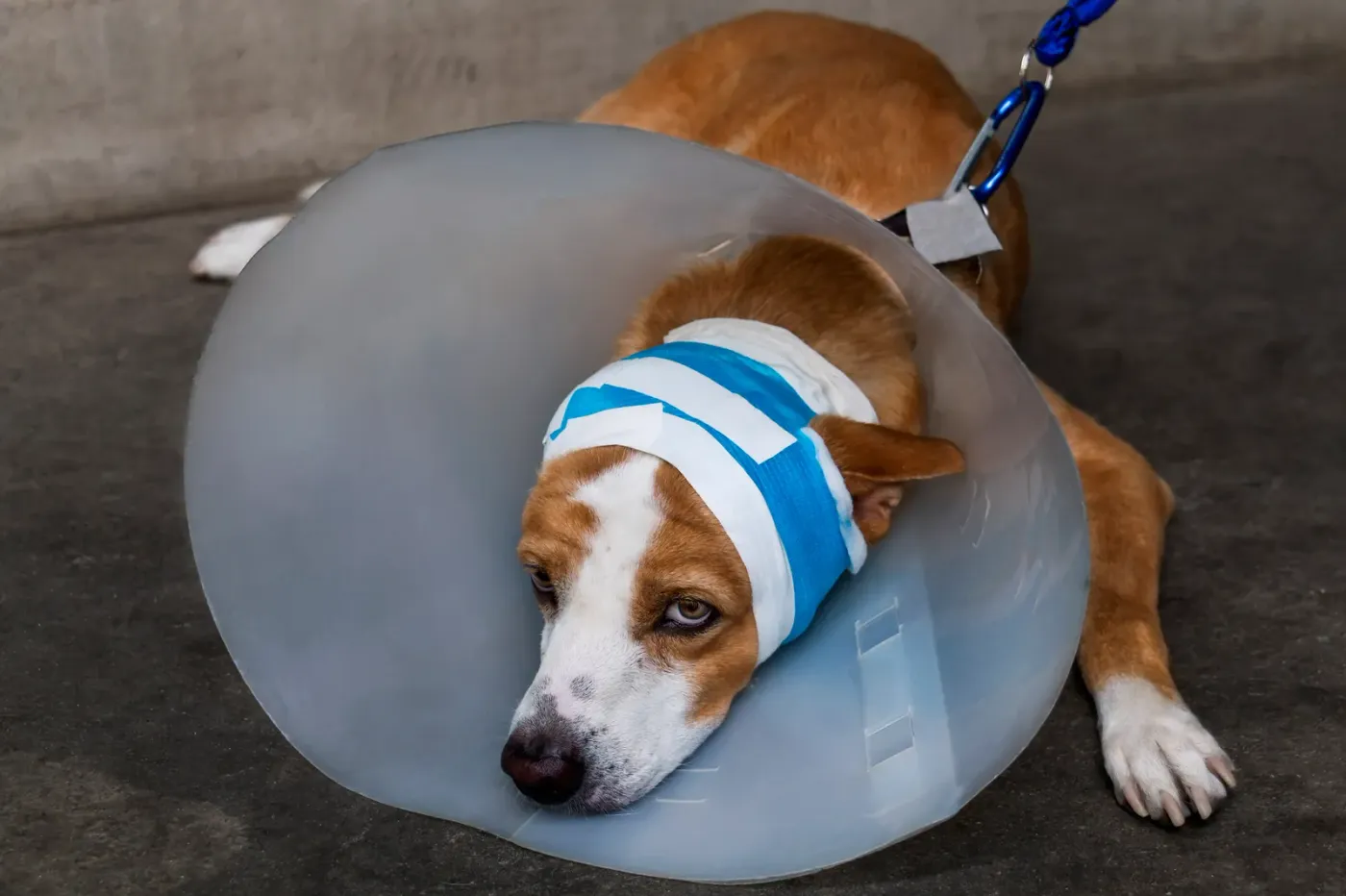
Follow your vet's restrictions exactly, then work on the other end of the dog. Ten minutes of sniffing or problem-solving takes an edge off that an hour of pacing never will. Scatter part of each meal in a snuffle mat, load a lick mat or stuffed toy, and hide treats around one small room if walking short distances is allowed. Rotate the toys so nothing goes stale.
Quiet training counts as enrichment too. Chin rests, nose targets, and calm eye contact can all be taught from a bed without a single step, and they keep the working relationship alive through recovery. As for the cone, feed treats through it, park it beside the food bowl between wearings, and resist removing it for sad eyes; a chewed incision buys another round of everything you are enduring now.
- Vet limits first, always
- Food puzzles replace walks
- Short calm training from bed
- Cone on whenever unsupervised
Pain or habit
New behaviour that arrives with the stitches.
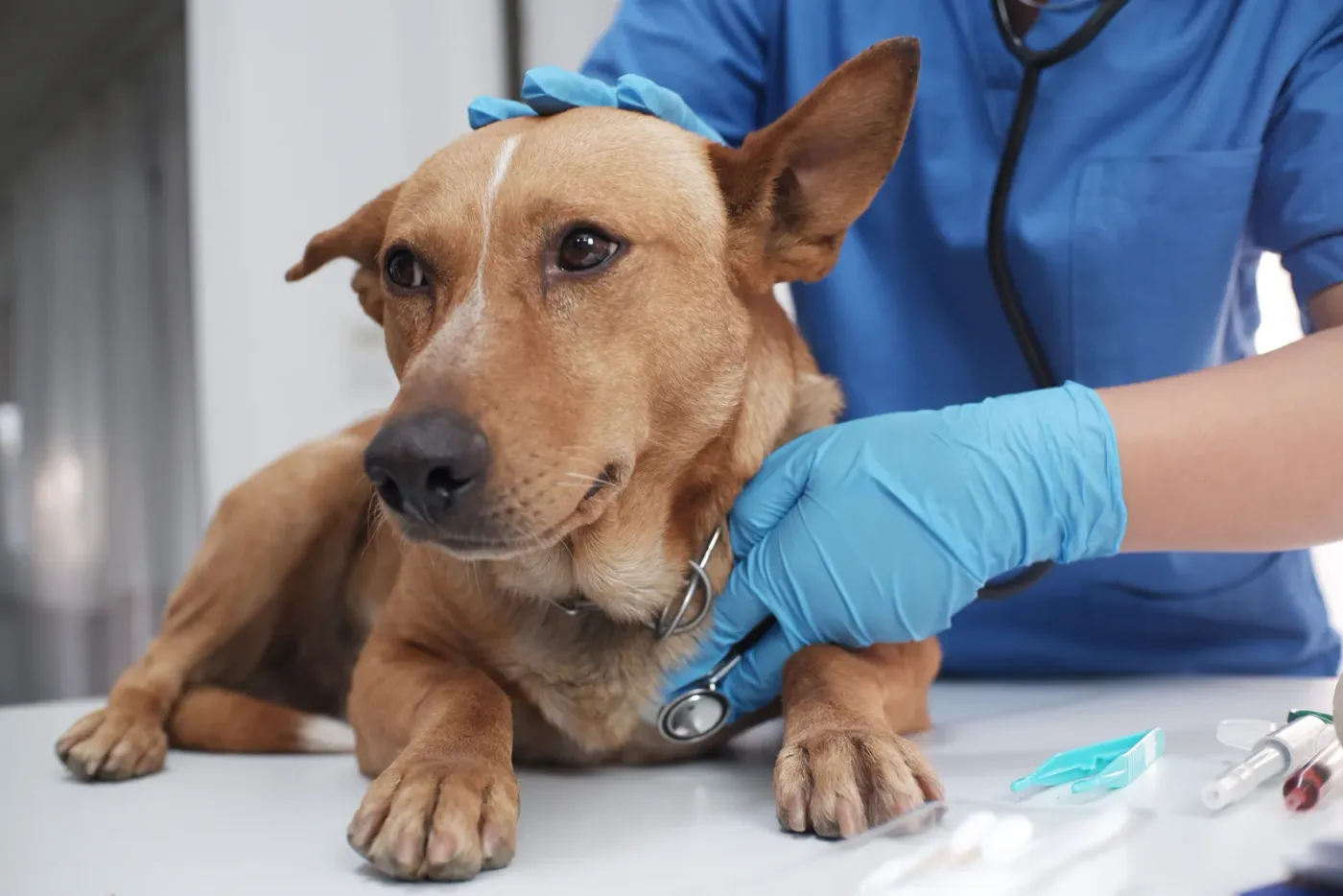
A dog that suddenly growls when lifted, guards its bed, or snaps at the resident cat after an operation is telling you something hurts or something scared it. Pain lowers every dog's tolerance. Before labelling it a behaviour problem, ask your vet about pain control, and manage the environment meanwhile: no lifting without warning, no children draped over the patient, a quiet room away from household traffic.
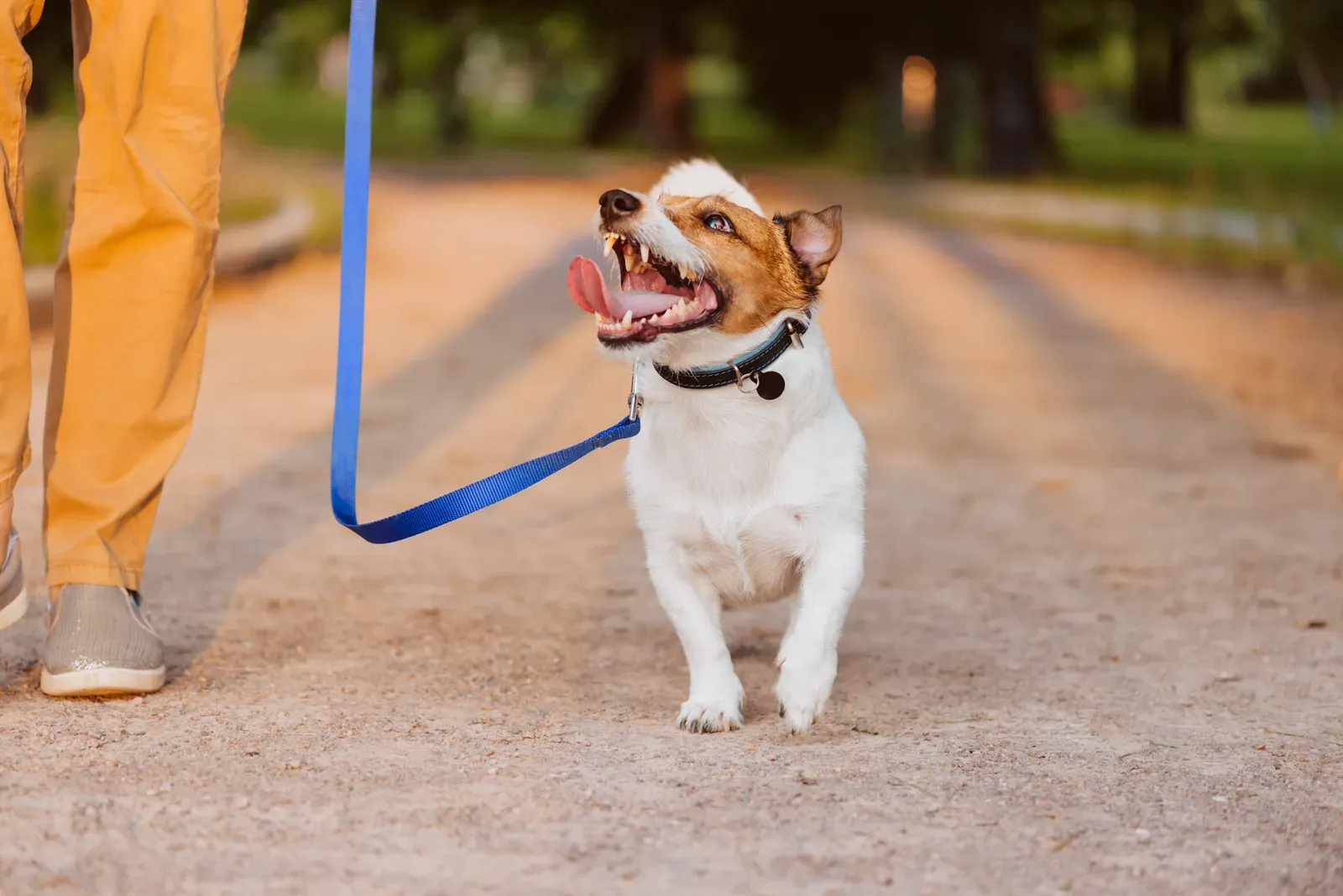
Some habits outlast the healing: barrier frustration from weeks of confinement, demand barking that got answered, a leash that now means a boring five-minute shuffle. Rebuild gradually, following your vet's timeline, and reintroduce obedience as the exercise returns. If the growling or reactivity persists after the vet clears the pain question, private sessions at $150 per hour, each ending with a written plan for the week, help sort out what is medical leftover and what has become habit.
The programs
Help for this chapter.
Life changes are when dogs need structure most. These formats provide it without upending the household.
Asked and answered
The questions people ask us.
Why has my dog's behaviour changed after surgery?
Anaesthetic hangover, pain, medication, and a week of strange routines can all shift behaviour temporarily. Most dogs return to normal as they heal and the schedule stabilizes. Anything that persists or escalates, especially growling or guarding, warrants a call to your vet first.
What are good crate rest ideas for a dog?
Feed meals through snuffle mats, lick mats, and stuffed toys instead of a bowl. Add short stationary training like chin rests and nose targets, and rotate chews so novelty does some of the work. Ten minutes of brain work beats an hour of frustrated pacing.
Why is my dog aggressive after surgery?
Pain is the most common reason. A sore dog guards itself because handling hurts, and even gentle contact can trigger a snap. Speak to your vet about pain management before anything else; if the aggression outlasts the recovery, then it becomes a training question.
How do I keep my dog calm after surgery?
Structure the day tightly: confinement with a routine, mental work instead of exercise, and calm handling with no rowdy visitors. Ask your vet what movement is allowed and use every bit of it as sniffing time. A predictable, boring schedule is genuinely calming.
Keep reading
Recovery without the chaos
Healing done but the habits stayed? Book a consultation and we will untangle pain leftovers from learned behaviour.
From real owners
Rated 5.0 on Google.
Real Northline dogs