
The method
How to stop a dog digging
A hole in the lawn is a message, and the location is the handwriting. Shallow pits in shady corners, bones vanishing into flowerbeds, trenches along the fence line: each pattern names a different motive, and each motive gets a different fix. Filling holes without reading them first is how people end up refilling the same one all summer.
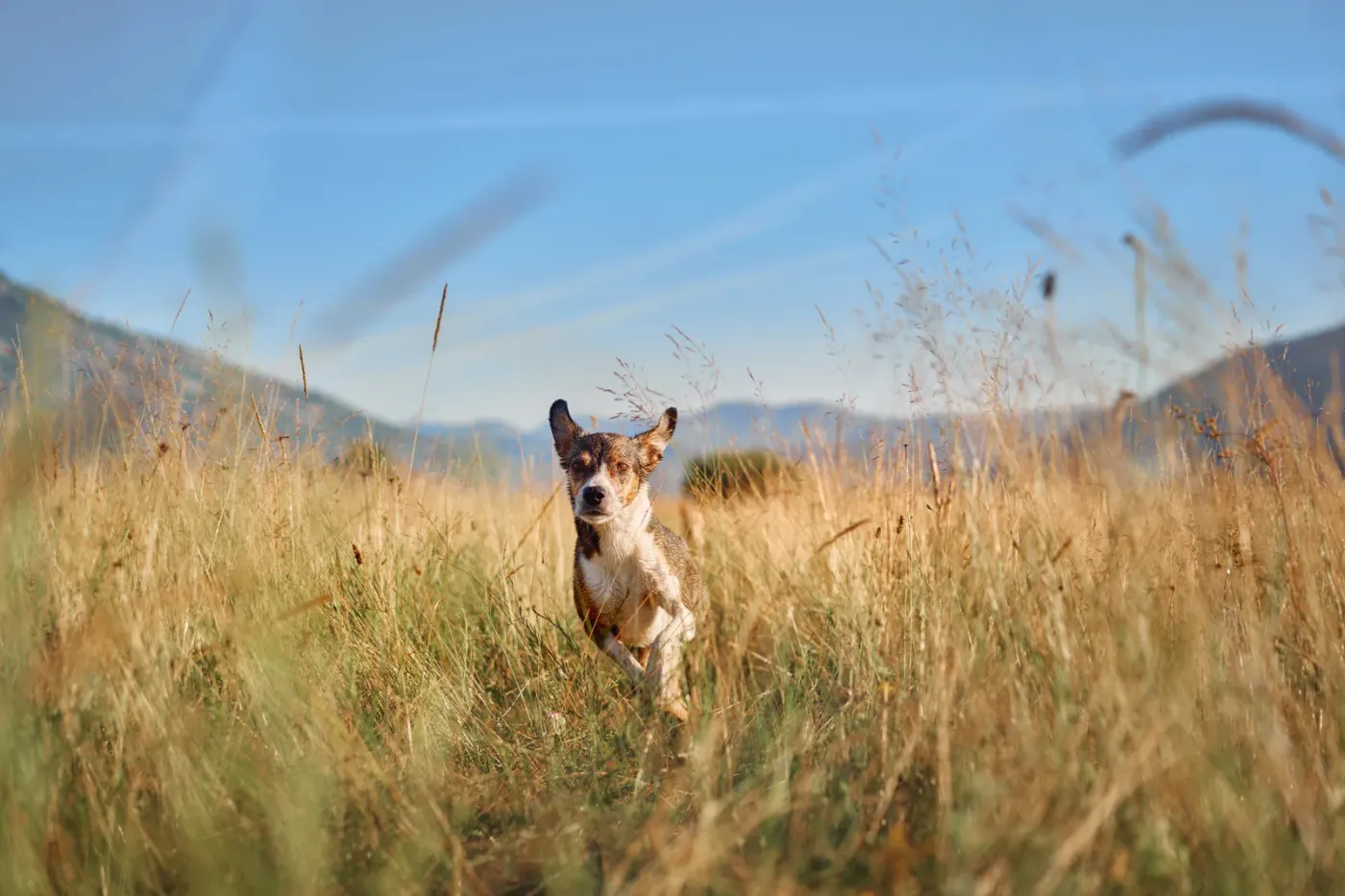
Read the holes
Five reasons dogs dig, five different fixes.
Cooling holes are wide, shallow, and dug into shade or damp soil on hot days: the fix is real shade, fresh water, and cooler hours outside. Boredom holes appear anywhere and everywhere when the yard is the whole day's entertainment: the fix is more exercise, more brainwork, and less unsupervised yard time. Burying is instinct doing inventory management, so fewer bones and chews left over means less treasure needing a vault.
Prey digging is focused and frantic, nose jammed in one spot, usually over voles or mice: no training fixes a yard that squeaks, so deal with the rodents. Then there are the professionals. Terriers, huskies, and other born earth-movers dig because digging is the job description, and for them the honest answer is a legal dig zone: a sandbox or marked bed, treats and toys seeded in it, praise for using it, and quiet redirection everywhere else.
- Match the fix to the motive
- Shade and water for coolers
- More brainwork for bored diggers
- Dig zone for born diggers
Yard and beyond
When the hole points under the fence.
Some digging is an energy budget problem. A young, high-drive dog getting one lap of the block will spend the surplus somewhere, and the lawn is conveniently located. Do the exercise arithmetic honestly: physical outings, plus sniffing time, plus training minutes, measured against age and breed. Manage the yard while you rebalance: supervise outside time, block the favourite corners, and skip the folk remedies, because burying balloons or filling holes with water teaches nothing.
Trenching along the fence line is its own category, because escape digging has a destination. Ask what is pulling: a dog in the next yard, wildlife, or, in an intact dog, hormones. Reinforce the barrier with buried wire or a concrete lip, and treat the pull itself as the training project, because a determined escaper beats a fence eventually. If the digging comes with pacing, whining, or frantic behaviour at the door, anxiety may be driving it, and that deserves a proper assessment.
The programs
When the problem outlasts the guide.
Some behaviours need more repetitions than evenings allow. These formats deliver them.
W · One-hour session
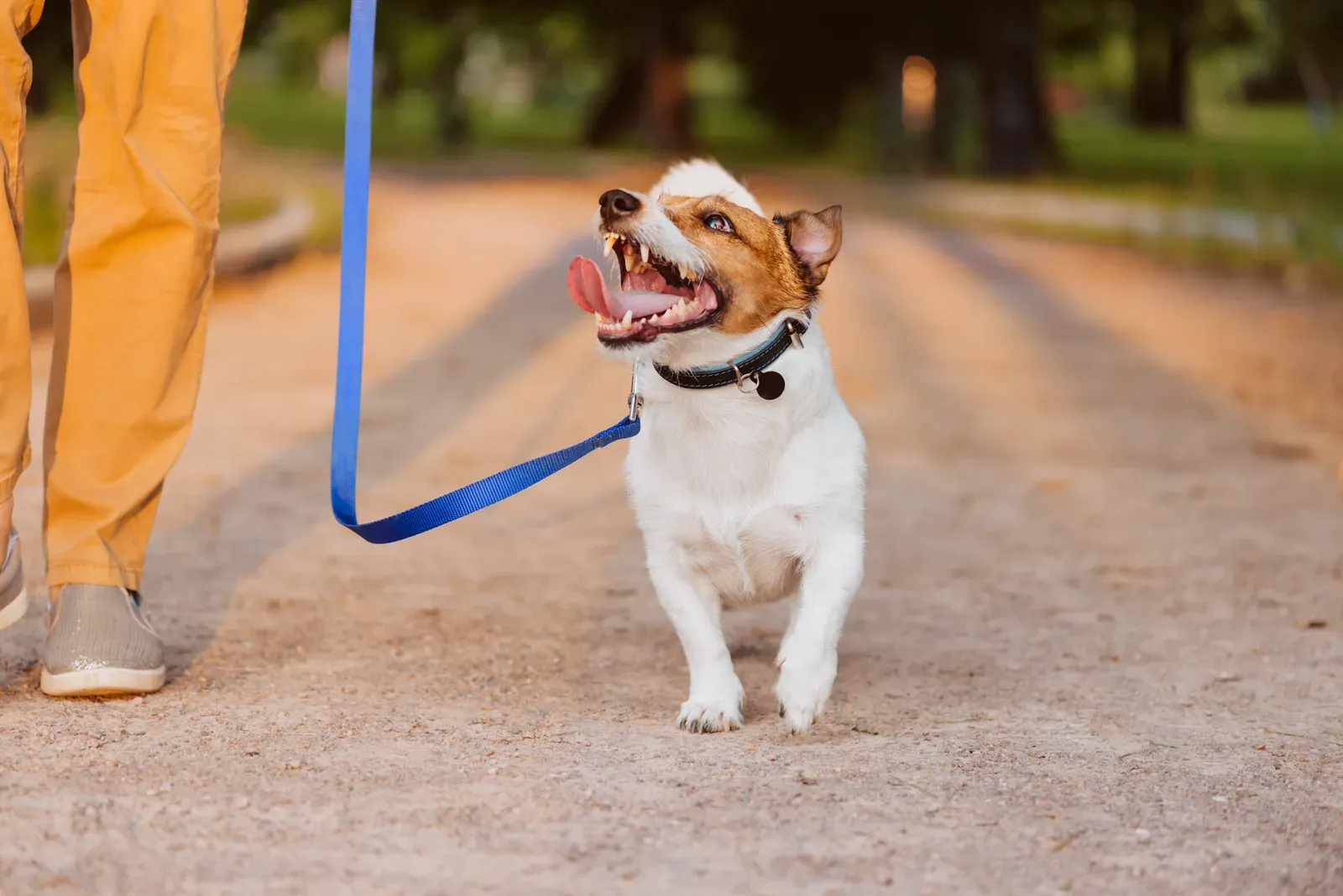
Private Training
One-on-one coaching with you on the other end of the leash.
Includes a written weekly plan to work from
SW · Weekdays, drop-off 8–10 am · pick-up 5–7 pm
Day Training
Professional training all day, your couch at night.
Includes weekly one-hour go-home lesson, daily structure
Asked and answered
The questions people ask us.
Why is my dog digging holes in the yard?
Read the holes. Shallow pits in shade mean cooling, scattered holes mean boredom, one obsessive spot means prey, buried chews mean instinct, and fence-line trenches mean escape. The pattern tells you which fix to buy.
How do I stop my dog digging under the fence?
Physically reinforce the fence line first, with buried mesh or a footing, because motivation does not wait for training. Then address the pull: whatever is on the other side, or the boredom pushing from this side. Neutering can be part of the answer when hormones are the driver, but the fence work still comes first.
Should I give my dog a place where digging is allowed?
If you own a breed built for it, yes. A sandbox seeded with buried toys and treats gives the instinct a legal address, and you redirect calmly every time the lawn gets started instead. Fighting genetics head-on loses more often than it wins.
Will more exercise stop the digging?
Often, if boredom is the motive, and mental work counts double: sniffing walks and short training sessions drain more energy than extra fetch. It will not touch cooling, prey, or escape digging. Diagnose before you prescribe.
Keep reading
Yard losing the war?
If the digging comes with bigger behaviour problems, we can assess the whole picture. Book a consultation.
From real owners
Rated 5.0 on Google.
Real Northline dogs