
The method
How to stop a dog chewing furniture
Your dog is not punishing you for working late. Chewing is a need, wired in as deeply as sniffing, and a couch leg is simply the most satisfying thing in reach. The fix is not to end chewing. It is to redirect it: better outlets, smarter management, and enough mental work that the furniture stops being the most interesting option in the house.

Meet the need
Give the jaws a legal job.
Start with outlets that actually compete. One rubber toy gathering dust does not count. Offer variety: different textures, edible chews, food puzzles, and frozen options that soothe sore mouths and stretch a five-minute chew into forty. Rotate them so novelty stays high. When your dog picks up something legal, quietly pay it with praise or a treat. You are teaching a preference, and preferences take repetitions.
Then stop the free practice. A dog who rehearses couch chewing while you are out is winning every time, unseen. Manage access: gate off the living room, use a crate or pen when you cannot supervise, and keep eyes on the dog when you can. Add real mental work daily, because a tired brain chews less than tired legs. Sniffing walks, training minutes, and scatter feeding all count.
- Rotate a variety of chews
- Freeze options for longer sessions
- Gate or crate when unsupervised
- Work the brain every day
Find the cause
Teething, boredom, or anxiety decides the fix.
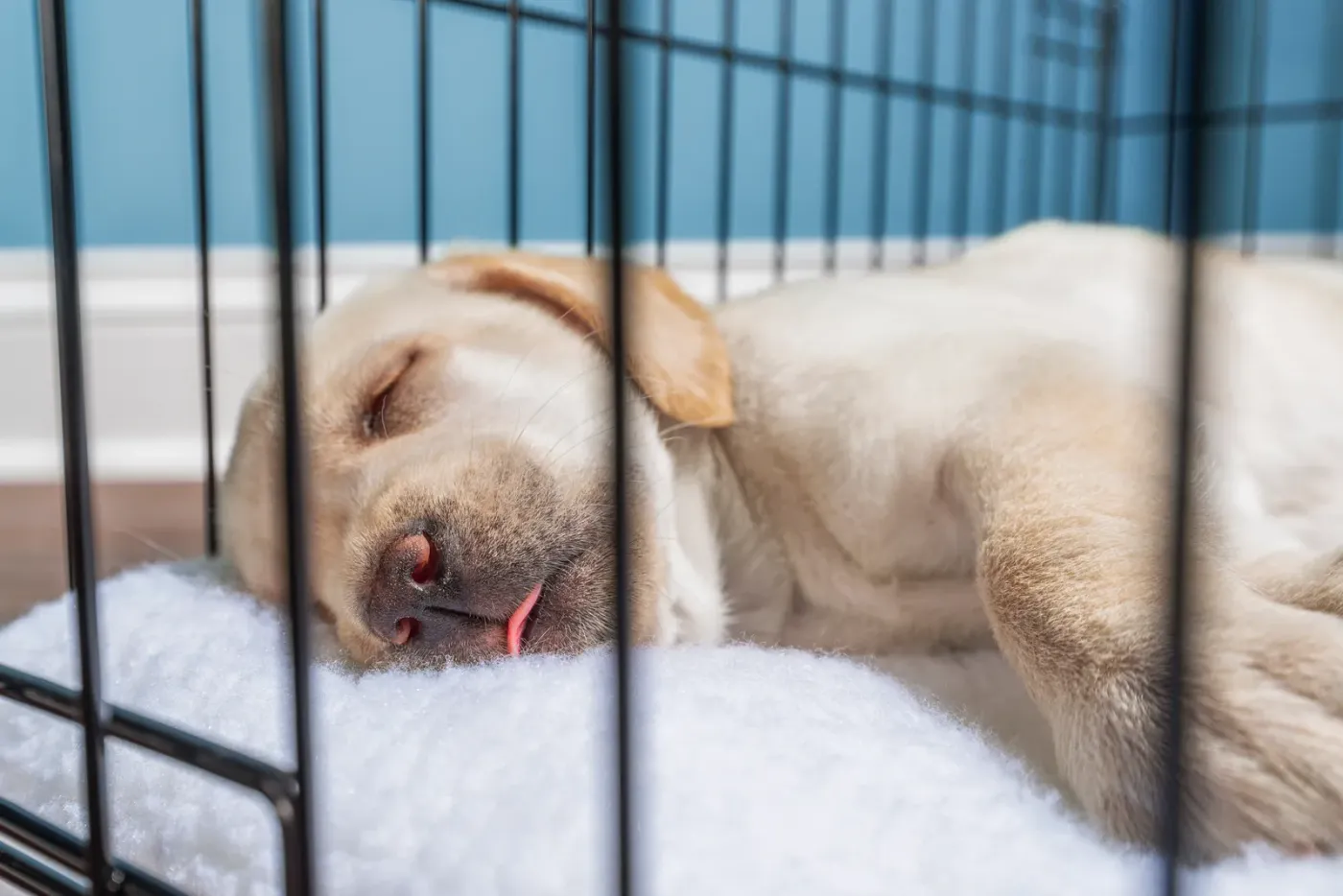
Puppy teething chews are broad and indiscriminate: shoes, table legs, your sleeve, all sampled between roughly three and seven months while adult teeth come in. Cold helps, so frozen chews earn their keep here. Adult boredom chewing looks different: it happens when the day is empty, often targets whatever smells most like you, and fades when exercise and enrichment go up. The calendar and the schedule usually tell you which one you have.
Anxiety chewing is the one management alone will not solve. Watch for damage focused on exits: door frames, window sills, the crate itself, usually in the first stretch after you leave, often alongside drooling or pacing. That dog is not bored, it is panicking, and more puzzle toys will not fix panic. If that pattern fits, the chewing is a symptom, and the stress underneath is the real training project.
The programs
When the problem outlasts the guide.
Some behaviours need more repetitions than evenings allow. These formats deliver them.
W · One-hour session
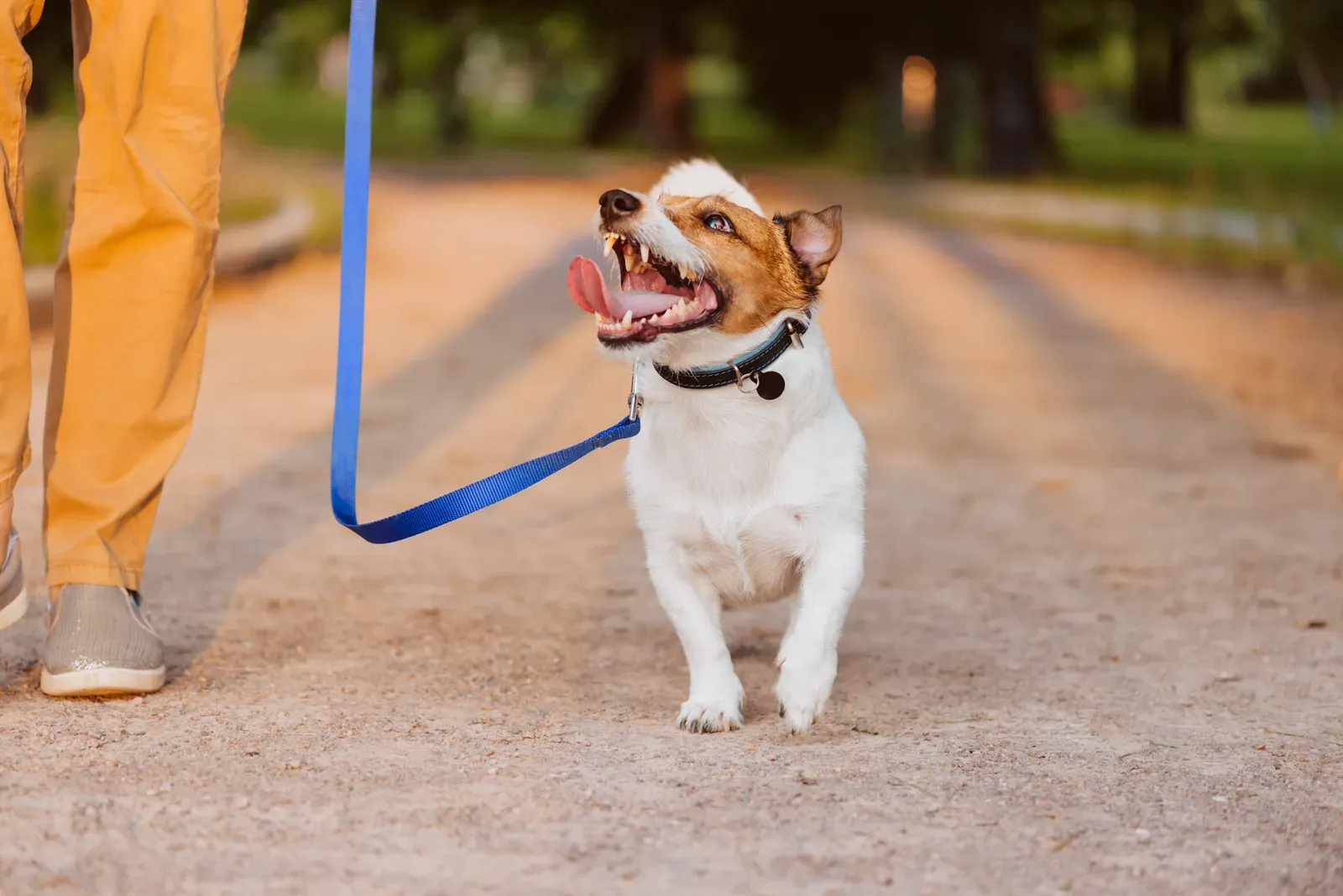
Private Training
One-on-one coaching with you on the other end of the leash.
Includes a written weekly plan to work from
SW · Weekdays, drop-off 8–10 am · pick-up 5–7 pm
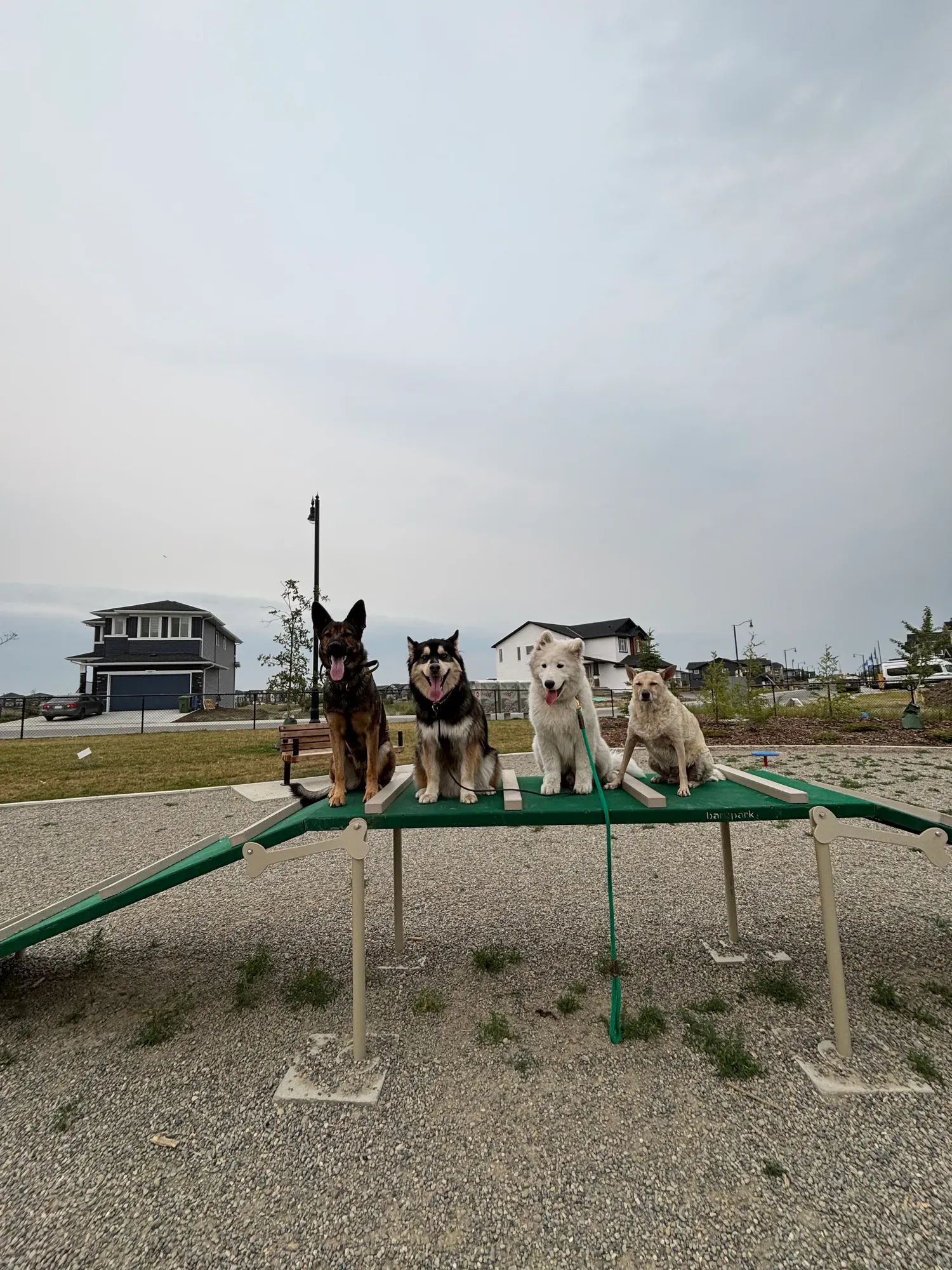
Day Training
Professional training all day, your couch at night.
Includes weekly one-hour go-home lesson, daily structure
N · 3-week board & train
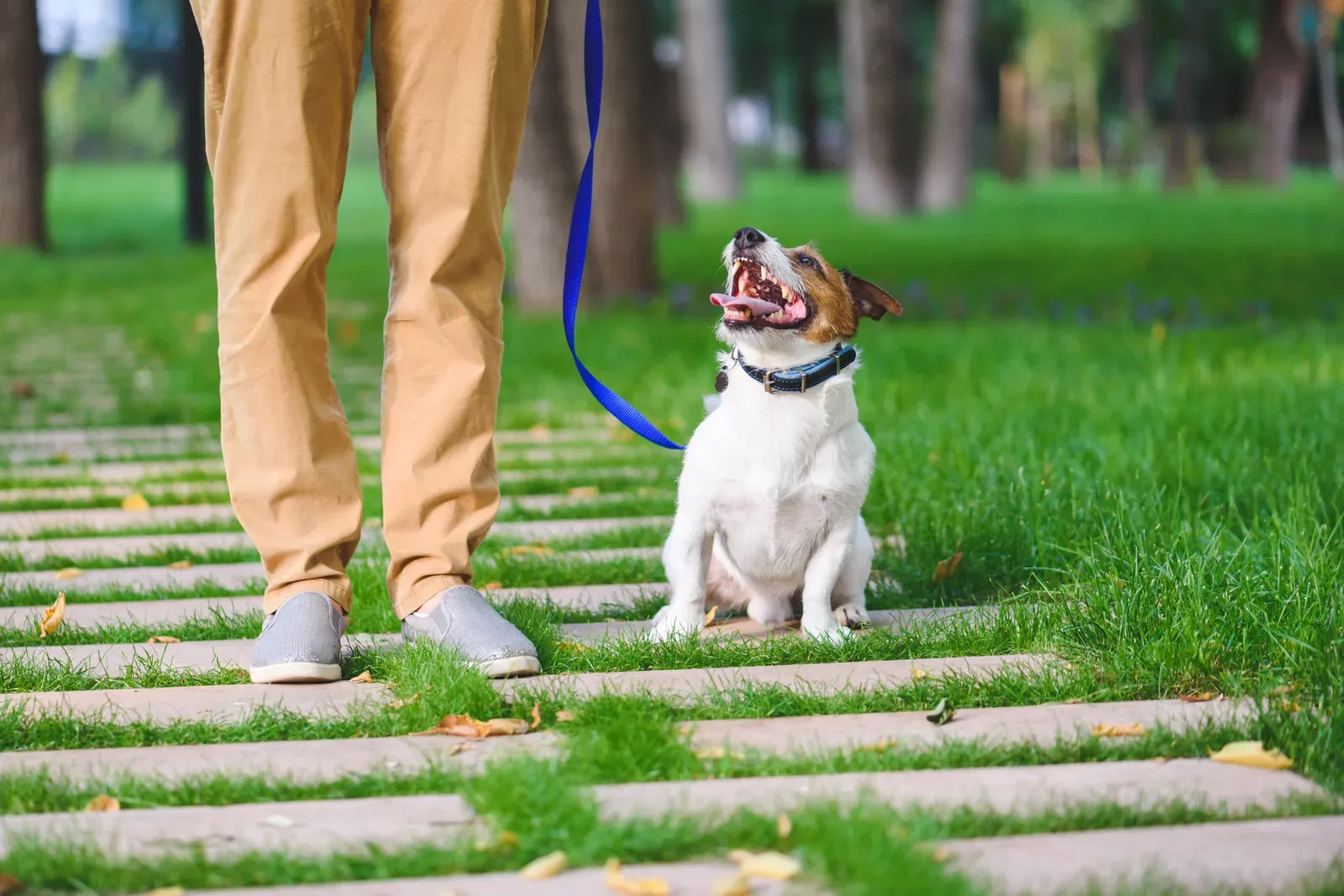
Puppy Fundamentals
Your puppy's first months decide the habits of a lifetime.
Includes handover lesson, follow-up session, slip lead + collar
Asked and answered
The questions people ask us.
Why is my puppy chewing everything?
Teething. Between roughly three and seven months, adult teeth push through and chewing relieves the pressure, so puppies sample everything in reach. Supply frozen and varied chews, restrict access to the good furniture, and it passes.
Why does my dog only chew when left alone?
Two likely reasons. If the damage is scattered and casual, your dog is bored and unsupervised, which management and enrichment solve. If it is concentrated on doors, windows, or the crate, that points to separation stress, which needs a proper training plan rather than more toys.
How do I stop destructive chewing for good?
Prevent the rehearsal while you build the habit. Confine or supervise so the couch is never available unsupervised, pay the legal chews generously, and raise daily mental exercise. Most dogs shift their preference once the couch stops being available and the chews keep winning.
Will my dog grow out of chewing furniture?
Teething puppies mostly do, provided they are not building a furniture habit in the meantime. Adult boredom or anxiety chewing does not fade on its own. The behaviour is working for the dog, so it continues until you change what works.
Keep reading
Tired of replacing furniture?
If the chewing feels bigger than teething, we can help you find the cause and fix it. Book a consultation.
From real owners
Rated 5.0 on Google.
Real Northline dogs