
Life stages
Empty-nest dogs: routine changes
When the last kid moves out, the dog loses its noisiest walker, half its audience, and a big share of its daily steps. Some dogs nap through the change. Others pace, whine at bedroom doors, or start shadowing you room to room. The fix is not more sympathy, it is a rebuilt routine with real structure in it.
Last reviewed August 26, 2026
A smaller world
The house went quiet and the dog noticed.
Kids are a dog's built-in enrichment program: after-school greetings, backyard games, dropped snacks, a warm bed to sneak onto. When they leave for school or a first apartment, the dog's exercise and attention drop sharply without anyone deciding they should. Watch for the signs of a shrunken world: waiting at the door around the old bus time, sleeping more, sighing at you, or new clinginess that was never there before.
Rebuild the schedule the way you would for a new dog. Walks at set times, meals at set times, and a ten-minute training session every day that gives the two of you a shared project. Rotate food puzzles and sniffing games for the empty afternoons. Predictability is the point: a dog that knows what happens at 7, noon and 5 stops scanning the house for the people who used to make things happen.
- Walks at fixed times
- Ten minutes of training daily
- Food puzzles for quiet afternoons
- Meals on a set schedule
Structure on tap
More time is not the same as more structure.
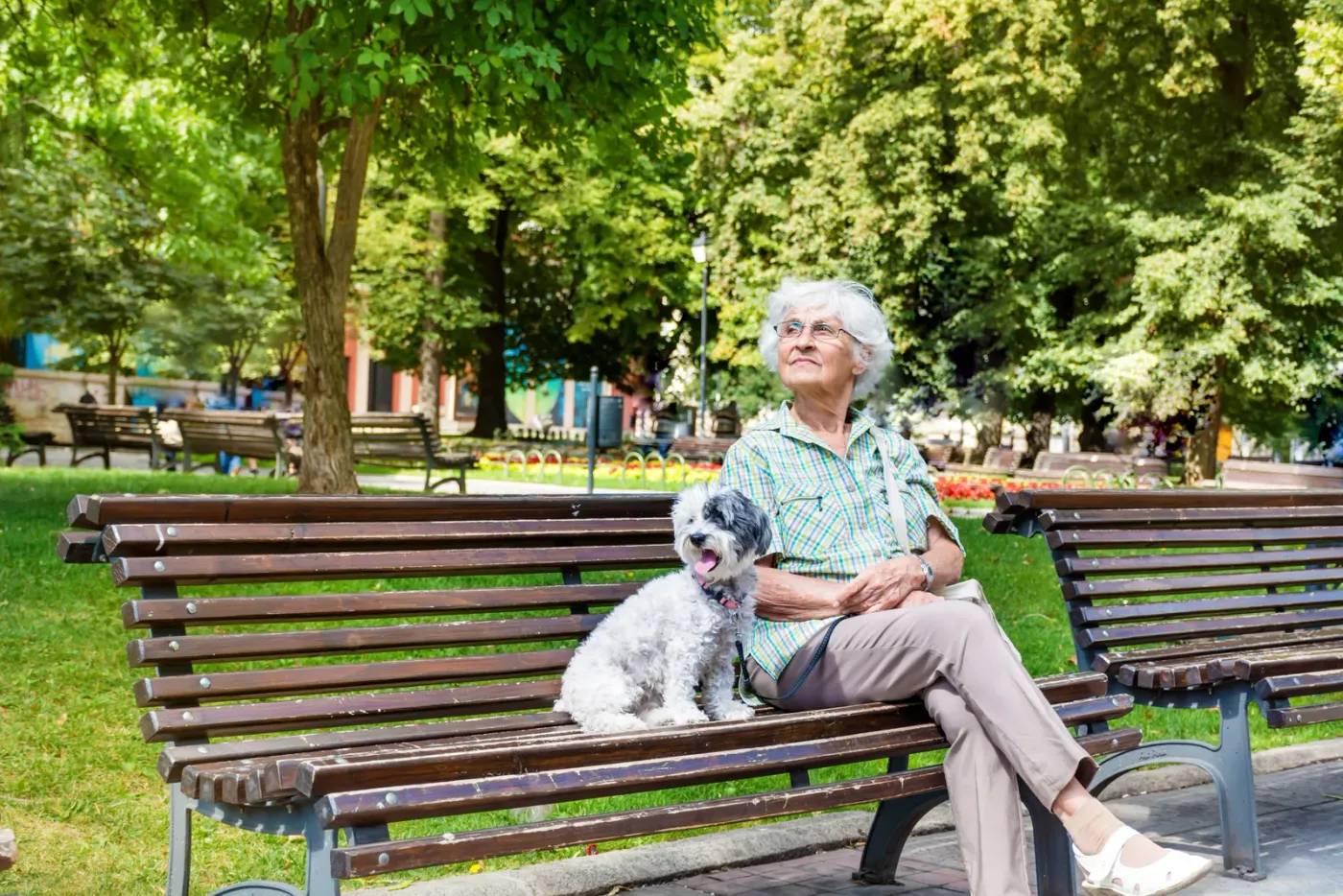
Retirement flips the problem: suddenly you are home all day, and the dog gets constant company but no rhythm. Dogs do better with a shape to the day than with wall-to-wall access to you, and this is also the season many owners finally have time for real training. A goal helps: polished loose-leash walks, a reliable recall for off-leash trips, and calm manners on patios and in shops.
Day Training exists for exactly this gap. Drop the dog off between 8 and 10 am, Monday to Friday, and pick up between 5 and 7 pm; for $650 per week the dog gets full days of one-on-one training and structure, and you get a weekly one-hour go-home lesson so the progress moves into your house. Private Training at $150 per one-hour session suits smaller rebuilds, one session and a written plan at a time.

The programs
Help for this chapter.
Life changes are when dogs need structure most. These formats provide it without upending the household.
W · One-hour session
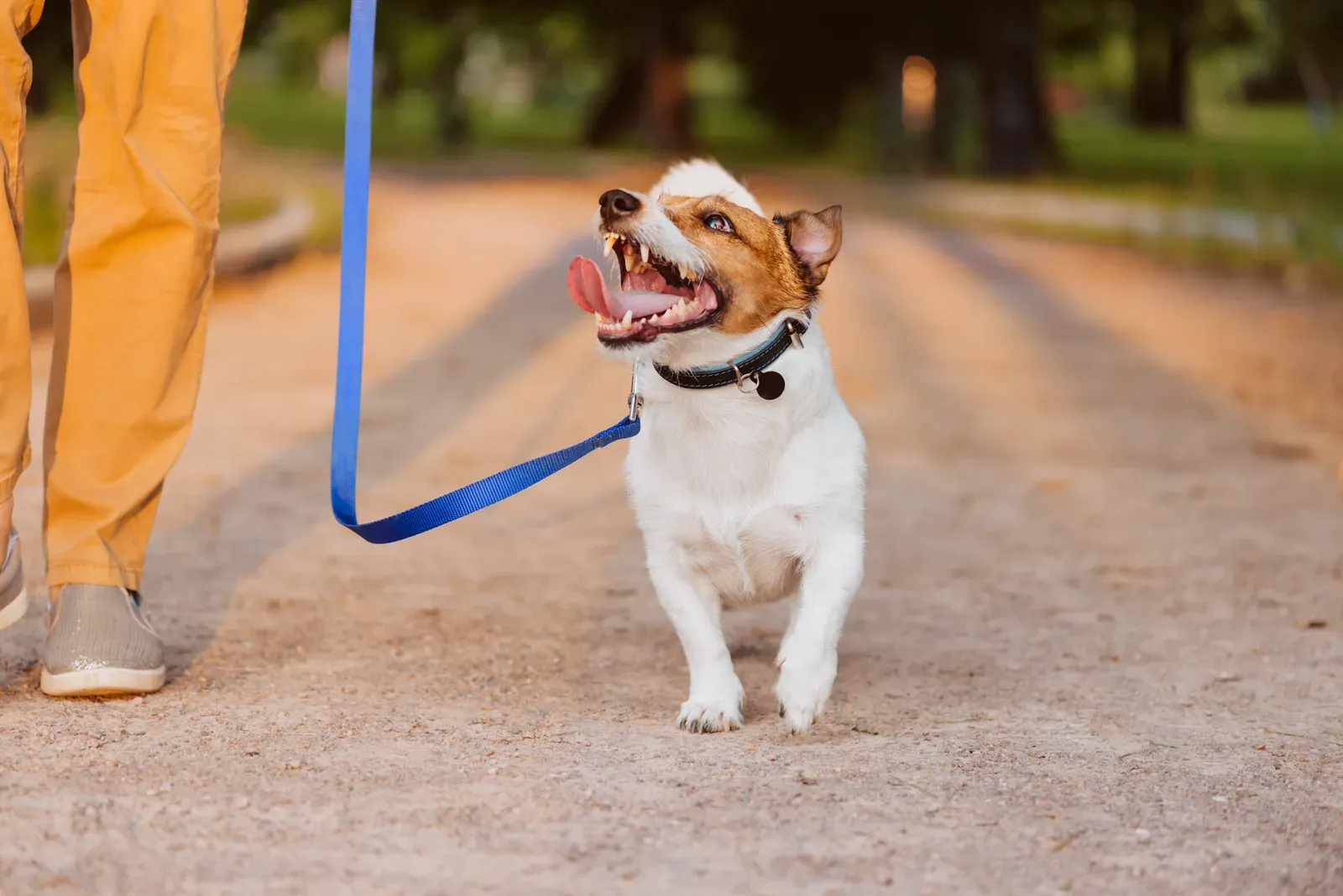
Private Training
One-on-one coaching with you on the other end of the leash.
Includes a written weekly plan to work from
SW · Weekdays, drop-off 8–10 am · pick-up 5–7 pm
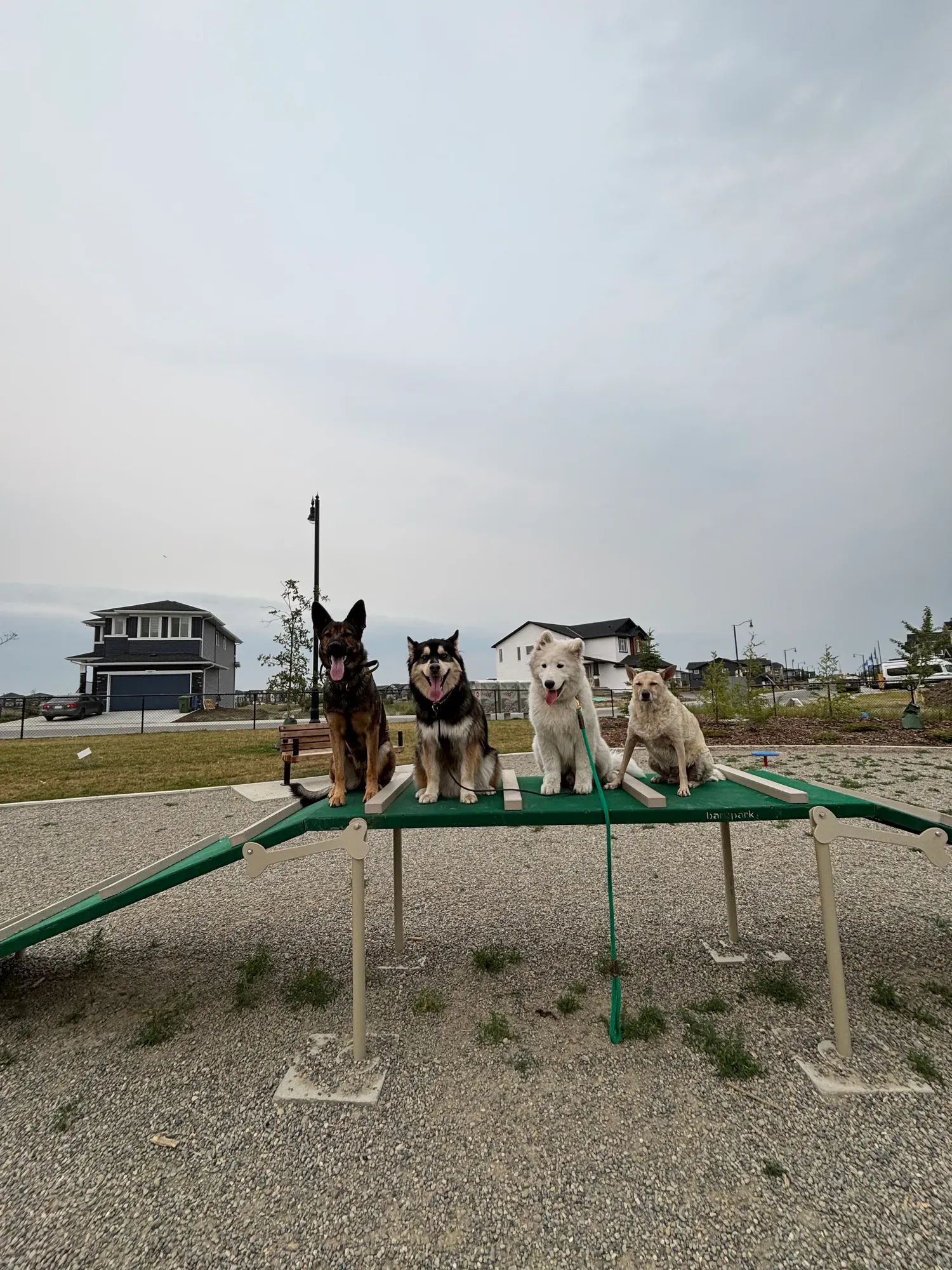
Day Training
Professional training all day, your couch at night.
Includes weekly one-hour go-home lesson, daily structure
Asked and answered
The questions people ask us.
Is my dog depressed after my kid moved out?
Dogs grieve routine more than people realize. What looks like depression, sleeping more, ignoring toys, waiting by a bedroom door, is often a schedule that vanished. Rebuild the structure first; if the flatness persists, get a professional set of eyes on it.
Why does my dog get anxious when family leaves?
Some dogs tie their sense of safety to the household being complete, so departures trigger pacing, whining or door-watching. Give the dog a predictable day and something to do in the old high-traffic hours. If the anxiety is intense or constant, an assessment is worth it before it becomes the new normal.
How do I change my dog's routine without stress?
Shift gradually and anchor the day with fixed meals and walks. Keep one or two rituals the dog already loves while you swap the rest. Dogs handle change well when something reliable still happens on time.
Can day training help an empty-nest dog?
Yes, that is one of its best uses. The dog gets structured weekdays of one-on-one training while the weekly go-home lesson rebuilds your shared routine at home. It runs $650 per week plus GST.
Keep reading
Rebuild the routine
If the quiet house has your dog pacing, book a consultation and we will design a week that works for both of you.
From real owners
Rated 5.0 on Google.
Real Northline dogs