
Life stages
Dogs and toddlers: living safely
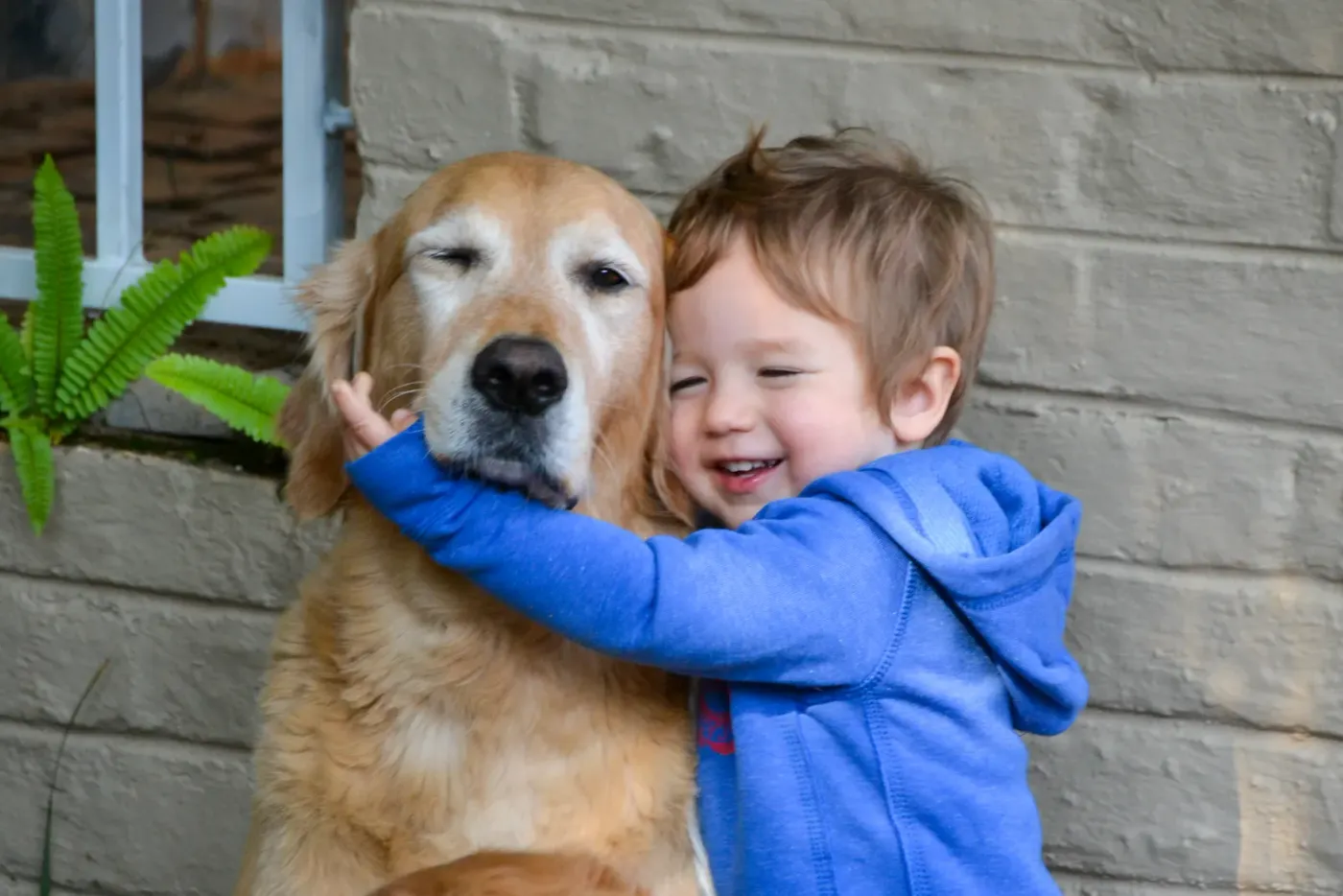
A toddler and a dog can share a home well, but not unsupervised and not by luck. Toddlers grab, stagger and shriek at exactly dog height, and even a patient dog has limits. The plan is management first: gates, crates, escape routes, and an adult who reads the early signals instead of waiting for a growl.
Last reviewed August 26, 2026
Management first
Gates, crates and an adult who is actually watching.
Set the house up so the default is separation: a gate across the playroom, a gate at the kitchen, and a crate in a quiet corner that is the dog's alone. The toddler never opens it, reaches into it, or joins the dog inside. Supervision means an awake adult in the same room, eyes up. A parent cooking, scrolling, or showering is not supervising, and that is when trouble happens.
Give the dog an exit from every room and never let the toddler follow it there; retreat has to work, or the dog will try something else. Teach the child early rules: no hugging, no climbing, no touching the dog while it eats or sleeps. Learn the quiet stress signals that come before a growl, licking lips, turning away, a stiff body, showing the whites of the eyes, and end the interaction the moment you see them.
- Baby gates as the default
- Crate is a toddler-free zone
- Awake adult in the room
- Meals and chews behind a gate
The hard truth
Most bites to small children come from the family's own dog.
The uncomfortable fact is that most bites to toddlers come from the family's own dog, in its own home, not from strays at the park. Familiarity is not protection; it just means more hours of exposure and more chances for a tired dog and a grabby toddler to meet unsupervised. That is why the rules above stay in force even when the dog has been perfect for years.
Call for help at growling, freezing over food, or any snap, not after a bite. Behaviour Rehab is a 5 to 6 week board and train for anxiety, reactivity and aggression, from $4,850 to $5,760 after a full assessment, with two follow-ups and deep owner education. For lower-stakes friction, Private Training at $150 per session builds a written weekly plan around your actual floor plan and your actual toddler.
The programs
Help for this chapter.
Life changes are when dogs need structure most. These formats provide it without upending the household.
W · One-hour session
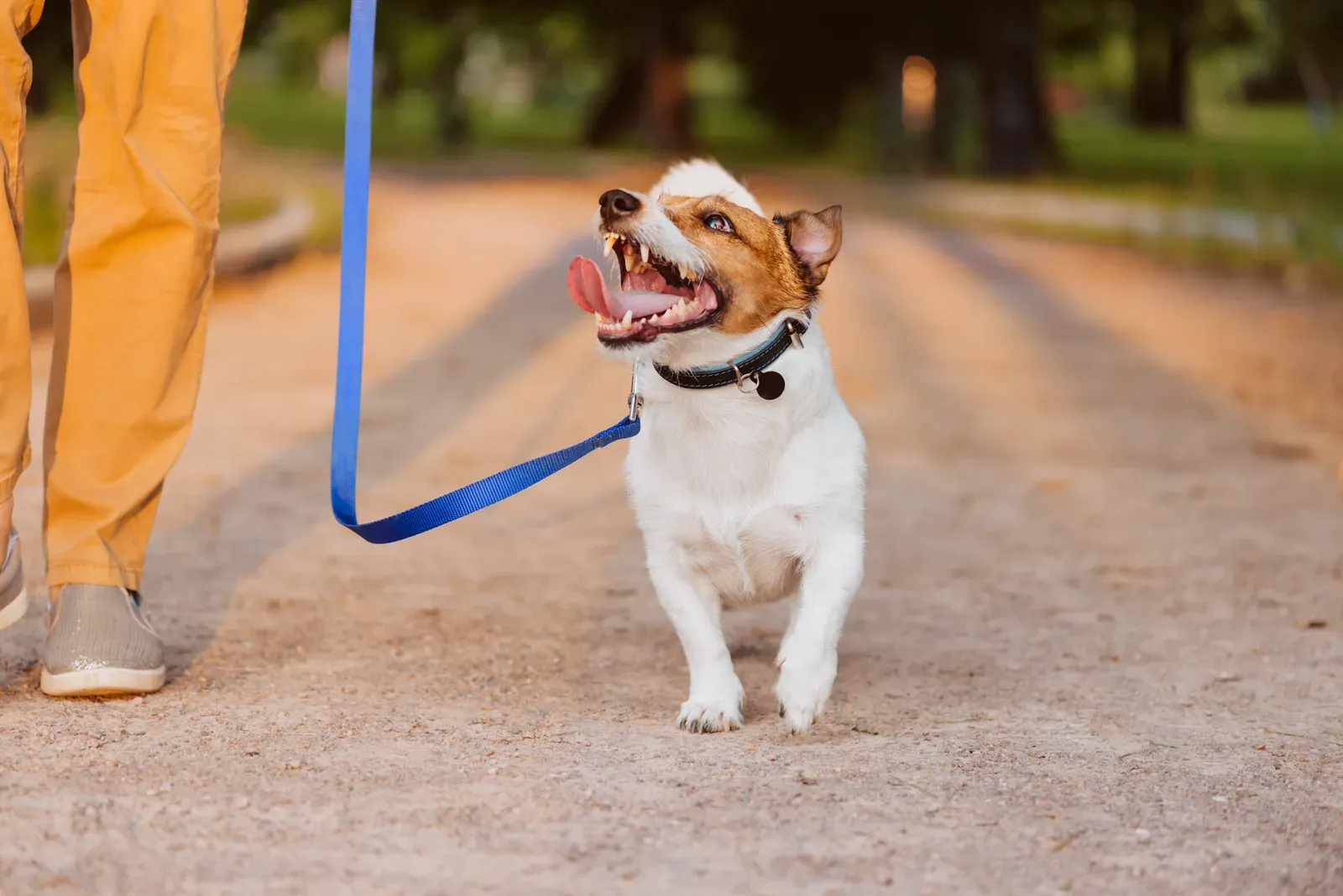
Private Training
One-on-one coaching with you on the other end of the leash.
Includes a written weekly plan to work from
NE · 2-week board & train
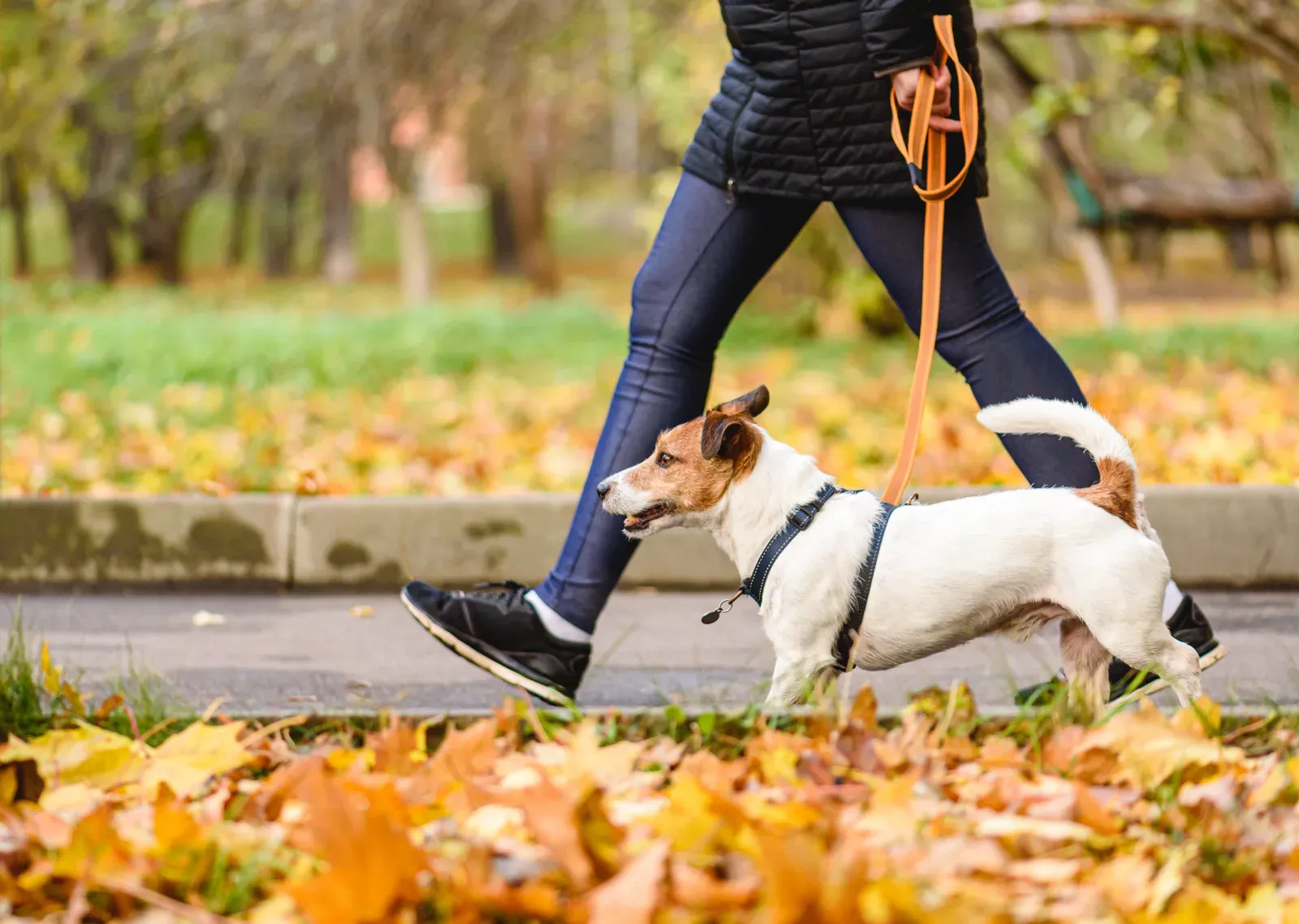
On-Leash Foundations
If every walk is a wrestling match, pulling, barking, zig-zagging, this two-week program rebuilds the walk from the ground up with foundational on-leash obedience..
Includes handover lesson, follow-up session, lifetime support, slip lead + collar
Asked and answered
The questions people ask us.
How do I keep my toddler safe around our dog?
Separate them by default with gates, supervise every interaction with an awake adult in the room, and give the dog a retreat the toddler cannot follow into. Feed meals and chews behind a barrier. Trust management, not the dog's history.
Why is my dog growling at my toddler?
Growling is the dog saying it is out of options: too much grabbing, no escape route, or a toddler near its food or bed. Never punish the growl, because you need that warning. Fix the setup, and book help if it continues.
What are sensible dog and toddler rules?
No hugging, no climbing, no touching a dog that is eating, chewing or sleeping, and no reaching into the crate. Adults enforce the rules, because a toddler cannot. The dog always gets a way out of the room.
Can a dog and a toddler ever be left alone together?
No. Even gentle, well-trained dogs have limits, and toddlers find them by accident. If you cannot watch, use the gate or the crate; that is what they are for.
Keep reading
Make the house safe
Growling at your toddler is a now problem. Book a consultation and we will map a management and training plan for your home.
From real owners
Rated 5.0 on Google.
Real Northline dogs