
Straight answer
Why is dog training so expensive?
The sticker shock is real. Puppy Fundamentals, a three-week board and train, costs $2,775 plus GST, and Behaviour Rehab can pass $5,000. None of that is padding. It is one trainer's attention, all day, for one dog, plus the follow-up sessions nobody bills for. Below is where the money goes, and an honest look at when the smaller purchase is the right one.
Last reviewed August 26, 2026
Where the money goes
What a training fee actually pays for.
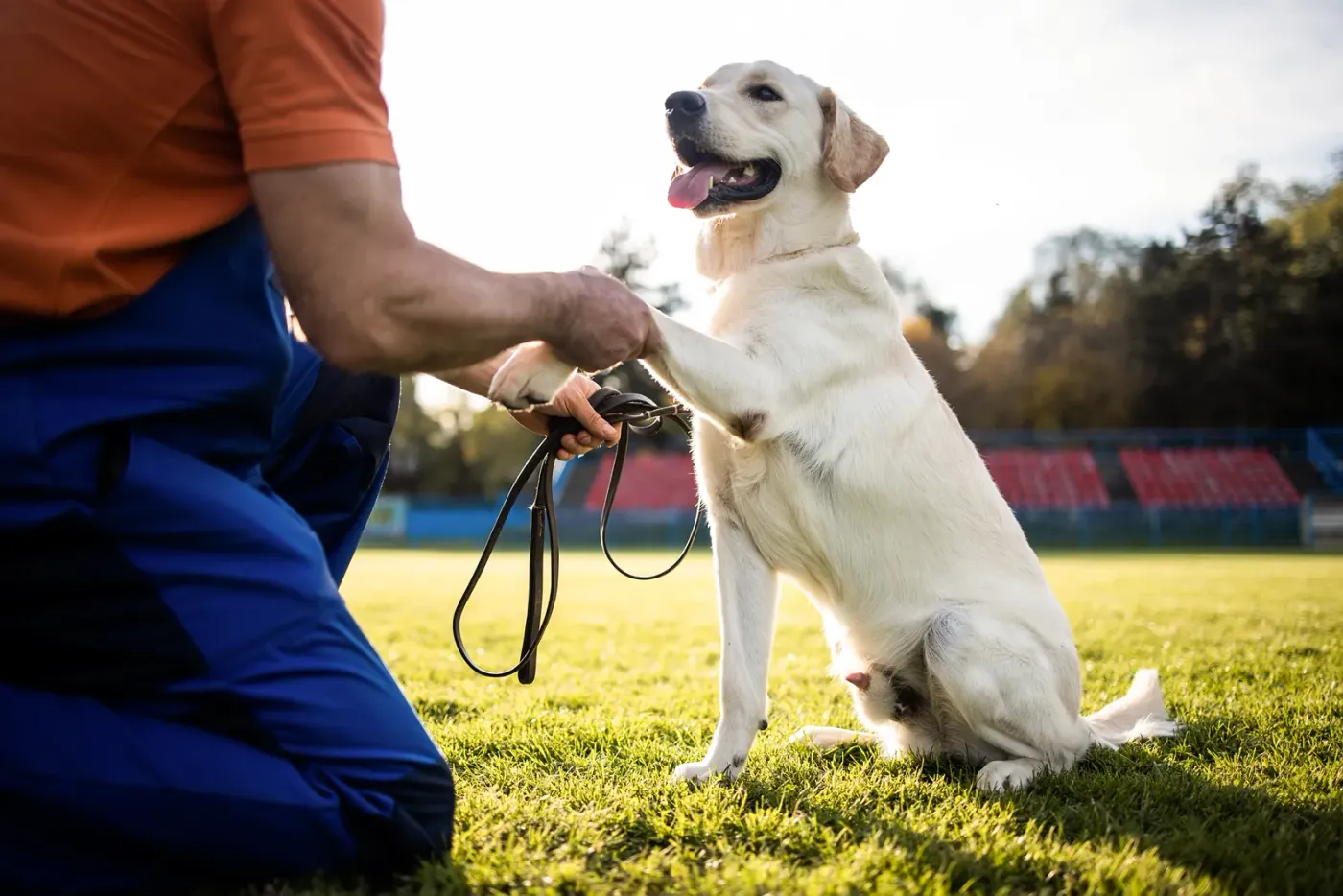
Start with the math of one-on-one. A board and train dog is not one of a dozen in a class. It is one dog, with one trainer, for every session, every day, for two to six weeks. That dog also lives in the trainer's home, which means night crate routines, meals, walks, and someone awake when it whines at 3 am. The daily training is the visible part. The unpaid hours around it are most of the cost.
Then add what continues after pick-up. Every Northline K9 board and train includes a handover lesson and free follow-up sessions, so the fee covers trainer time that happens after the dog goes home. Behind all of it sit the boring costs: insurance, the slip leads and collars that come with the programs, the Educator e-collar in Functional Off-Leash, and the years it takes to learn to read a dog before it decides something. You are paying for judgement as much as hours.
- One trainer, one dog, daily
- Dog lives in the trainer's home
- Free follow-ups after pick-up
- Equipment and insurance built in
Cost versus alternative
When training is the cheap option, and when it is not.
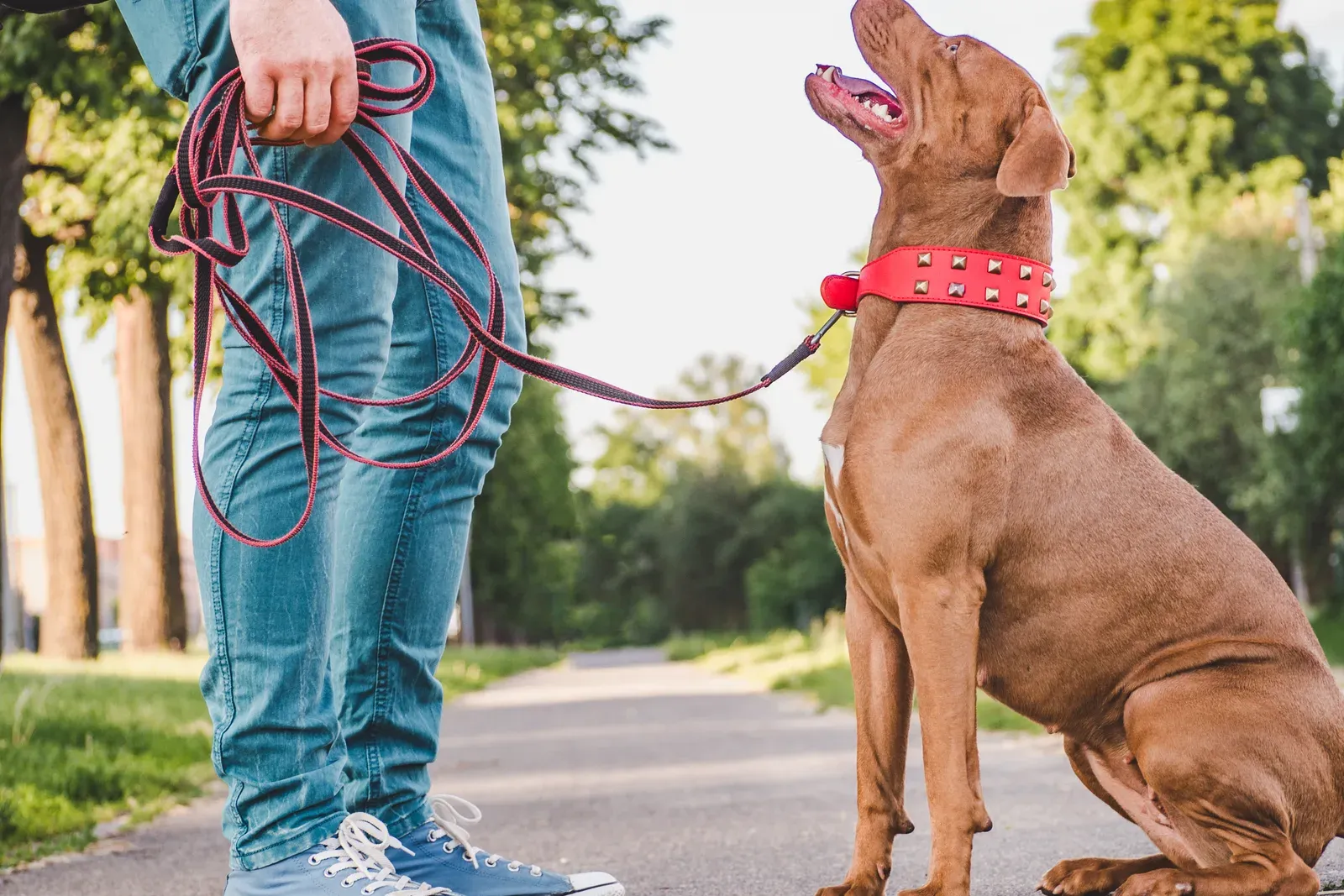
Measure the fee against what the problem costs without it. Behaviour Rehab at $4,850 to $5,760 plus GST sounds enormous until you price the alternatives: a vet bill after a fight, a rehoming that breaks everyone, or years of walking at 5 am to avoid other dogs. A reactive dog costs you every single day, in ways that never show up on a receipt. Against that, five or six weeks of daily one-on-one work is the cheap option.
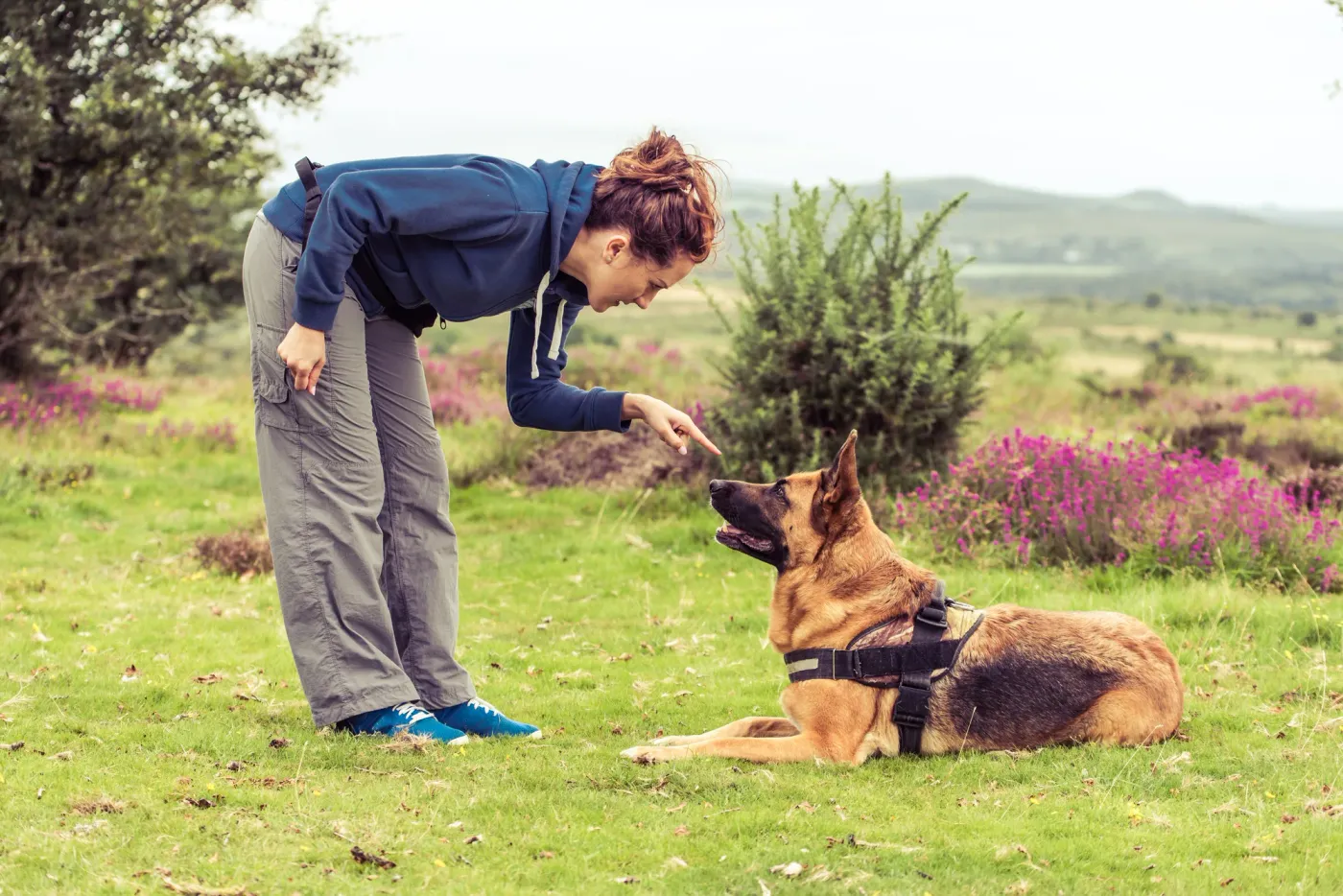
The flip side: plenty of dogs do not need a board and train, and we say so. A pup that pulls a little, or an adult that jumps on guests, can often be sorted in Private Training sessions at $150 each, with a written weekly plan you run yourself. Day Training at $650 a week keeps the dog home at night and spreads the cost. Buying the big program for a small problem is the one kind of expensive we do not recommend.
The programs
The prices behind the answer.
Every program and every number is published; here are the ones this page is about.
NE · 2-week board & train
On-Leash Foundations
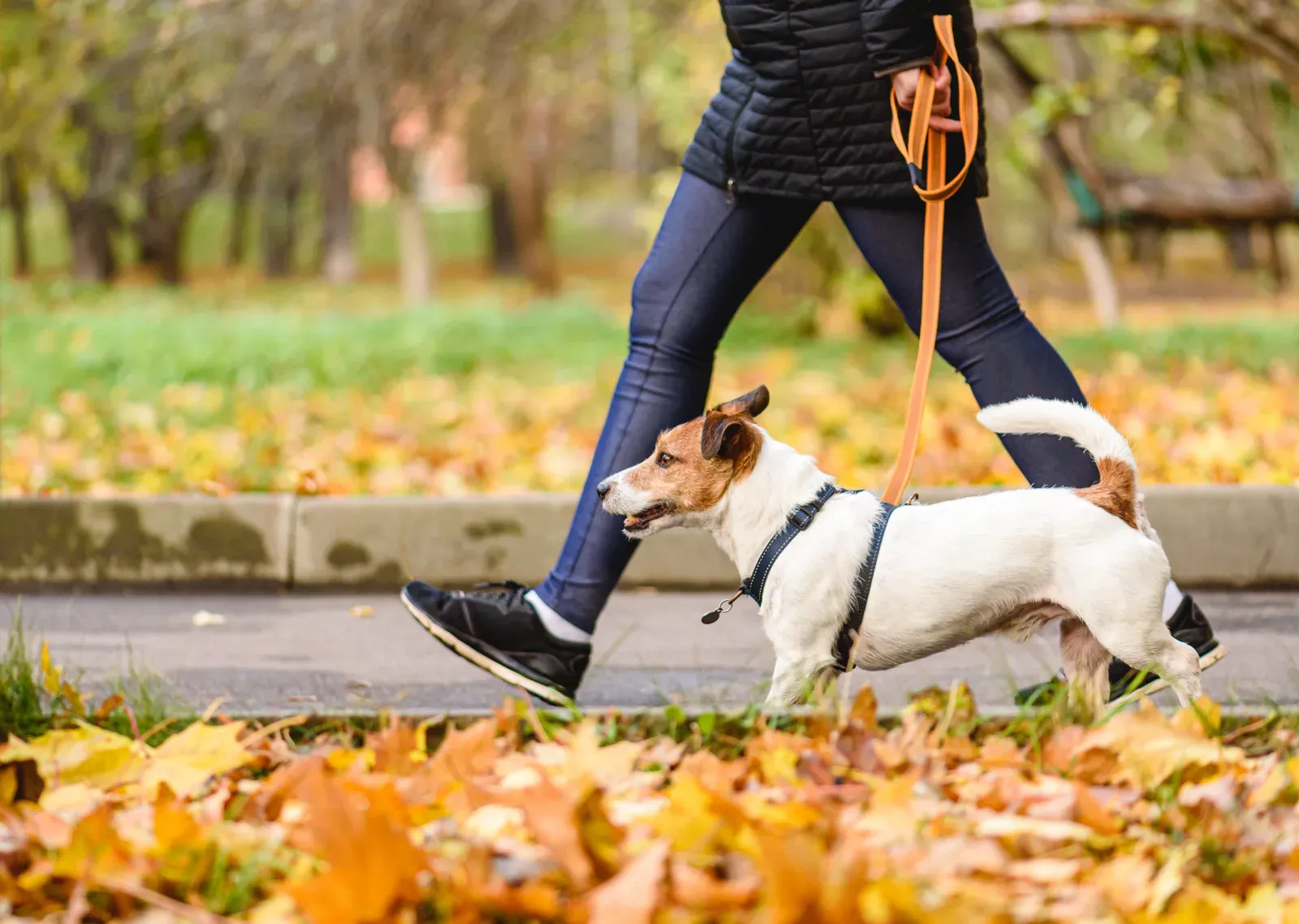
If every walk is a wrestling match, pulling, barking, zig-zagging, this two-week program rebuilds the walk from the ground up with foundational on-leash obedience..
Includes handover lesson, follow-up session, lifetime support, slip lead + collar
S · 5–6 week board & train
Behaviour Rehab
Kaitlin's specialty, and the work she loves most.
Includes assessment-built plan, 2 follow-ups, deep owner education
Asked and answered
The questions people ask us.
Why is dog training so expensive?
Because it is skilled labour sold one dog at a time. A board and train means one trainer working with your dog every day for weeks, housing it at night, then teaching you and following up after it goes home. There is no class of ten to split the bill.
Why are dog trainers so expensive?
Good trainers price the years it took to learn to read a dog, not just the hour in front of you. Add insurance, equipment and the follow-up time that comes free with every Northline K9 program, and the hourly figure looks different. A $150 private session is buying a written plan and a trained eye, not a chat.
Is dog training expensive?
It can be. At Northline K9 the range runs from $150 for a single private session to $5,760 plus GST for the longest Behaviour Rehab stay. The better question is what the problem costs you without training, in vet bills, avoided walks or a dog you cannot take anywhere.
Why is puppy training so expensive?
Puppy Fundamentals is $2,775 plus GST for three weeks because a pup needs round-the-clock work: crate comfort including nights, name, leash manners, and structured socialization while the window for it is still open. It also includes a slip lead, a training collar, a handover lesson and a follow-up within 60 days. The early weeks are the most expensive ones to get wrong later.
Keep reading
Ask what your dog needs.
Book a consultation and tell us the problem. We will price the smallest program that fixes it, and one session may be enough.
From real owners
Rated 5.0 on Google.
Real Northline dogs