Straight answer
What should I pack for board and train?
Packing for a dog's stay tends to go one of two ways: a single bag of kibble, or a duffel that would embarrass a family of four. The right answer is much closer to the first. A board and train works because the environment is controlled and the routine is ours, so the shorter the packing list, the better the program runs. Here is what to bring and why the rest stays behind.
Last reviewed August 26, 2026
The short list
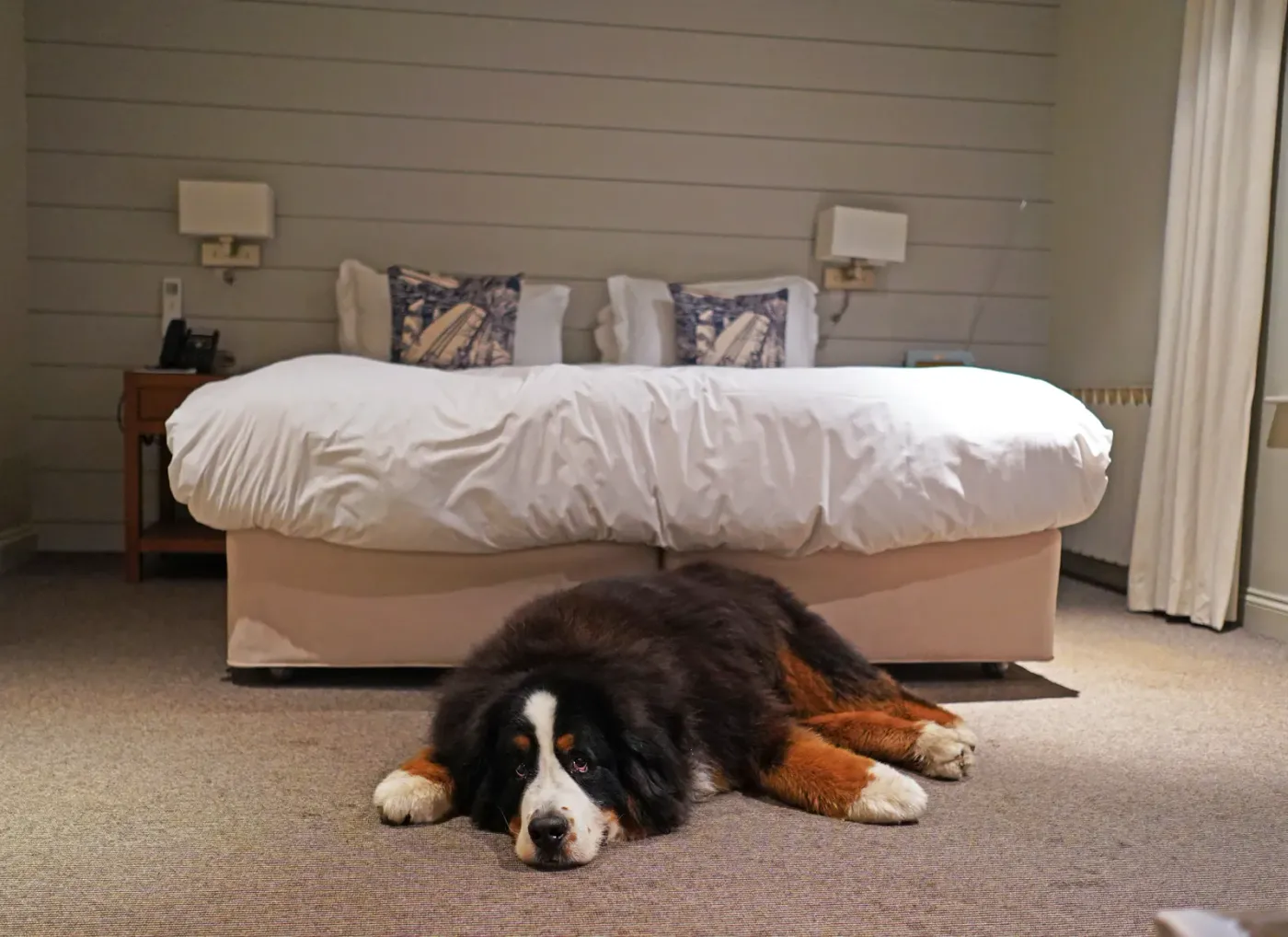
Four things go in the bag, and the fourth is optional.
Food first. Measure out your dog's usual food for every day of the program, then add a few extra days in case pick-up shifts by a day or two; a sudden diet change is the fastest route to an upset stomach in a new place. Label the bag with the dog's name and the daily amount. Medications and supplements come in their original containers with the dose, the time of day and how you hide them written on a note.
Vaccination records can be emailed to info@northlinek9.ca before the stay or handed over at drop-off. Then the optional item: one thing that smells like home, a worn t-shirt or a small blanket, to go in the crate for the first nights. Pick something you would not mind losing. That is the whole bag. Slip leads, training collars and, in the off-leash programs, the Educator remote collar are supplied by us and go home with you at handover.
- Usual food plus extra days
- Medications with written dosing notes
- Vaccination records, emailed or printed
- One familiar item, nothing precious
Leave these home
Why the toy basket and the treat jar stay in your kitchen.
Treats from home are the first thing owners want to send and the first thing we ask them not to. We use a dog's regular food and our own rewards deliberately, because reward value is part of the training plan. A dog who has been eating high-value treats freely at home has a skewed sense of what is worth working for, and mixing unfamiliar treats into the day makes stomach upset harder to trace to a cause.
Toys are similar. Enrichment is built into every stay, but it is chosen for the individual dog and offered at moments that fit the routine, not left in the crate to be guarded, shredded or swallowed. A favourite squeaky toy can become a resource worth fighting over during socialization. The same logic applies to beds and bowls: ours are safe, washable and interchangeable. Your dog gets structure, rest and rewards on our schedule, and comes home to the toy basket as a reunion gift.
The programs
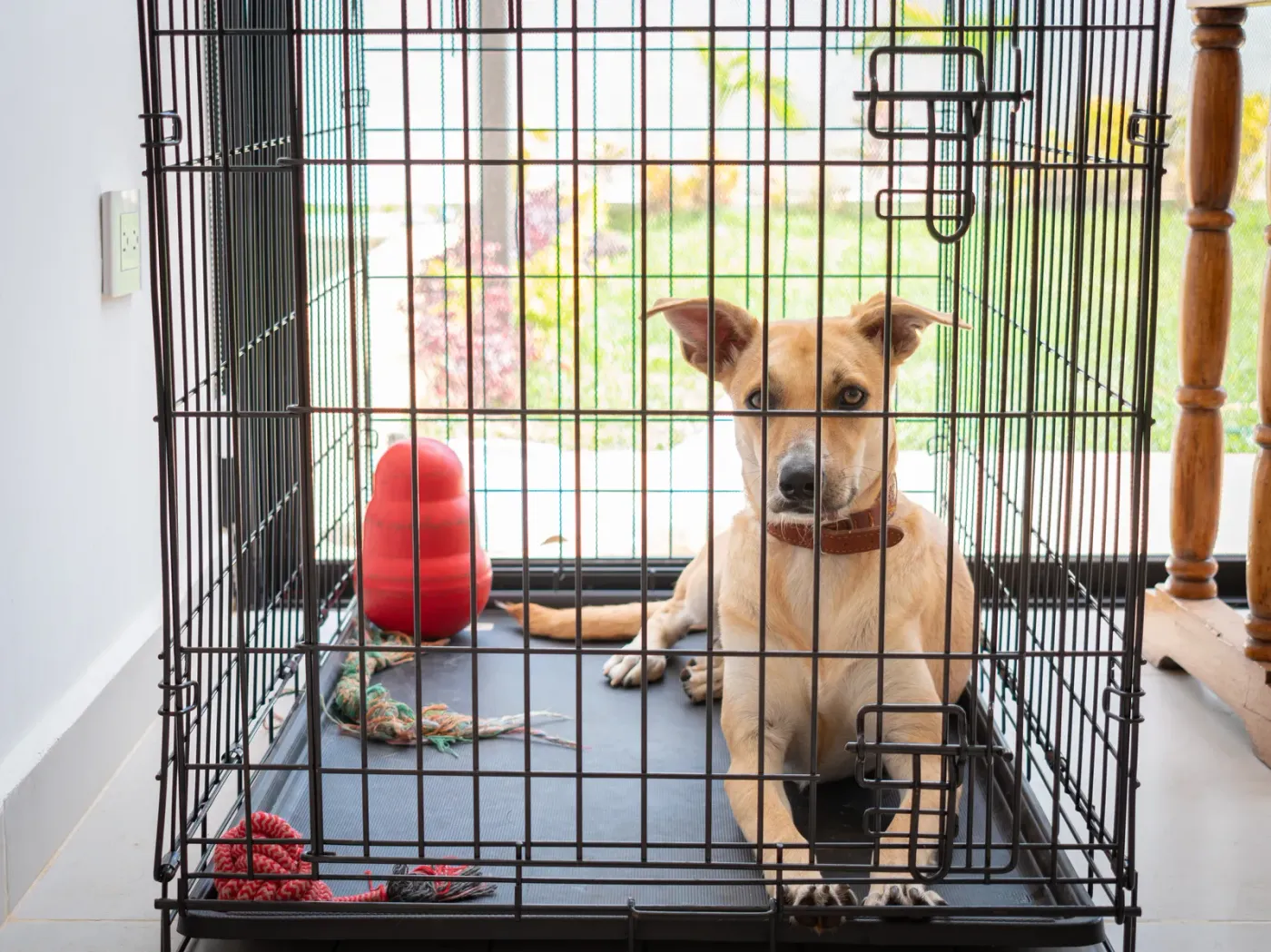
The live-in options.
Every program includes the handover lesson and follow-ups; prices are on each card.
Asked and answered
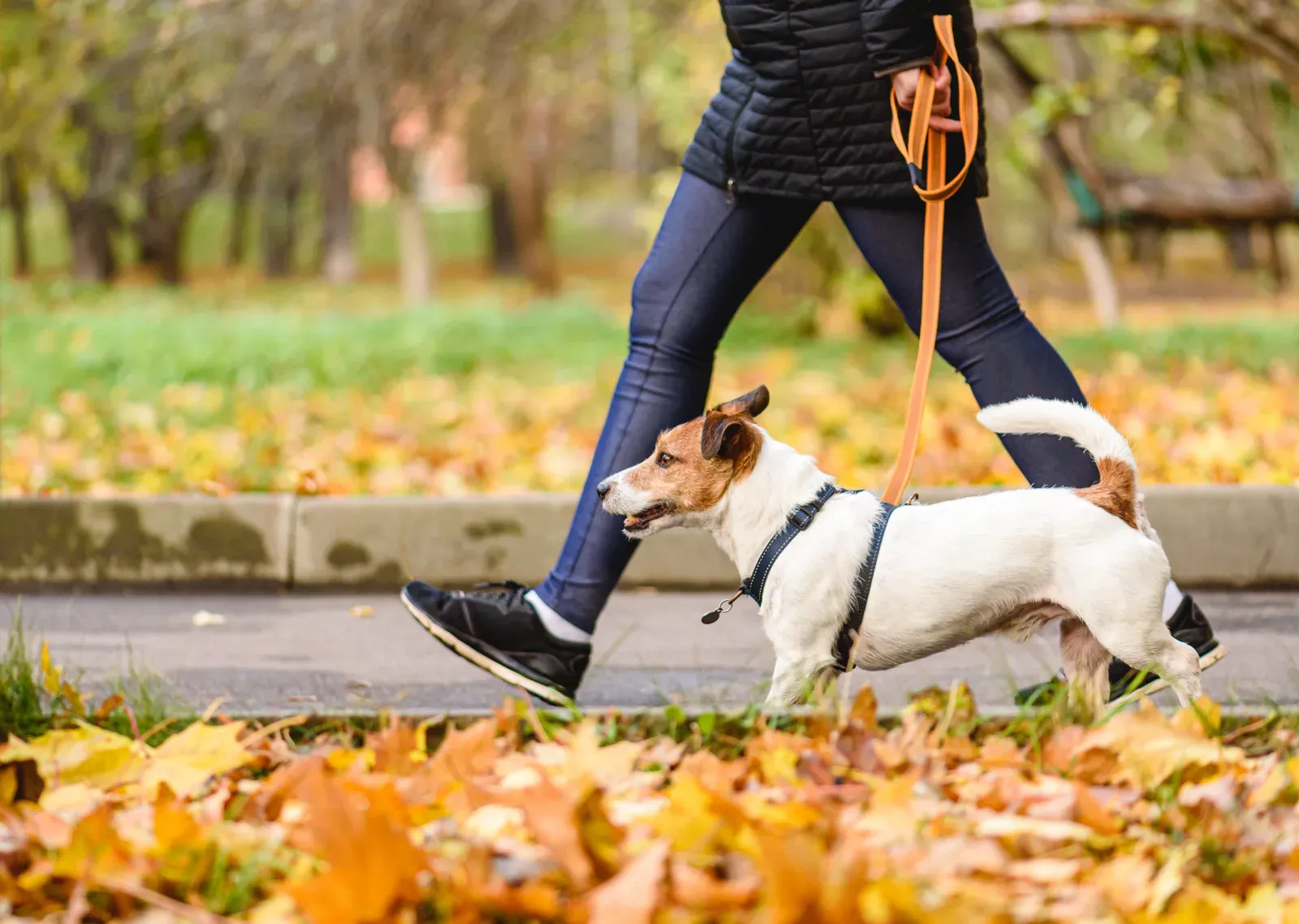
The questions people ask us.
What is on the board and train packing list?
Your dog's regular food for the whole stay plus a few extra days, any medications with written instructions, current vaccination records and one familiar item for the crate. Nothing else is needed. Leashes, collars and all training equipment are supplied.
What does my dog need for board and train?
Very little beyond food and paperwork. The routine, the rewards, the crate and the training gear are all part of the program, and the slip lead or collar your dog learns on is included with the on-leash and off-leash programs. A blanket from home is welcome for the first nights.
Can I send treats with my dog to board and train?
Please do not. Reward value is planned carefully during a program, and free-flowing treats from home undermine that and complicate any stomach upset. Your dog will be paid well for good work with food we choose for the job.
Should I pack my dog's bed and toys for board and train?
No. Beds and bowls are provided, and toys are offered as planned enrichment rather than left in crates where they can be chewed apart or guarded. One soft familiar item is the exception, and it should be something you can live without.
Keep reading
Pack light, train hard
Food, meds, records, one blanket. We handle everything else. Book a consultation and we will match your dog to the right program.
From real owners
Rated 5.0 on Google.
Real Northline dogs