
Straight answer
How often should a dog be trained?
Most owners picture training as an event: leash on, treats out, forty-five serious minutes. Dogs do not learn that way. They learn in reps, and reps fit into moments you already have, waiting for the food bowl, crossing a street, coming when called from the yard. Here is how often to train, how long each session should run, and what a realistic week looks like at every age.
Last reviewed August 26, 2026
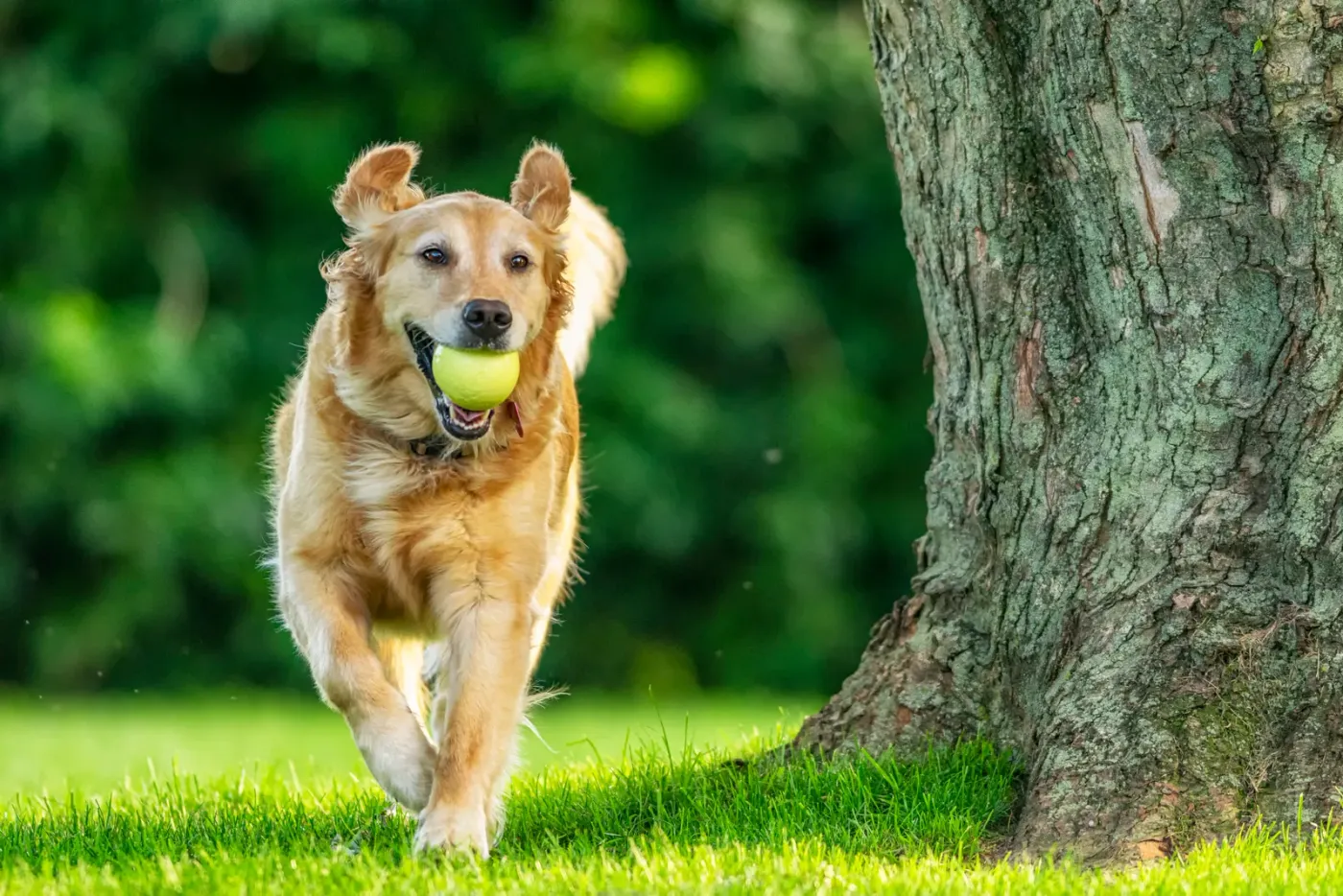
Minutes not hours
Why five short sessions beat one long one.
A dog's focus is a small tank. The first few minutes of a session produce clean, eager reps; after that, accuracy drops, frustration rises, and you both start practising mistakes. Ending while the dog is still winning keeps every session a good memory, which makes the next one easier to start. Three sessions of five minutes give you fifteen strong minutes a day. One weekly hour gives you the same strong start, then a long, sloppy finish.
The other reason frequency wins is that behaviour is built by what gets rewarded all day, not what happens in a session. A sit before every meal is fourteen reps a week without adding a single minute to your schedule. Heel for the first block of each walk, a recall before the leash comes off, calm before doors open: the day is full of training slots. Sessions sharpen skills. Routines make them permanent.
- Several short sessions daily
- End on a win
- Train inside walks and meals
- Routines outlast sessions
A sample week
What a realistic week looks like by age.
For a puppy: two or three sessions a day of two to five minutes, one skill per session, plus a sit before each meal and a name response before anything fun. For an adolescent, keep the same frequency but move it outdoors, adding distance and distractions gradually. This is the age when owners quit because progress hides for a few weeks. Keep the reps going. It comes back.
For an adult with solid basics, two short skill sessions a week can maintain everything, as long as daily routines keep paying the behaviours you care about. If life is too full for even that, structure can be borrowed: our Day Training runs Monday to Friday at $650 per week with a one-hour go-home lesson, and Private Training at $150 a session comes with a written weekly plan that tells you exactly what to practise between visits.
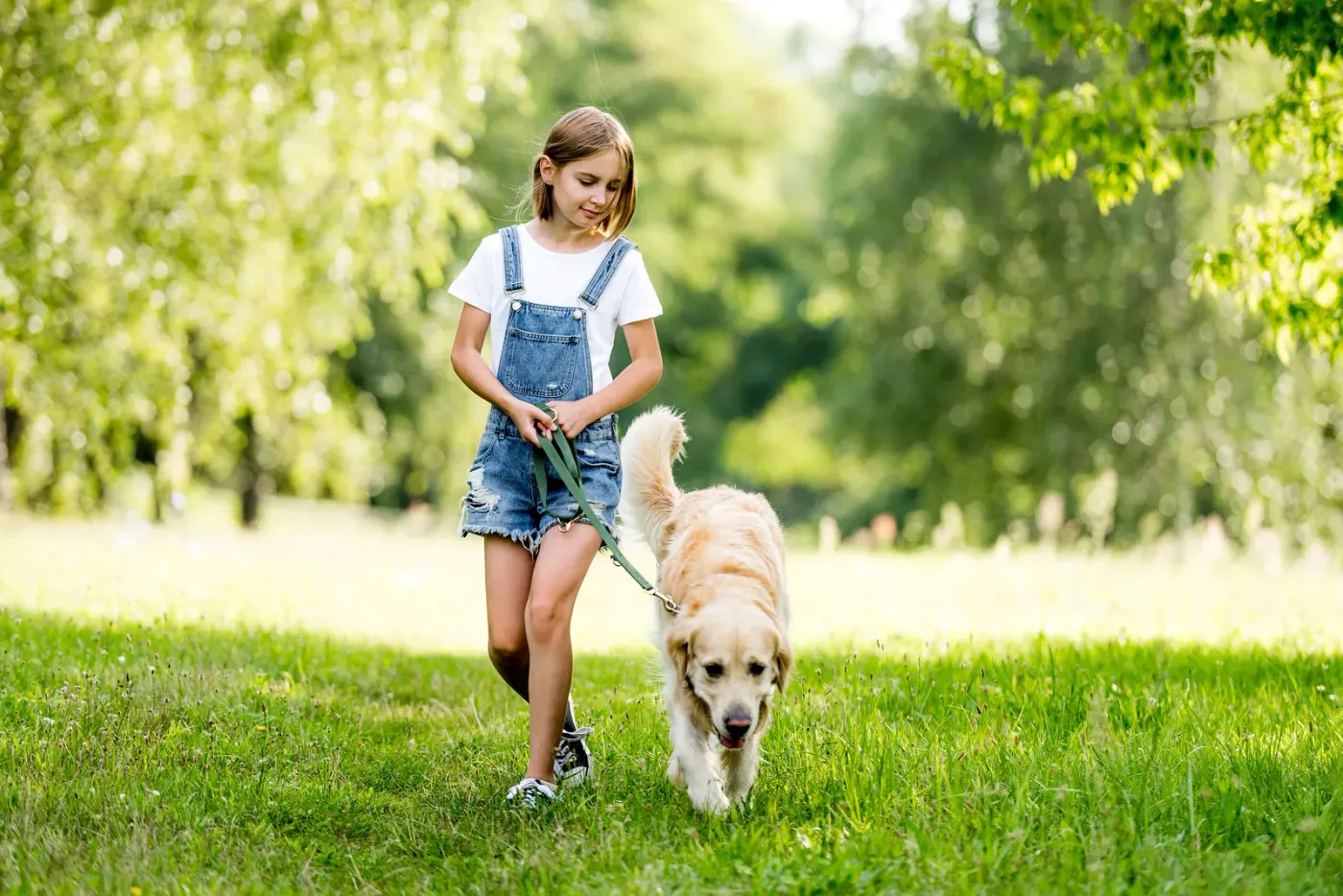
The programs
When teaching it yourself stalls.
The guide above is the real method. These are the faster routes.
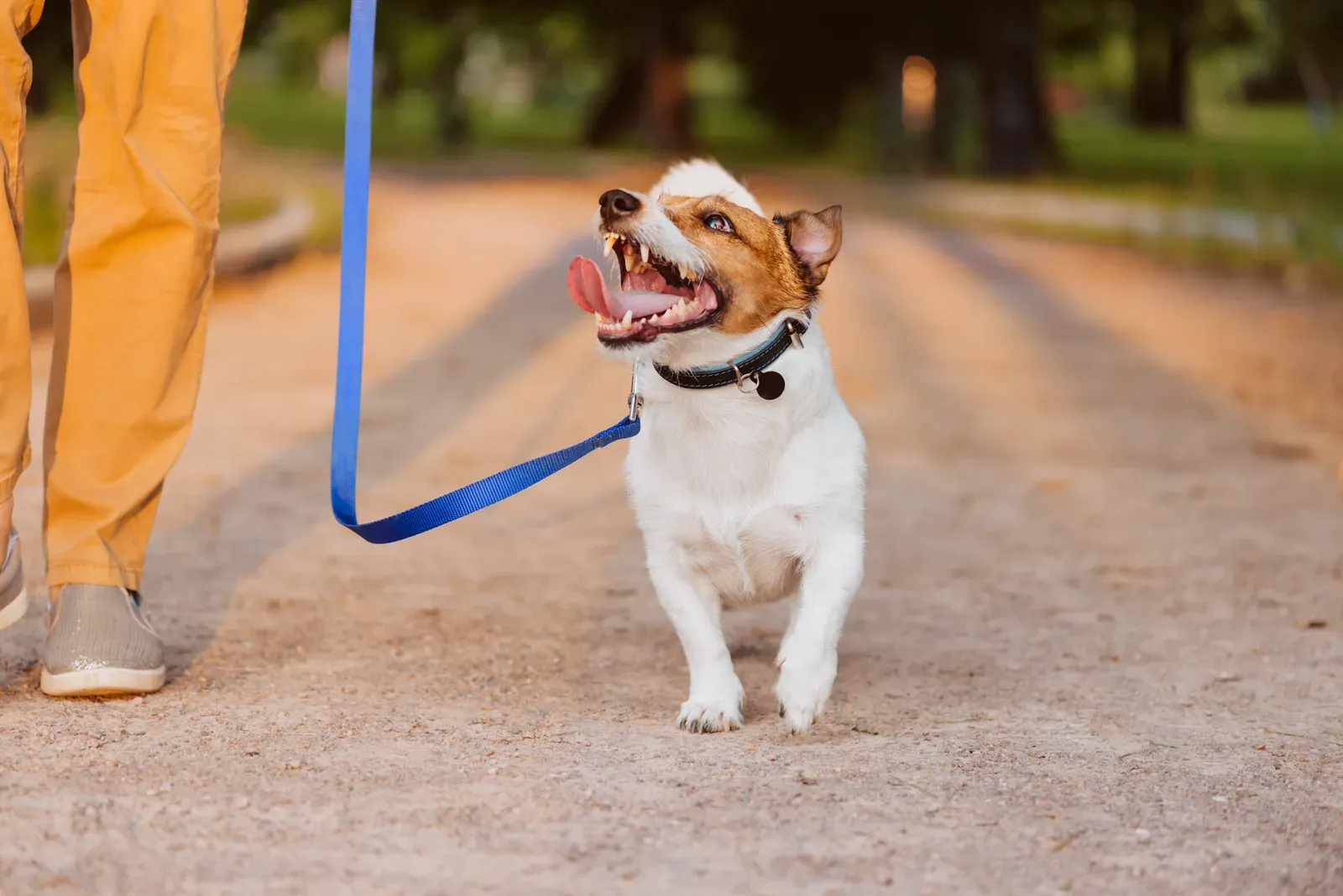
W · One-hour session
Private Training
One-on-one coaching with you on the other end of the leash.
Includes a written weekly plan to work from
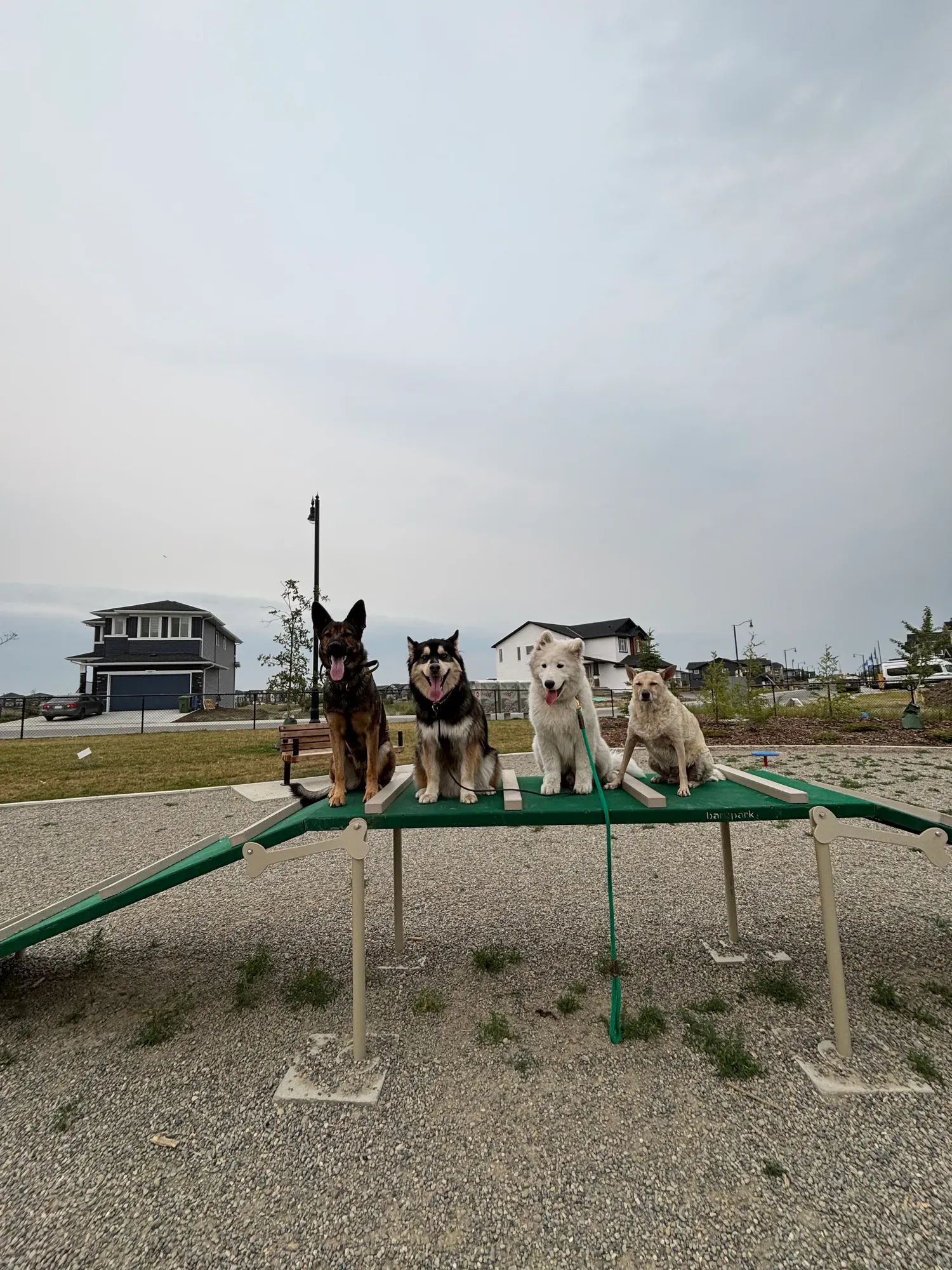
SW · Weekdays, drop-off 8–10 am · pick-up 5–7 pm
Day Training
Professional training all day, your couch at night.
Includes weekly one-hour go-home lesson, daily structure
Asked and answered
The questions people ask us.
How often should a dog be trained?
Every day, in short sessions. Two or three focused bursts of a few minutes each, plus training folded into meals and walks, outperforms a single long weekly session. Consistency is the ingredient most dogs are missing.
How many minutes a day should you train your dog?
Aim for ten to fifteen total minutes of deliberate work, split into two or three sessions, and stop each one while the dog is still keen. Puppies sit at the low end of that range. The meals-and-walks reps are on top and cost nothing.
What does a good daily dog training routine look like?
Sit before breakfast, a few minutes of one skill mid-morning, heel for the first block of the afternoon walk, and a recall or place rep before dinner. Small, boring, repeatable. Boring routines are what reliable dogs are made of.
How often do you need to train a dog to keep it trained?
Maintenance is lighter than building: a couple of short sessions a week plus everyday routines will hold most trained behaviours for life. Skills fade when they stop being paid, not because time passes. Keep rewarding what you want to keep.
Keep reading
Build the daily habit
A written weekly plan makes short sessions add up fast. Book a consultation and we will build yours.
From real owners
Rated 5.0 on Google.
Real Northline dogs