
Straight answer
How many training sessions does a dog need?
Anyone who gives you a single number before meeting your dog is guessing. The count depends on what you want changed, how long the dog has been rehearsing the old habit, and how much practice happens between visits. What we can offer is a set of honest ranges by goal, and a clear picture of what makes each session actually stick.
Last reviewed August 26, 2026
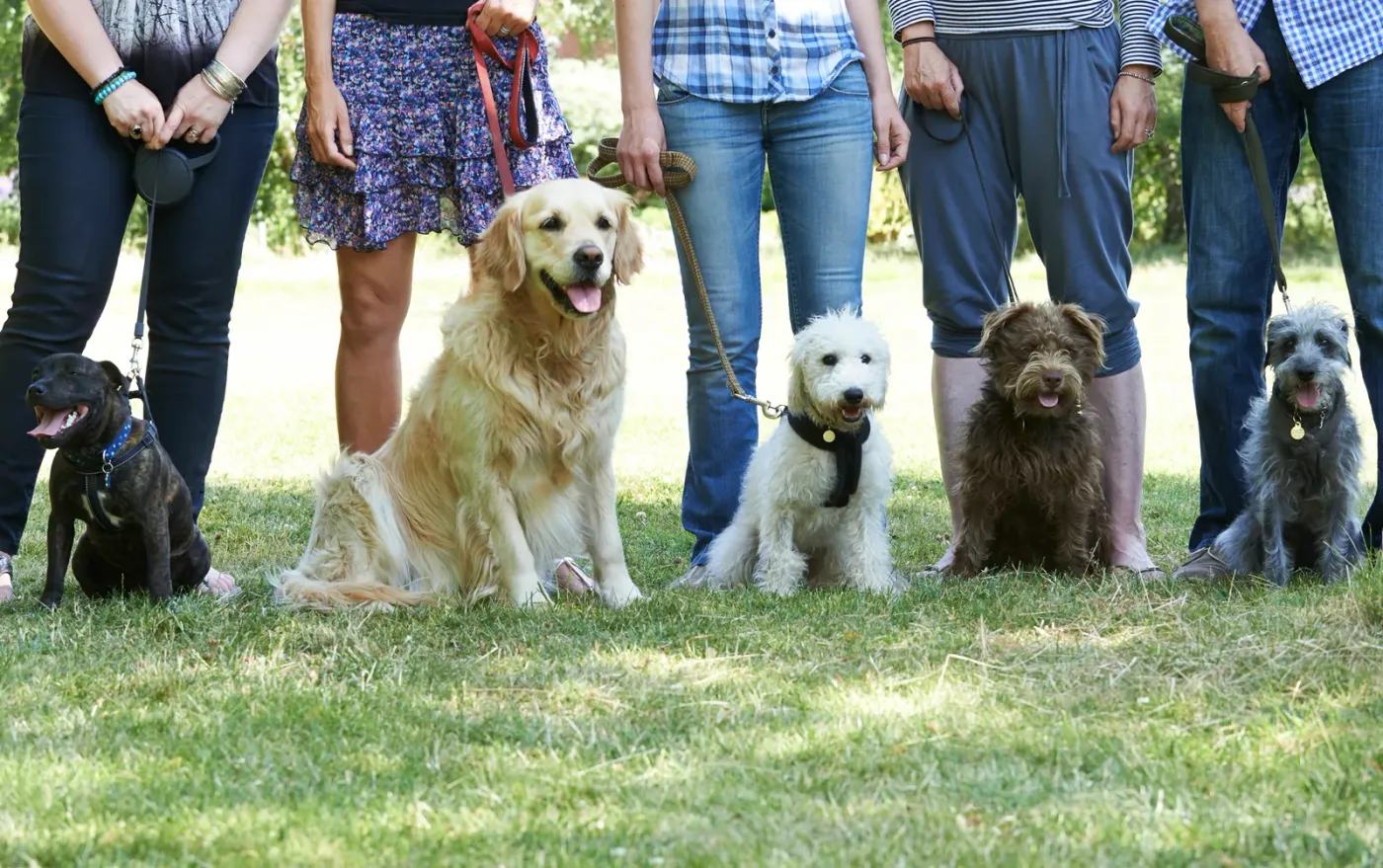
Ranges by goal
Three goals, three very different counts.
For one specific habit with a clear trigger, budget one to three private sessions at $150 each. The first hour diagnoses the pattern and sets up the fix; you leave with a written weekly plan. A second visit two weeks later checks the work and adjusts; a third is insurance. Counter-surfing, door-dashing, leash pulling on a dog who otherwise listens, and greeting manners all live in this range if the homework happens.
Foundations are a different job. A dog with no reliable sit, stay, place or loose leash needs the skills built in sequence, and that takes roughly four weekly sessions with practice in between, or a two-week On-Leash Foundations stay where the daily reps happen here. Behaviour change is the long end of the scale: reactivity, anxiety and aggression are patterns, not gaps in knowledge, and our Behaviour Rehab program runs five to six weeks for a reason.
- One habit, one to three sessions
- Foundations take about a month
- Behaviour change takes weeks
- Homework decides the count
Between visits
The session is the recipe, the week is the cooking.
A one-hour session cannot train a dog. It can show the dog what earns the reward, show you how to mark and pay it, and show both of you what to do when it goes sideways. The actual learning happens in the small repetitions you run at home before the next visit. Owners who practise five minutes, twice a day, come back needing fewer sessions. Owners who practise only on the drive over come back needing more.
That is why every private session ends with a plan on paper for the week ahead rather than a pep talk, and why Day Training includes a weekly one-hour lesson at go-home time instead of a quick handover at pick-up. It is also why every board and train includes follow-ups at no charge: the stay builds the skill, and the follow-ups keep it alive once your hallway and your street replace our routine. Count the practice, not the appointments.

The programs
What choosing us looks like.
The formats below are how most owners start; prices are public on every one.
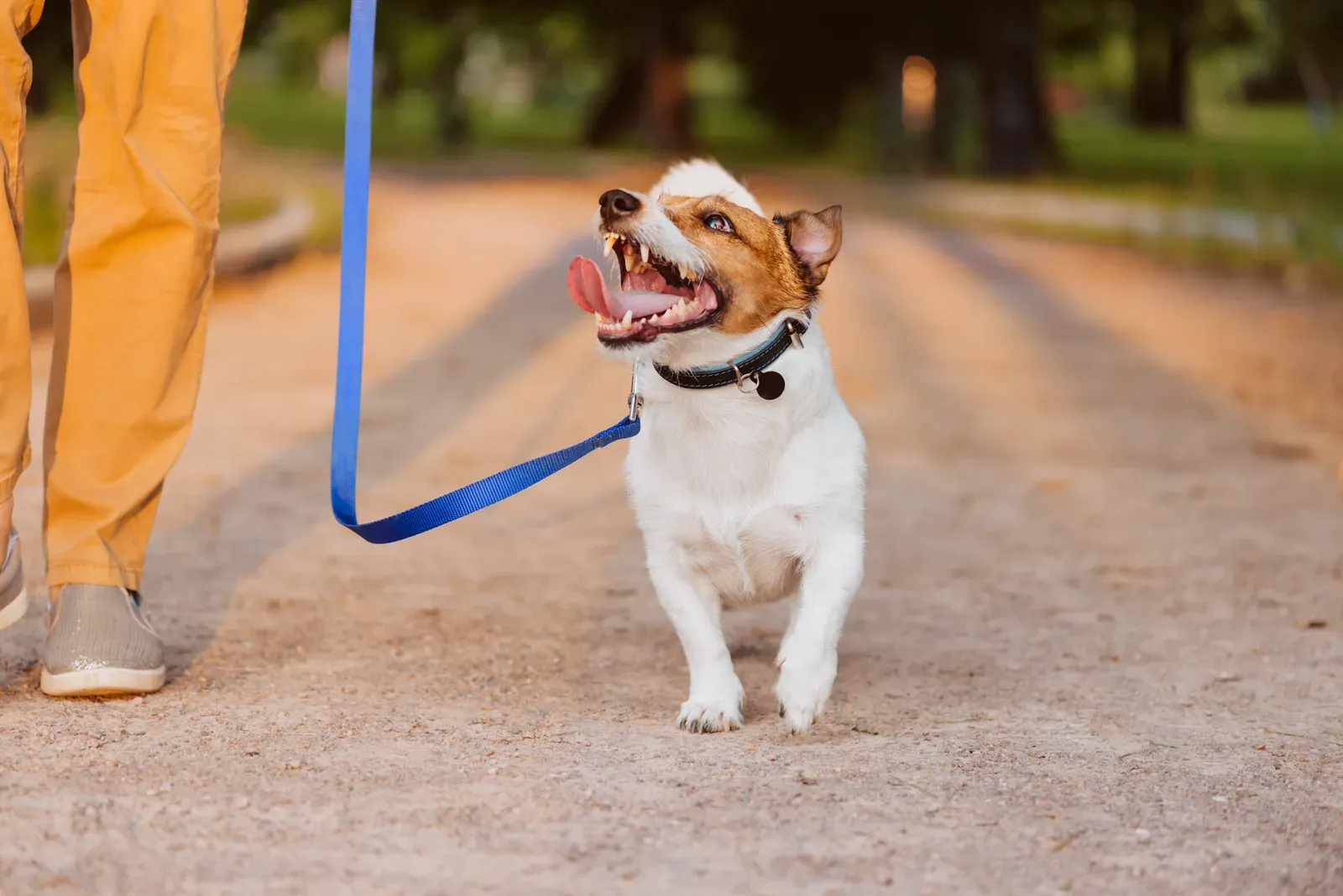
W · One-hour session
Private Training
One-on-one coaching with you on the other end of the leash.
Includes a written weekly plan to work from
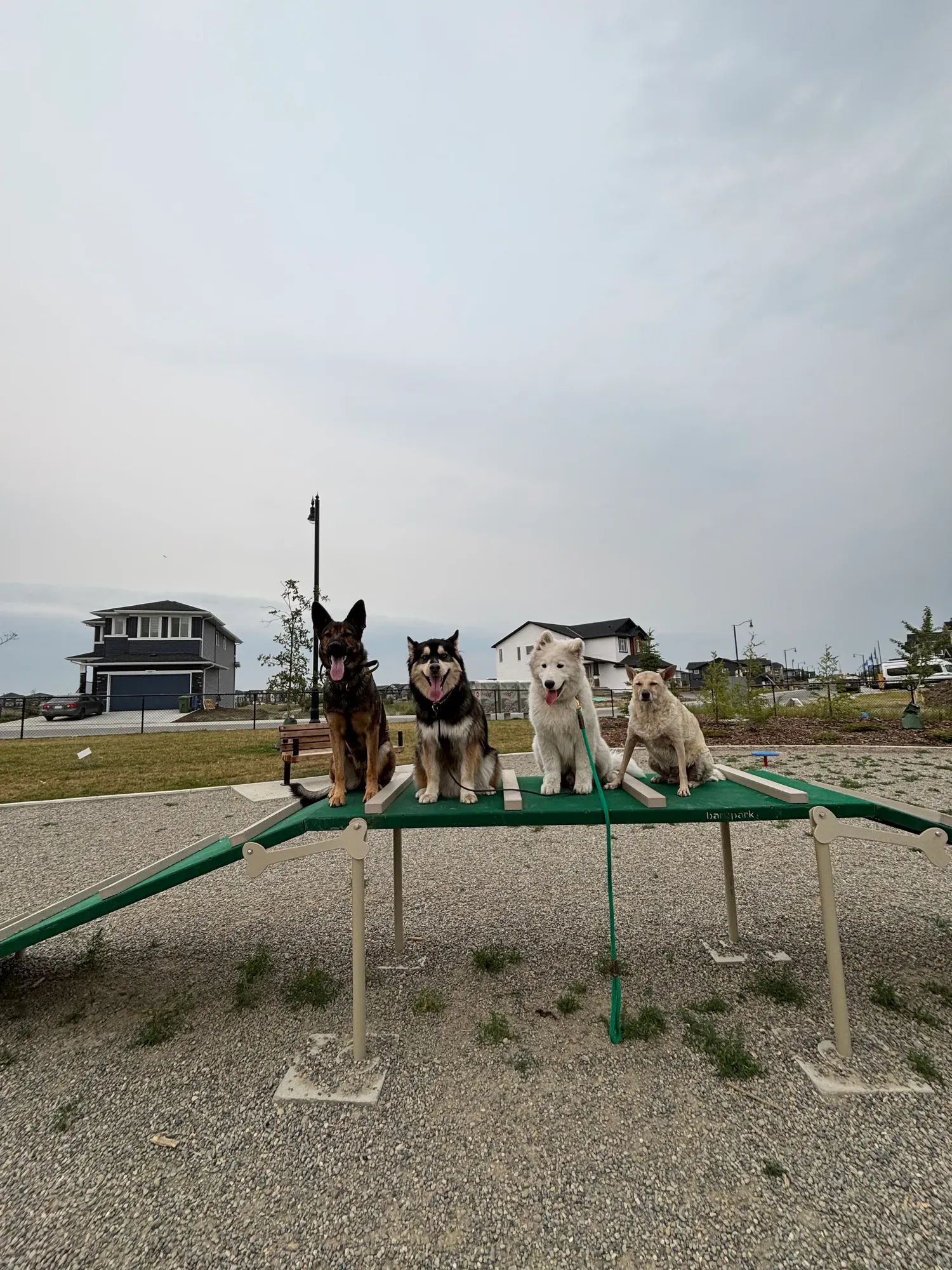
SW · Weekdays, drop-off 8–10 am · pick-up 5–7 pm
Day Training
Professional training all day, your couch at night.
Includes weekly one-hour go-home lesson, daily structure
Asked and answered
The questions people ask us.
How many training sessions does a dog need?
One to three private sessions for a single manners issue, about a month of weekly sessions to build foundations, and a multi-week program for behaviour change like reactivity or anxiety. The real variable is how much you practise between them.
How many dog training sessions should I book at once?
Start with one. A good first session tells you and the trainer what you are dealing with, and the written plan you leave with should make the next step obvious. Booking a bundle before a diagnosis is paying for a guess.
Is one training session enough?
For one small, specific habit and a committed owner, sometimes. One hour can diagnose the pattern and hand you a plan, but the dog still needs a couple of weeks of repetitions before the new habit holds. Most people book a second visit to check the work.
How often should a dog see a trainer?
Weekly is the useful rhythm for private sessions, because it gives you enough days to practise and not enough to drift. After a board and train, the free follow-up sessions are spaced out, giving you time to live with the dog before we check the work.
Keep reading
Get an honest count
Book a consultation, tell us what you want changed, and we will give you a real range instead of a package.
From real owners
Rated 5.0 on Google.
Real Northline dogs