
Straight answer
How do I prepare my dog for board and train?
The two to six weeks your dog spends with us go better when the first day goes well, and the first day is mostly decided at home. A little paperwork, a few honest notes and some crate practice make the transition smooth for the dog and let training start on day one instead of day three. None of it is complicated. It just needs doing before the drive over.
Last reviewed August 26, 2026

Before drop-off
Paperwork, food notes and a crate that already feels safe.
Start with the vet. We need current vaccination records, so ask your clinic to email them ahead of time rather than hunting for them at the door. Write down exactly what your dog eats, how much and when, and pack enough of the same food for the whole stay; switching diets mid-program is asking for digestive trouble. Any medication comes with the dose, the timing and the trick you use to get it swallowed.
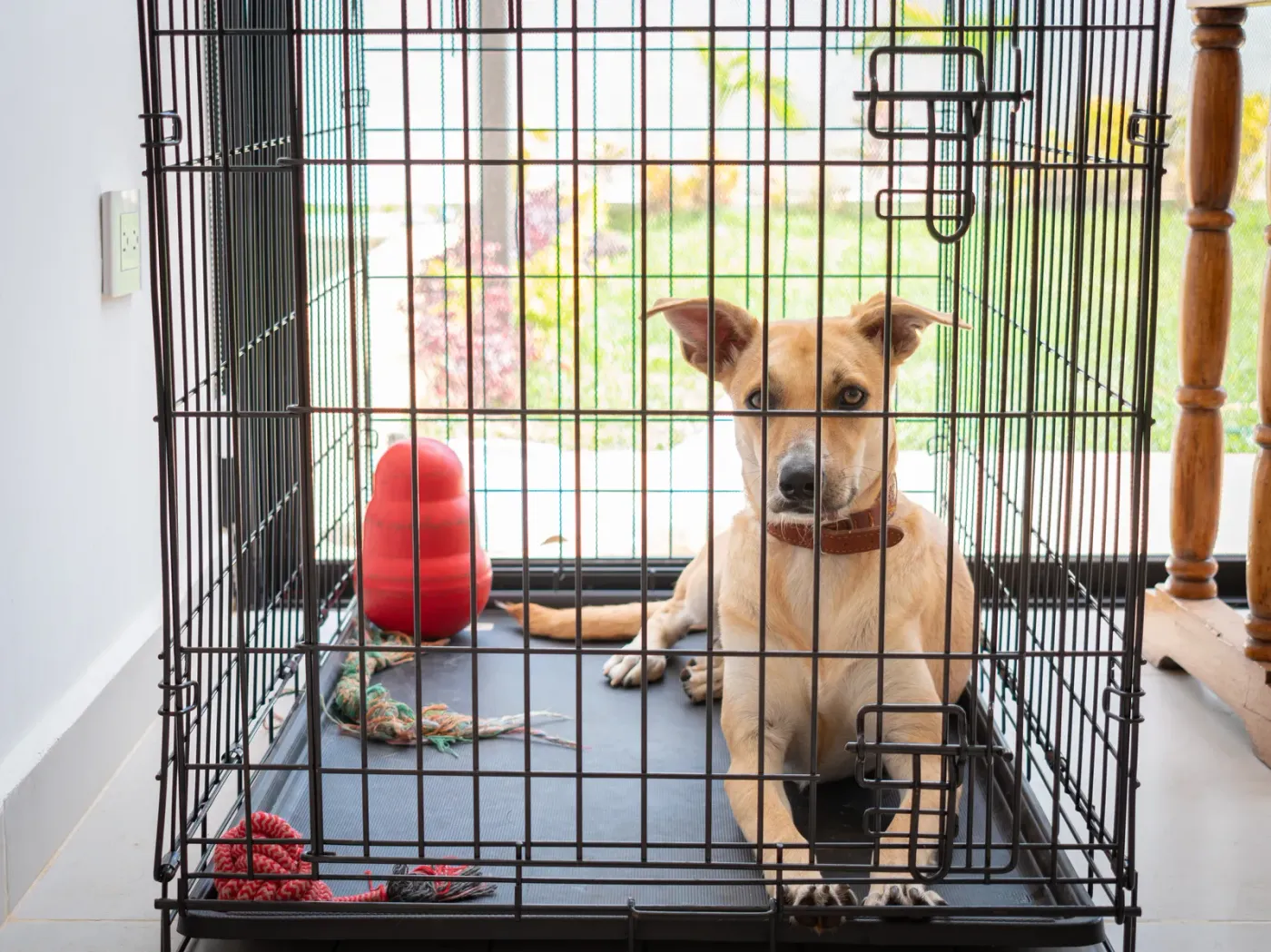
Crate comfort is the most useful head start. Your dog will spend downtime in a crate here and rest in one between sessions, so a dog who already sees the crate as a fine place to nap settles in hours rather than days. In the last week or two at home, feed meals in the crate and close the door for short, calm stretches. Then tell us the whole story: the growl at the vet, the lunge at the neighbour's dog, the counter raid.
- Vaccination records emailed ahead
- Food amounts and times written down
- Medication with dose and timing
- Crate meals in the final week
What to skip
No farewell dog park session, no long goodbye at the door.
The instinct before a stay is to give the dog one last big day: the busy off-leash park, the extended play date, the whole family piling on affection. Resist it. A dog who arrives overstimulated, sore or flooded with other dogs' scent takes longer to settle, and a dog park blowout the day before is a fine way to pick up a scrape or a stomach bug that costs training days. A normal walk and a normal dinner is the ideal send-off.
Drop-off itself should be boring. Hand over the leash, the food and the paperwork, say a cheerful word and leave. Dogs read tension well, and a tearful, lingering goodbye tells the dog something is wrong. A brisk handoff tells the dog this is normal, which is what we want the first hour to feel like. You will get updates throughout the stay, and the handover lesson at the end is where the reunion gets its moment.
The programs
The live-in options.
Every program includes the handover lesson and follow-ups; prices are on each card.
NE · 2-week board & train
On-Leash Foundations
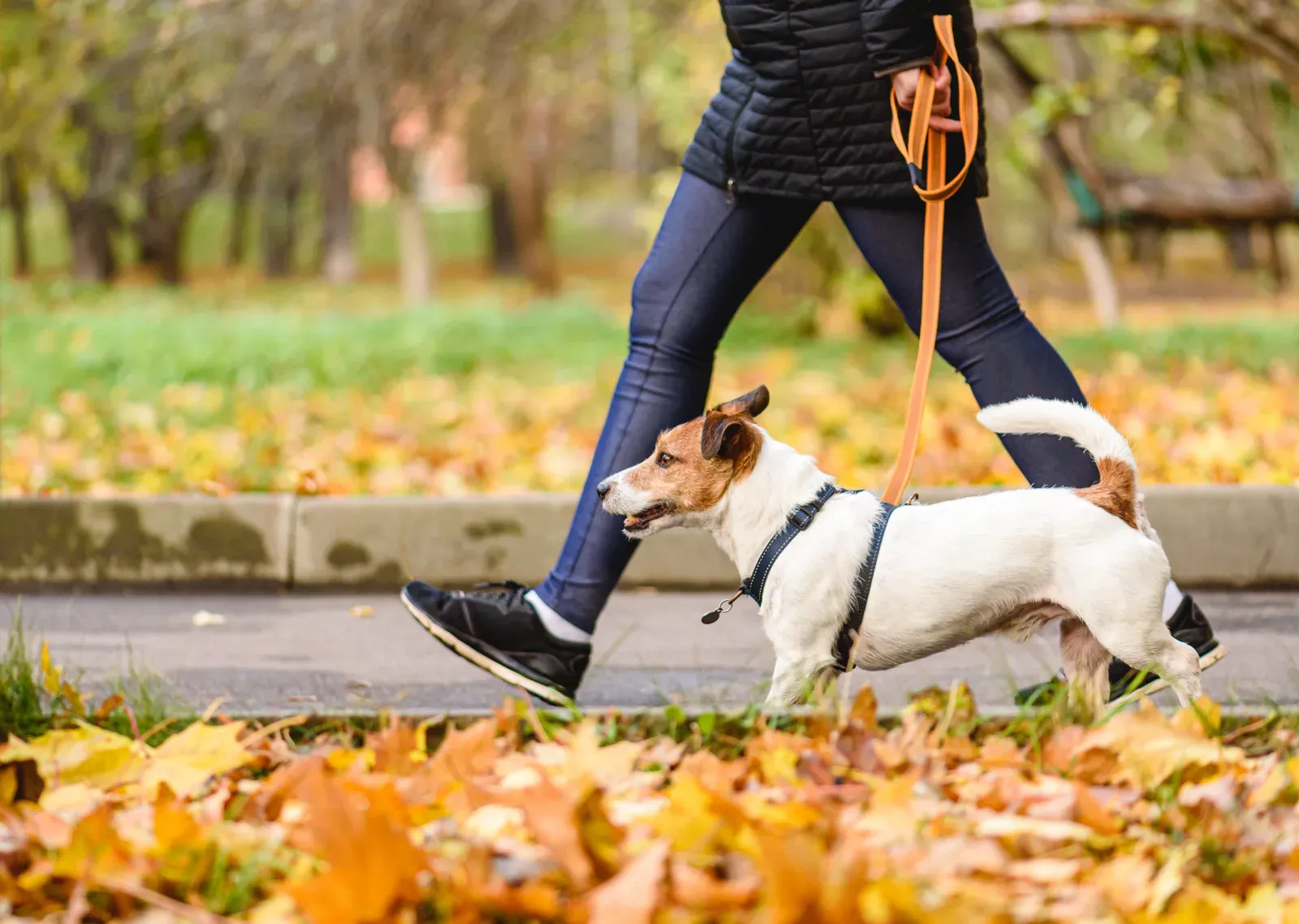
If every walk is a wrestling match, pulling, barking, zig-zagging, this two-week program rebuilds the walk from the ground up with foundational on-leash obedience..
Includes handover lesson, follow-up session, lifetime support, slip lead + collar
N · 3-week board & train
Puppy Fundamentals
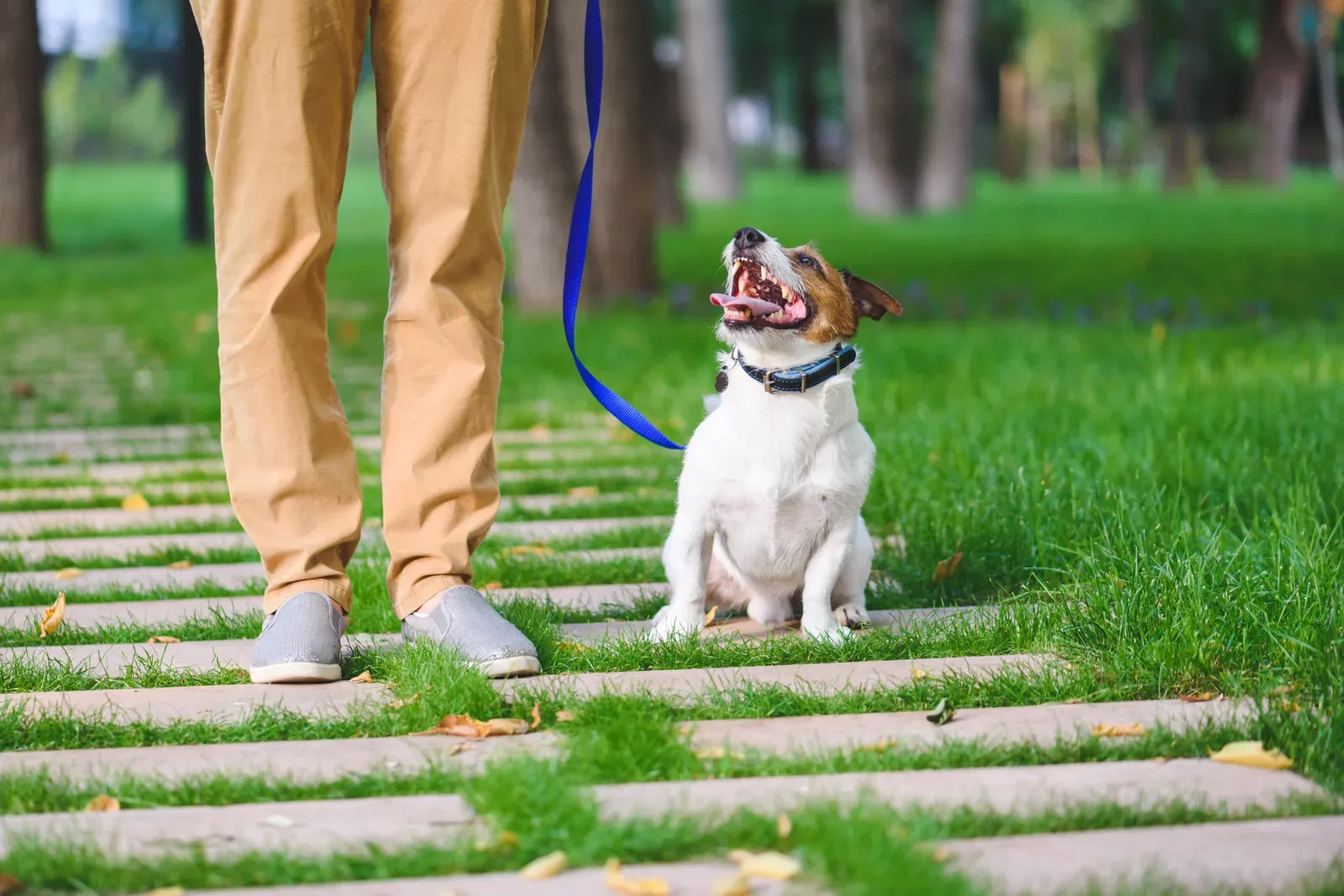
Your puppy's first months decide the habits of a lifetime.
Includes handover lesson, follow-up session, slip lead + collar
Asked and answered
The questions people ask us.
What should I do before board and train?
Get vaccination records from your vet, write out feeding amounts and medication instructions, and spend the final week or two building crate comfort at home. Keep the last few days ordinary. Then be candid with us about every behaviour you have seen, good and bad.
Is there a board and train checklist?
Yes: vet records, the dog's usual food for the full stay, medications with written instructions, and a short honest summary of the behaviour problems. Crate practice at home is the one preparation that pays off most. Training equipment is provided, so nothing else is required.
How much crate training does my dog need before board and train?
Enough that the crate is not frightening. Meals inside the crate and short closed-door rests over a week or two are usually plenty. If your dog panics in a crate, tell us before drop-off so the first days can be planned around it.
Should I tire my dog out before board and train?
No. An exhausted or overstimulated dog settles worse, not better, and a big dog park session the day before risks injury or illness that eats into training time. A normal walk, a normal meal and a normal night's sleep are the right preparation.
Keep reading
Ready for day one
Tell us about your dog and we will walk you through drop-off. Book a consultation to get started.
From real owners
Rated 5.0 on Google.
Real Northline dogs