
Straight answer
Can dog training make aggression worse?
It is a fair fear, and the honest answer is yes, badly done training can leave an aggressive dog more dangerous than it found him. Not because tools or structure are evil, but because punishing warnings, skipping assessment, and forcing a dog past its threshold all teach the wrong lesson. Here is how the damage happens, and the questions that keep your dog out of the wrong hands.
Last reviewed August 26, 2026
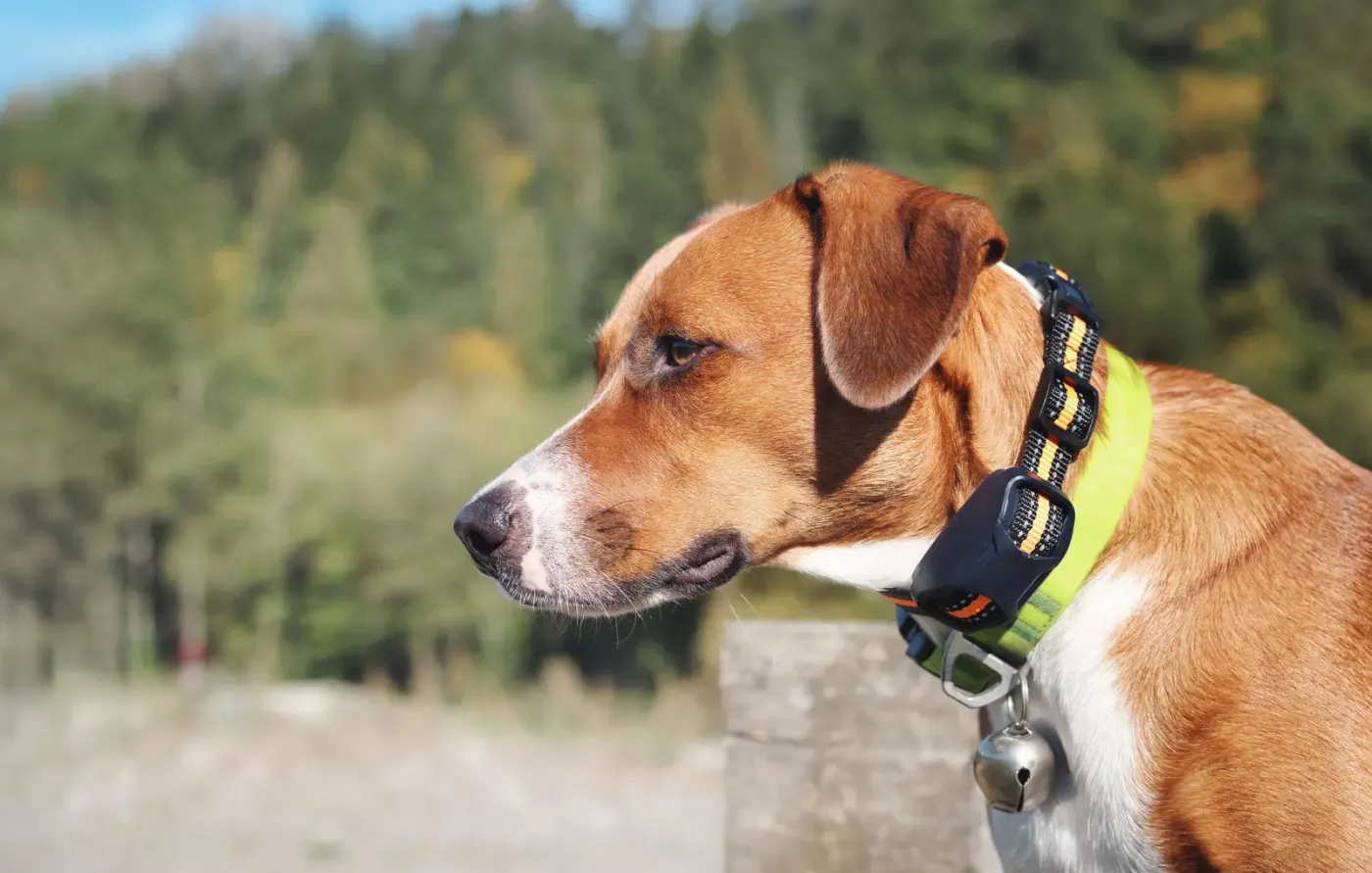
Where it goes wrong
How training backfires on an aggressive dog.
The classic mistake is punishing the growl. The growl is the smoke alarm; silence it and the fire still burns, except now the bite arrives without notice. The second is flooding: dragging a reactive dog into the middle of what scares it and holding it there until it 'gets used to it'. Some dogs shut down and get called cured. They are not cured. They are waiting.
The third is skipping assessment and selling a generic package for a specific problem. Aggression driven by pain needs a vet, not a stay command. That is why our Behaviour Rehab program is customized only after a full assessment, runs five to six weeks, and prices between $4,850 and $5,760 depending on what the assessment finds. Arousal comes down first; new skills go in second.
- Never punish the warning
- Assessment before any plan
- Lower arousal, then teach
- One dog, one trainer
Protect your dog
The questions that keep behaviour work safe.
Ask any trainer three things before handing over the leash. What assessment happens before the plan? What happens the first time the dog growls at you? What does the dog learn to do instead of lunging? The answers should mention thresholds, alternative behaviours and lowering stress. If you hear only correction talk, dominance talk, or a promise of a fixed dog by Friday, keep looking.
Setting matters as much as method. A dog rehearsing aggression in a room full of other dogs is practising the problem, which is one reason we run everything one-on-one with no group classes. Tools have a place, but skills are taught with markers and rewards first, and any tool is matched to the individual dog and taught to the owner properly. Watch a session before you commit. Good work looks calm.
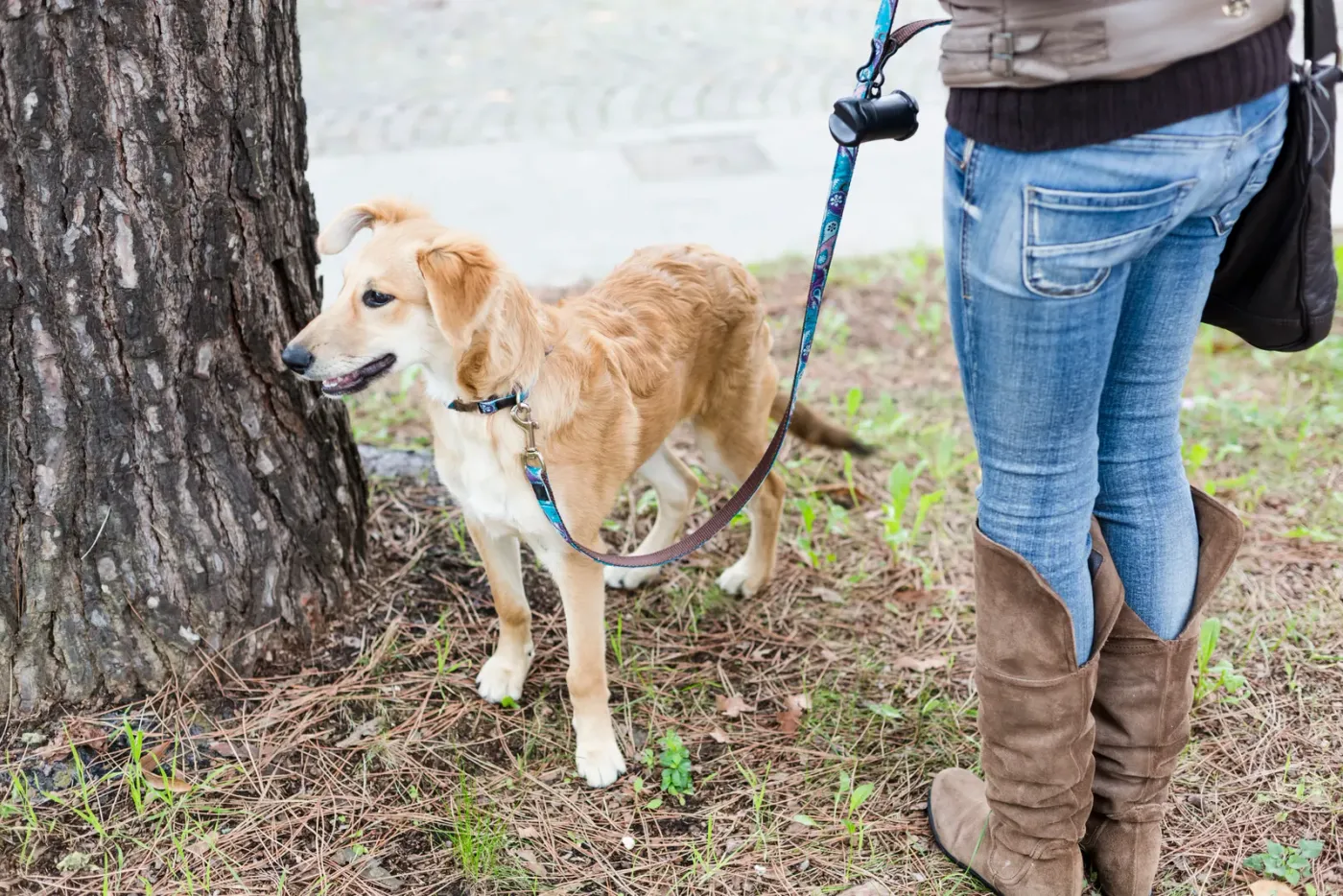
The programs
The behaviour-first formats.
Assessment before plan, thresholds before pressure. These programs run that way.
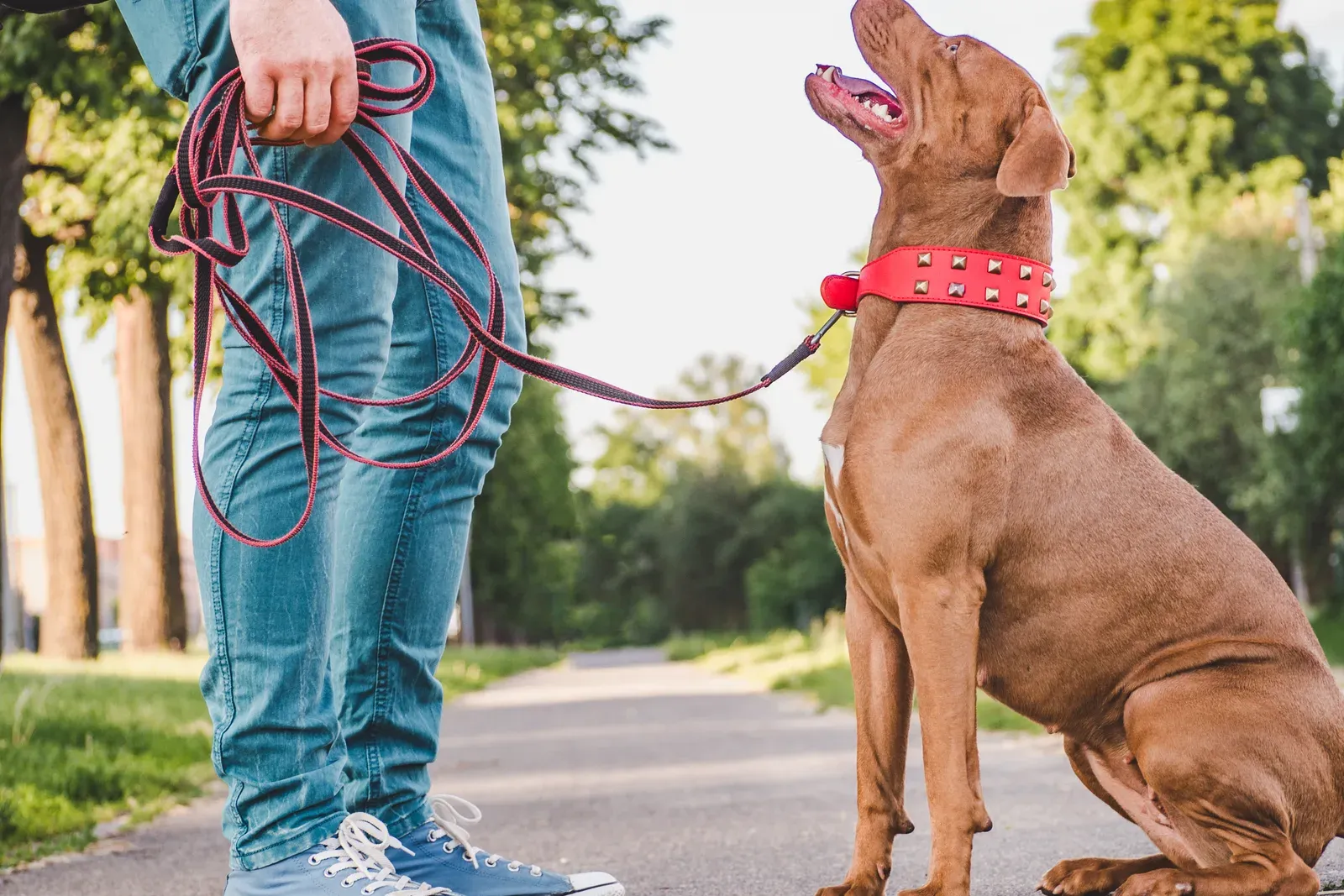
Asked and answered
The questions people ask us.
Can dog training make aggression worse?
Yes, when it punishes warning signals, floods the dog past its threshold, or skips the assessment that would have caught pain or fear. Done properly, training lowers arousal and gives the dog a better option than aggression. The method matters more than the label on the program.
Why would a dog get more aggressive after training?
Often the training suppressed the warning behaviours without changing the emotion underneath, so the dog escalates faster. Sometimes stress from the process itself raised overall arousal. Either way, stop repeating what made it worse and get a proper assessment.
Does punishment make aggression worse?
Punishing the aggression itself, especially the growl, tends to backfire because it hides the warning and adds stress to an already stressed dog. Consequences have a role in training, but they cannot be the treatment for fear. Change the emotion and the behaviour follows.
What is the wrong way to train an aggressive dog?
Group settings, flooding, corrections for growling, and any plan built without an assessment. Aggressive dogs need low-arousal, one-on-one work with a clear alternative behaviour to earn. If the plan fits every dog, it fits no dog.
Keep reading
Start with an assessment
Behaviour Rehab is customized after assessment, never templated. Book a consultation and tell us what you are seeing at home.
From real owners
Rated 5.0 on Google.
Real Northline dogs